Motor skills development Worksheets for Ages 5-8 - Page 2
29 filtered results
-
From - To
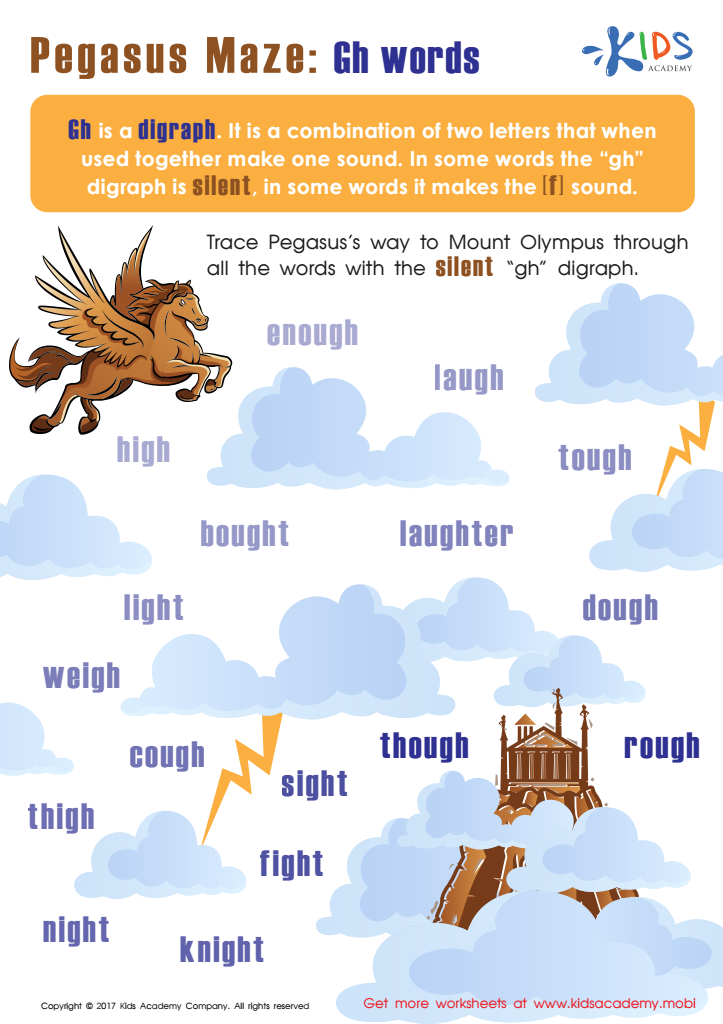
Pegasus Maze: GH Words Worksheet
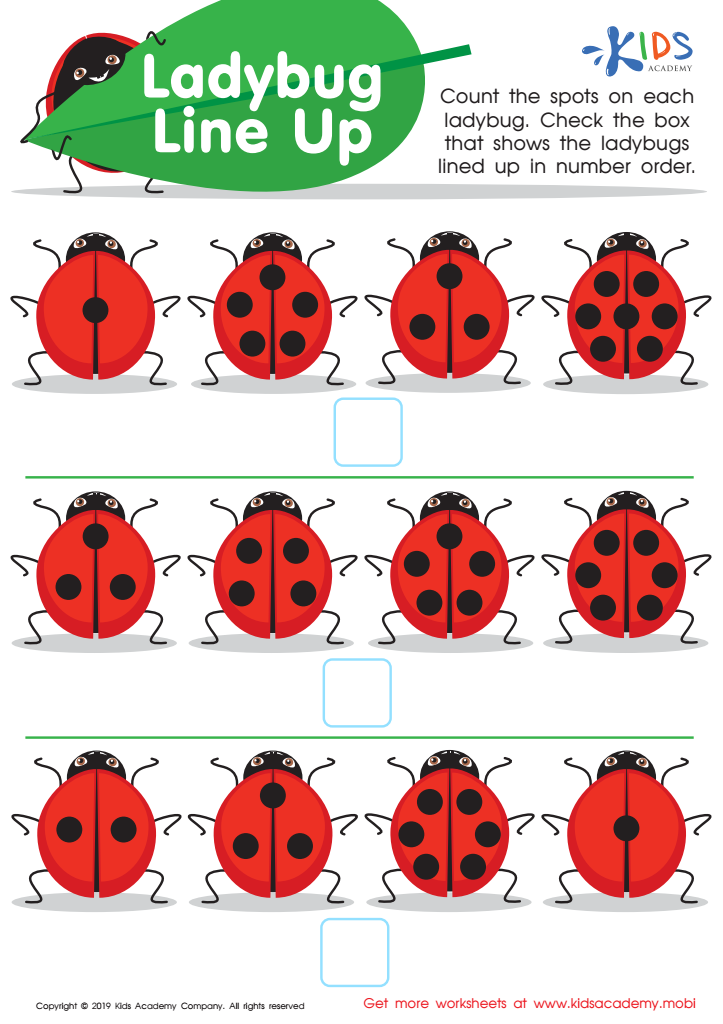
Ladybug Line Up Worksheet
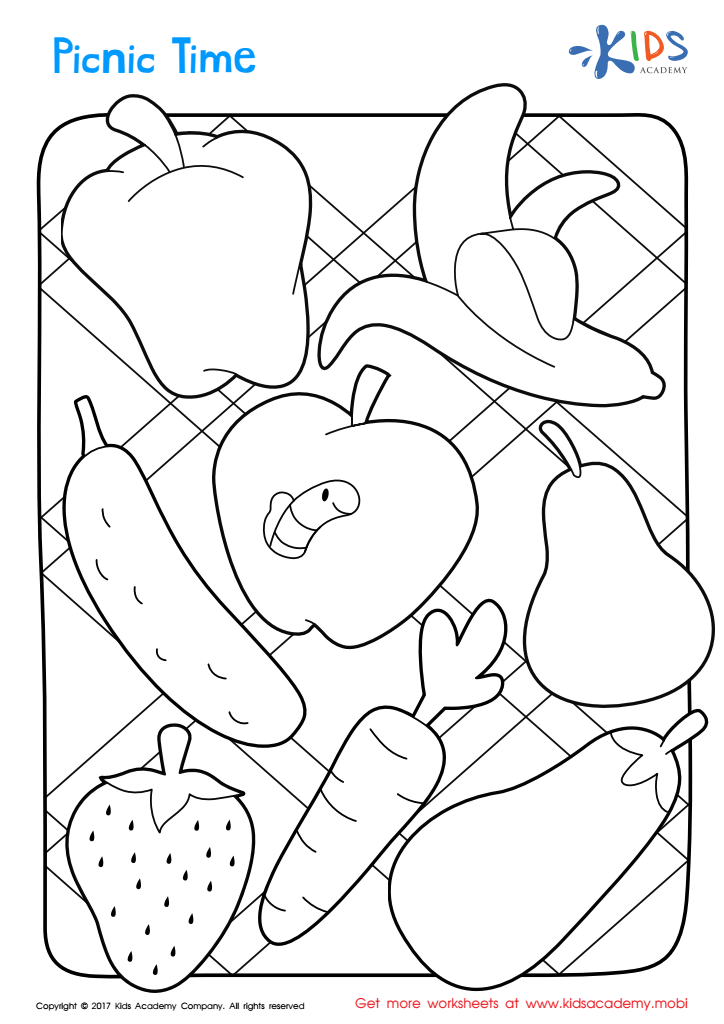
Picnic Time Coloring Page
 Assign to My Students
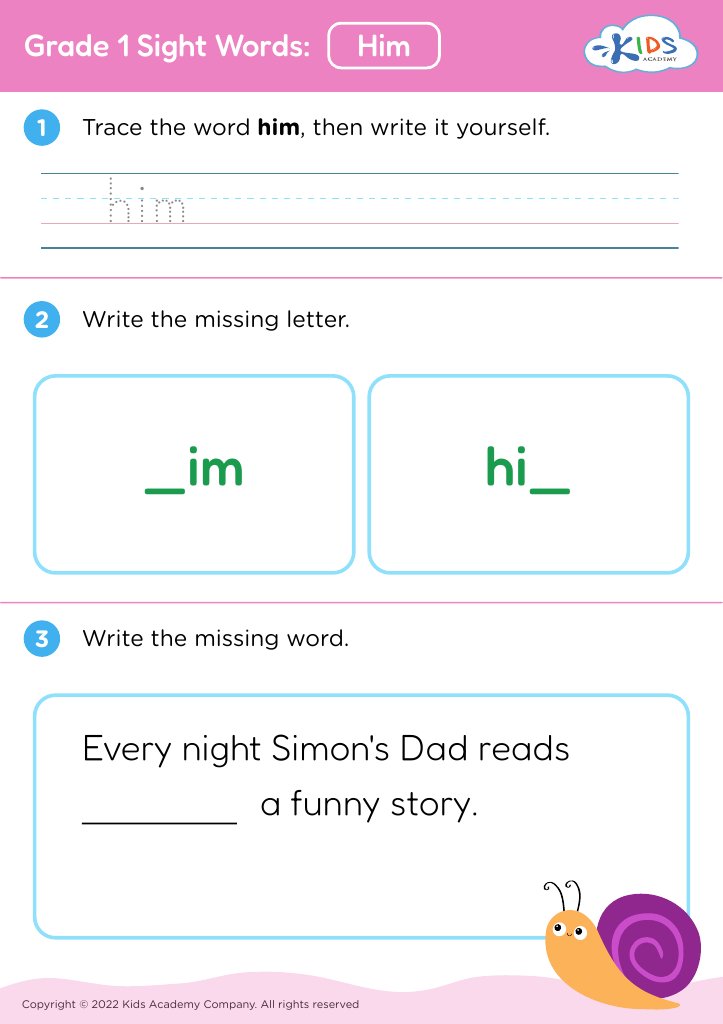
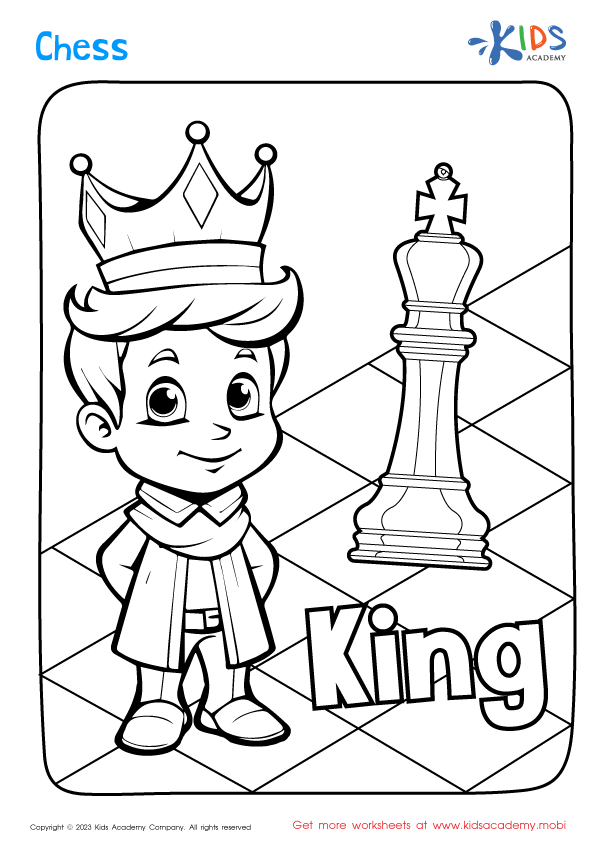








Motor skills development is crucial for children aged 5-8, as it lays the foundation for their overall growth, learning, and daily activities. During this period, children refine their gross motor skills—like running, jumping, and throwing—and fine motor skills, which involve hand-eye coordination and manipulation tasks such as writing or using scissors.
Parents and teachers should recognize that strong motor skills are directly linked to academic success. For instance, writing requires fine motor control, while participating in physical education and recess enhances social interactions and teamwork skills. Children with well-developed motor skills are more likely to engage confidently in activities, leading to positive self-esteem and resilience.
Moreover, motor skill development promotes physical health and encourages active lifestyles. Engaging in play and varied activities helps children develop coordination, balance, and strength, countering rising concerns about sedentary behavior and obesity.
Supporting motor skills also aids cognitive development; many skills learned through physical activity enhance concentration and problem-solving abilities. By prioritizing motor skills development, parents and teachers not only enhance children’s physical capabilities but also contribute to their emotional, social, and cognitive well-being, preparing them for the challenges of school and life ahead.








