Number Recognition Worksheets for Ages 5-8 - Page 36
848 filtered results
-
From - To
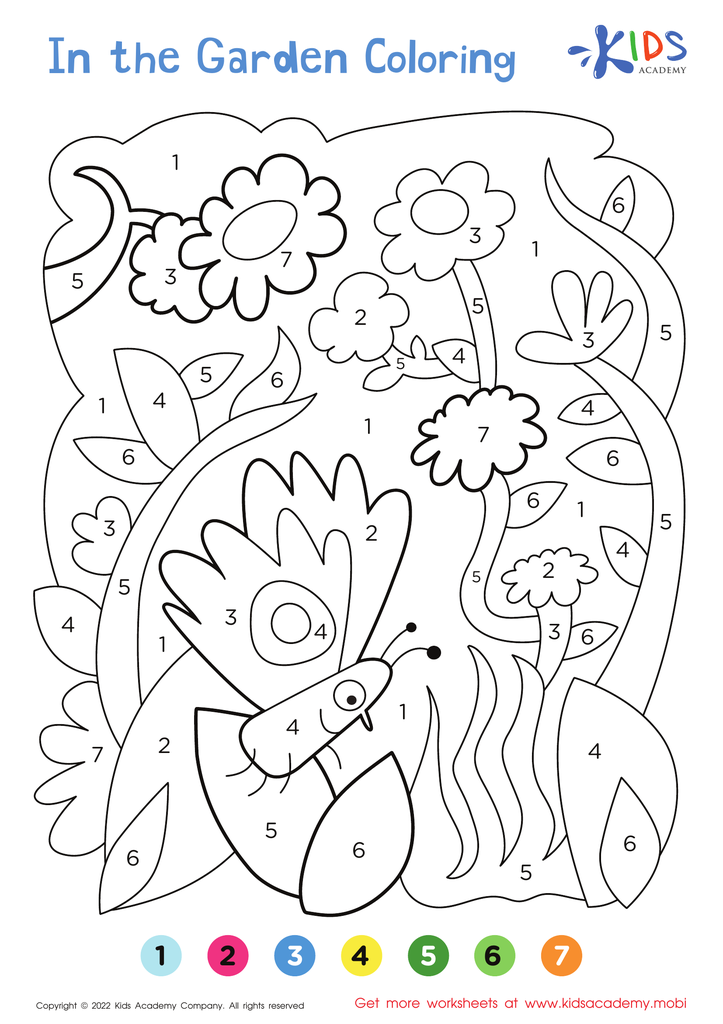
In the Garden – Coloring by Numbers








Number recognition is a fundamental skill that plays a crucial role in early childhood education for ages 5-8. Parents and teachers should prioritize this skill because it serves as the building block for all future mathematical learning. Recognizing numbers enables children to understand quantities, engage in basic arithmetic, and develop problem-solving skills, which are essential for their academic growth.
Furthermore, number recognition enhances cognitive development and boosts self-confidence. Children learn to associate numbers with real-world concepts, such as counting objects or telling time, fostering a sense of independence and competence. This cognitive understanding is essential for supporting literacy skills as well since many aspects of reading comprehension rely on an understanding of numerical information.
Additionally, early exposure to number recognition helps instill a positive attitude toward math. Children who feel confident with numbers are more likely to embrace challenges in mathematics later on. This early foundation influences attitudes toward STEM subjects, often carrying into their educational journeys and shaping future career possibilities.
In summary, prioritizing number recognition between ages 5-8 equips children with essential skills for life, promotes cognitive growth, and lays the groundwork for future academic success in mathematics and beyond.








