Reinforce math concepts Worksheets for Ages 5-8
3 filtered results
-
From - To
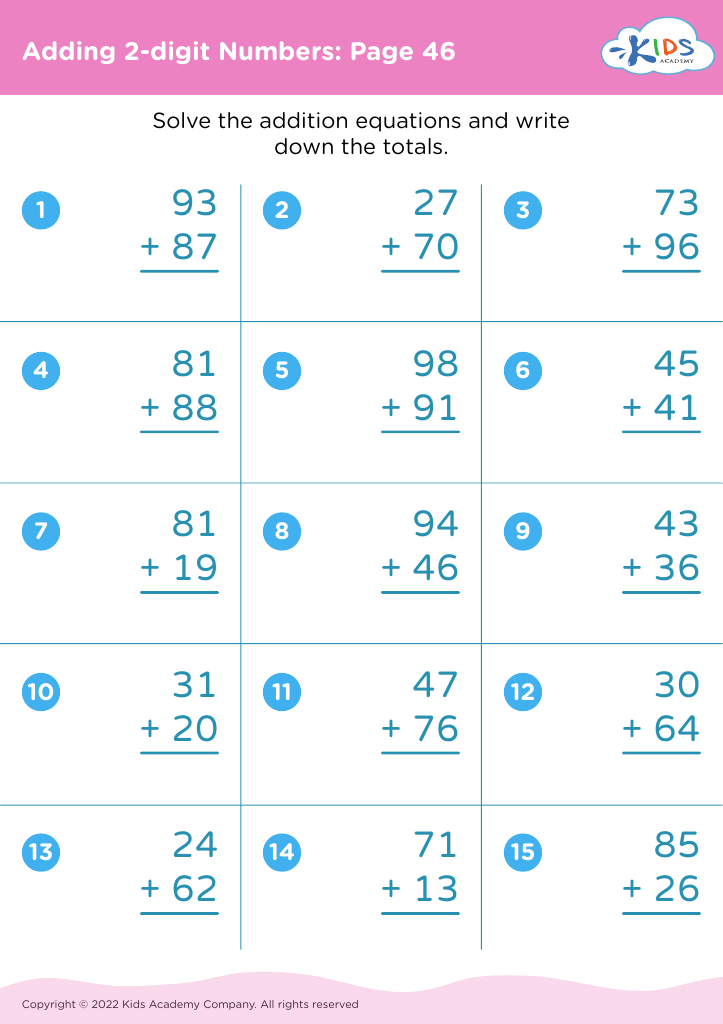
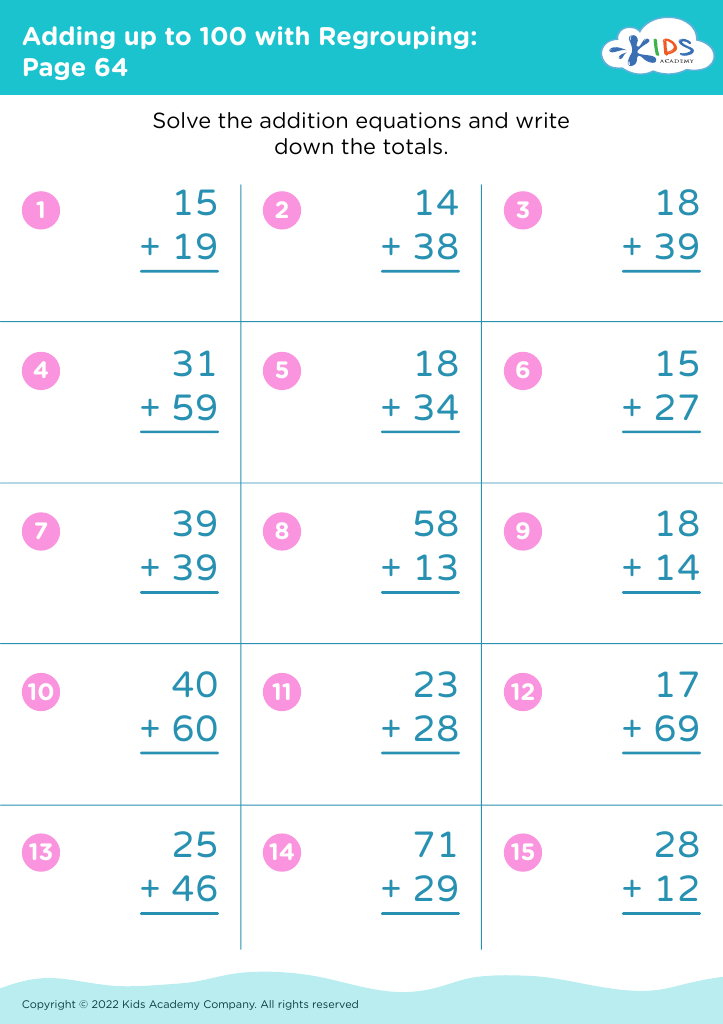
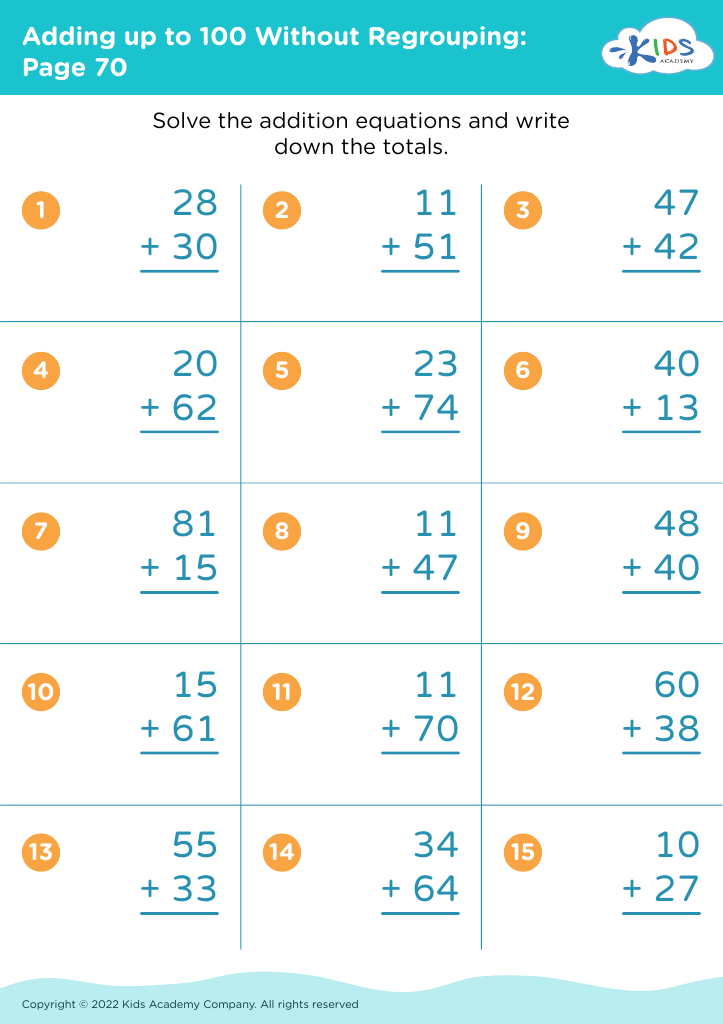
Boost your child's math skills with our specially designed Reinforce Math Concepts Worksheets for Ages 5-8! These engaging, printable worksheets cover essential topics like addition, subtraction, shapes, and counting, making learning enjoyable and effective. Perfect for young learners, each worksheet is curated to enhance understanding and retention of fundamental math concepts through interactive activities that stimulate curiosity. Whether used at home or in the classroom, these resources aim to build a solid mathematical foundation, ensuring academic success and fostering a love for numbers at an early age. Explore our collection today and watch your child's confidence grow!



.jpg)



Ensuring that children ages 5-8 grasp fundamental math concepts is crucial for several key reasons. Firstly, math is foundational; understanding basic principles like numbers, counting, and simple operations sets the stage for tackling more complex topics in later years. Without a strong foundation, children may struggle and become frustrated as they advance in their education.
Early math skills also correlate closely with academic success. Research indicates that numerical proficiency in early grades is a strong predictor of later achievement, not just in mathematics, but across all subjects. Strengthening these skills reinforces cognitive processes, such as problem-solving, logical reasoning, and critical thinking, which are essential for academic and real-life challenges.
Beyond academics, early math helps children develop important daily life skills. Simple tasks, like telling time, measuring ingredients for a recipe, or even understanding money, require a basic understanding of numbers and arithmetic.
Finally, success in early math promotes confidence and a positive attitude towards learning. Encouragement and reinforcement from parents and teachers can prevent math anxiety and create a lifelong appreciation for the subject. Active engagement through play and real-life problem-solving activities make math enjoyable and relatable, further rooting these essential skills in young minds. Altogether, nurturing early math skills is an investment in a child's all-around development and future success.








