Spatial awareness Worksheets for Ages 5-8 - Page 3
57 filtered results
-
From - To
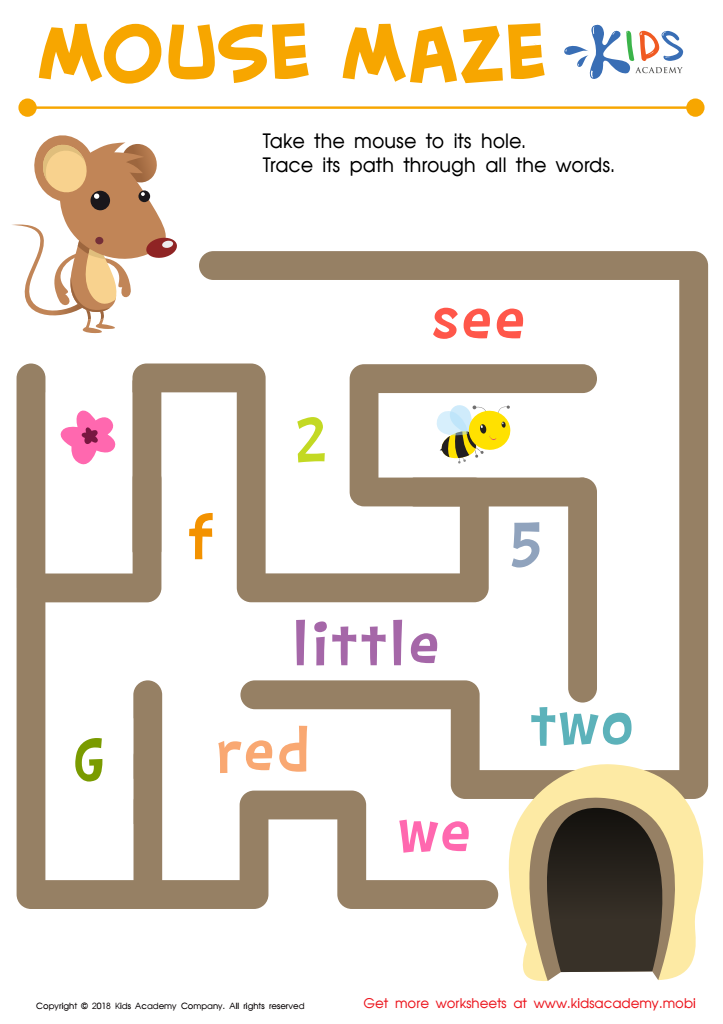
Find Words Mouse Maze Worksheet
 Assign to My Students
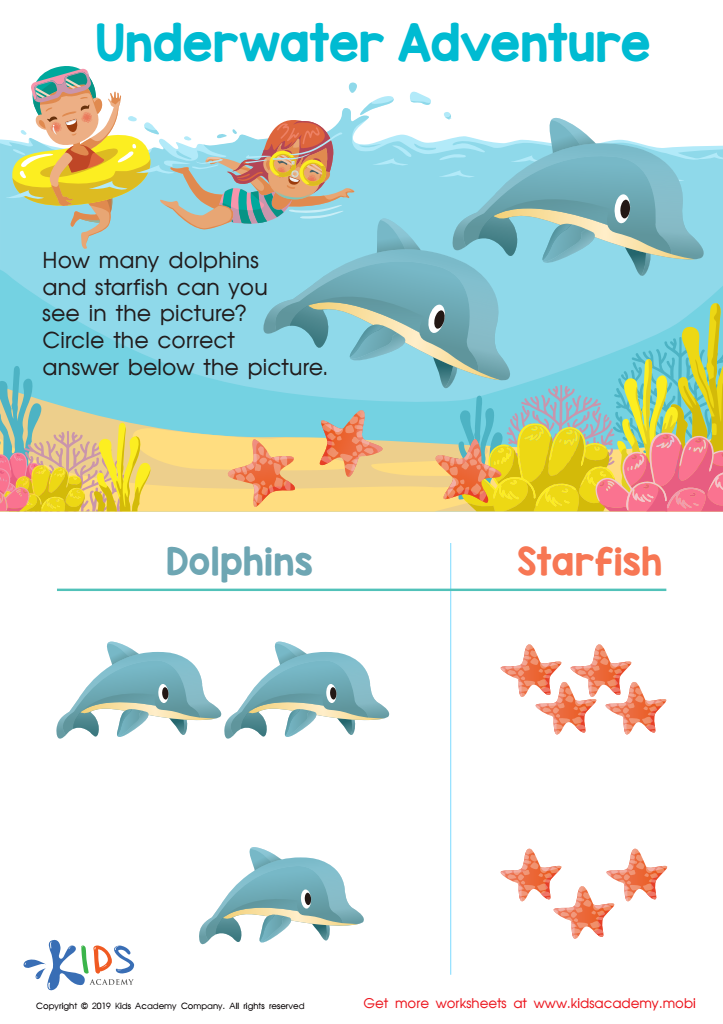
Underwater Adventure Worksheet
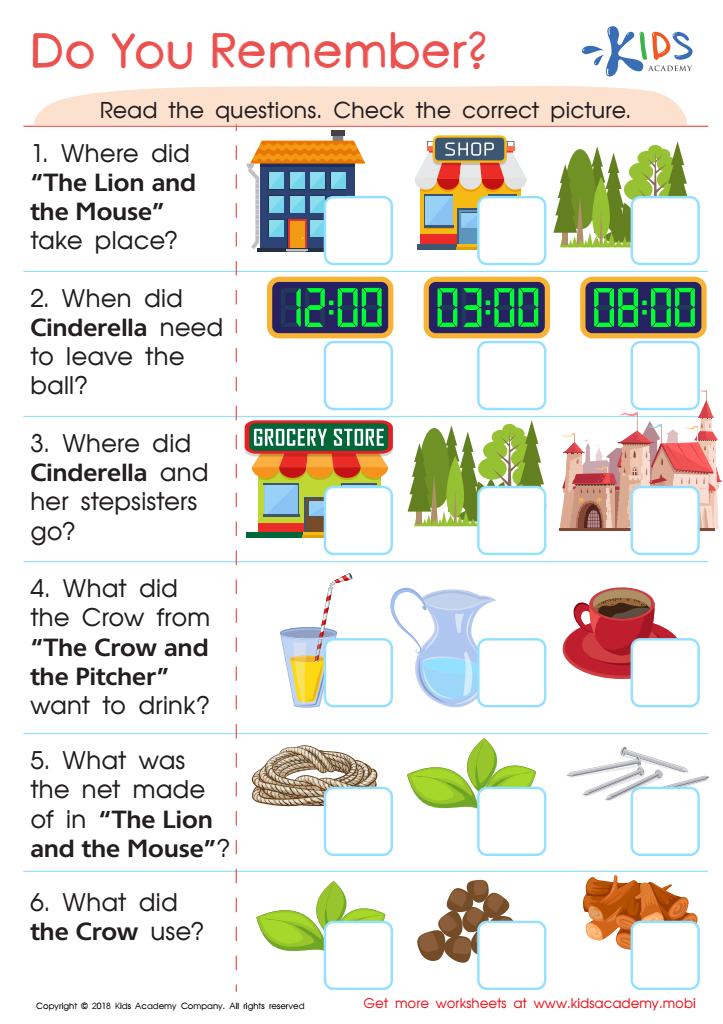
Do You Remember? Worksheet
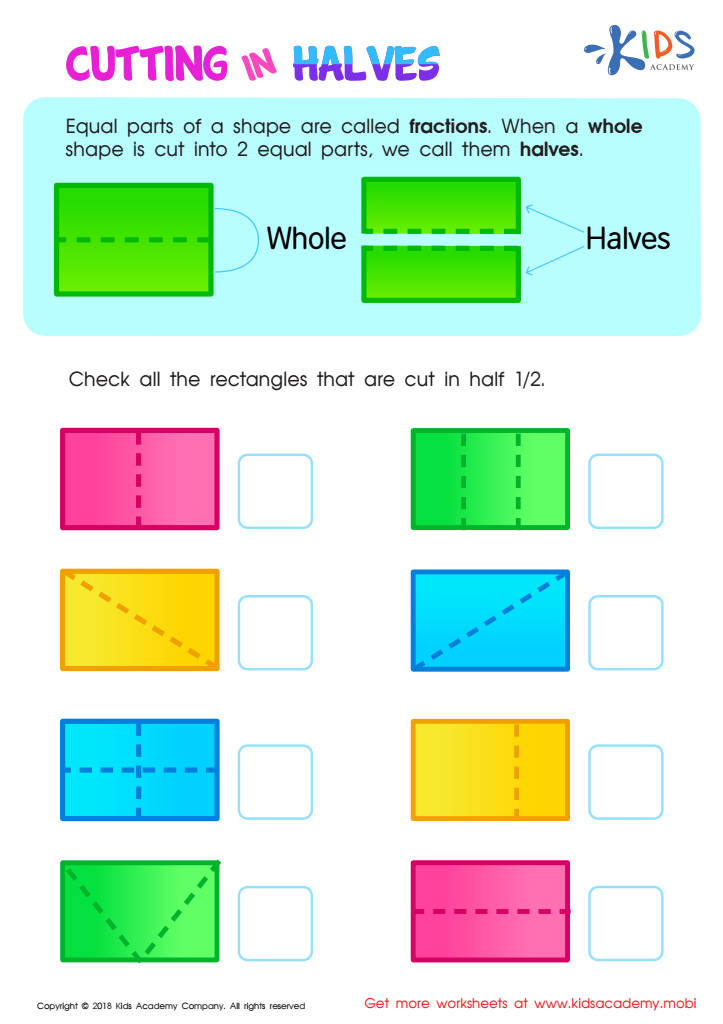
Cutting in Halves Worksheet
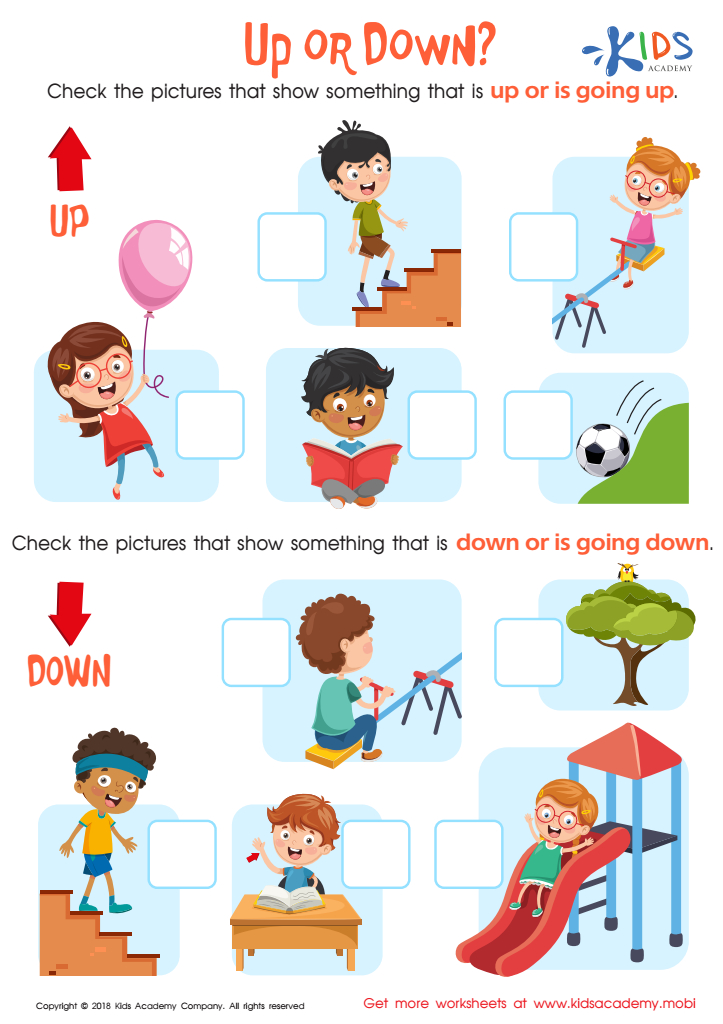
Up or Down Worksheet
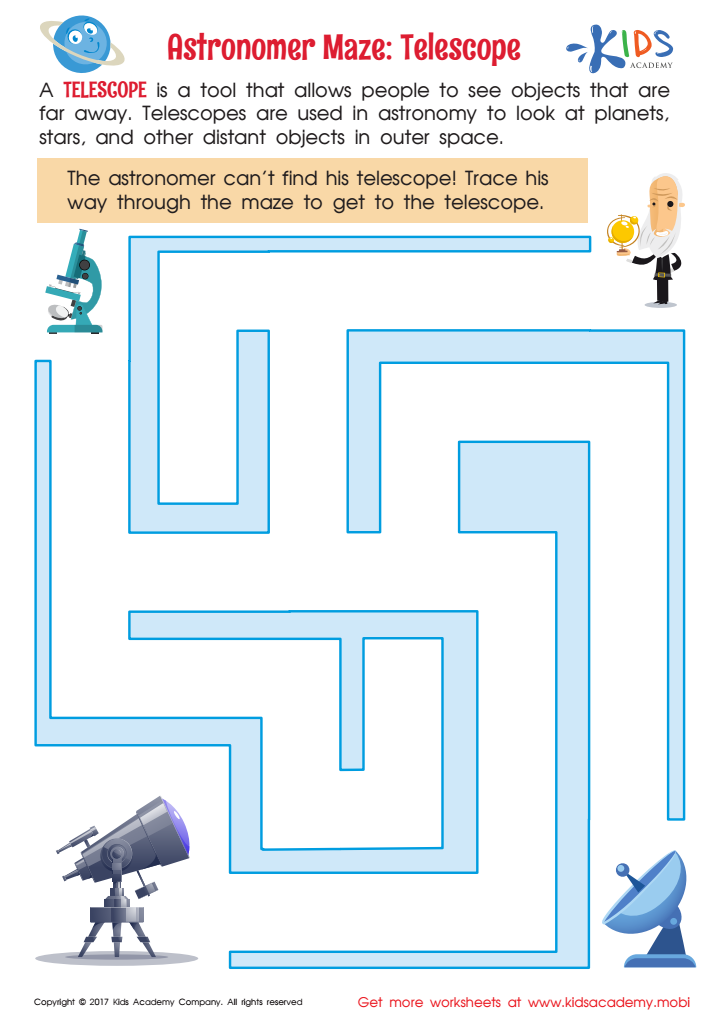
Astronomer Maze: Telescope Worksheet
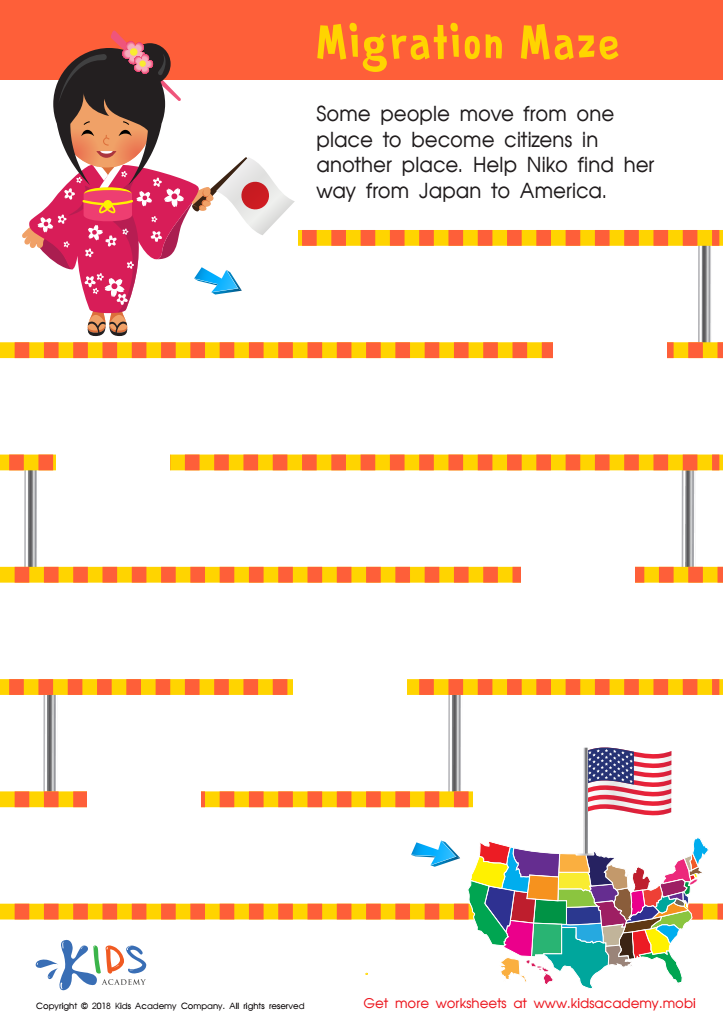
Migration Maze Worksheet
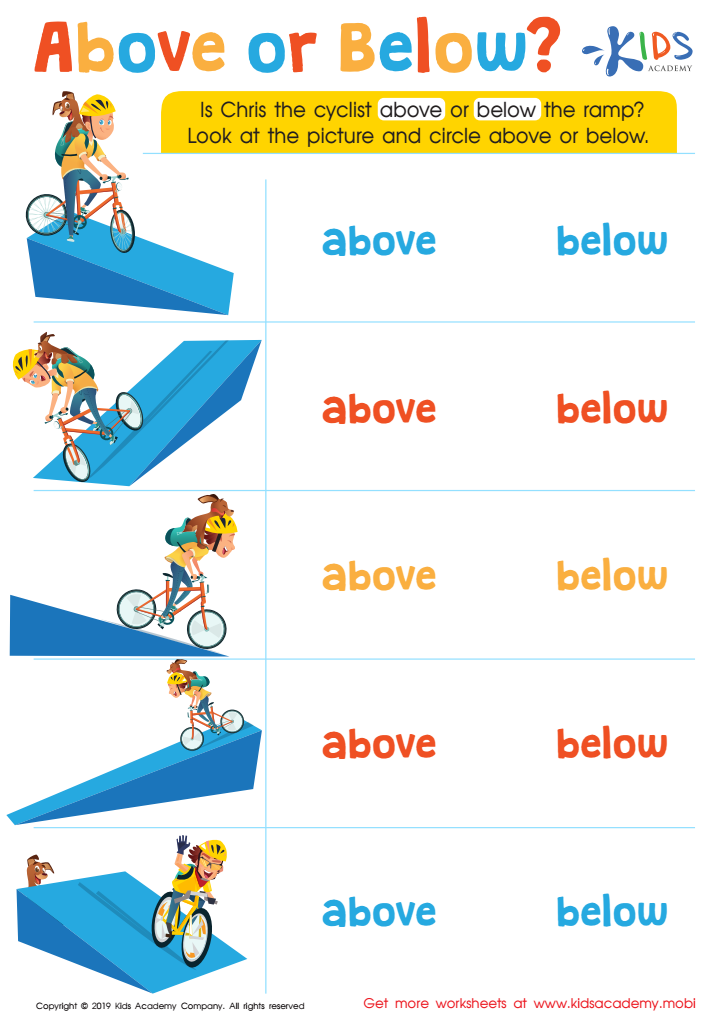
Above or Below? Worksheet








Spatial awareness is a vital skill for children aged 5-8, as it serves as the foundation for various cognitive and physical abilities they will need throughout their lives. This skill helps children understand their relationship to the space around them, leading to better navigation, coordination, and motor skills. For parents and teachers, fostering spatial awareness can enhance learning experiences, as it supports critical thinking, problem-solving, and creativity.
During this age, children engage in activities like drawing, building with blocks, and playing games that develop their spatial perception. Encouraging these activities not only boosts confidence but also improves their ability to visualize and manipulate objects in their minds, essential for mathematical and scientific understanding in later grades.
Moreover, spatial awareness is linked to social skills—children learn to navigate spaces with peers, understand personal boundaries, and develop teamwork in group activities. In a world that increasingly relies on technology and structured environments, fostering spatial awareness nurtures well-rounded individuals capable of thriving academically, socially, and emotionally. By paying attention to this critical skill, parents and teachers can better equip children for future success in various domains of life.








