Understanding numeracy Worksheets for Ages 5-8
4 filtered results
-
From - To
Discover our "Understanding Numeracy" worksheets designed specifically for children aged 5-8. These engaging and educational printable materials offer an interactive approach to learning fundamental math concepts. They cover counting, basic arithmetic, number recognition, and patterns, enhancing young learners' numeracy skills in a fun, accessible way. Our worksheets are crafted to align with school curriculums, making them the perfect resource for reinforcing classroom lessons at home. Through colorful illustrations and exciting activities, children will build a solid foundation in mathematics, developing confidence and a love for numbers. Dive into numeracy with our expertly designed worksheets today!
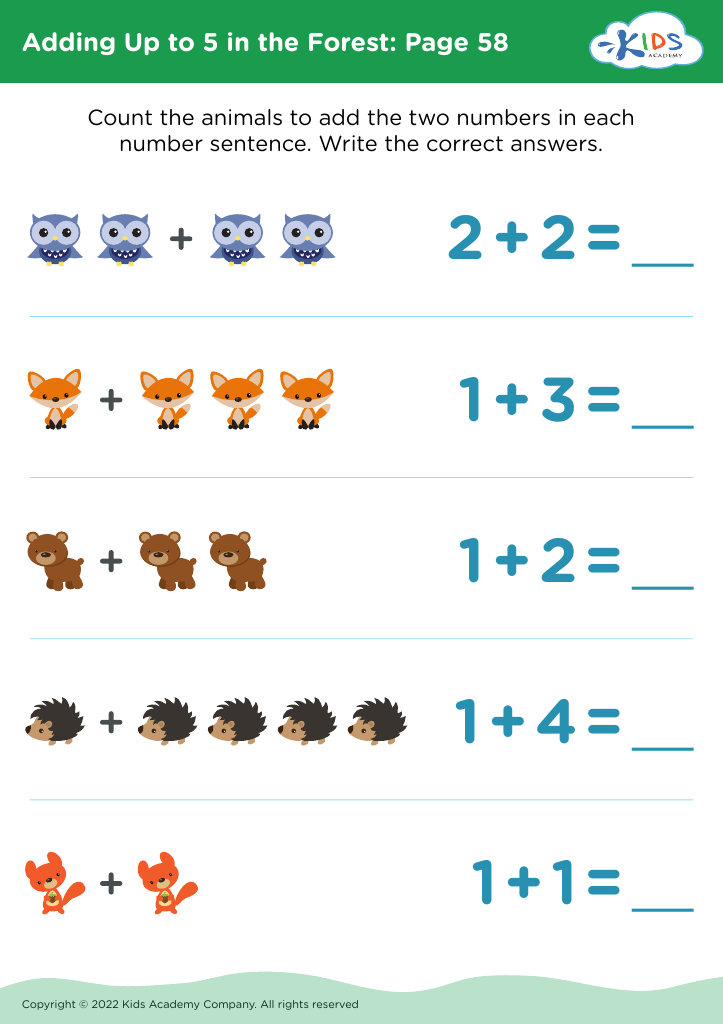
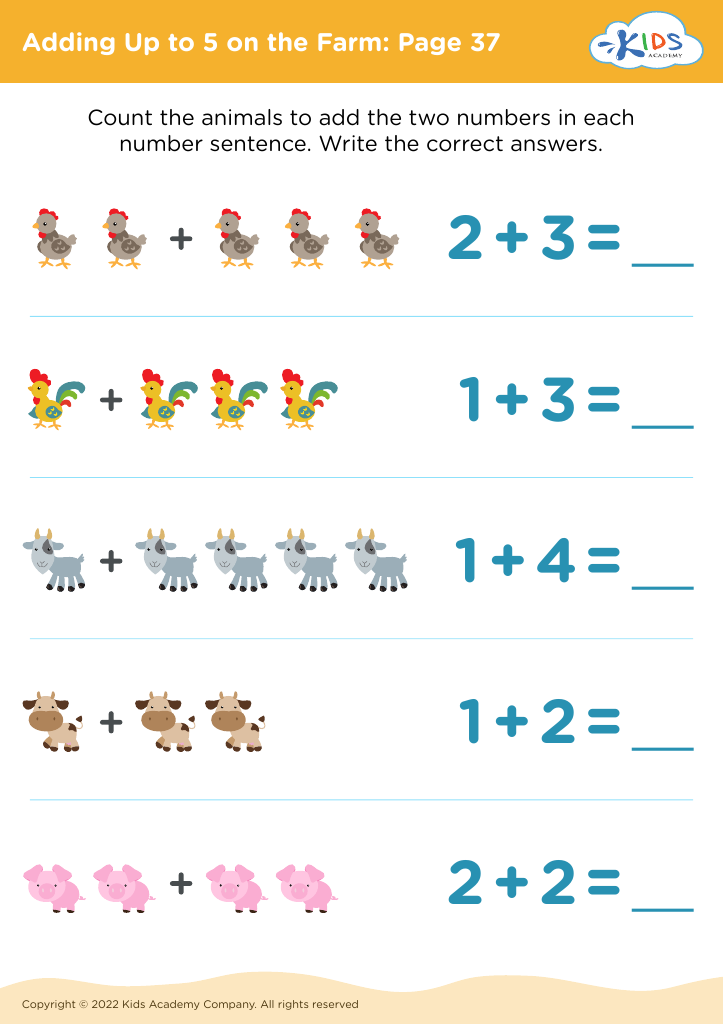
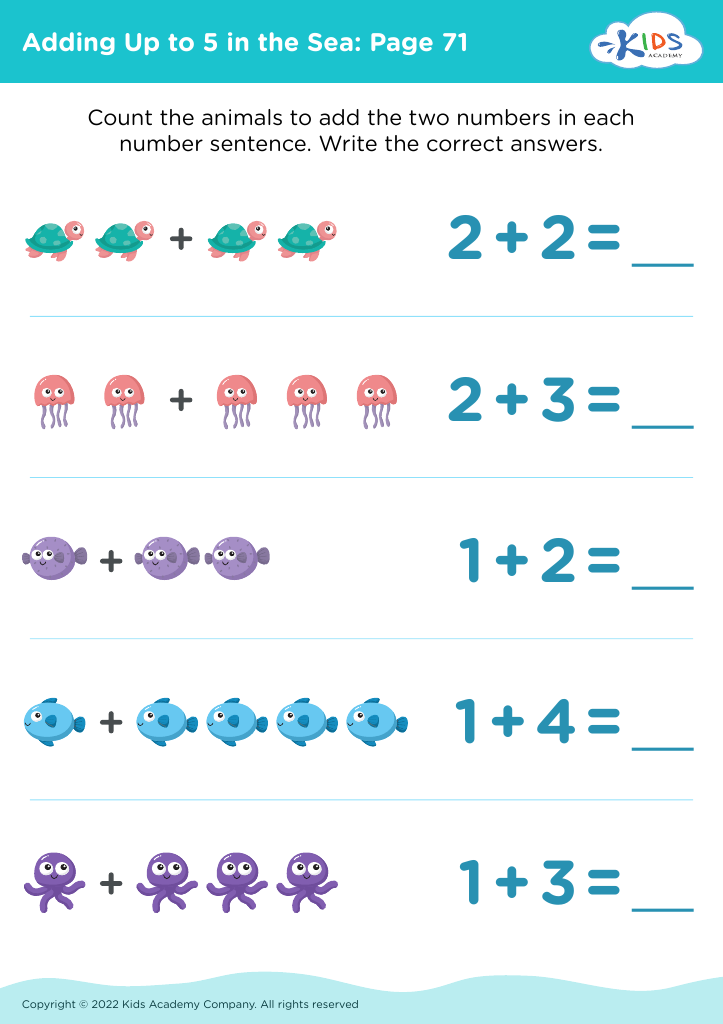
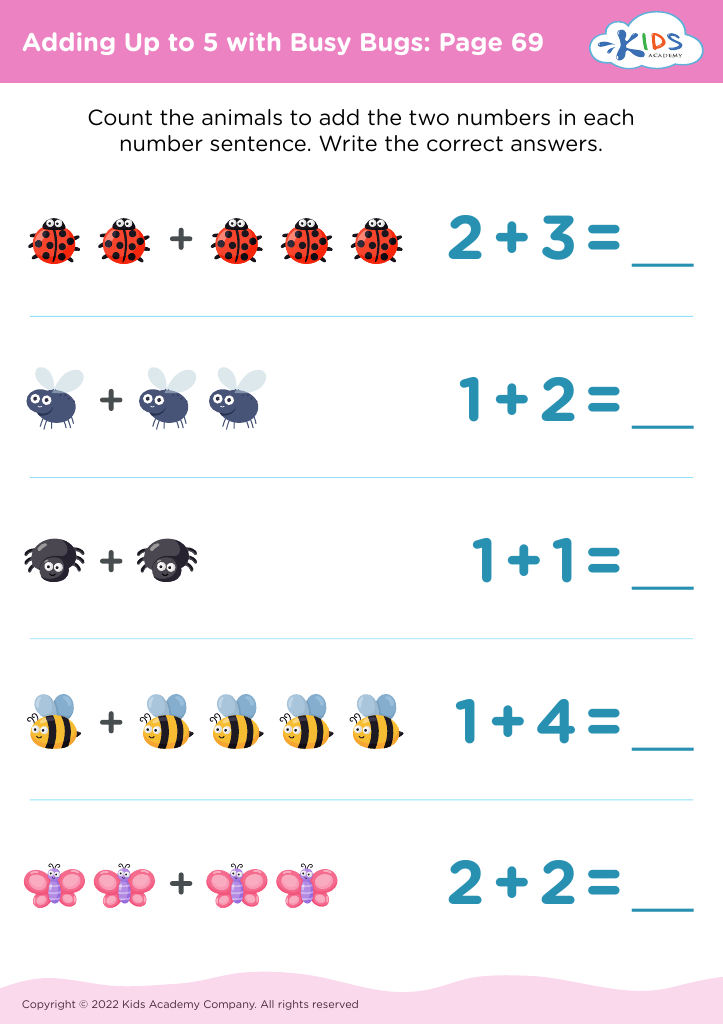







Understanding numeracy is fundamental for children aged 5-8 because it forms the cornerstone of their future academic and daily life skills. Numeracy isn't just about learning to count; it encompasses a wide array of cognitive skills such as understanding numbers, recognizing patterns, and solving basic problems. These skills help children make sense of the world around them and are essential for future subjects like science, technology, and even literacy.
For parents and teachers, fostering a strong foundation in numeracy during these early years is crucial. It's during this period that kids are most receptive to learning new concepts. Positive early experiences with numbers can boost their confidence and form a positive attitude toward more complex math later. If numeracy is neglected, gaps in understanding can develop, leading to difficulties in school and daily life. For example, a poor grasp of basic math can make even tasks like time management and budgeting challenging as children grow.
Moreover, numeracy skills encourage logical thinking and problem-solving abilities, which are transferable to almost every aspect of life. By prioritizing numeracy, parents and teachers are setting up children not just for academic success, but for overall cognitive development and practical life competence.








