Understanding patterns Worksheets for Ages 5-8 - Page 3
61 filtered results
-
From - To
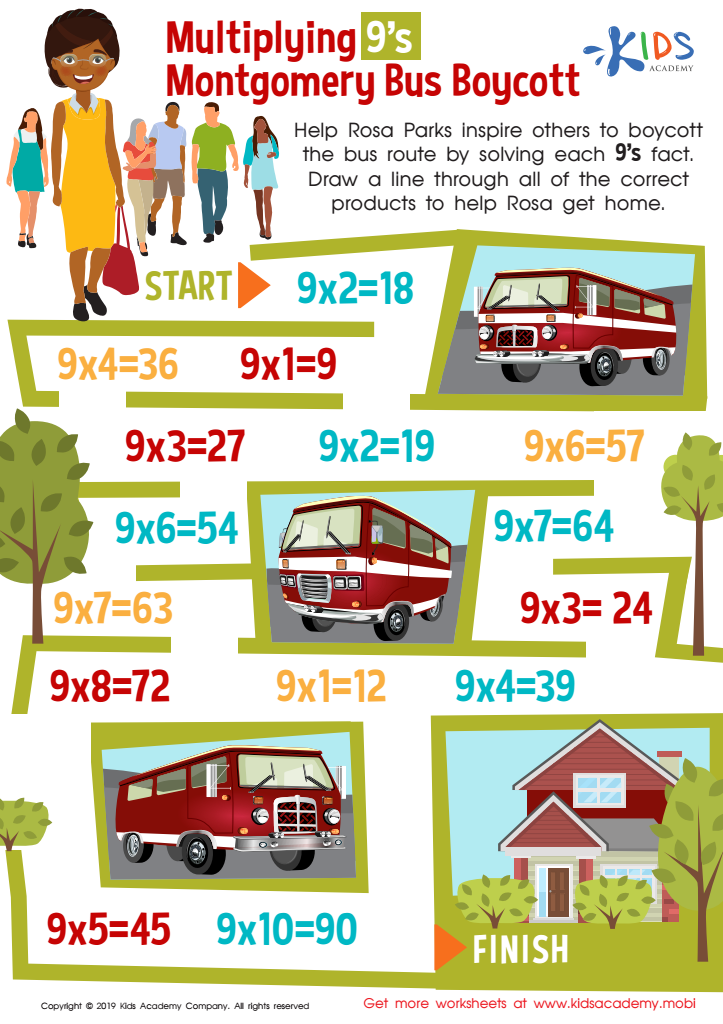
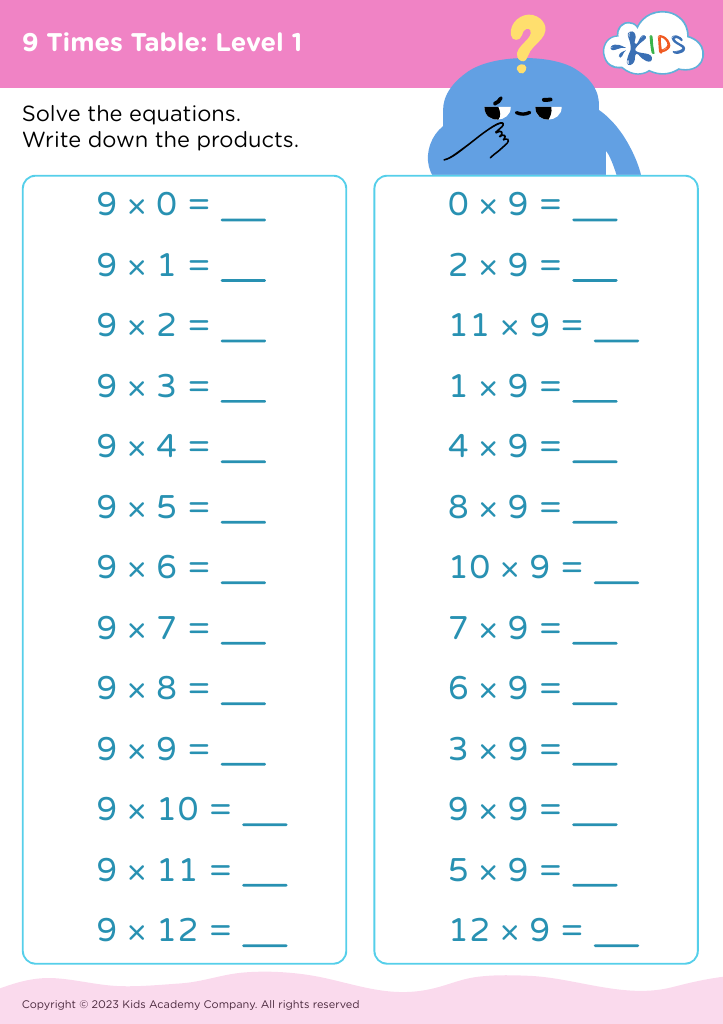
Multiplying 9’s Montgomery Bus Boycott Worksheet
 Assign to My Students





.jpg)

Understanding patterns is fundamental for children ages 5-8 because it helps develop essential cognitive skills such as critical thinking, problem-solving, and logical reasoning. When young children recognize and predict patterns, they enhance their ability to make connections across different subjects, fostering a deeper understanding of how various concepts interrelate.
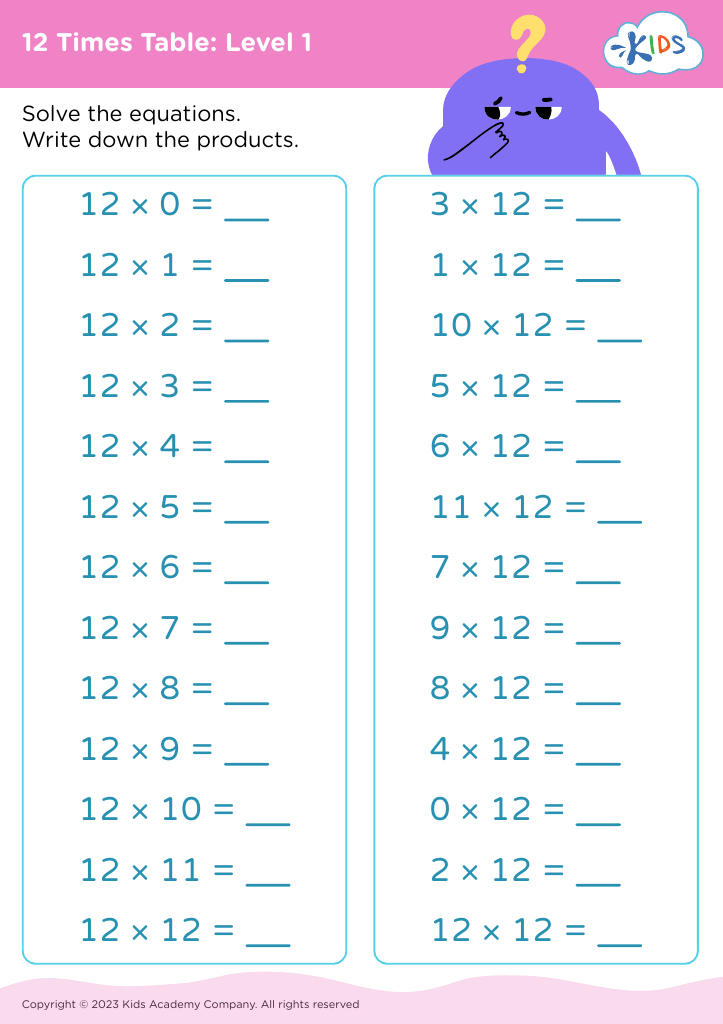
For parents and teachers, nurturing this skill is crucial as it lays the groundwork for future learning in mathematics and science. Early exposure to patterns supports the development of number sense, a critical aspect of early math literacy, by allowing children to see and understand sequences and relationships between numbers. This foundational knowledge is important for tackling more complex mathematical concepts later on, such as addition, subtraction, multiplication, and division.
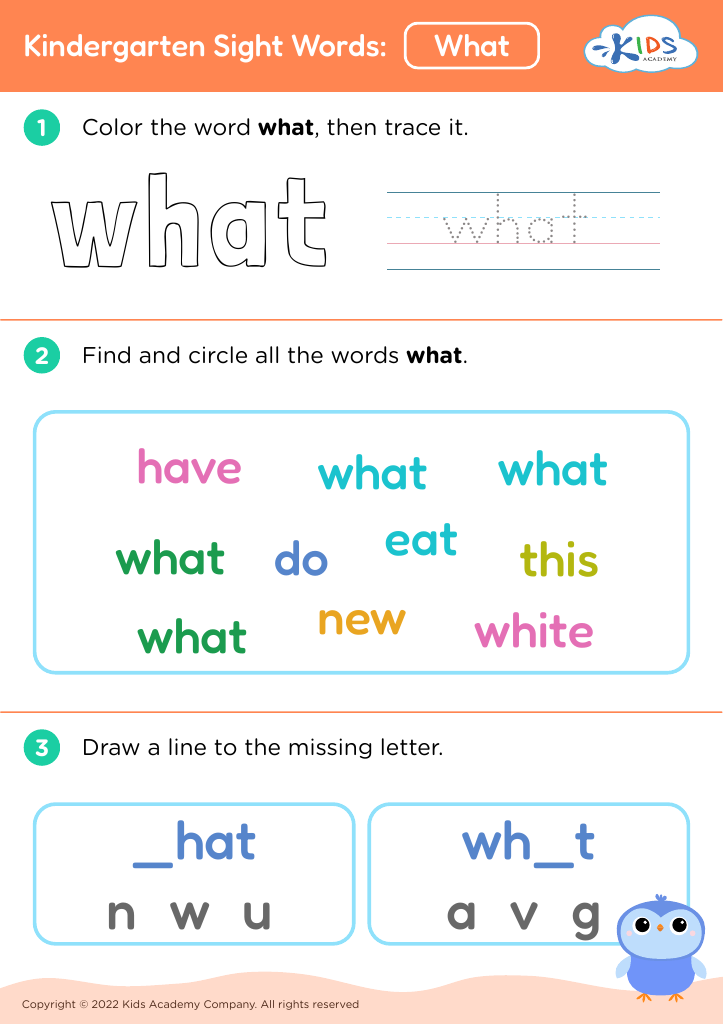
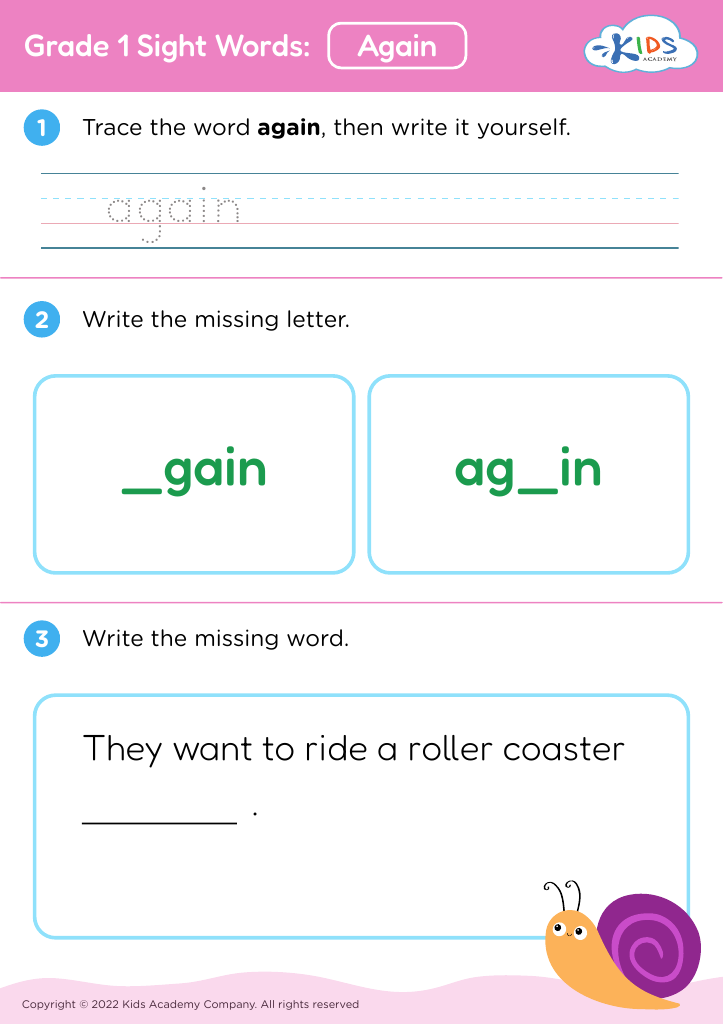
Patterns also play a significant role in reading and language development. Recognizing patterns in words and sentences can help improve spelling, reading fluency, and comprehension. For example, understanding phonetic patterns aids in decoding new words, while recognizing grammatical patterns assists in constructing sentences.
Additionally, engaging with patterns enhances creativity and provides a sense of predictability and order in a child’s learning environment, which can build confidence. Therefore, both parents and teachers should prioritize activities and lessons that emphasize pattern recognition to support holistic cognitive development and prepare children for advanced learning challenges.








