Understanding quantity Worksheets for Ages 5-8 - Page 2
31 filtered results
-
From - To
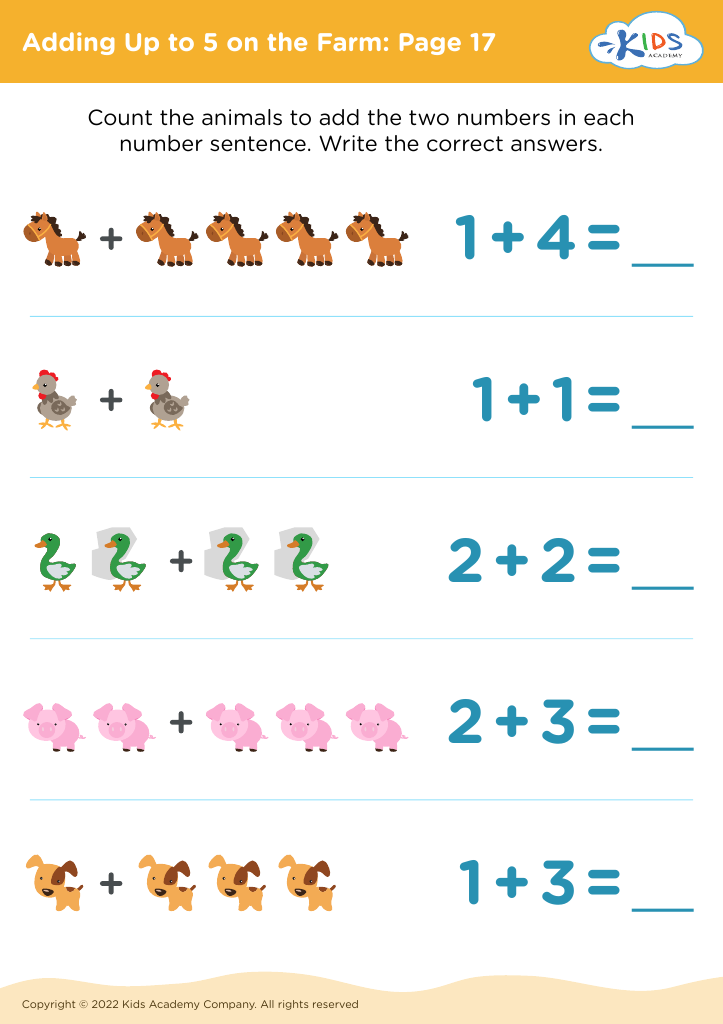
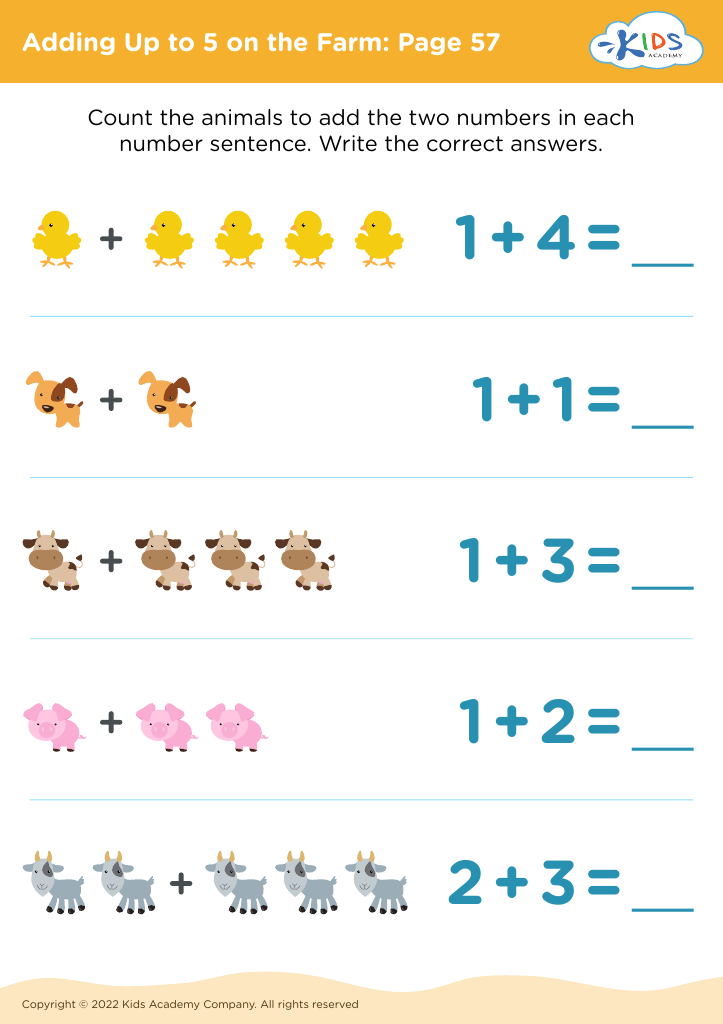
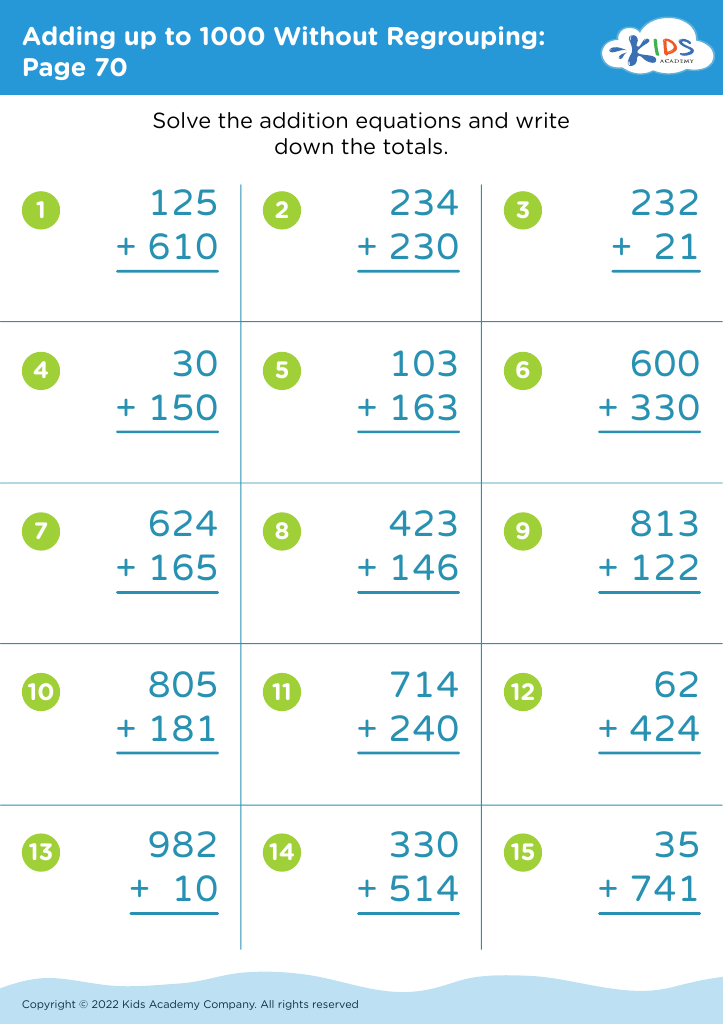
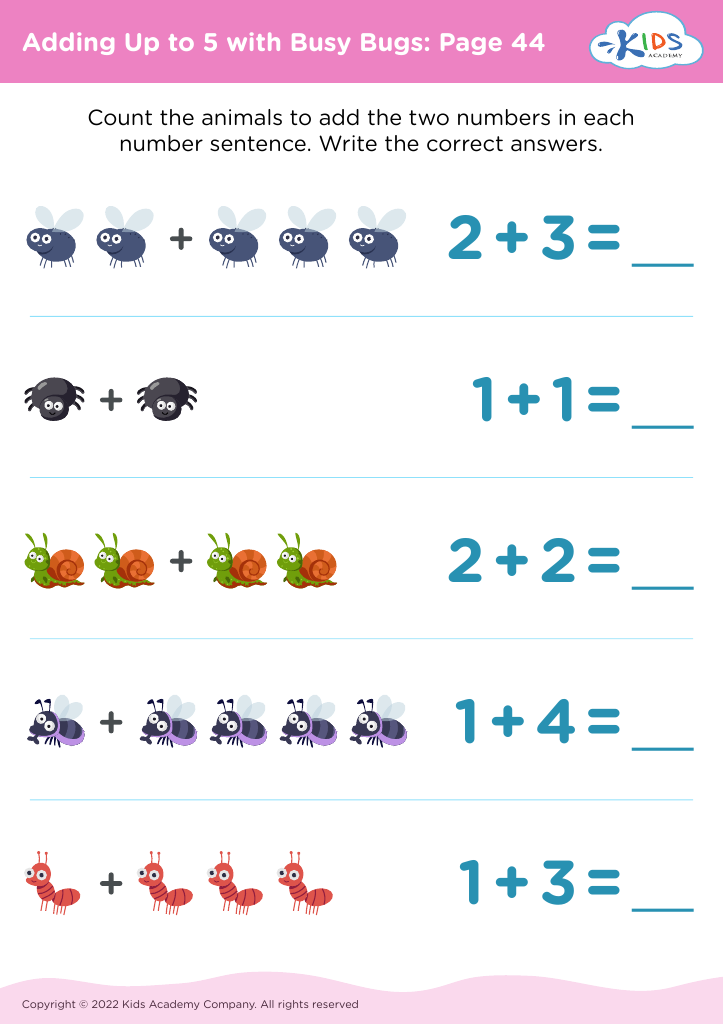
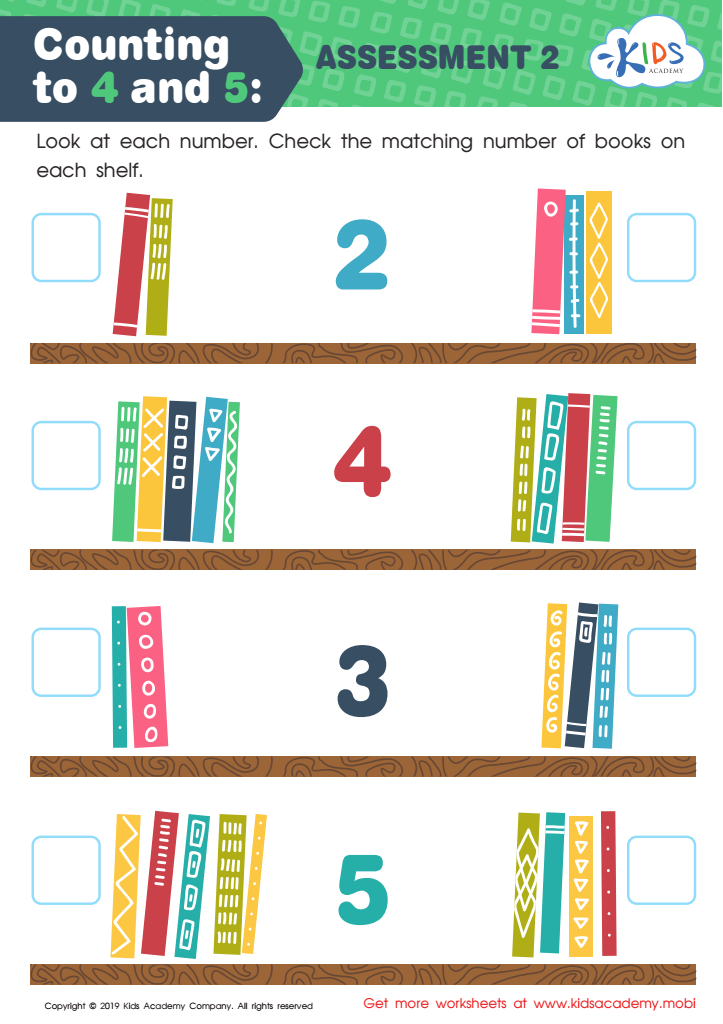
Counting to 4 and 5: Assessment 2 Worksheet
 Assign to My Students
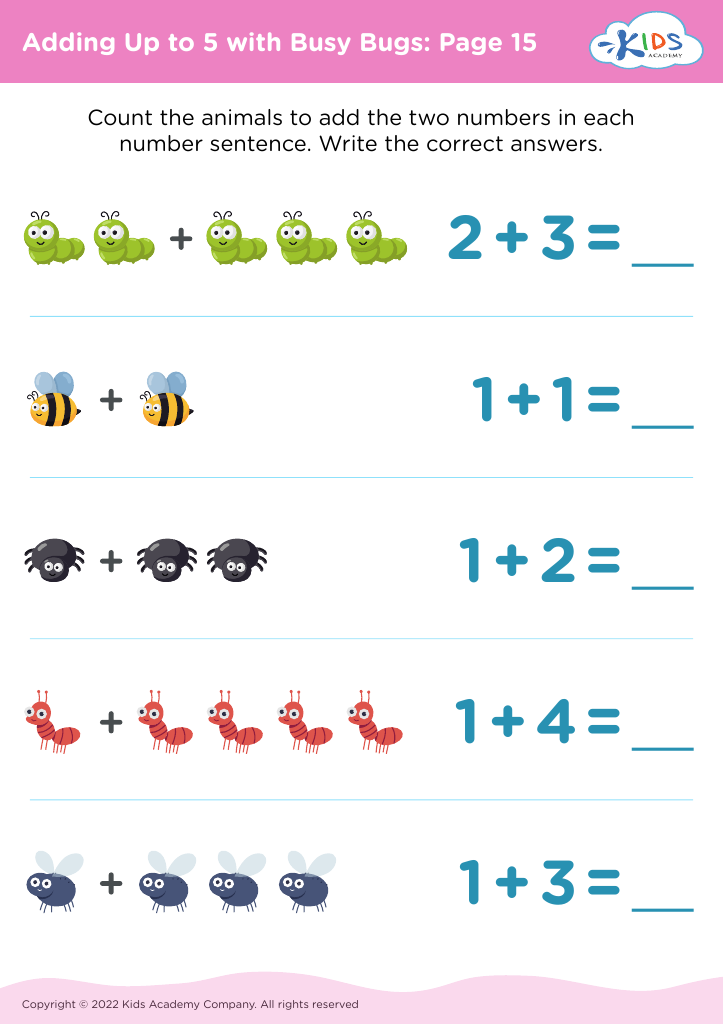
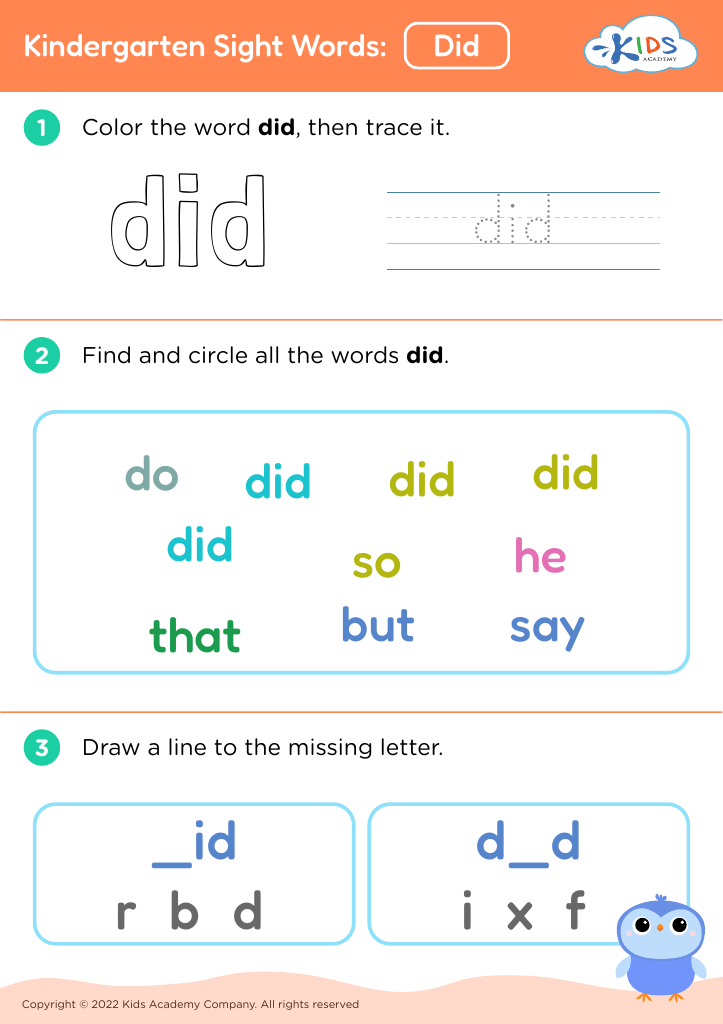








Understanding quantity is a foundational skill for children ages 5-8, serving as a critical building block for their future academic success. At this stage, children are developing their number sense, which involves recognizing numbers, counting, and grasping the concept of quantities. Parents and teachers should care about nurturing this understanding because it forms the basis for essential math skills used throughout their education and everyday life.
Grasping quantity helps children make sense of their environment and improves their problem-solving abilities. For instance, understanding the concept of “more” and “less” aids in comparisons, while recognizing patterns and relationships paves the way for more complex mathematical concepts, such as addition and subtraction.
Furthermore, competency in understanding quantity can boost a child's confidence and engagement in learning. When children feel secure in their ability to work with numbers, they are more likely to participate actively and enthusiastically in math-related activities. This positive attitude can drastically shape their academic trajectory. Lastly, as parents and teachers foster a rich mathematical environment that emphasizes quantity, they equip children with skills that facilitate logical reasoning and decision-making, essential not just in math but across all areas of their lives.








