Word Formation Worksheets for Ages 5-8
6 filtered results
-
From - To
Explore our engaging Word Formation Worksheets designed specifically for children aged 5-8! These fun and interactive worksheets help young learners develop essential language skills by fostering creativity and enhancing vocabulary. Children will enjoy activities focused on creating new words, understanding word structure, and mastering prefixes and suffixes. With colorful illustrations and stimulating exercises, our worksheets make learning enjoyable and effective. Perfect for classroom use or at-home practice, these resources support early literacy development and encourage a lifelong love for reading and writing. Discover the joy of word formation and watch your child's confidence soar with each completed worksheet!
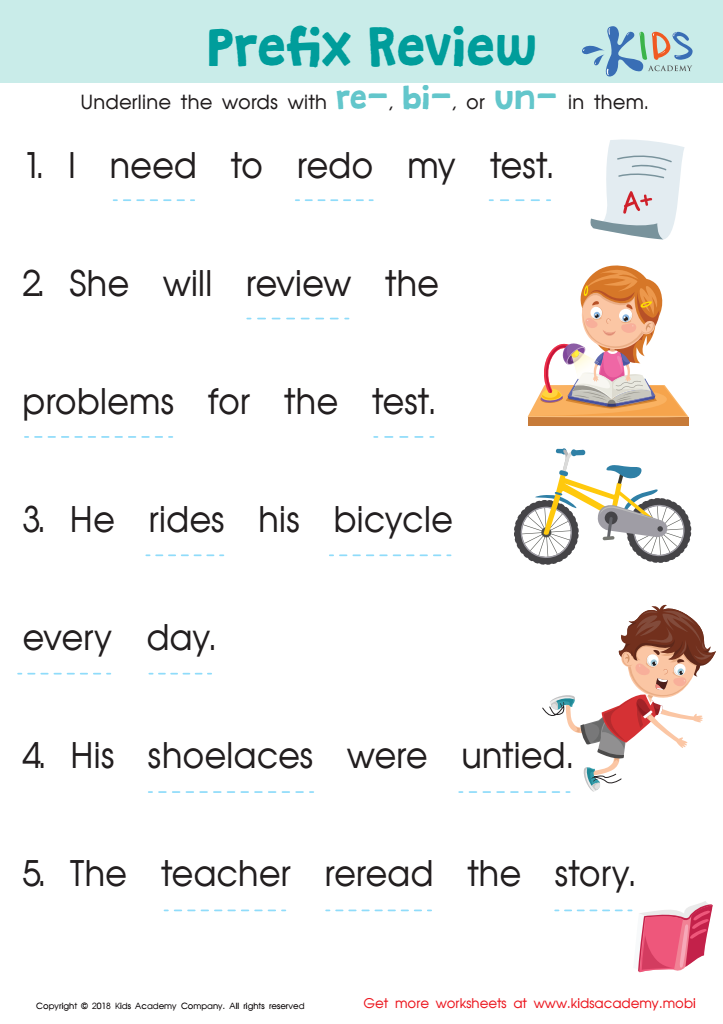
Prefix Review Worksheet
 Assign to My Students
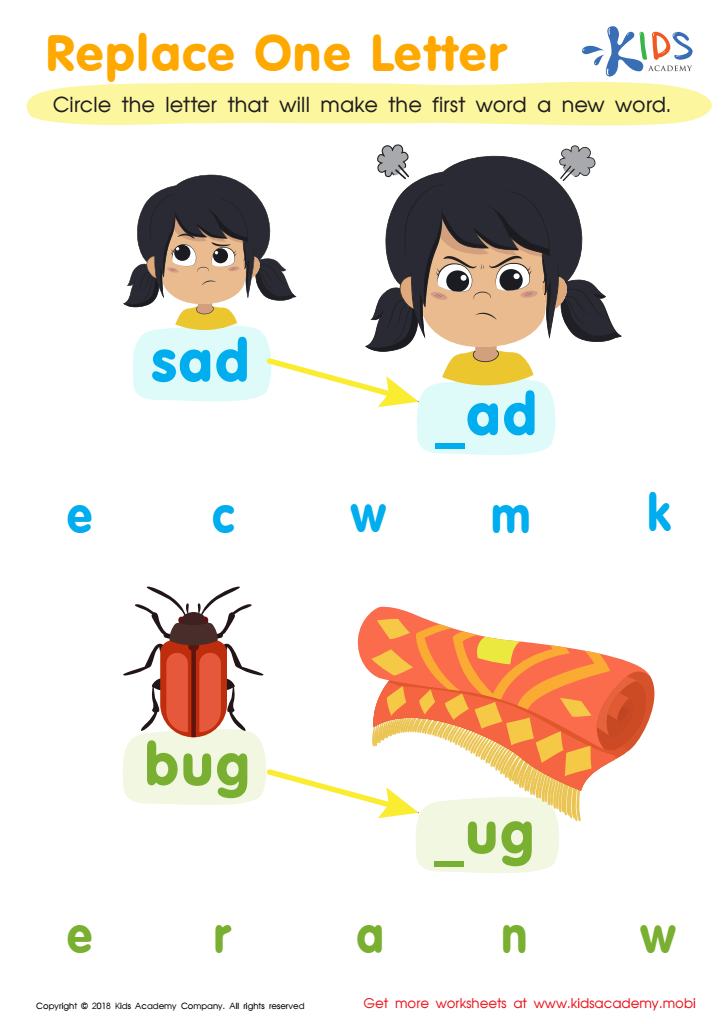
Replace One Letter Worksheet
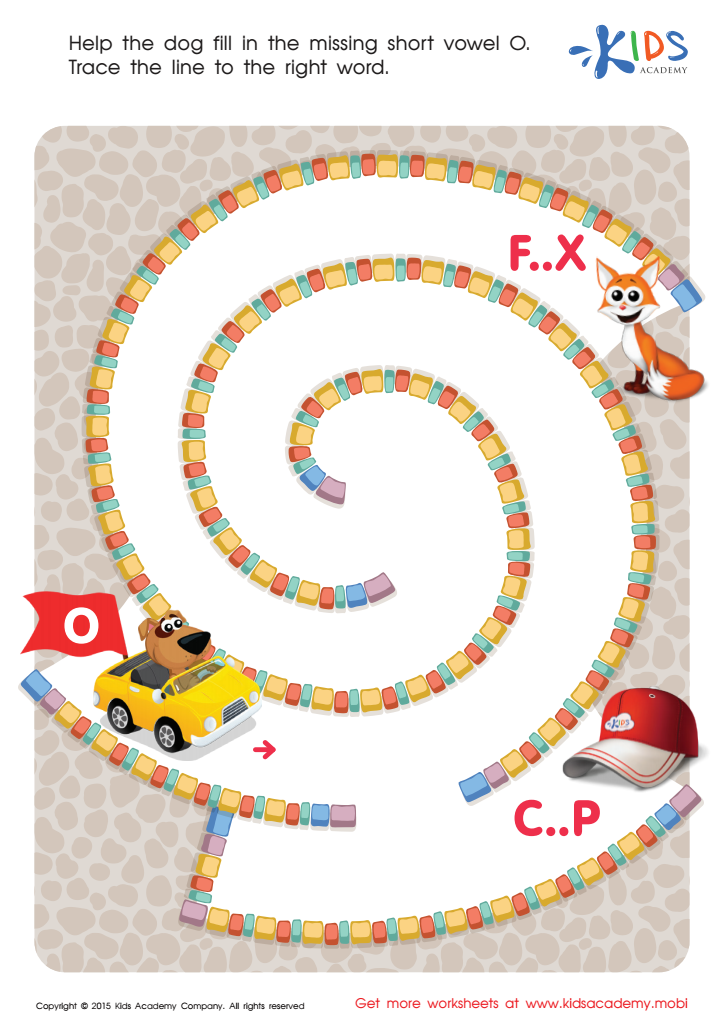
Short Vowel Sound O Worksheet
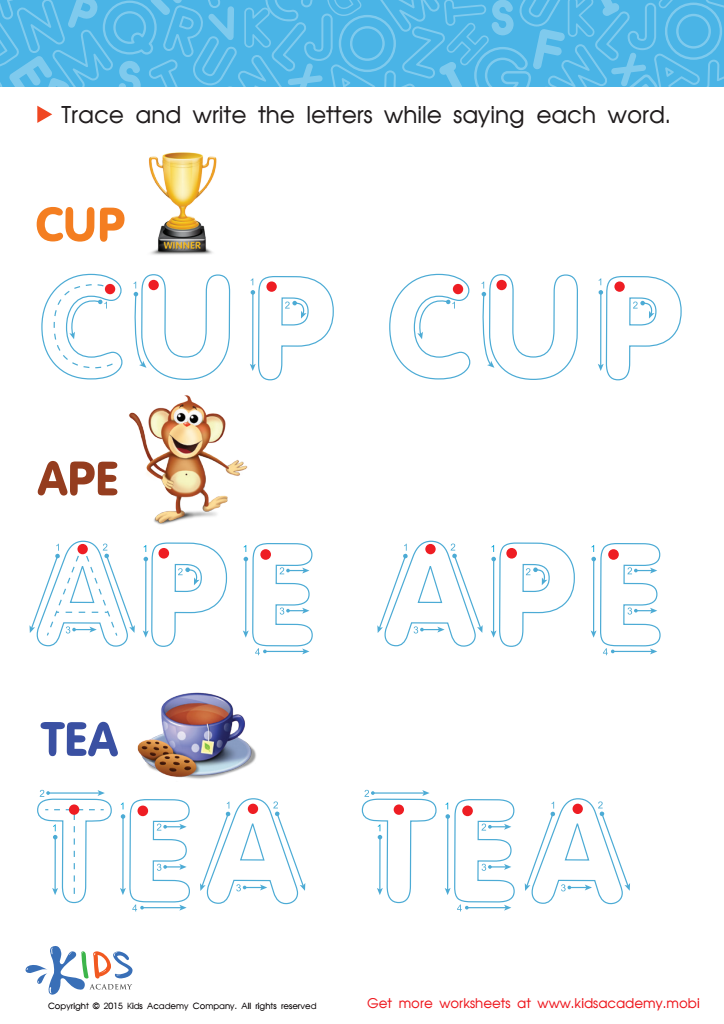
A Cup, an Ape and Tea Spelling Worksheet
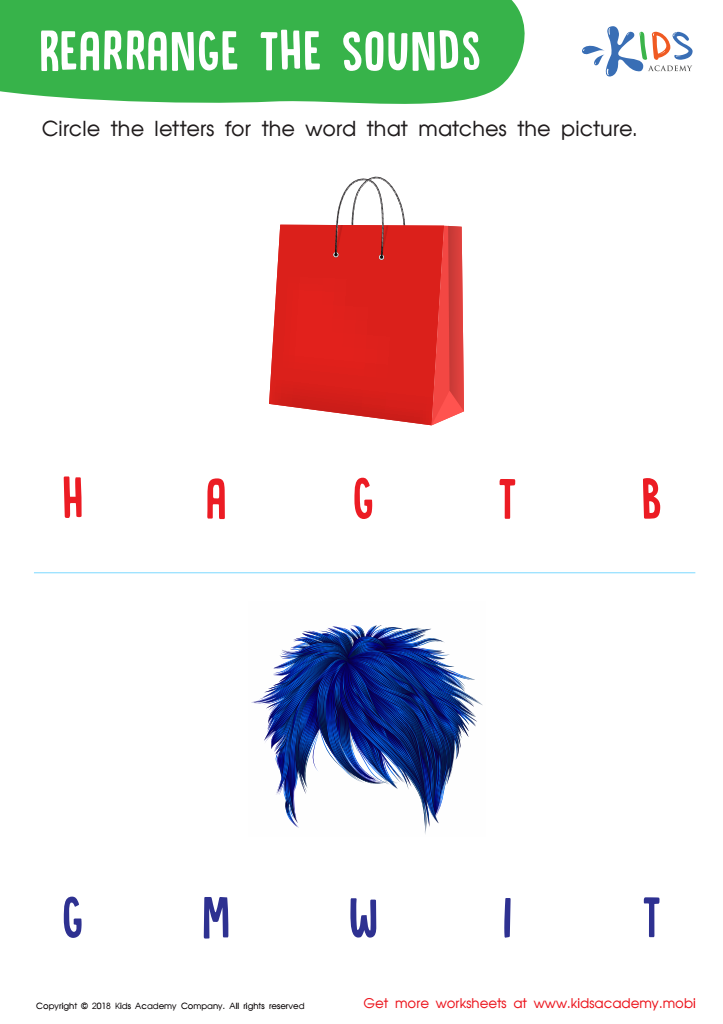
Rearrange the Sounds Worksheet



.jpg)


Word formation, particularly in early education for children aged 5-8, is essential for several reasons. At this stage, children are laying the foundation for their literacy skills, and understanding how words are constructed enhances their vocabulary and reading comprehension. Learning about affixes, roots, and combinations fosters word recognition, making it easier for children to decode new words during reading, which improves fluency.
Additionally, engaging with word formation promotes critical thinking and creativity. As children explore different combinations and understand how meanings change with the addition of prefixes or suffixes, they become more adept at using language dynamically. This skill not only enriches everyday conversations but also enhances their writing abilities, allowing them to express ideas more clearly and effectively.
Moreover, a solid grasp of word formation aids in spelling confidence. Many spelling errors can be traced back to misunderstandings about word structure. By teaching children these concepts, parents and teachers equip them with tools to tackle spelling challenges independently.
Overall, emphasizing word formation helps children communicate better and develop a love for language, ultimately supporting their academic success and lifelong learning. Engaging with this aspect of literacy is not just beneficial; it is crucial for their development.








