Problem Solving Adding at the Zoo Worksheets for Ages 5-8
3 filtered results
-
From - To
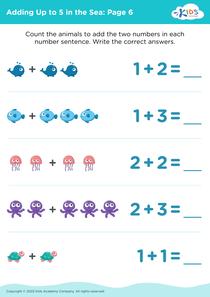
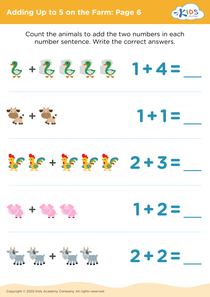
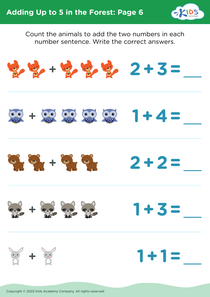
Discover our engaging "Problem Solving Adding at the Zoo Worksheets" designed for children aged 5-8! These fun activities will help young learners develop essential math skills through captivating zoo-themed scenarios. As they solve problems involving addition, students will encounter adorable animals and delightful situations that spark their imagination. The worksheets promote critical thinking and enhance problem-solving abilities, making learning enjoyable and effective. Ideal for classroom use or at-home practice, these worksheets provide a fantastic way to strengthen math foundations while exploring the wonders of the zoo. Get your little ones excited about numbers today with our creative and educational materials!
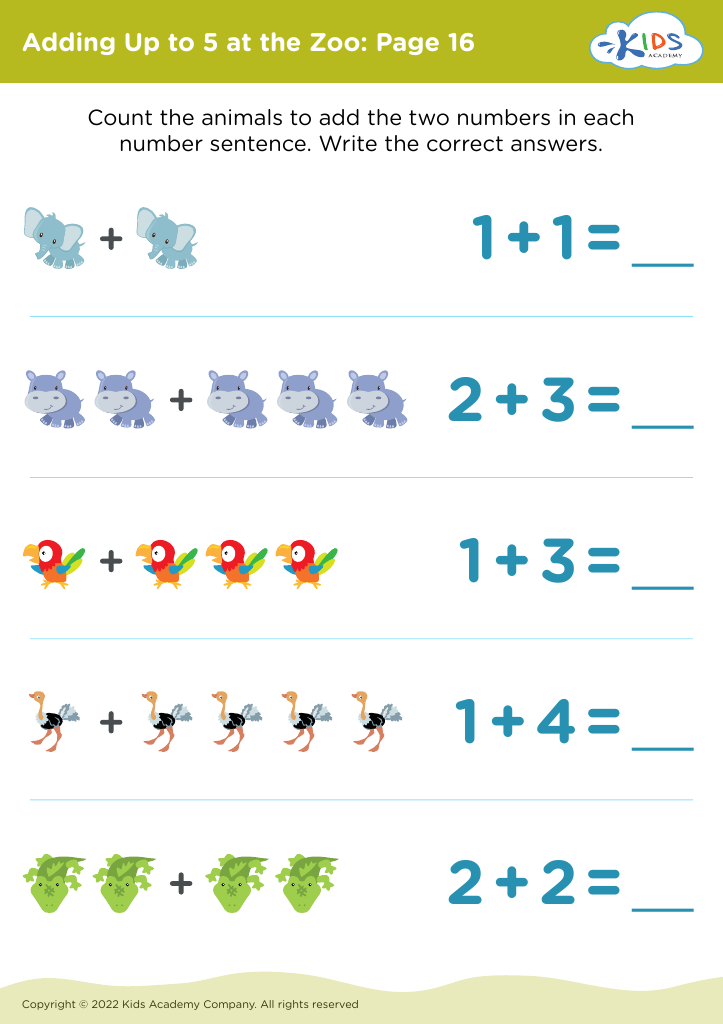
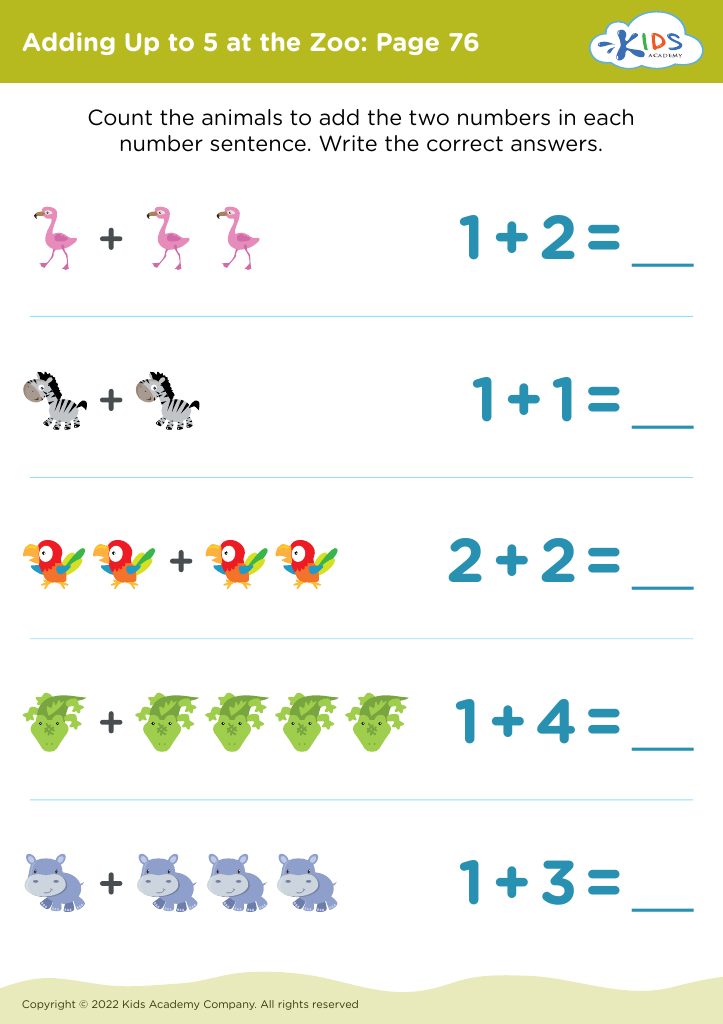
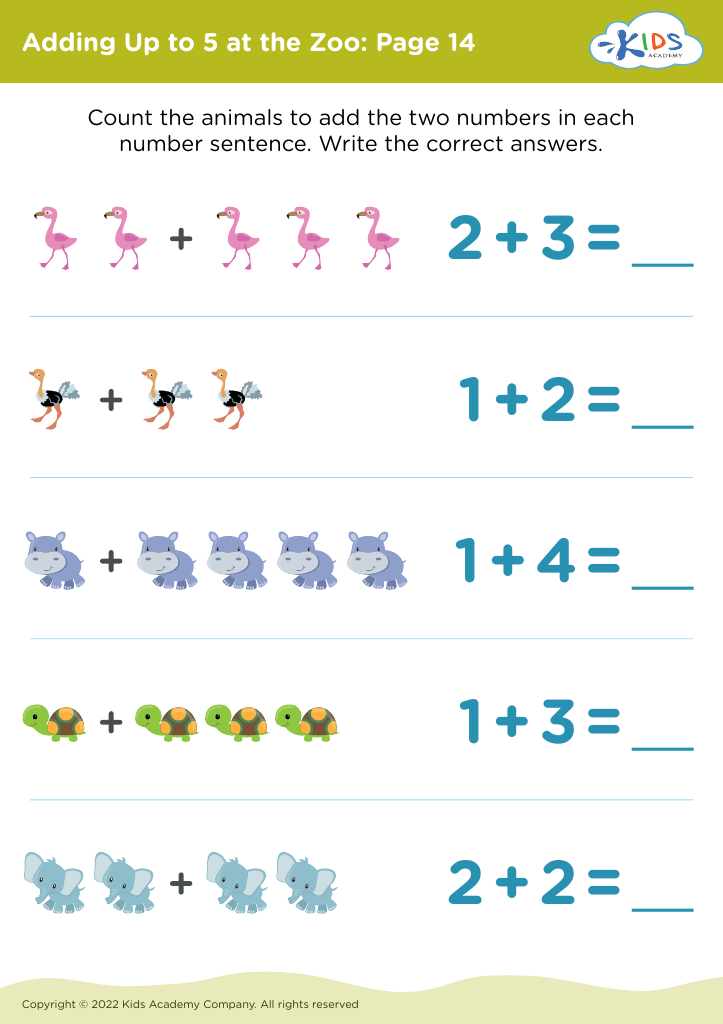



Problem Solving Adding at the Zoo is an essential activity for children aged 5-8, and parents and teachers should care about it for several reasons. First, it enhances foundational math skills. By incorporating addition within an engaging context like a zoo, children learn to visualize mathematical concepts through relatable and enjoyable scenarios, making the learning process more effective.
Moreover, this activity fosters critical thinking and problem-solving abilities. Children must navigate challenges, assess information, and determine appropriate solutions, all while enjoying a fun theme. This engages various cognitive processes that are crucial for overall development and academic success.
Furthermore, participating in such interactive learning promotes collaboration and communication skills. Working in pairs or small groups encourages discussions, helps kids articulate their thought processes, and allows them to learn from one another. These social skills are vital for teamwork in future educational settings.
Finally, including a theme that excites young minds, like the zoo, makes learning more appealing. The connection to real-world situations stimulates curiosity and a love for learning, encouraging kids to approach new math concepts with confidence and enthusiasm. In summary, Problem Solving Adding at the Zoo is deeply beneficial for children's learning in multiple domains.