Problem-Solving Skills Adding at the Zoo Worksheets for Ages 5-8
4 filtered results
-
From - To
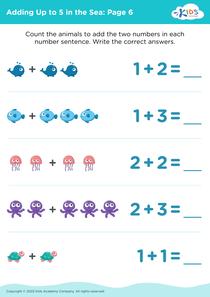
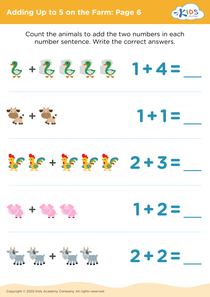
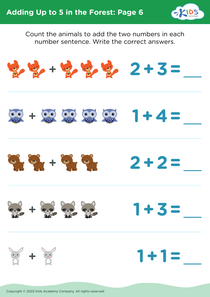
Discover an exciting way to enhance your child's problem-solving skills with our "Adding at the Zoo" worksheets, specifically designed for ages 5-8. These engaging worksheets transform math practice into a fun zoo adventure, where children help animals by solving addition problems. Each worksheet challenges young learners to think critically and apply their math knowledge in real-world scenarios. Perfect for reinforcing basic math concepts while promoting critical thinking, these resources are ideal for homeschooling or classroom use. Make learning enjoyable and interactive as your child observes, calculates, and enhances their problem-solving skills—all in a colorful zoo setting!
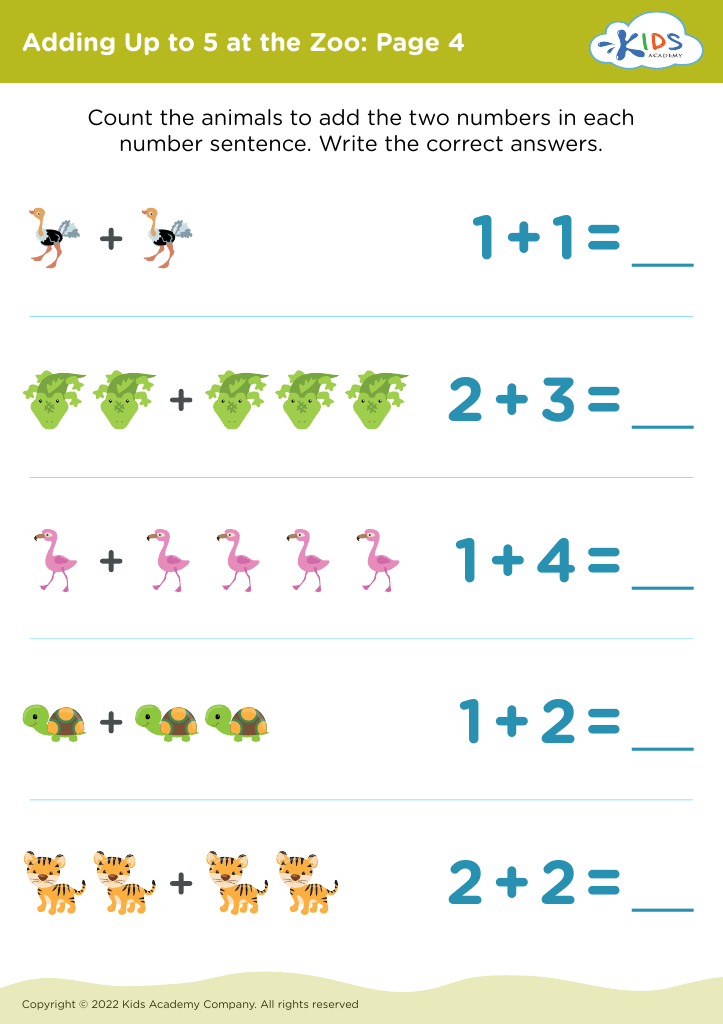
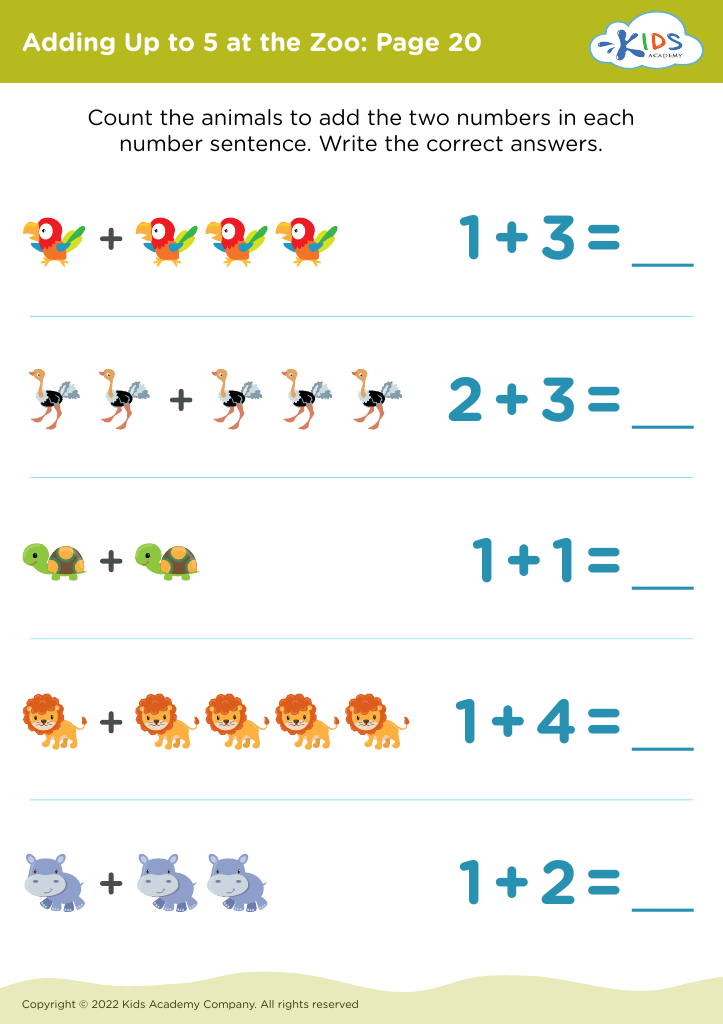
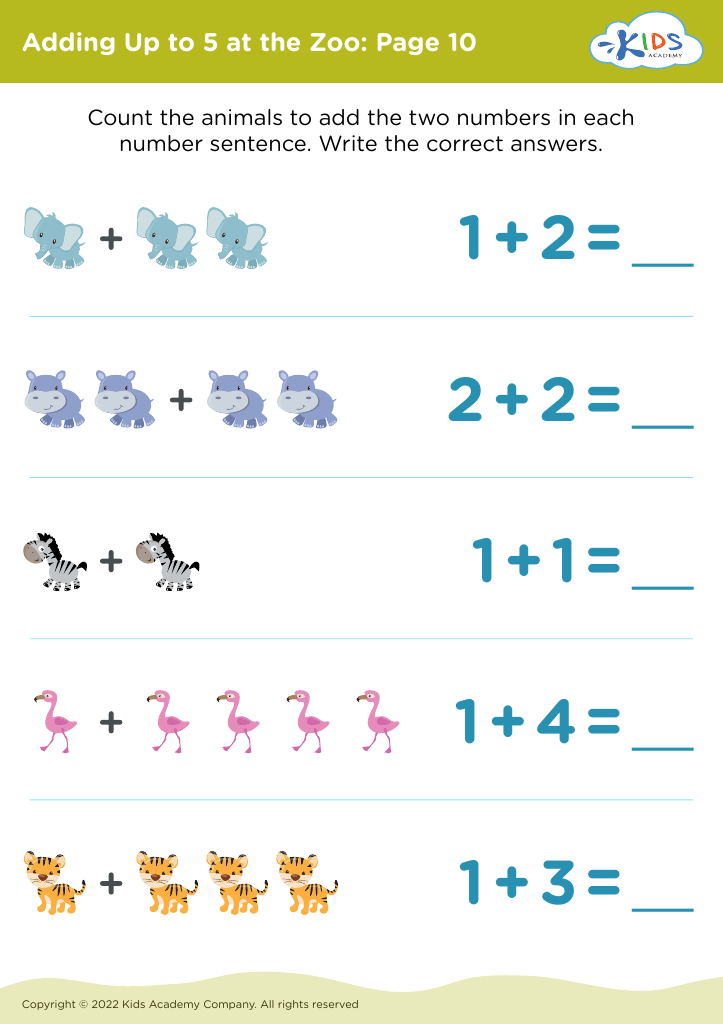
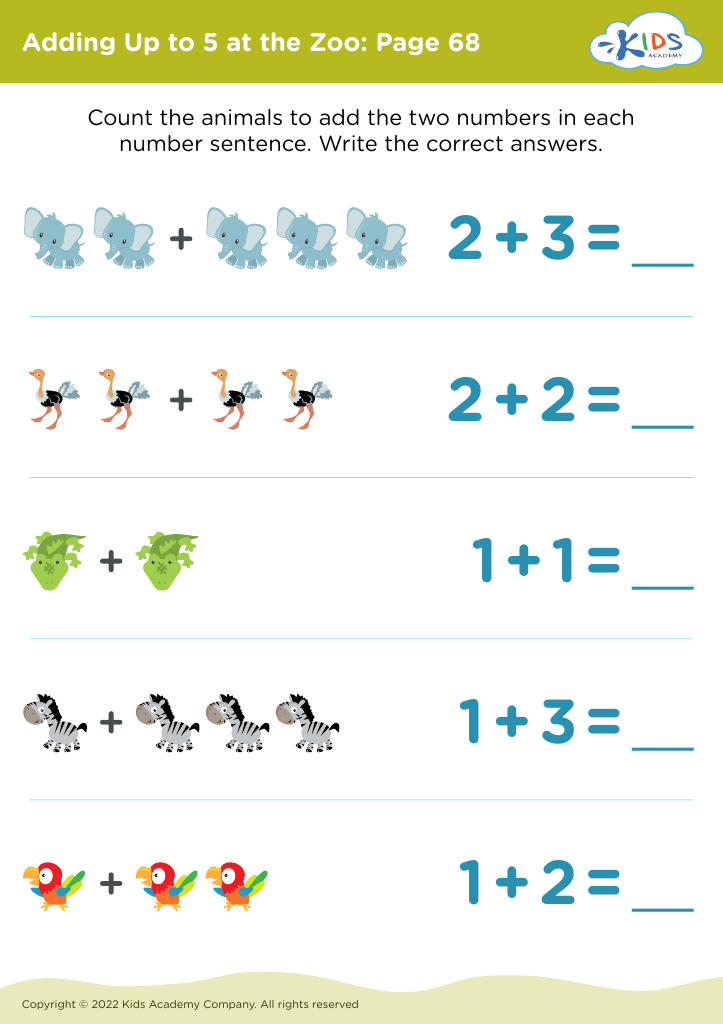



Problem-solving skills are crucial for young learners, especially during formative years such as ages 5-8. Integrating problem-solving activities, like "Adding at the Zoo," provides a playful yet educational context where children can enhance their mathematical abilities while fostering critical thinking skills. This kind of activity helps children learn to strategize, analyze, and evaluate various situations, which are essential components not just in math, but in everyday life.
Zoo-themed problem-solving can also stimulate curiosity and engagement. Children often find animals fascinating, which can motivate them to participate with enthusiasm. By solving problems related to zoo scenarios—such as adding animals or counting visitors—children not only practice arithmetic but also develop storytelling abilities, enhance their reasoning skills, and strengthen their capacity to work collaboratively.
Moreover, these activities encourage perseverance and resilience. When faced with challenges, children learn to try different approaches to find solutions, a valuable life skill that serves them well beyond the classroom. By prioritizing problem-solving skills like those found in "Adding at the Zoo," parents and teachers equip children with essential cognitive tools for future success, making this educational approach a worthwhile investment in their development.