Filters

17 filtered results

Clear all filters
Favorites
With answer key
Interactive

17 filtered results

Difficulty Level

Grade


Subject

    Discover the wonders of "Cognitive Development Adding in the Forest Worksheets" designed specially for children aged 5-8! These engaging worksheets blend fun illustrations of forest scenes with foundational math skills, fostering cognitive growth through interactive learning. As kids explore the vibrant environments and practice addition, they enhance problem-solving abilities and critical thinking. Perfect for both classroom and home use, our worksheets encourage young learners to connect mathematical concepts with nature. With a variety of challenges tailored for different skill levels, these resources provide an exciting way for children to build confidence in math while immersing themselves in a captivating forest adventure!
    Check out this FREE Trial Lesson on Adding in the Forest for age 5-8!

    L

    Favorites
    With answer key
    Interactive
    • 5-8
    • Cognitive Development
    • Adding in the Forest
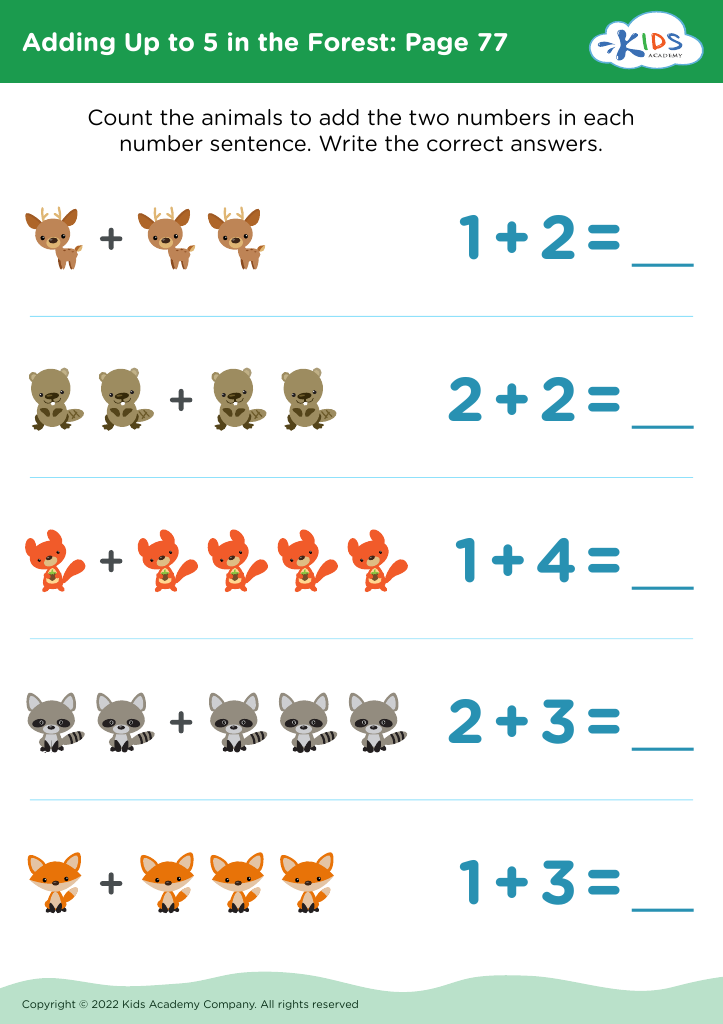
    Adding Up to 5 in the Forest: Page 77
    Adding Up to 5 in the Forest: Page 77
    Adding Up to 5 in the Forest: Page 77
    Worksheet
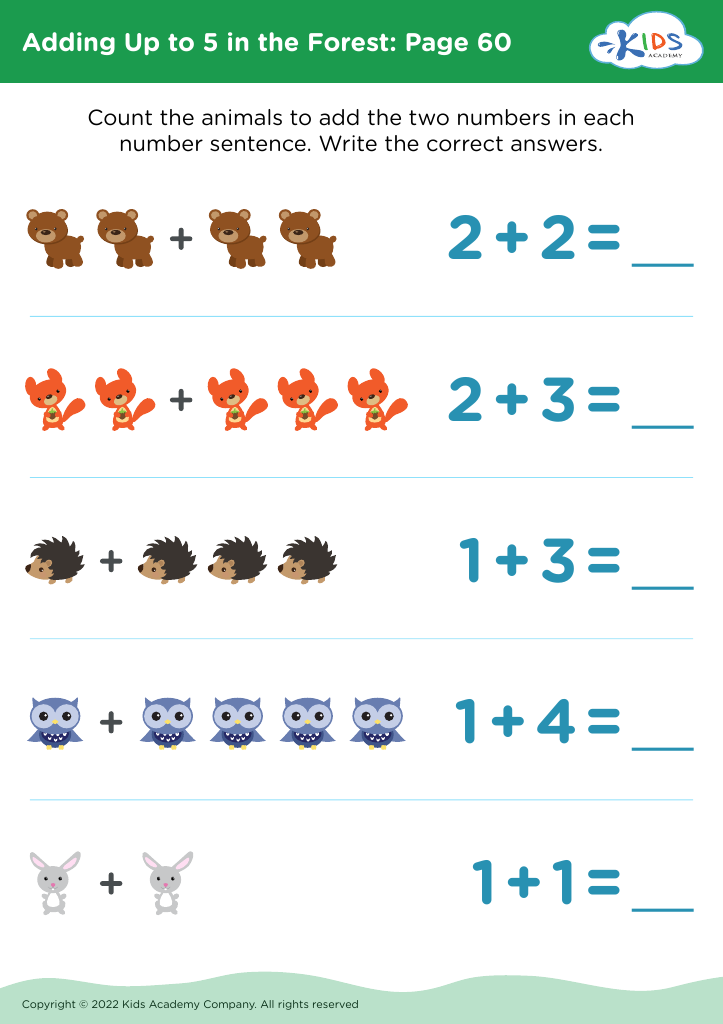
    Adding Up to 5 in the Forest: Page 60
    Adding Up to 5 in the Forest: Page 60
    Adding Up to 5 in the Forest: Page 60
    Worksheet
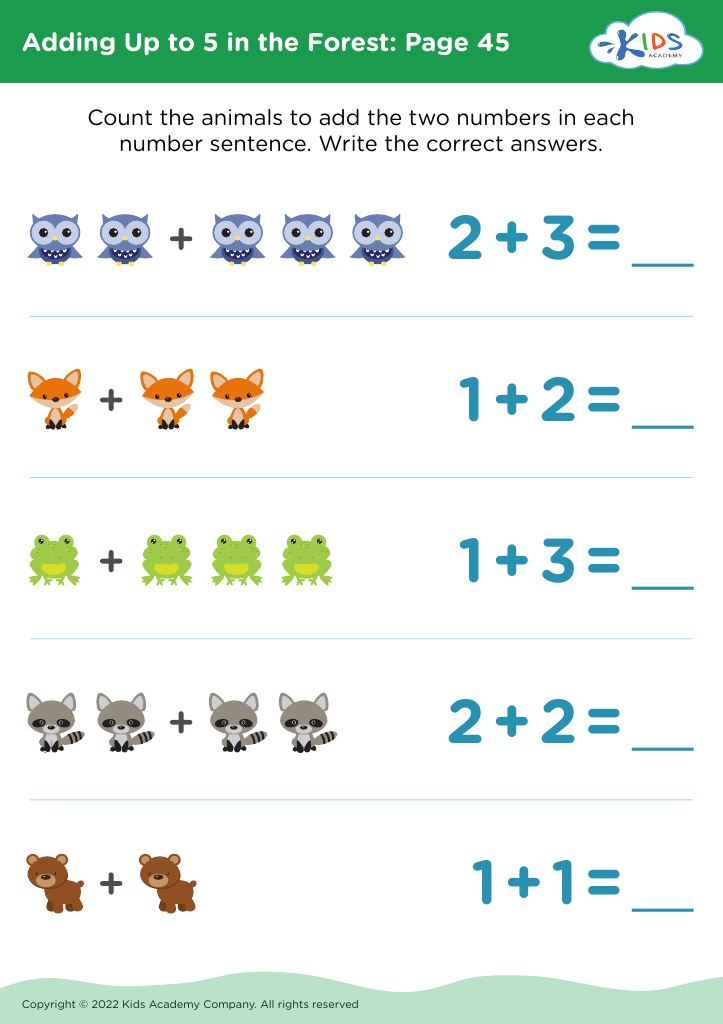
    Adding Up to 5 in the Forest: Page 45
    Adding Up to 5 in the Forest: Page 45
    Adding Up to 5 in the Forest: Page 45
    Worksheet
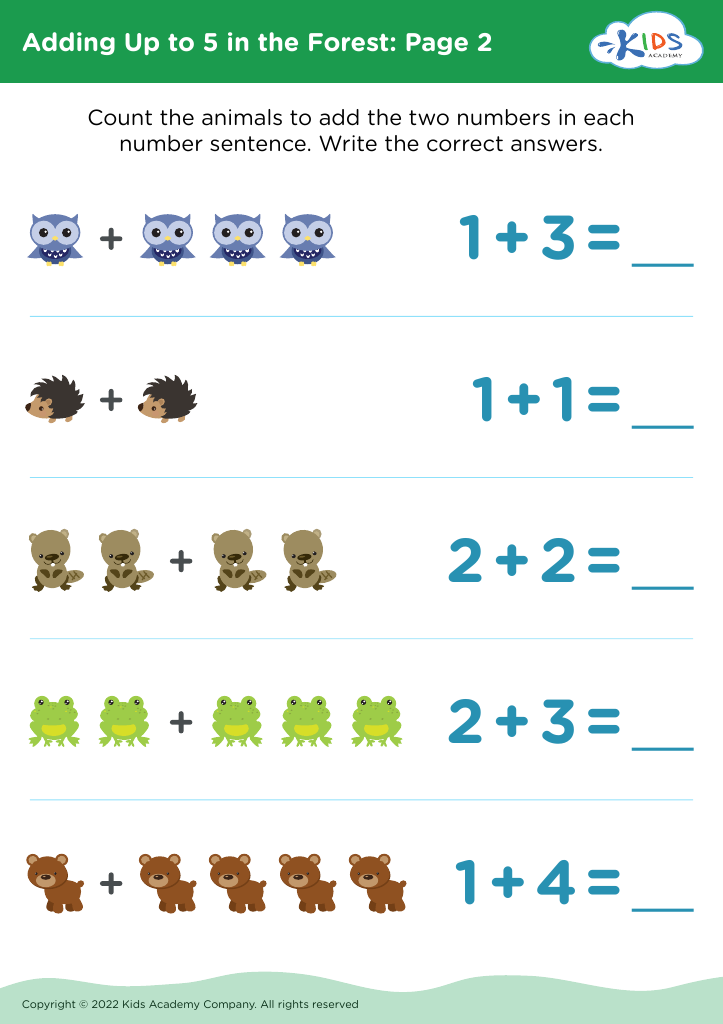
    Adding Up to 5 in the Forest: Page 2
    Adding Up to 5 in the Forest: Page 2
    Adding Up to 5 in the Forest: Page 2
    Worksheet
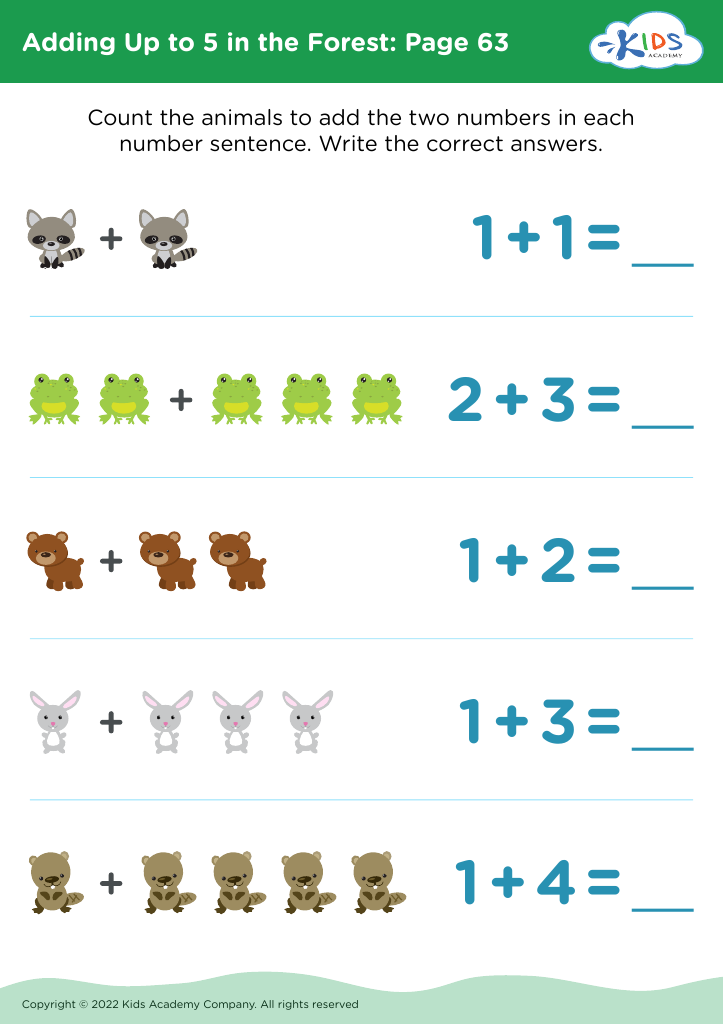
    Adding Up to 5 in the Forest: Page 63
    Adding Up to 5 in the Forest: Page 63
    Adding Up to 5 in the Forest: Page 63
    Worksheet
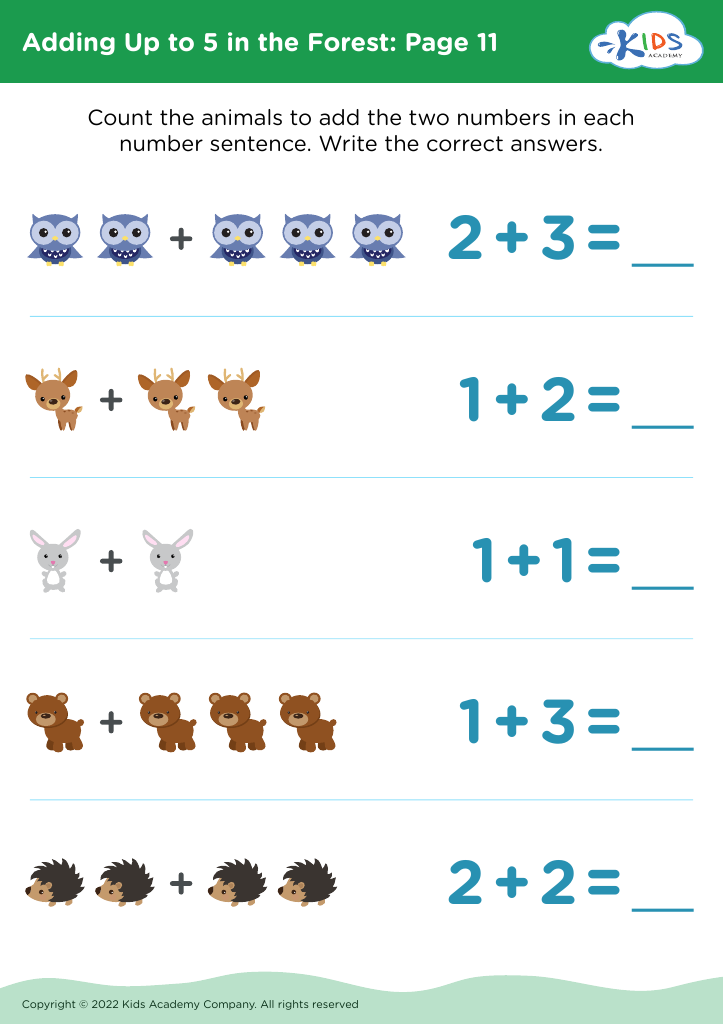
    Adding Up to 5 in the Forest: Page 11
    Adding Up to 5 in the Forest: Page 11
    Adding Up to 5 in the Forest: Page 11
    Worksheet
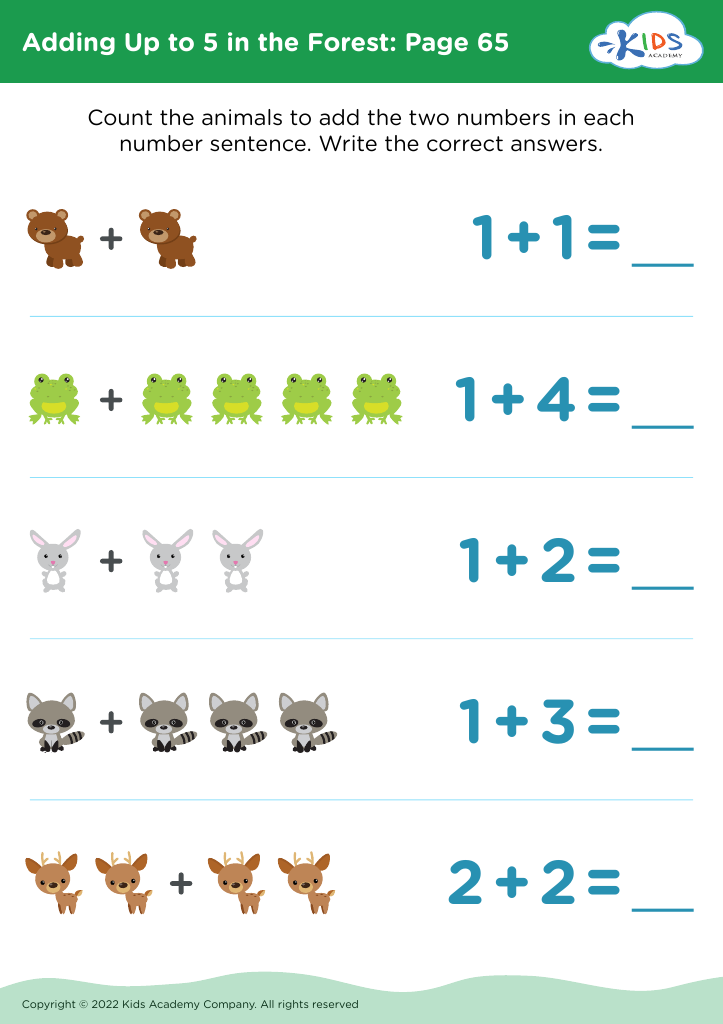
    Adding Up to 5 in the Forest: Page 65
    Adding Up to 5 in the Forest: Page 65
    Adding Up to 5 in the Forest: Page 65
    Worksheet
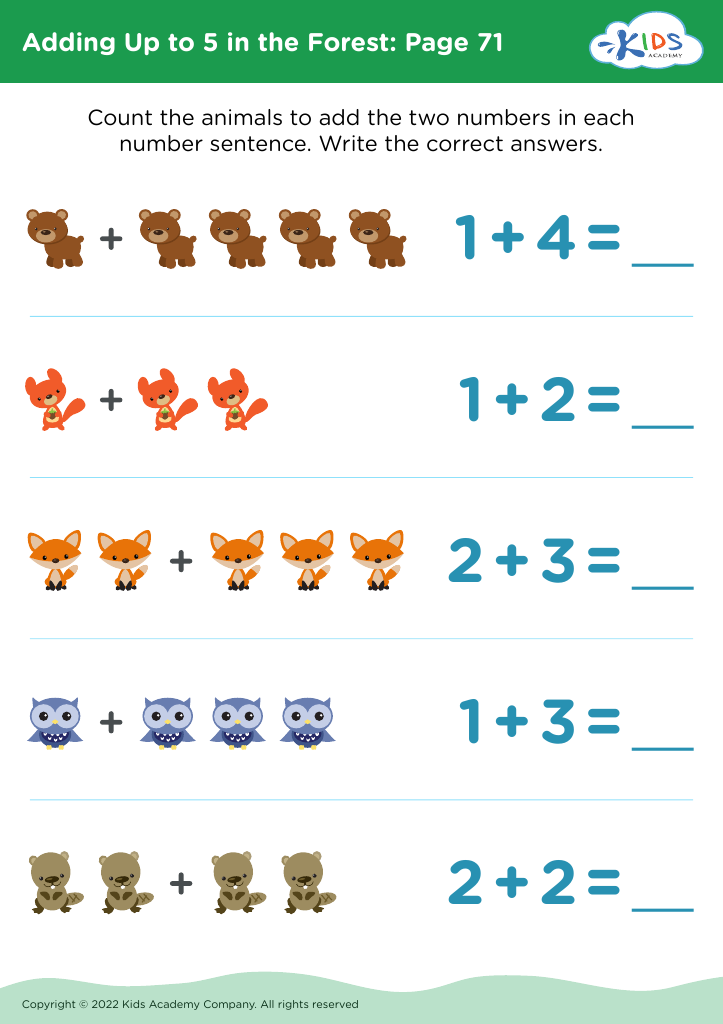
    Adding Up to 5 in the Forest: Page 71
    Adding Up to 5 in the Forest: Page 71
    Adding Up to 5 in the Forest: Page 71
    Worksheet
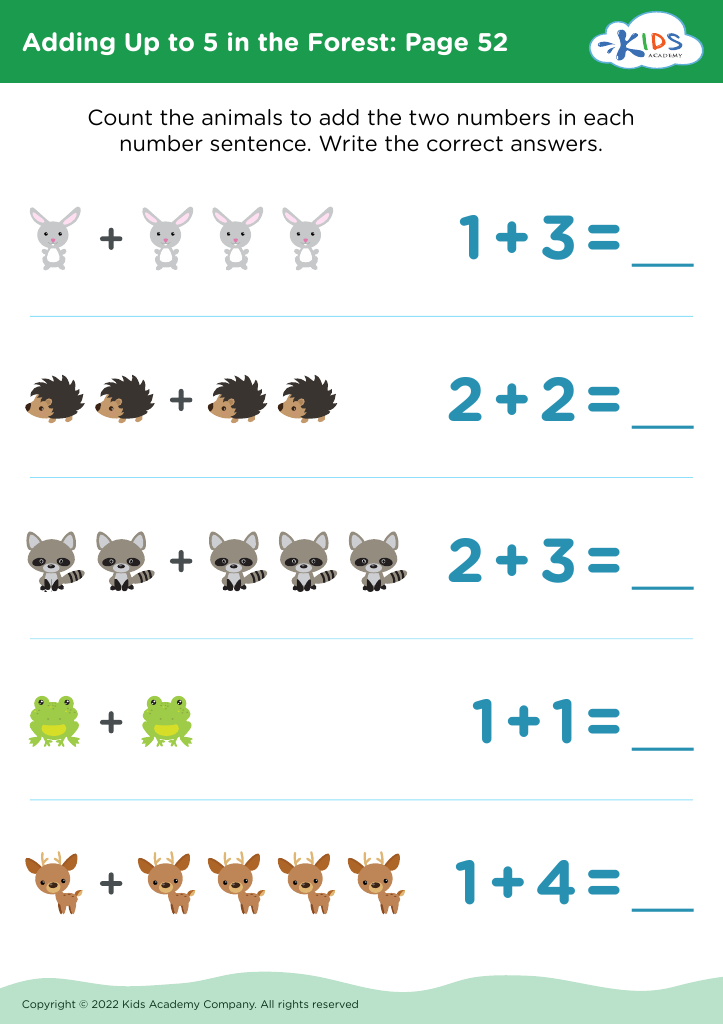
    Adding Up to 5 in the Forest: Page 52
    Adding Up to 5 in the Forest: Page 52
    Adding Up to 5 in the Forest: Page 52
    Worksheet
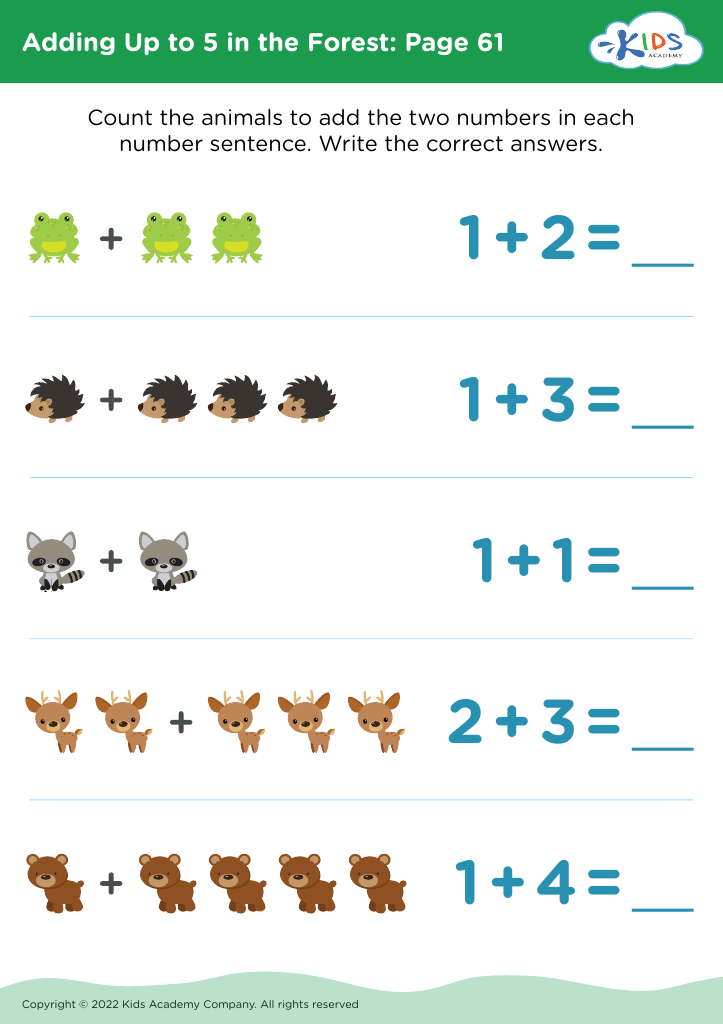
    Adding Up to 5 in the Forest: Page 61
    Adding Up to 5 in the Forest: Page 61
    Adding Up to 5 in the Forest: Page 61
    Worksheet
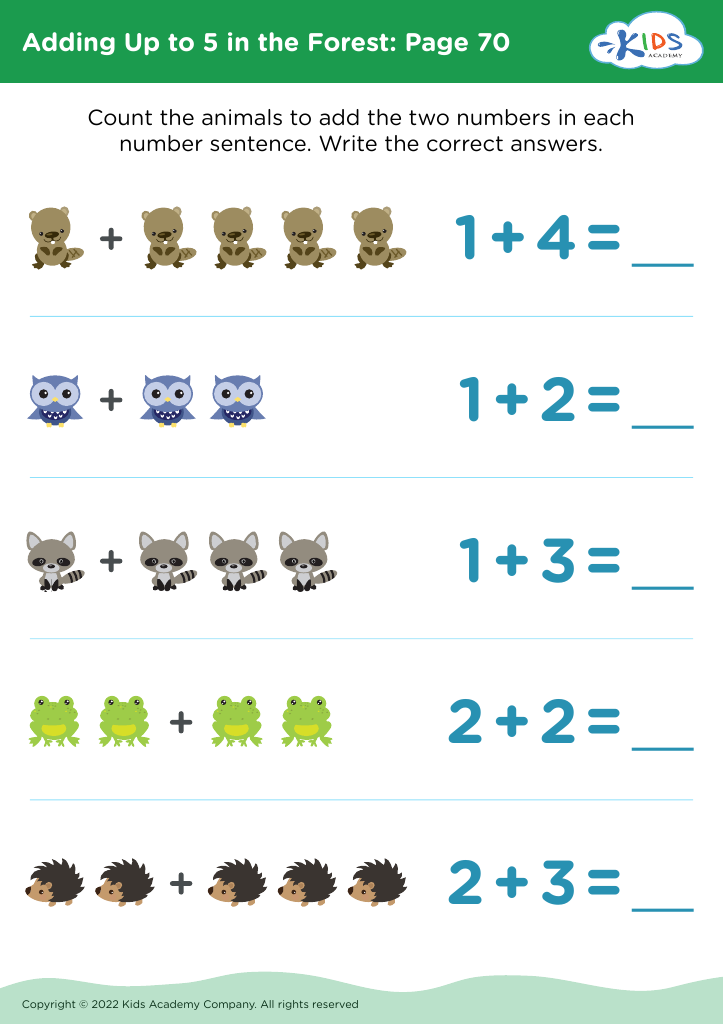
    Adding Up to 5 in the Forest: Page 70
    Adding Up to 5 in the Forest: Page 70
    Adding Up to 5 in the Forest: Page 70
    Worksheet
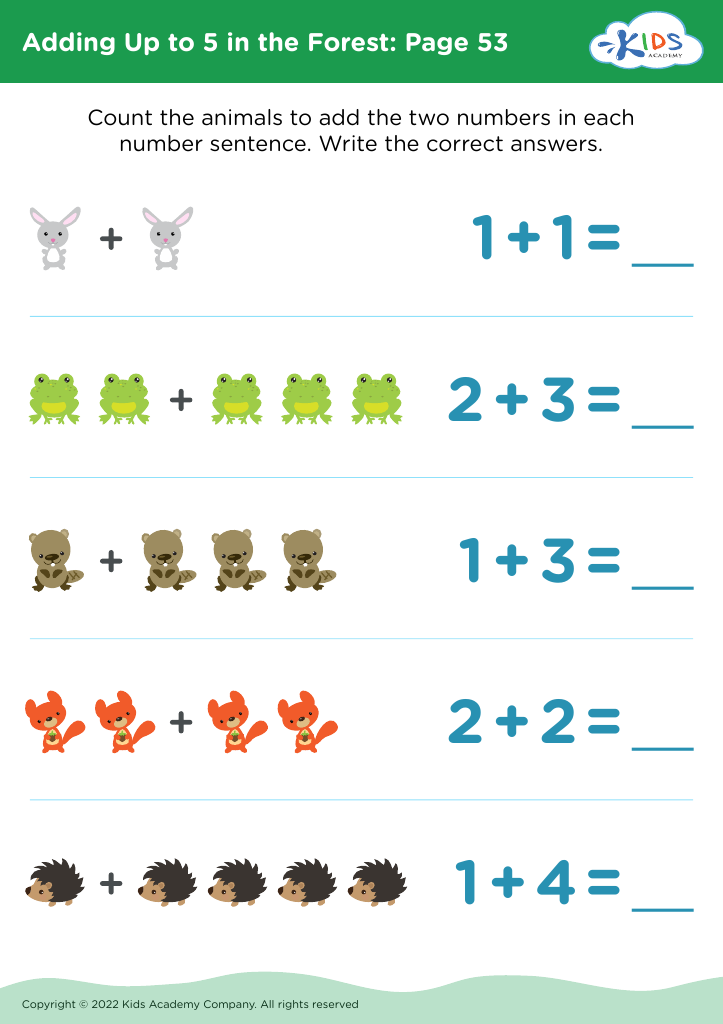
    Adding Up to 5 in the Forest: Page 53
    Adding Up to 5 in the Forest: Page 53
    Adding Up to 5 in the Forest: Page 53
    Worksheet
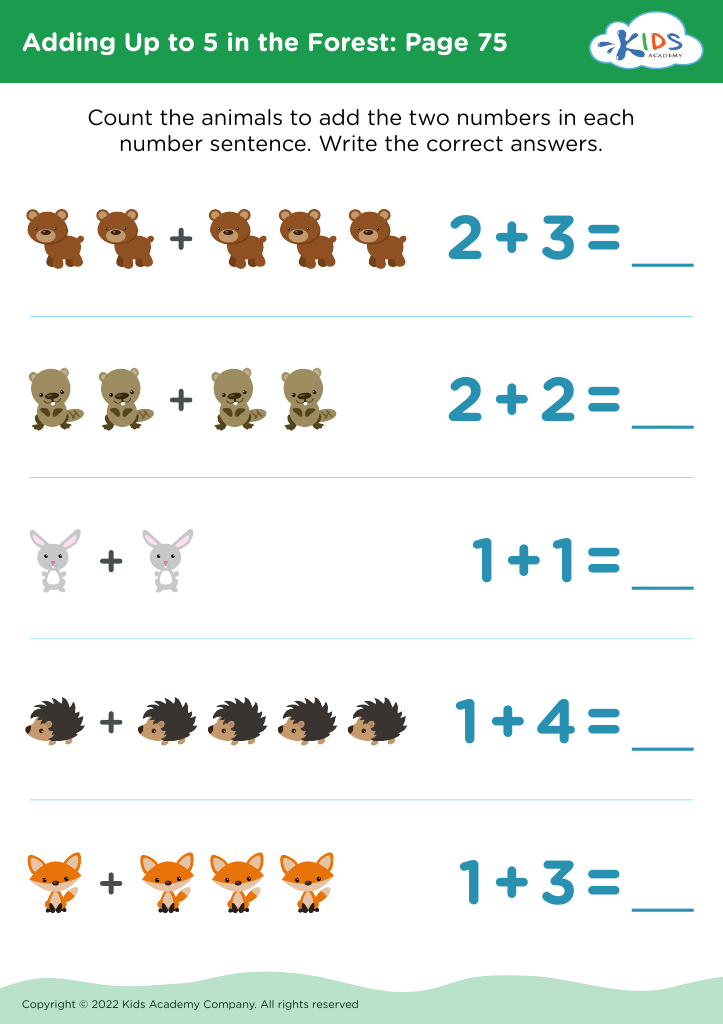
    Adding Up to 5 in the Forest: Page 75
    Adding Up to 5 in the Forest: Page 75
    Adding Up to 5 in the Forest: Page 75
    Worksheet
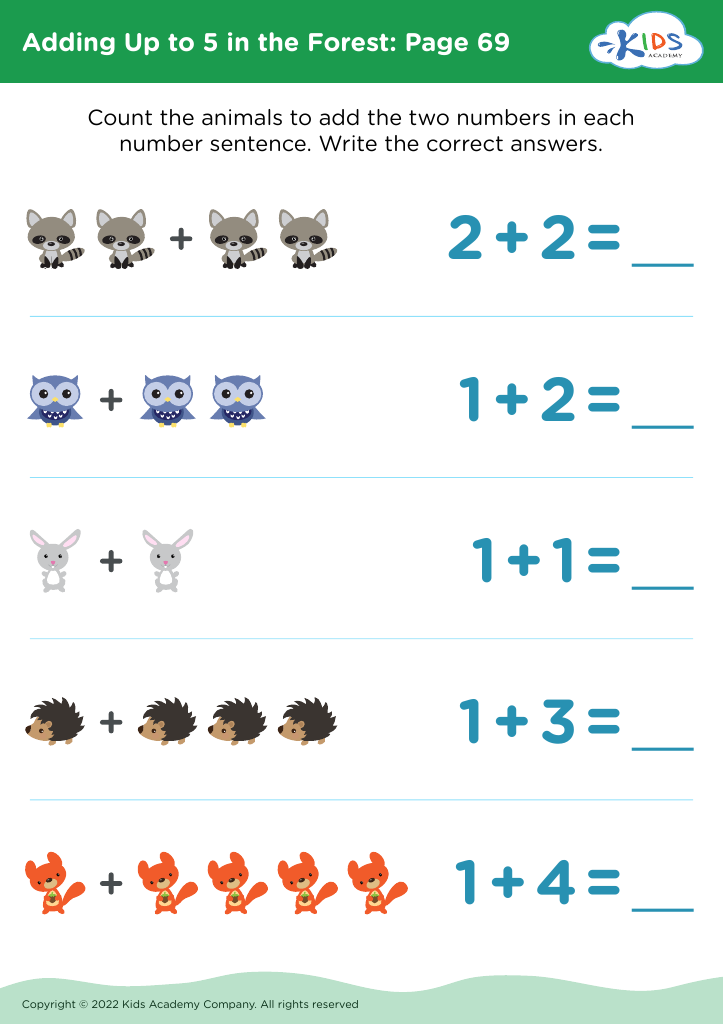
    Adding Up to 5 in the Forest: Page 69
    Adding Up to 5 in the Forest: Page 69
    Adding Up to 5 in the Forest: Page 69
    Worksheet
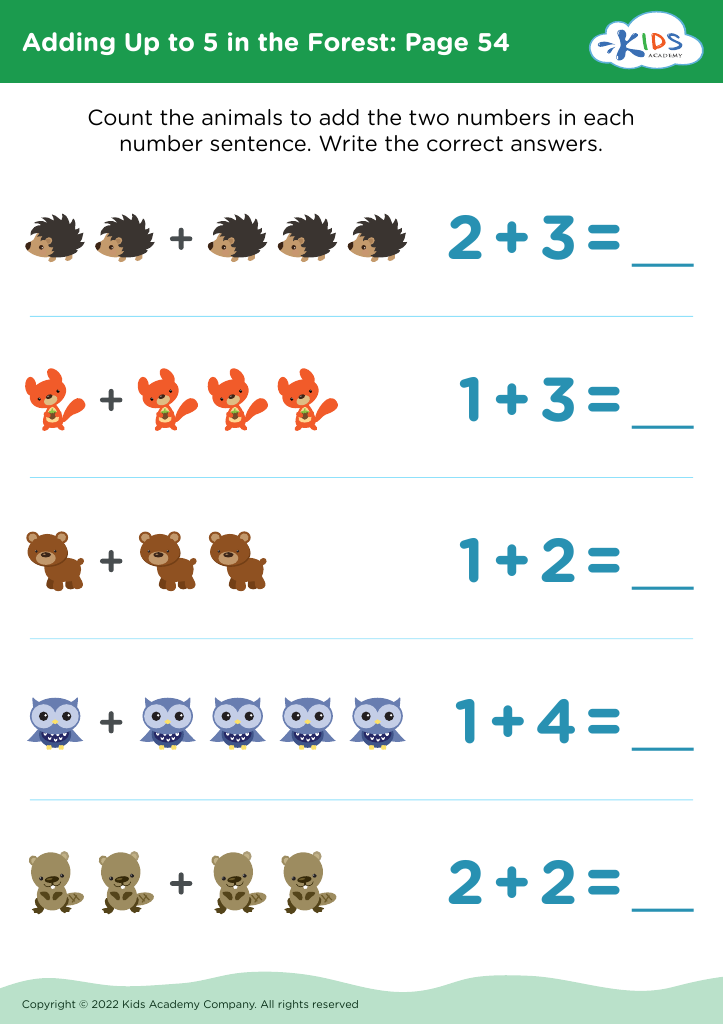
    Adding Up to 5 in the Forest: Page 54
    Adding Up to 5 in the Forest: Page 54
    Adding Up to 5 in the Forest: Page 54
    Worksheet
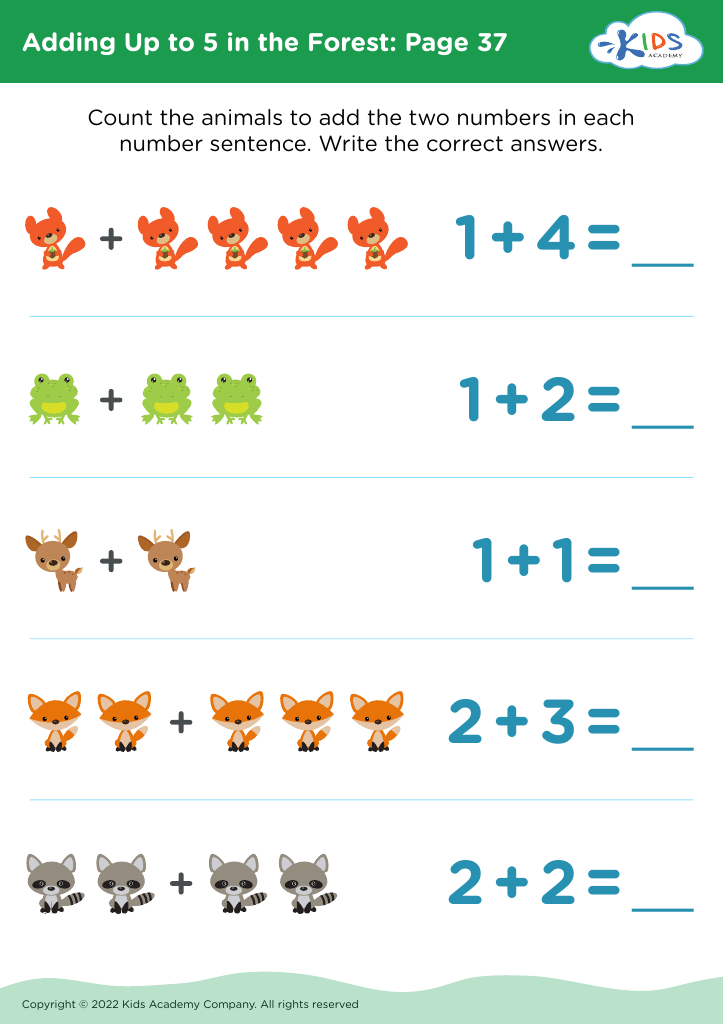
    Adding Up to 5 in the Forest: Page 37
    Adding Up to 5 in the Forest: Page 37
    Adding Up to 5 in the Forest: Page 37
    Worksheet
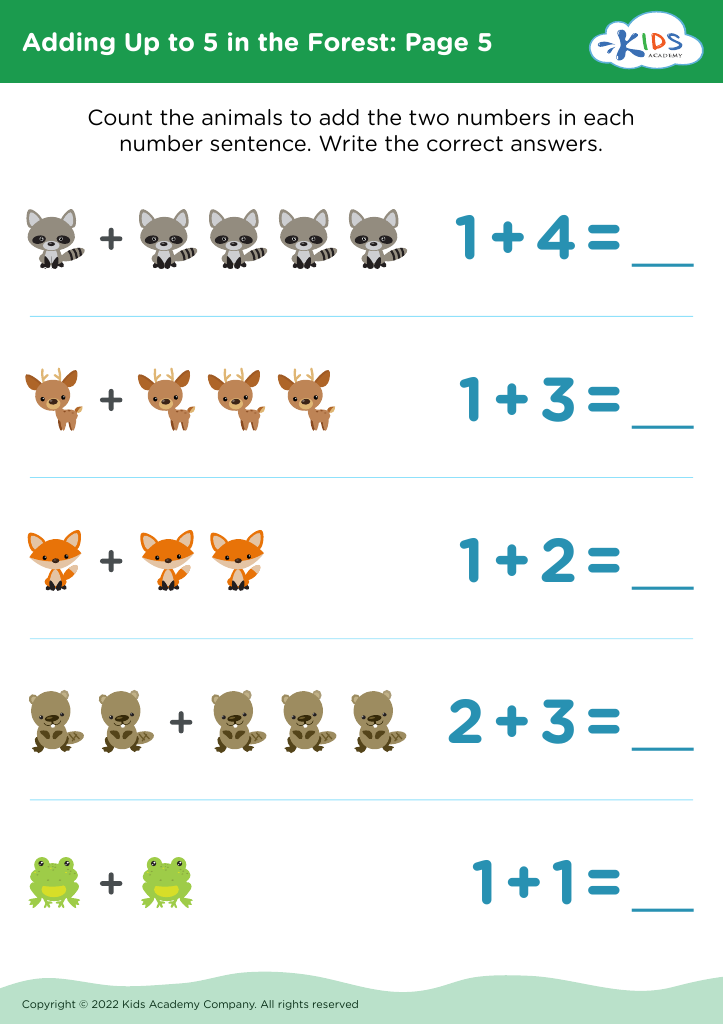
    Adding Up to 5 in the Forest: Page 5
    Adding Up to 5 in the Forest: Page 5
    Adding Up to 5 in the Forest: Page 5
    Worksheet


    Cognitive development during the ages of 5-8 is a crucial period in a child's life, as it lays the foundation for future learning and social skills. Parents and teachers should care deeply about fostering this development, especially through initiatives like "Adding in the Forest."

    Children in this age group are naturally curious, eager to explore, and capable of complex thinking. Engaging them in outdoor activities, particularly in a forest setting, offers a rich and stimulating environment that enhances their cognitive abilities. Nature promotes sensory experiences, problem-solving, and creative thinking, allowing children to interact with their surroundings while building essential skills.

    Furthermore, outdoor learning encourages collaboration and social interaction, helping children to develop critical communication skills and teamwork. By participating in mathematical activities such as "Adding in the Forest," children can connect mathematical concepts to real-world experiences, making learning more meaningful and engaging.

    In summary, prioritizing cognitive development through forest-based activities helps children build essential skills that support their learning journey, preparing them for future academic success and improved social competence. By investing in these experiences, parents and teachers can play a vital role in nurturing well-rounded, capable learners.