Nature awareness Adding in the Forest Worksheets for Ages 5-8
8 filtered results
-
From - To
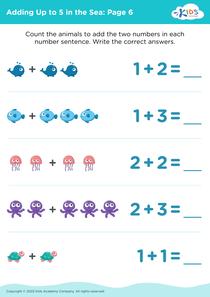
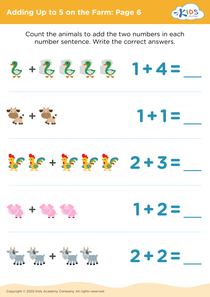
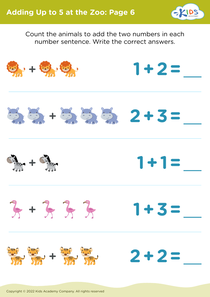
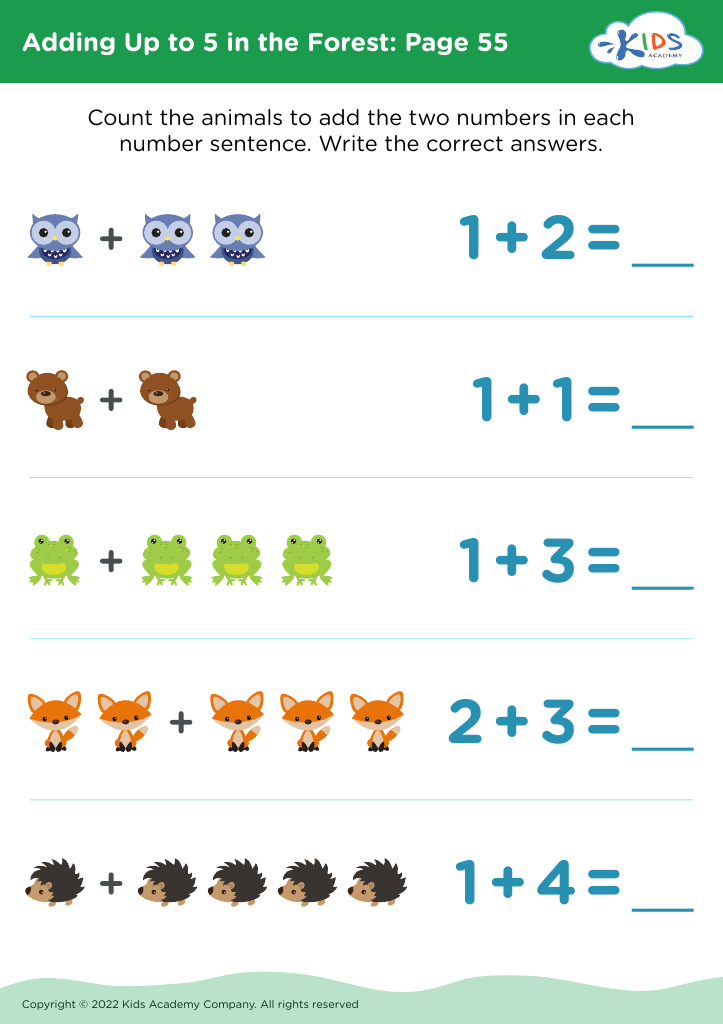
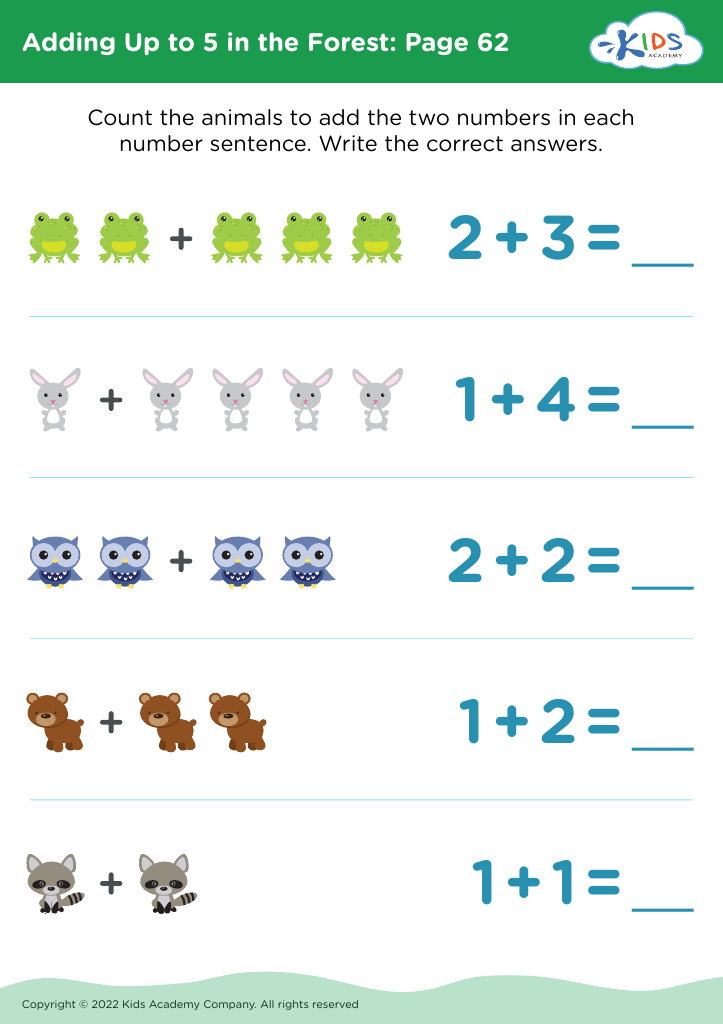
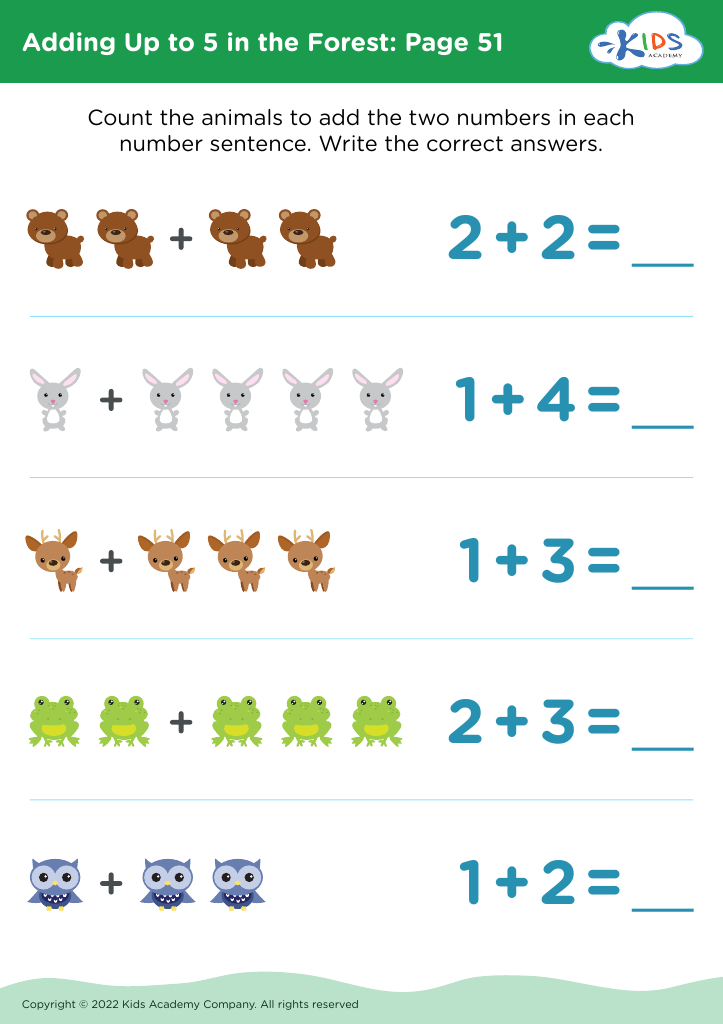
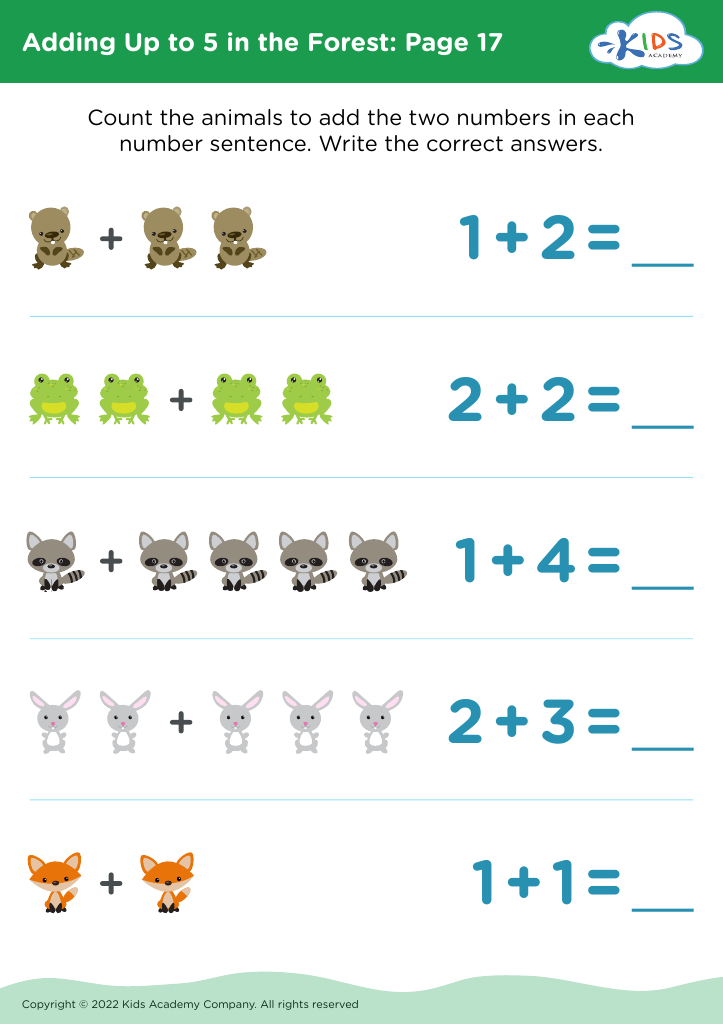
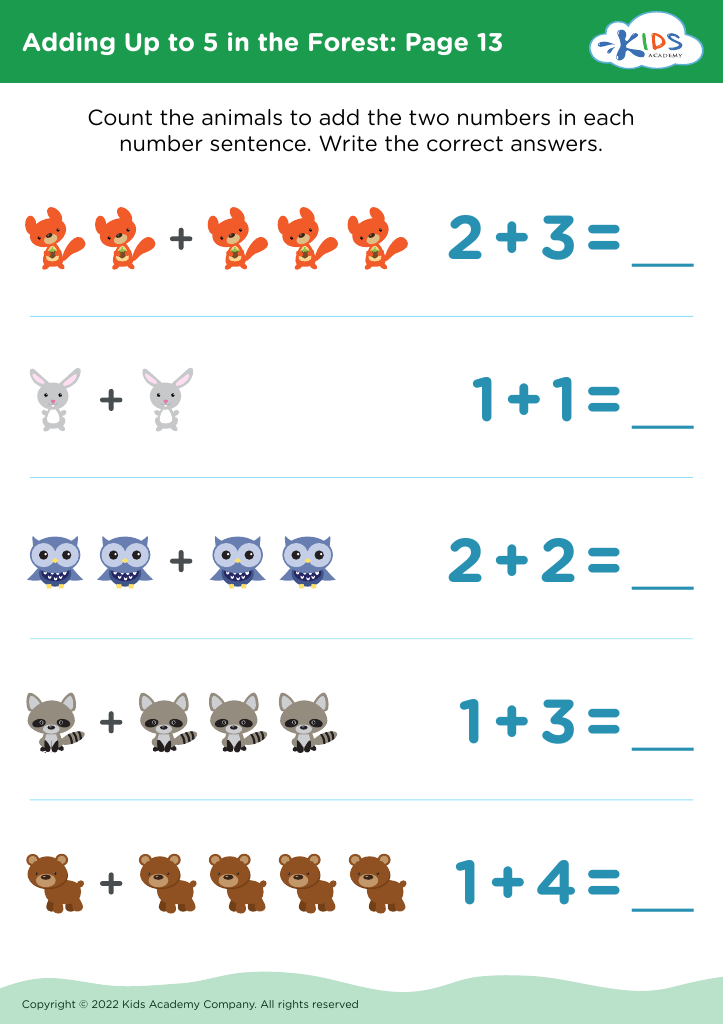
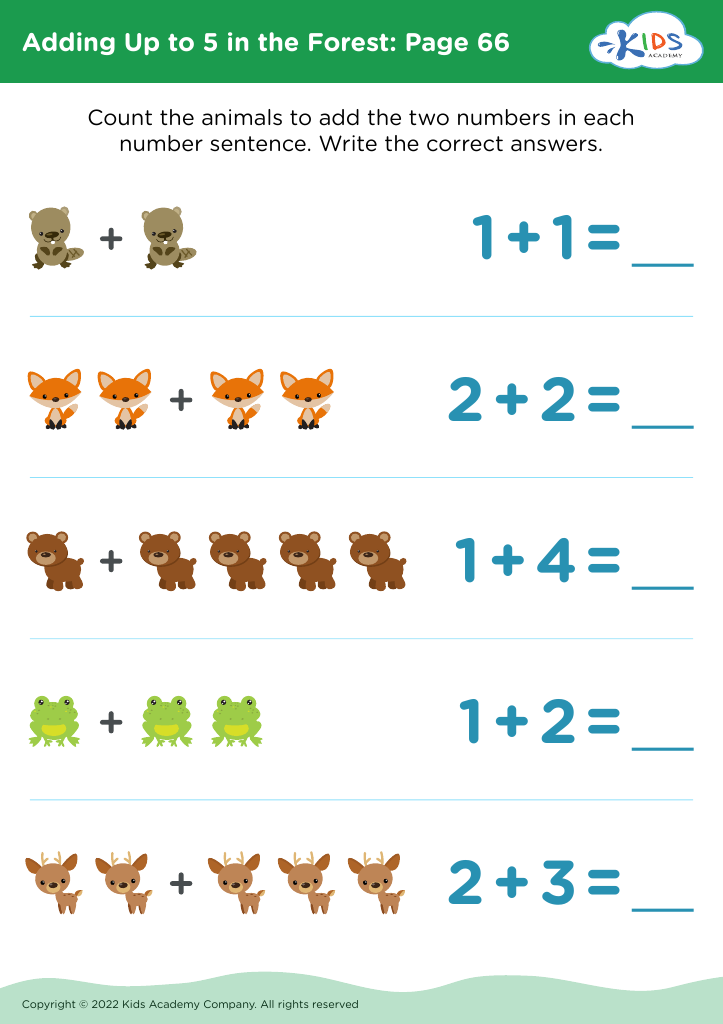
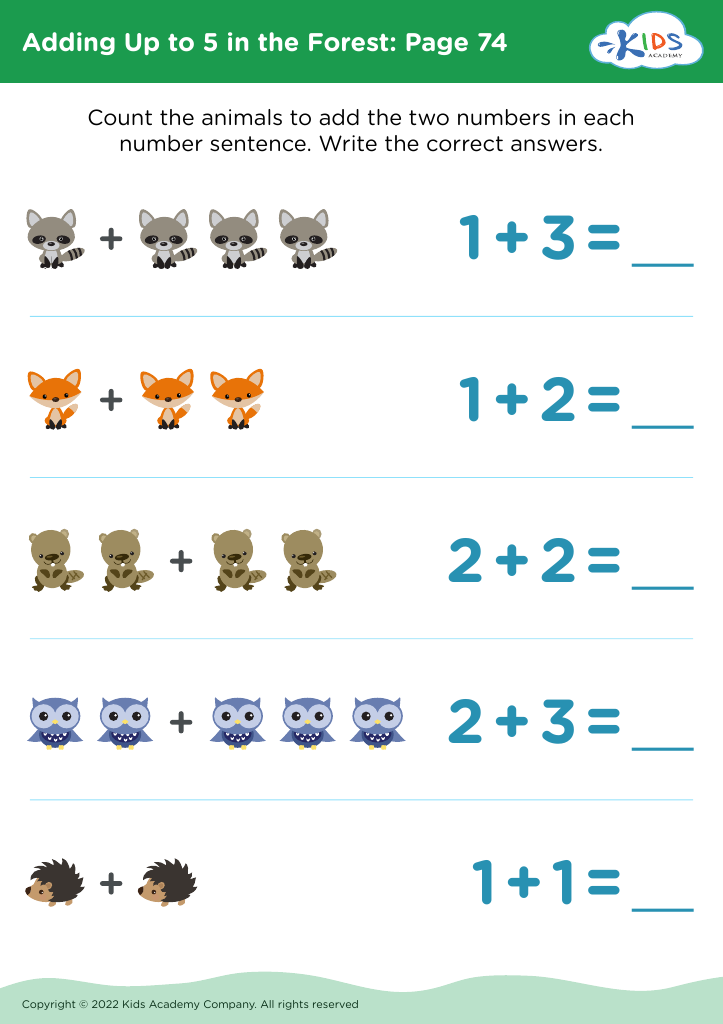
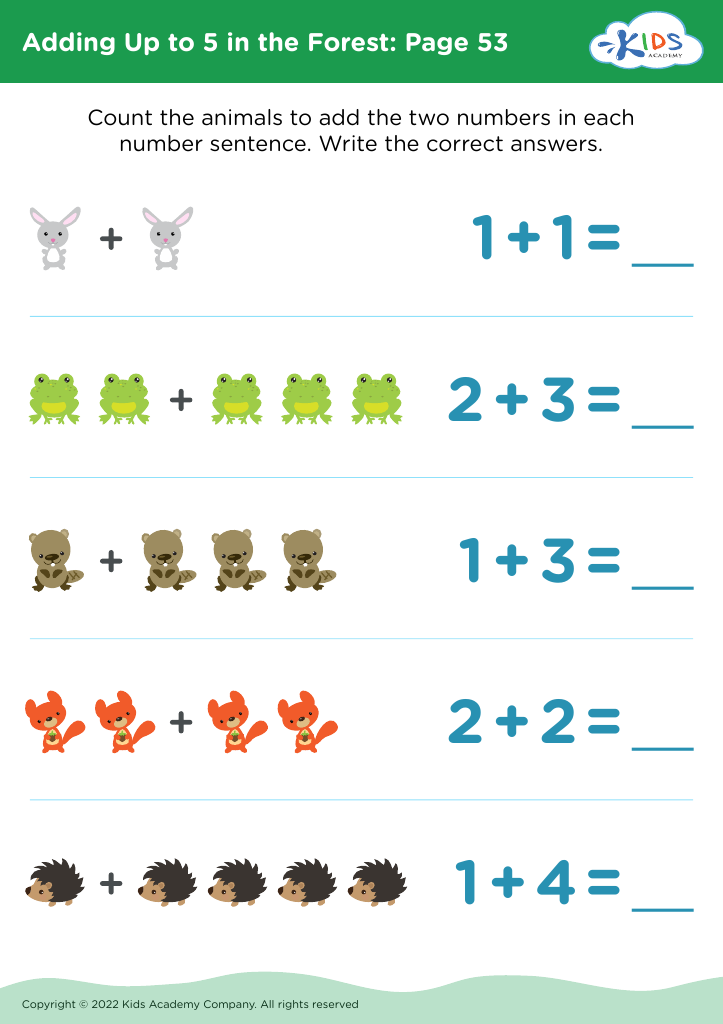
Discover the wonders of the forest while mastering math skills with our "Nature Awareness: Adding in the Forest" worksheets for ages 5-8. These engaging activities blend arithmetic practice with nature exploration, helping kids learn addition while fostering a love for the outdoors. Through vibrant forest-themed illustrations and compelling storylines, children will embark on mathematical adventures that hone their counting and problem-solving abilities. Encourage your child to understand and appreciate nature with our expertly designed worksheets, all while building essential math skills in a fun and enriching manner. Perfect for young learners to grow academically and environmentally aware.



Introducing children aged 5-8 to nature and forests is vital for their holistic development. Spending time in natural settings fosters a sense of awe and curiosity, which ignites a lifelong interest in the environment. This connection to nature encourages children to become compassionate stewards of the Earth, fostering a sense of responsibility and respect for natural resources.
Nature-based activities also contribute to physical and mental well-being. Playing in forests allows children to engage in physical activities like running, climbing, and exploring, which improve their motor skills, balance, and overall fitness. Additionally, being in nature has been shown to reduce stress, enhance mood, and improve attention spans, combating the increasing screen time prevalent in modern childhood.
Sensory experiences in nature, such as listening to birds, feeling tree bark, and smelling flowers, enrich learning and are linked to increased cognitive abilities. These activities often involve teamwork and problem-solving, further developing social skills and creativity.
Nature awareness also aligns with early educational goals by integrating science, literacy, and numeracy into hands-on exploration. For example, counting seeds, measuring leaves, and observing wildlife can reinforce classroom concepts in engaging ways.
Overall, instilling nature awareness fosters healthier lifestyles, stronger academic skills, and greater environmental stewardship, making it an essential component of early childhood education.