Fine Motor Skills Adding up to 1000 Misc Worksheets for Ages 5-8
5 filtered results
-
From - To
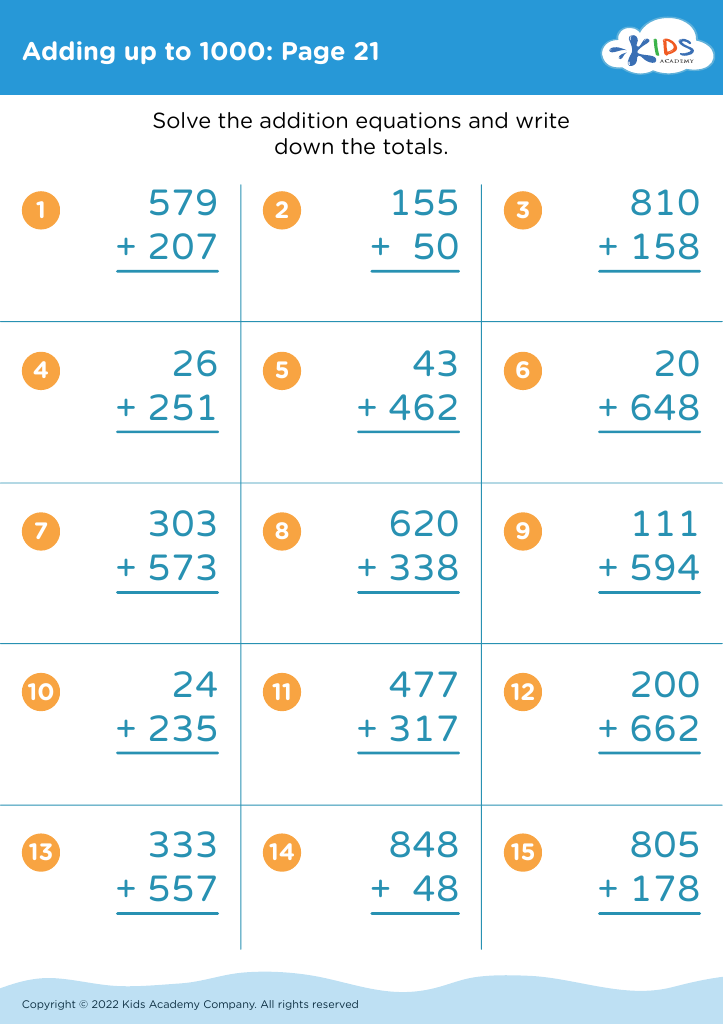
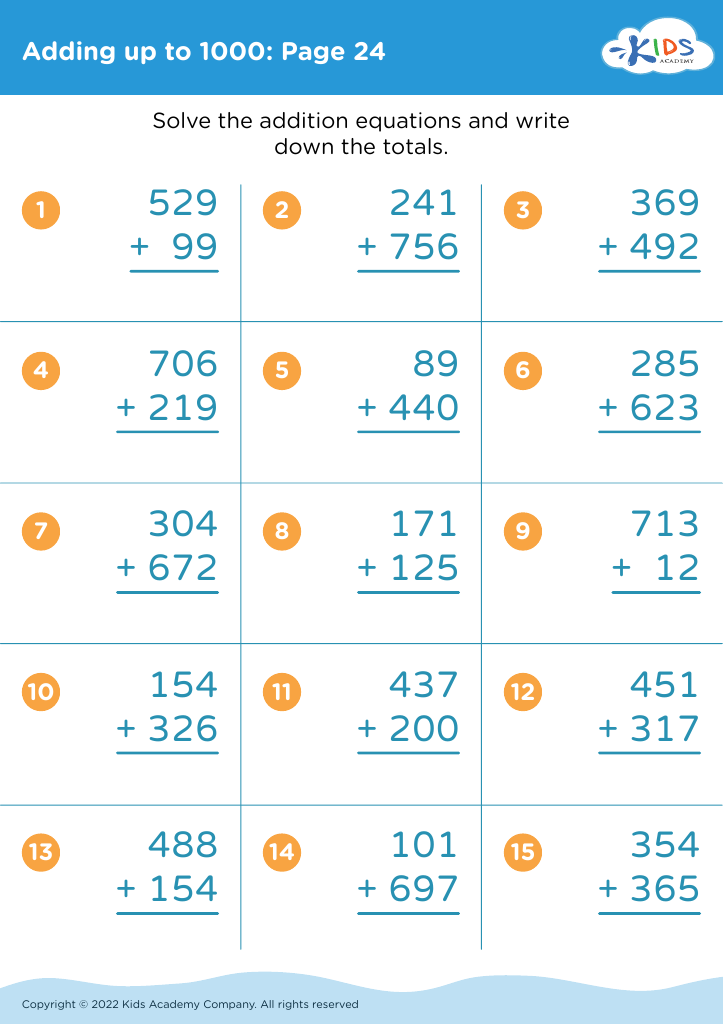
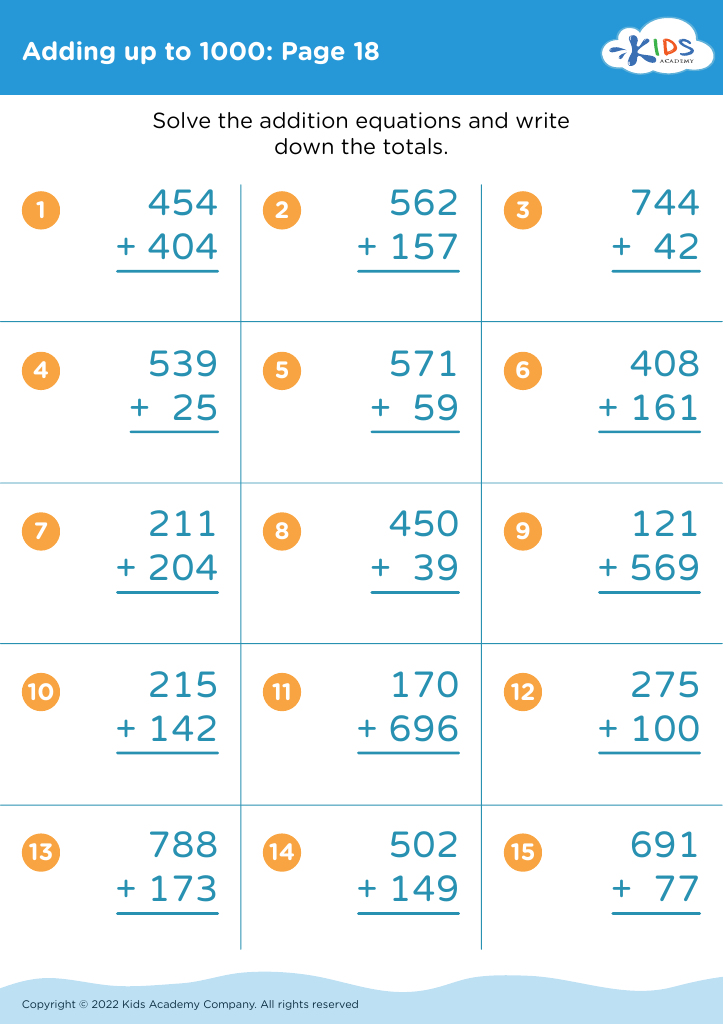
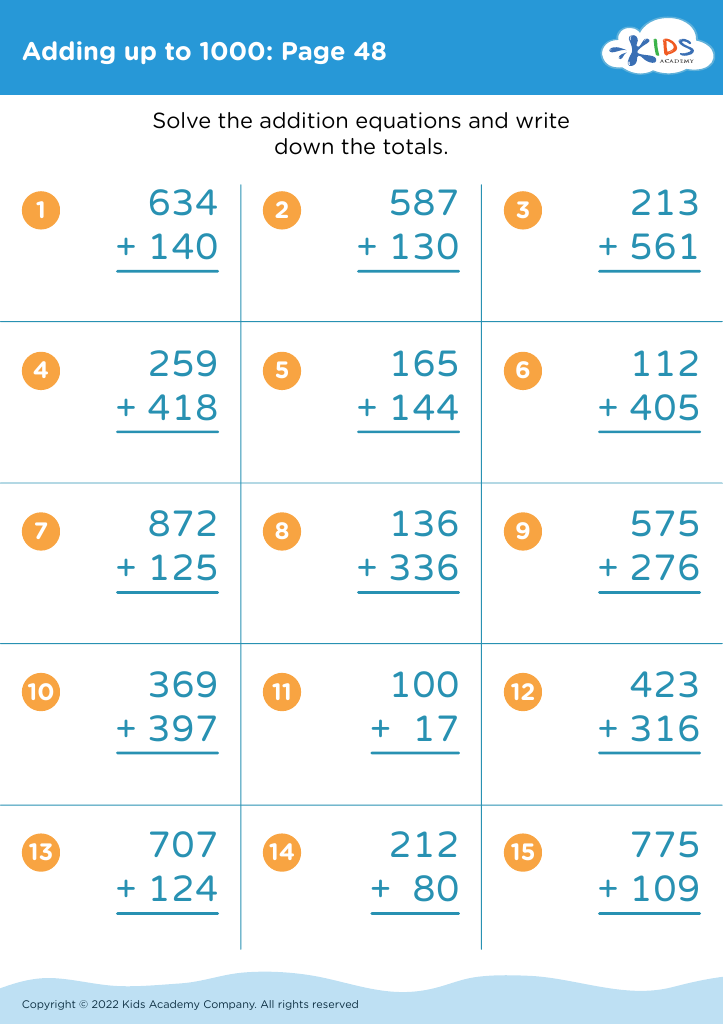
Enhance your child's fine motor skills with our comprehensive collection of "Fine Motor Skills Adding up to 1000 Misc Worksheets" designed specifically for ages 5-8. These engaging worksheets encourage hand-eye coordination and dexterity through fun activities that integrate vibrant visuals and stimulating challenges. Children will enjoy a variety of tasks, from tracing numbers and shapes to practicing writing ensuring they develop critical skills while preparing for math. Each worksheet promotes not only academic readiness but also confidence as children master essential fine motor abilities. Explore this fantastic resource and help your child build a strong foundation for future learning today!



Fine motor skills are essential for children aged 5-8 as they significantly impact their overall development and learning. Parents and teachers should care about fostering these skills because they are foundational for a range of daily tasks and academic activities. Tasks such as writing, drawing, cutting with scissors, and tying shoelaces require coordinated hand and finger movements. Children with strong fine motor skills tend to perform better in school projects and assessments, leading to increased academic confidence.
Additionally, fine motor skills play a crucial role in a child’s social and emotional development. Many crafts and games that enhance these skills also promote social interaction, collaboration, and communication, all vital components of childhood learning. Engaging children in activities focusing on fine motor development fosters creativity and problem-solving abilities, which are essential skills in life.
Furthermore, developing fine motor skills early on can help identify and address any difficulties that may arise later, reducing the need for interventions. By emphasizing fine motor skills, parents and teachers can provide children with the tools they need to succeed not only academically but also in everyday life. Ultimately, investing time and effort into enhancing fine motor skills lays the groundwork for future growth and independence.