Alphabet Recognition Addition & Subtraction Worksheets for Ages 5-8
4 filtered results
-
From - To
Unlock the power of learning with our "Alphabet Recognition Addition & Subtraction Worksheets" designed specifically for children ages 5-8. These engaging worksheets seamlessly blend math fundamentals with essential letter recognition skills. Students will explore the joy of addition and subtraction while familiarizing themselves with the alphabet, enhancing both their literacy and numeracy skills in a fun, interactive way. Each activity is thoughtfully crafted to promote critical thinking and problem-solving skills, ensuring a comprehensive educational experience. Perfect for classroom or home use, these worksheets provide the ideal balance of learning and play, helping young learners develop confidence in their academic abilities.
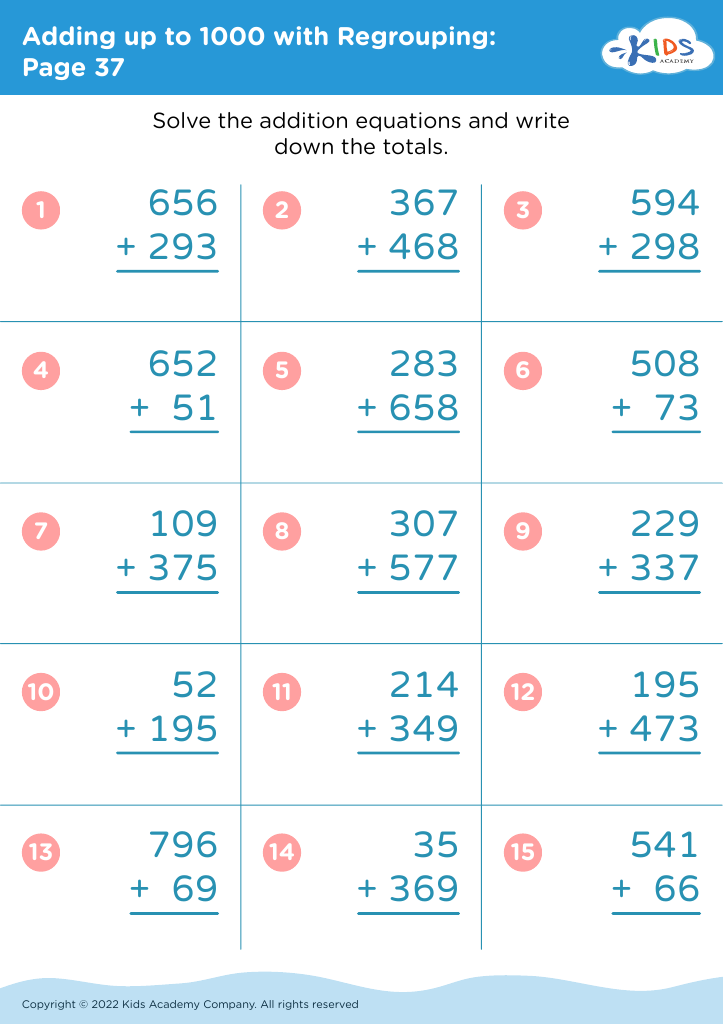
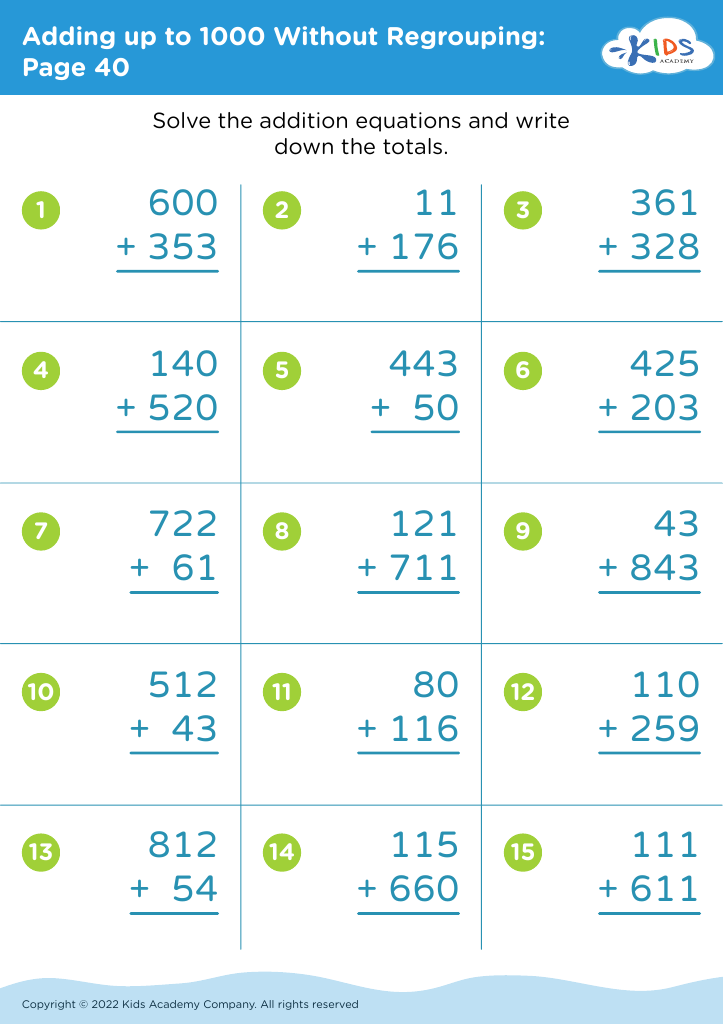
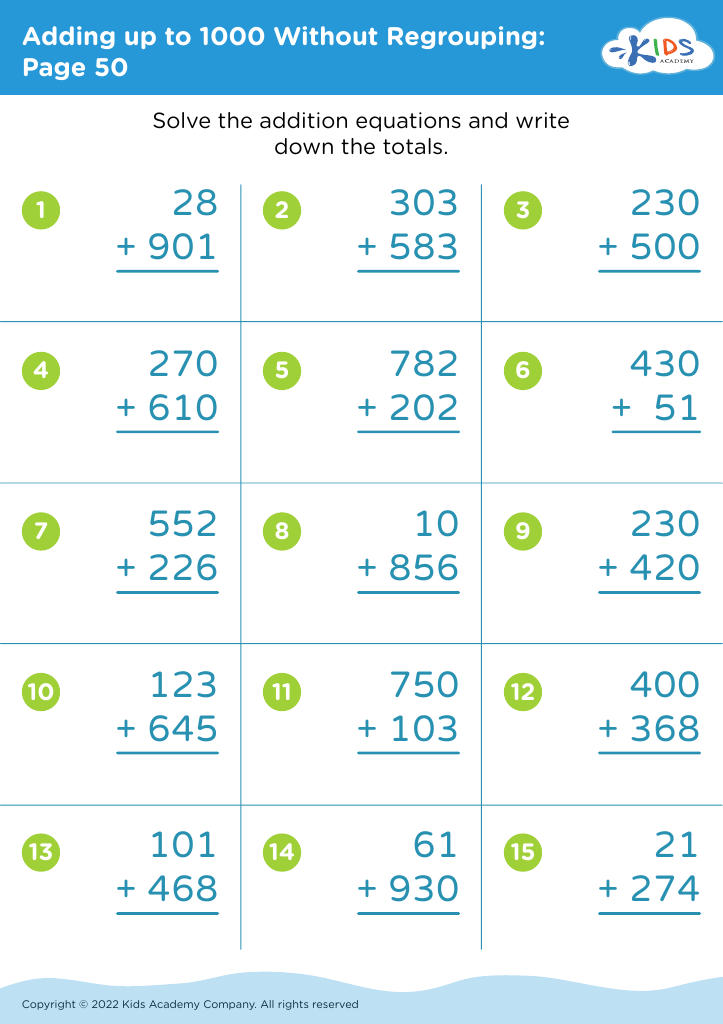
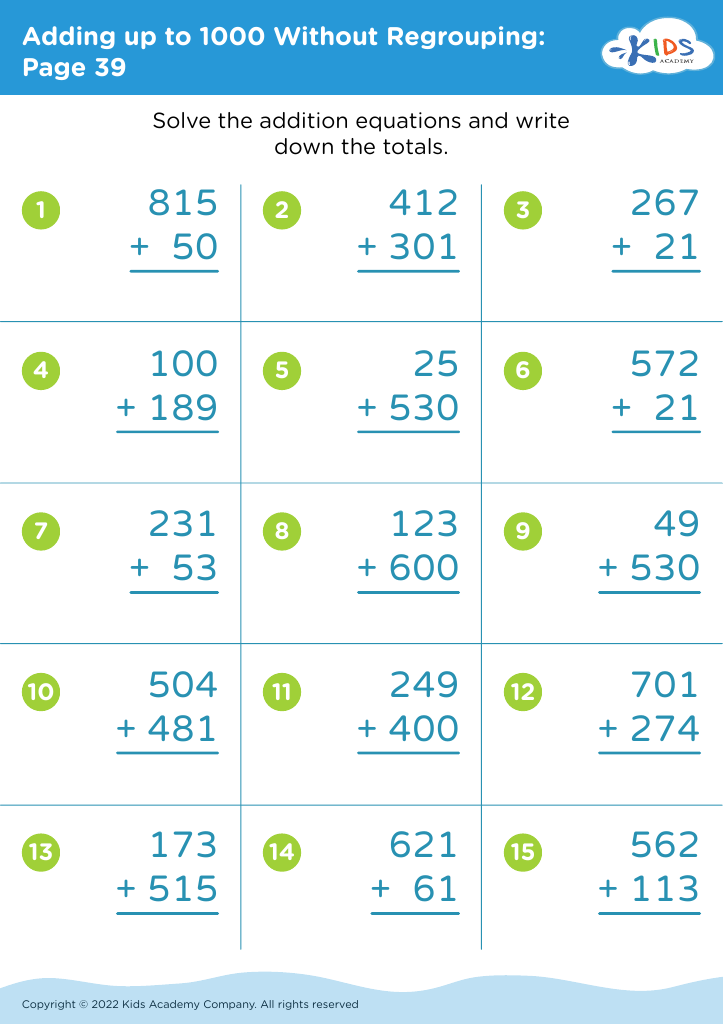








Alphabet recognition and foundational math skills such as addition and subtraction are critical milestones for children ages 5-8. Early mastery of these skills lays the groundwork for future academic success and enhances overall cognitive development.
For parents and teachers, understanding the significance of alphabet recognition is vital; it helps children become fluent readers and effective communicators. Learning letters and their sounds fosters literacy skills, allowing children to decode words, comprehend text, and express themselves clearly.
Similarly, basic math concepts like addition and subtraction are essential for developing problem-solving abilities and quantitative reasoning. When children understand these concepts, they gain confidence in their mathematical capabilities, enabling them to tackle more complex problems in later grades.
Furthermore, both skills promote critical thinking and logical reasoning, which are not only important academically but also in everyday life.
By emphasizing alphabet recognition and basic math, parents and teachers support children's learning in a holistic manner, helping them to become well-rounded individuals. These foundational skills pave the way for successful learning experiences, ensuring children are prepared to face academic challenges as they progress through school. Investing in these early competencies sets a positive trajectory for lifelong learning.








