Fraction conversion Addition & Subtraction Worksheets for Ages 5-8
3 filtered results
-
From - To
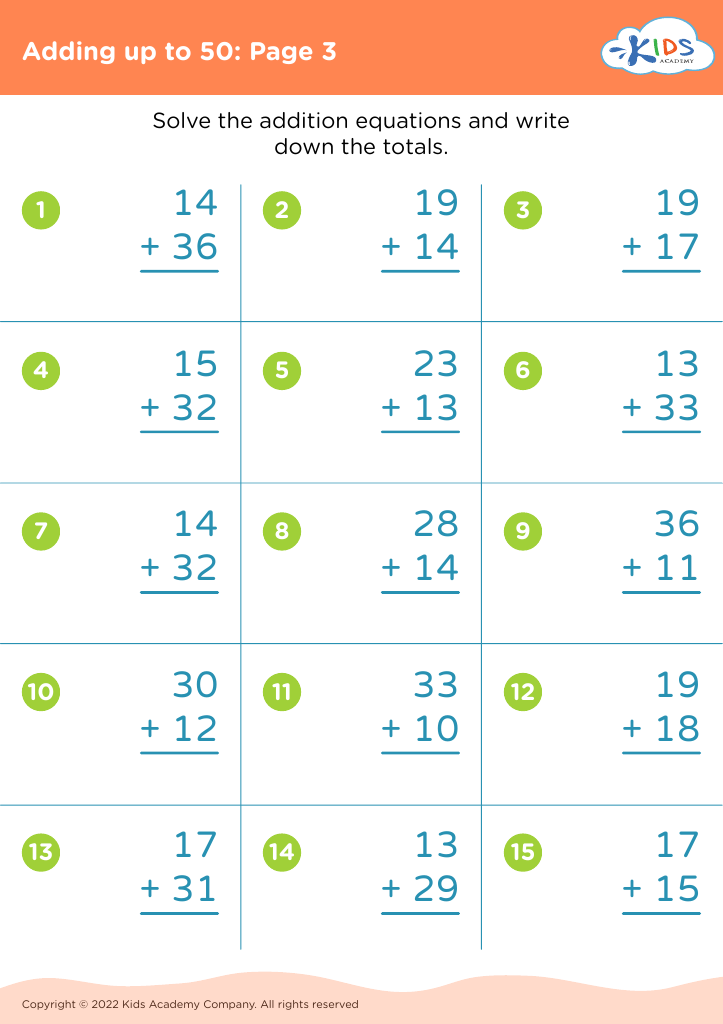
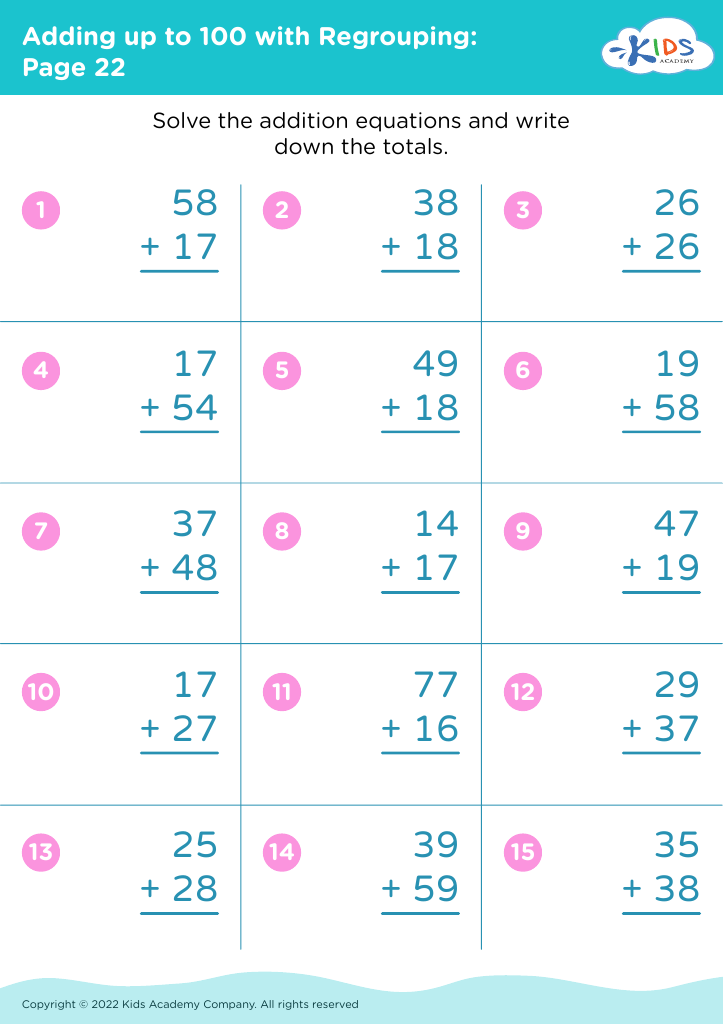
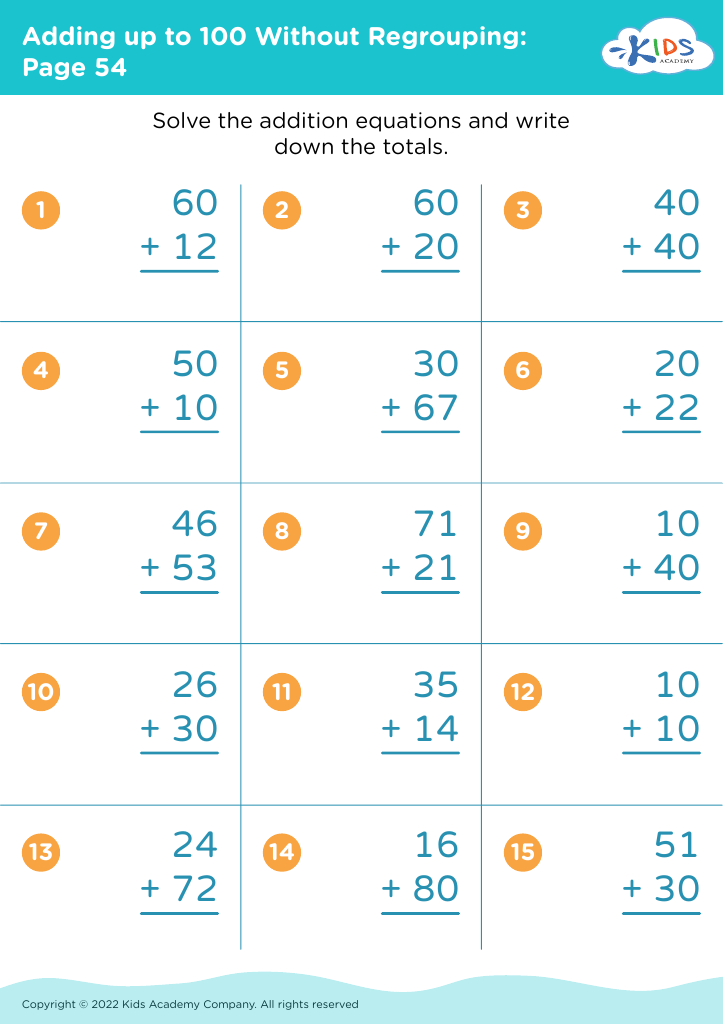
Explore our engaging Fraction Conversion Addition & Subtraction Worksheets designed for kids ages 5-8! These printable activities help young learners master the basics of fractions through fun and interactive exercises. Each worksheet presents easy-to-understand problems, making fraction conversion, addition, and subtraction enjoyable. Perfect for classroom use or at-home practice, they bolster comprehension and confidence in math skills. Start building a strong mathematical foundation for your child with our expertly crafted worksheets. Visit Kids Academy for supportive, educational resources tailored to kindergarten and early elementary students.








Understanding fraction conversion, addition, and subtraction at an early age holds significant importance for young learners, especially between the ages of 5-8. During this stage, children are developing foundational math skills that will support more advanced concepts in later years. Integrating fraction knowledge early helps them to think about numbers in a flexible way, improving their number sense and precision.
Fraction fundamentals teach children how to break down whole numbers into parts, which translates to an essential life skill—viewing fractions of items and quantities, for example, when dividing a pizza among friends or measuring ingredients in a recipe. Concepts of addition and subtraction of fractions further enhance their capability to combine and separate parts, improving problem-solving skills. These practices form a basis for algebra and higher mathematical calculations in the future.
Moreover, engaging with fractions boosts their spatial reasoning and logical thinking. It nudges them to see how parts form a whole, nurturing an appreciation for proportions and relative sizes. By the time complex mathematical topics come into their learning environment, students with a strong fraction foundation demonstrate greater confidence and competence. Cultivating these skills from the start supports academic success, encourages a positive attitude towards math, and equips children with practical, everyday skills for their development and interaction with the world.








