Identifying equivalent fractions Addition & Subtraction Worksheets for Ages 5-8
7 filtered results
-
From - To
Welcome to our collection of "Identifying Equivalent Fractions" worksheets, specially designed for children aged 5-8! These engaging and interactive worksheets focus on teaching young learners the concept of equivalent fractions while incorporating addition and subtraction skills. Our carefully crafted activities include visual aids, practical exercises, and fun illustrations to enhance understanding and retention. These worksheets promote foundational math skills, helping kids recognize, compare, and work with fractions effortlessly. Create a positive learning environment as your child explores fractions in a dynamic way, gaining confidence in their math abilities. Download and start your child's fraction journey today!
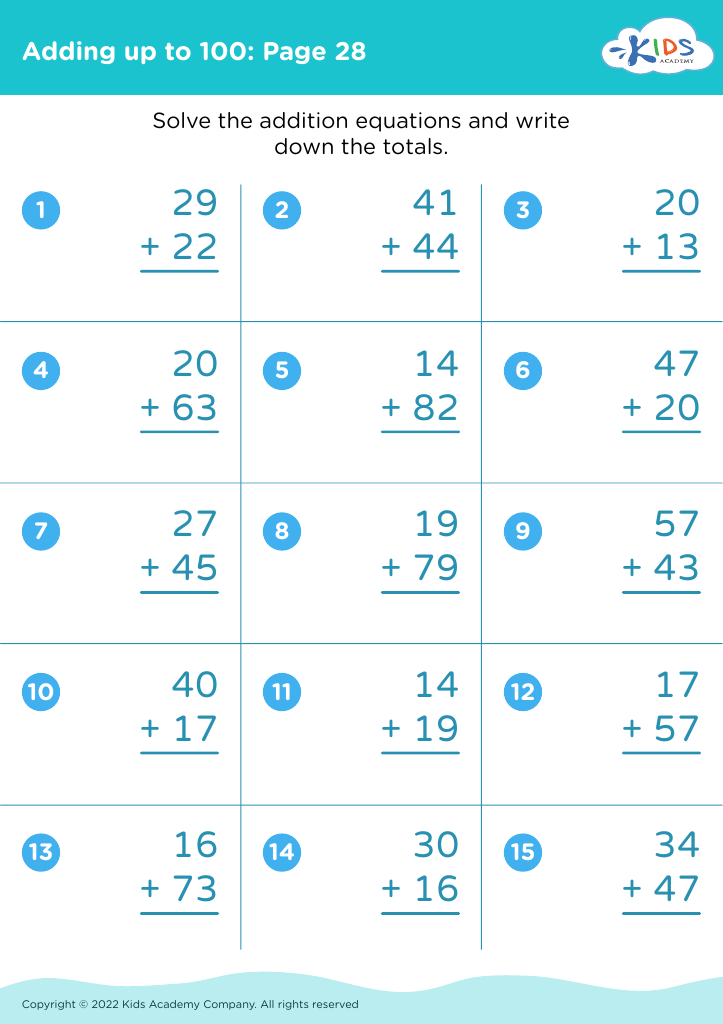
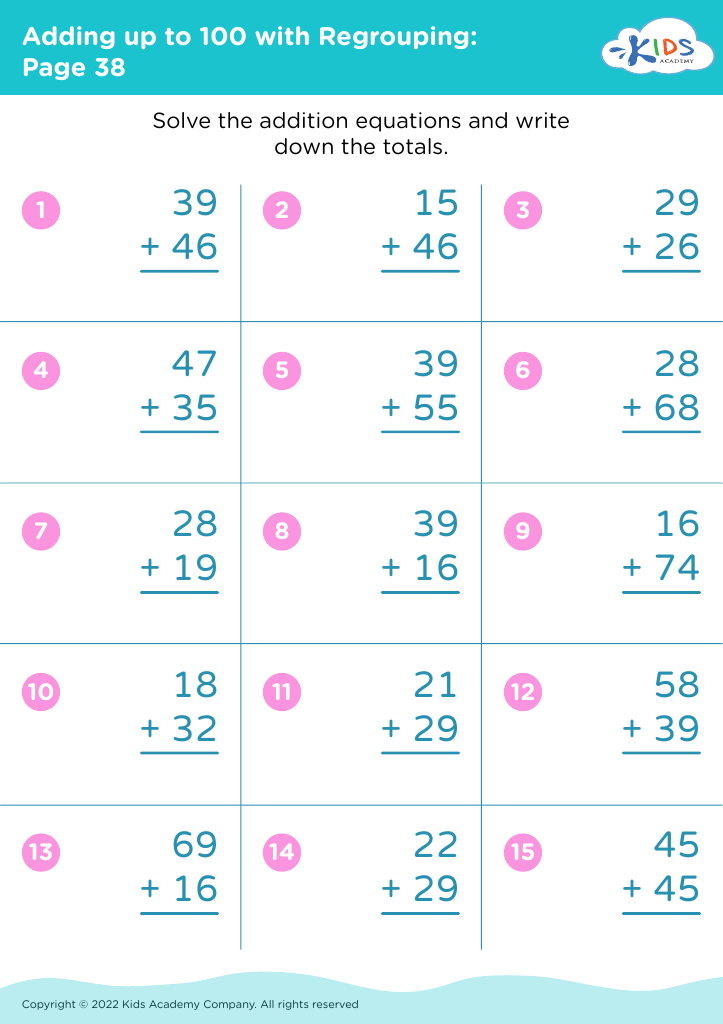
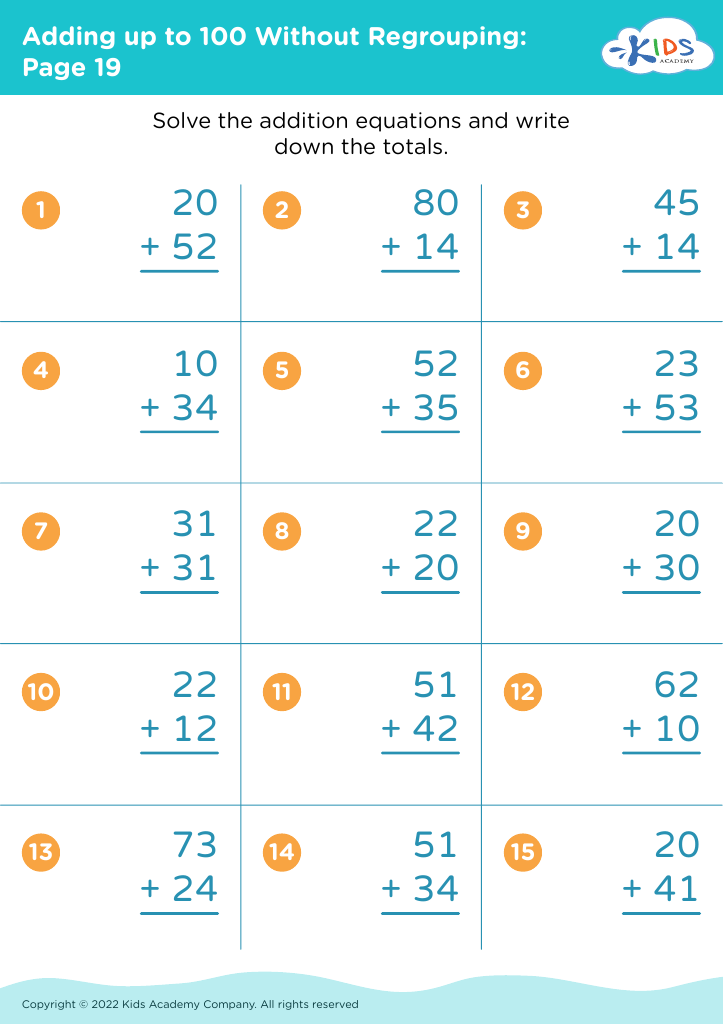
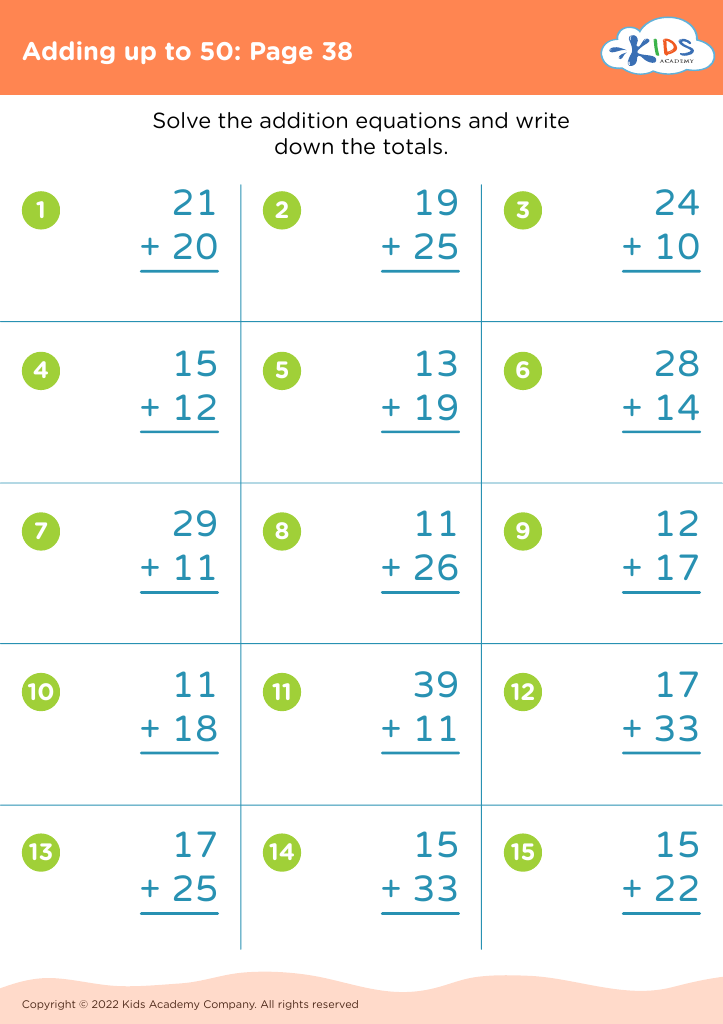








Identifying equivalent fractions, as well as mastering addition and subtraction of these fractions, is crucial for young learners, particularly between the ages of 5 and 8. During these formative years, children are developing foundational mathematical skills that will serve as building blocks for their future education. Understanding equivalent fractions helps students recognize that different fractions can represent the same value, fostering number sense and elasticity in thinking about numbers.
Parents and teachers should care about this concept because it enhances a child's ability to compare, simplify, and manipulate fractions, which are essential skills in more advanced math. Introducing equivalent fractions alongside addition and subtraction creates connections among these concepts and demonstrates their practical implications in real life, such as cooking or dividing resources.
Additionally, mastery of these skills at an early age instills confidence and reduces math anxiety, setting the stage for a positive attitude toward learning math as they progress. Those who develop a strong understanding of fractions pave the way for success in future topics such as ratios, percentages, and algebra. Encouraging exploration and discussion around this topic can create a rich mathematical discourse that supports lifelong learning habits.








