Identifying fractions Addition & Subtraction Worksheets for Ages 5-8
4 filtered results
-
From - To
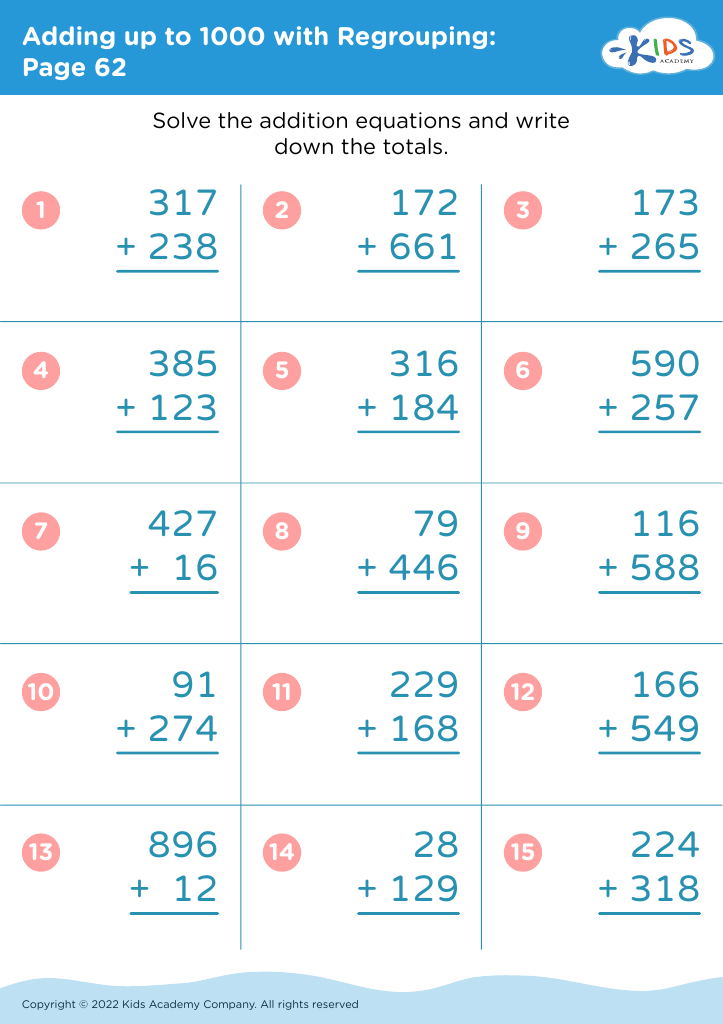
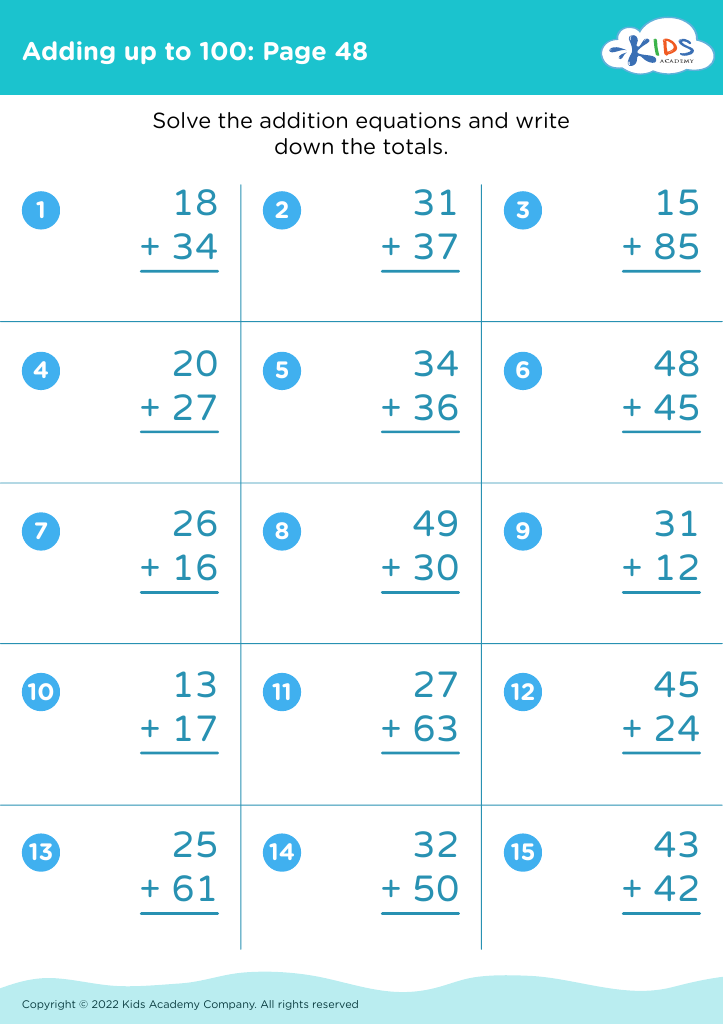
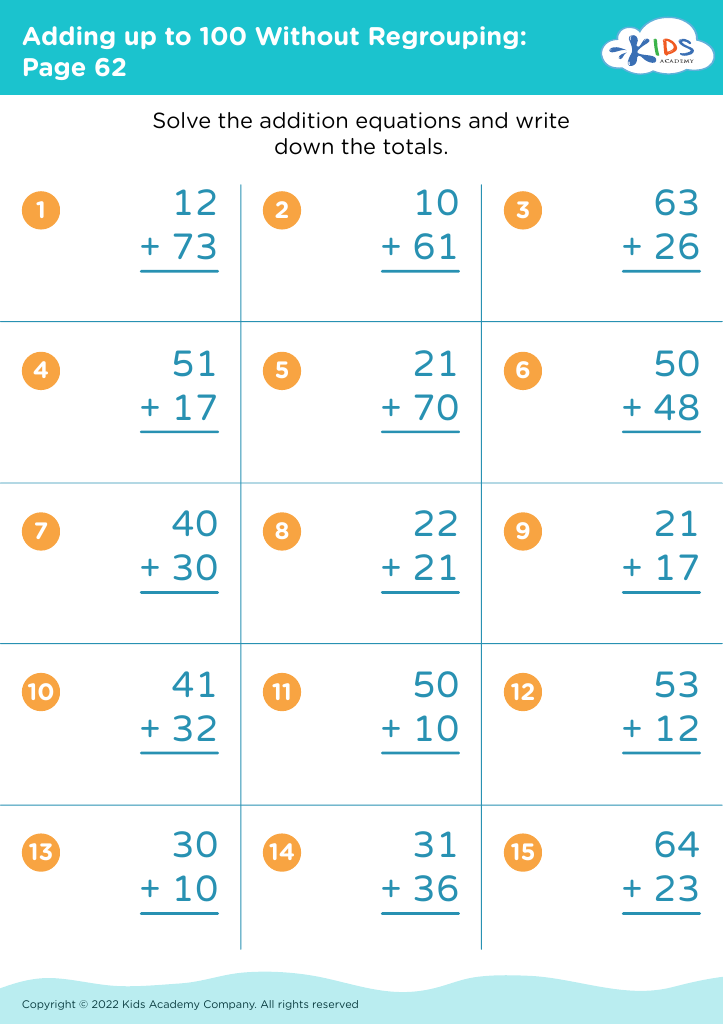
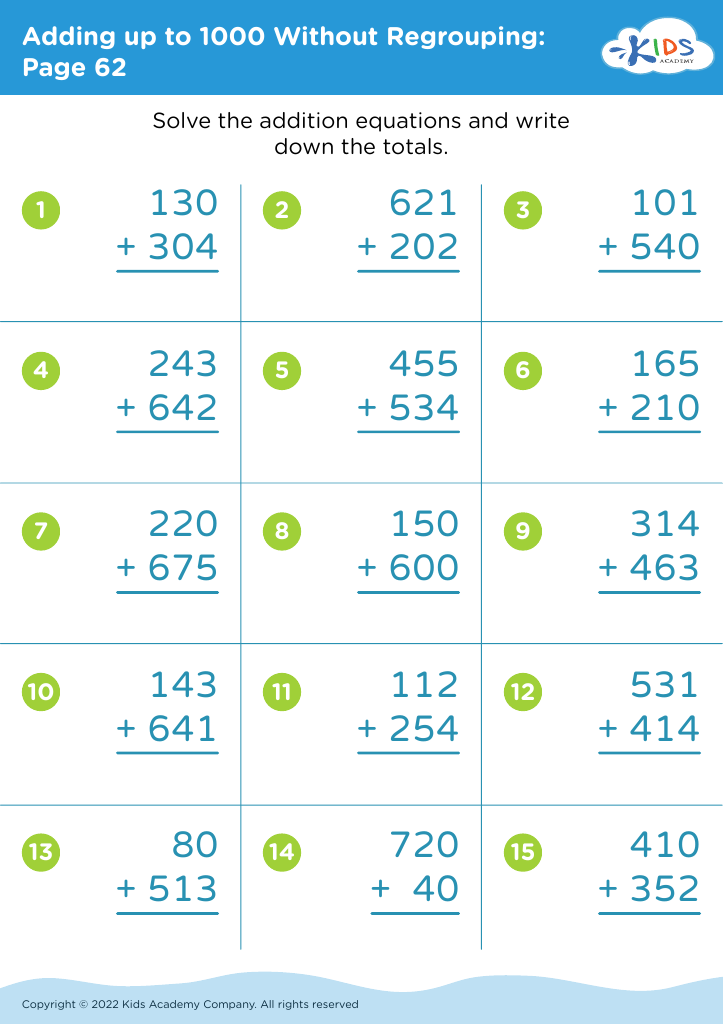
Introduce young learners to the basics of fractions with our engaging Identifying Fractions Addition & Subtraction Worksheets designed for ages 5-8. These printable worksheets from Kids Academy help children master fraction fundamentals through fun, interactive exercises. Featuring colorful visuals and relatable scenarios, the worksheets guide students in recognizing, adding, and subtracting fractions. Each activity is thoughtfully crafted to boost your child’s math skills and confidence. Perfect for home or classroom use, our resources offer a comprehensive way to support your child’s early fraction education. Download today and make math an enjoyable part of your child's learning journey!








Understanding fractions and basic arithmetic such as addition and subtraction is crucial for young children ages 5-8 as these concepts form the foundation of mathematical literacy. Early recognition and manipulation of fractions enhance cognitive skills, reinforcing concepts of sharing, dividing, and understanding parts of a whole, which are essential in many real-life situations. When children early on comprehend the idea that numbers can be divided into smaller, equal parts, they're better equipped for more complex math problems later.
Engaging with fractions, addition, and subtraction nurtures problem-solving strategies, critical thinking, and quantitative reasoning. Furthermore, it contributes to the development of a strong number sense, which allows children to estimate, understand relationships between numbers, and categorize information effectively. This quantitative foundation is invaluable not only in future mathematics learning but also in subjects like science and technology, where accurate measurements and data interpretation are key.
Moreover, mastering these concepts boosts confidence. When students grasp the basics, they're more likely to view math as a set of conquerable challenges rather than insurmountable tasks. This positive attitude towards learning can spur curiosity and a lifetime love for math and education in general.
Early intervention by parents and teachers ensures children do not fall behind, setting a strong precedent for continuous learning and academic success.








