Improve number recognition Addition & Subtraction Worksheets for Ages 5-8
15 filtered results
-
From - To
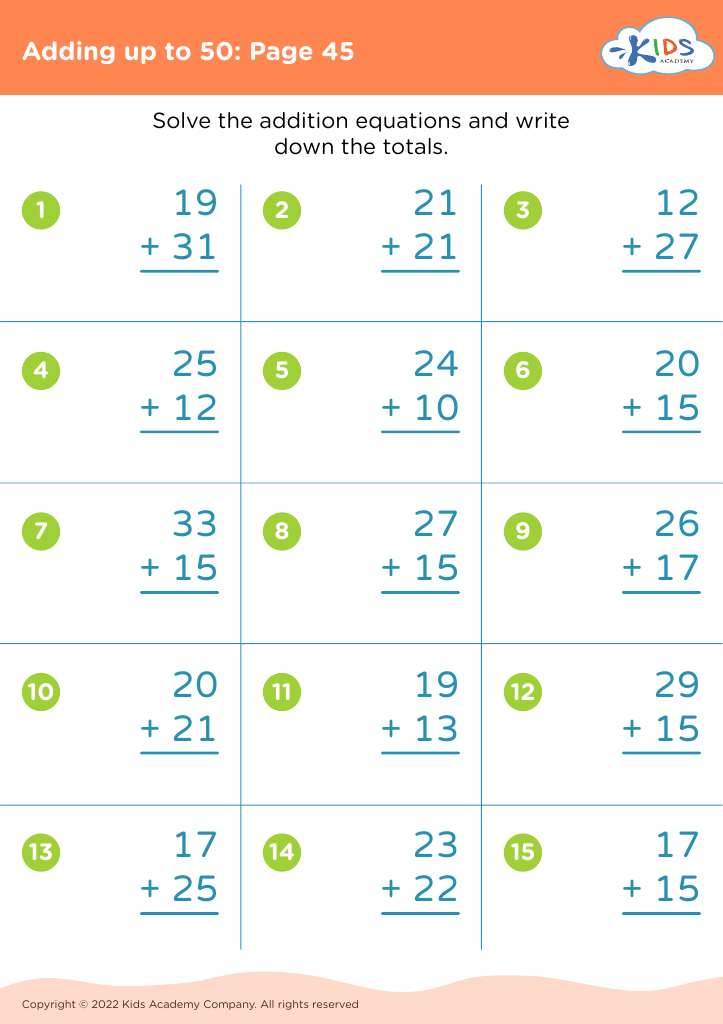
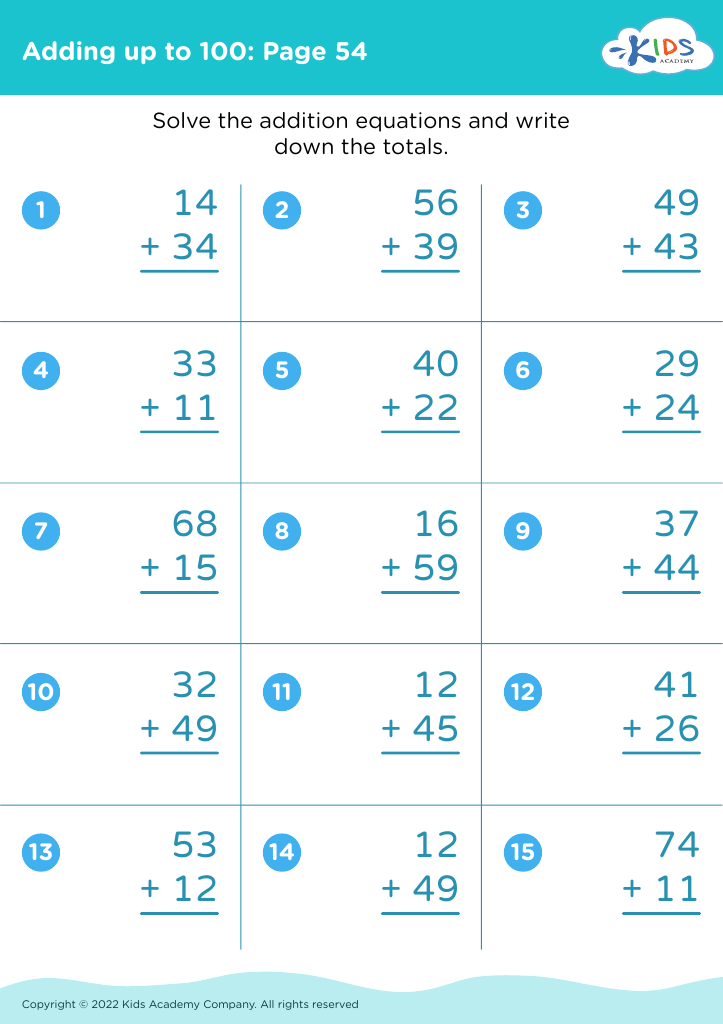
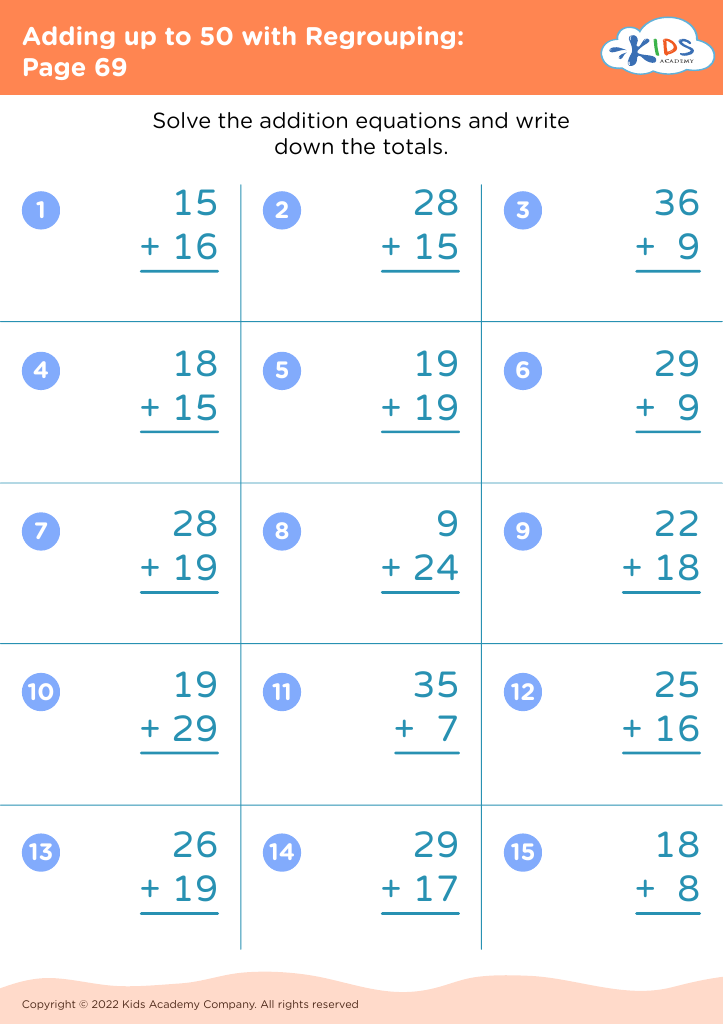
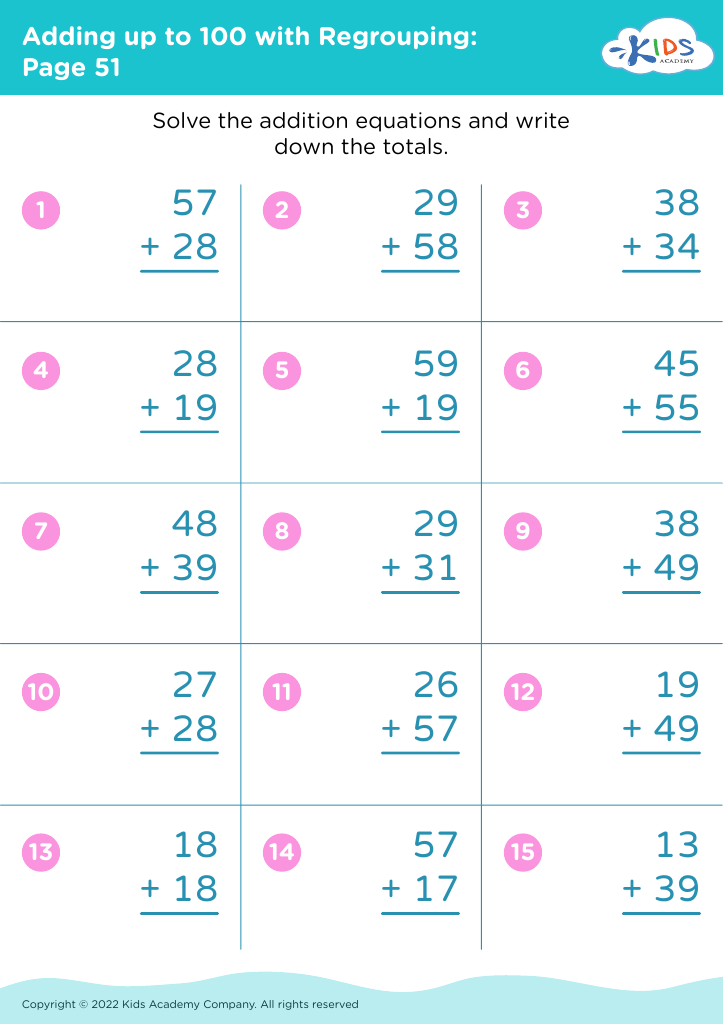
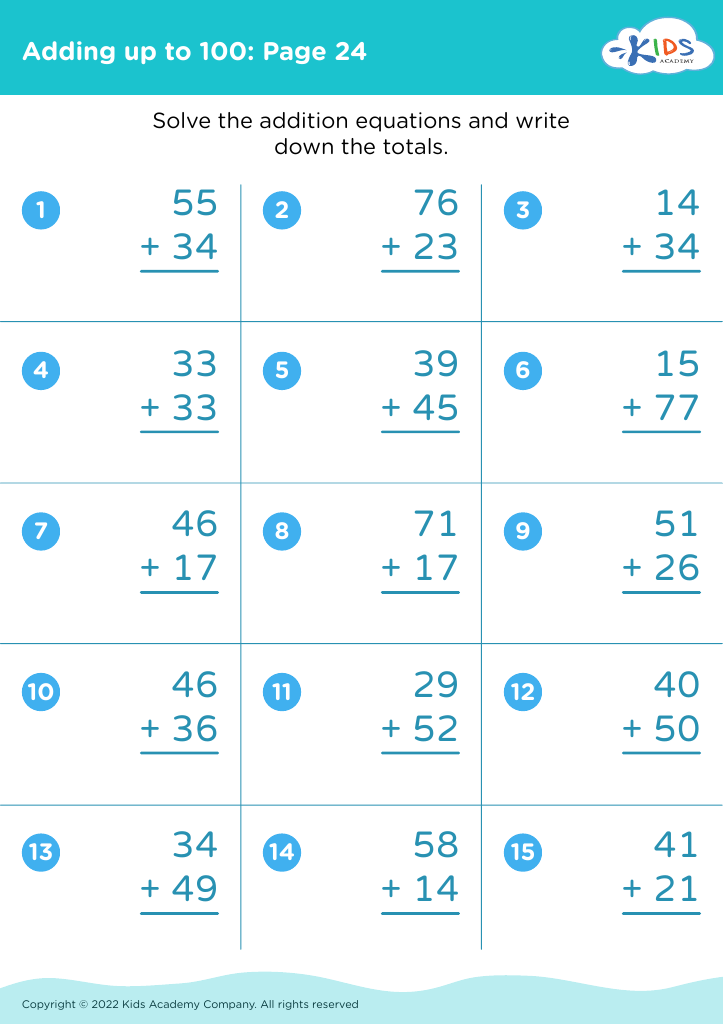
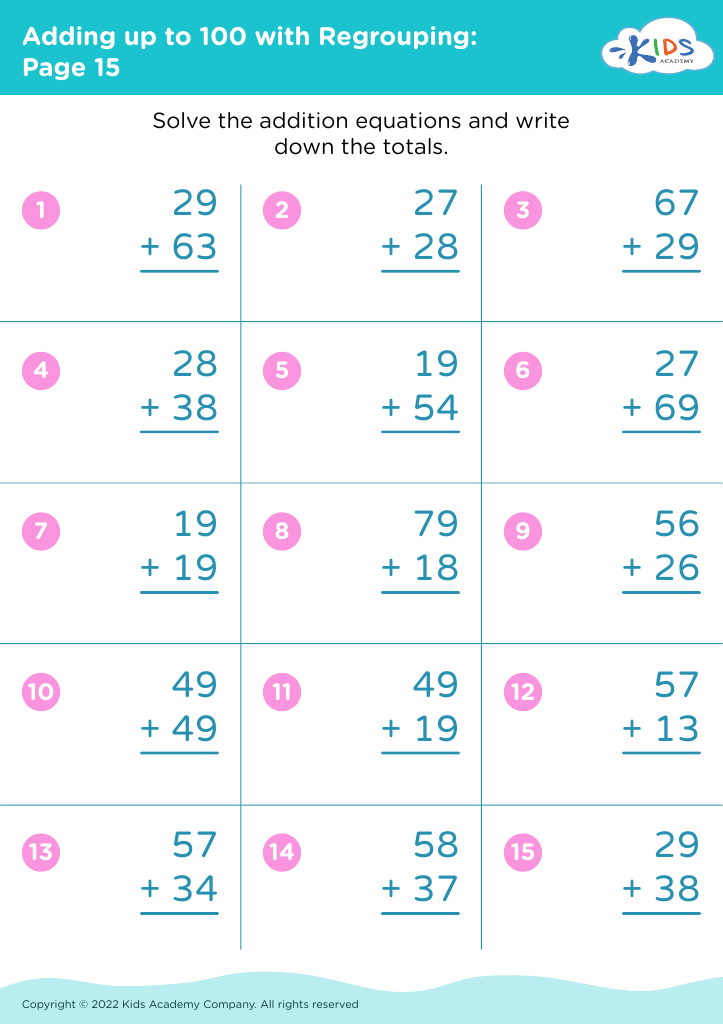
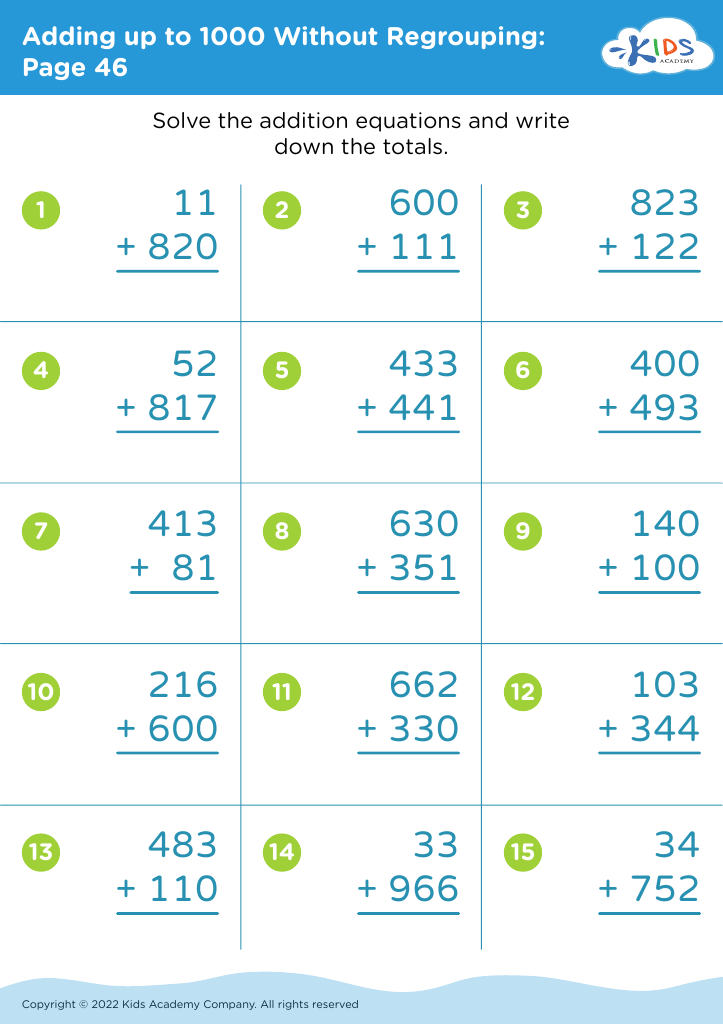
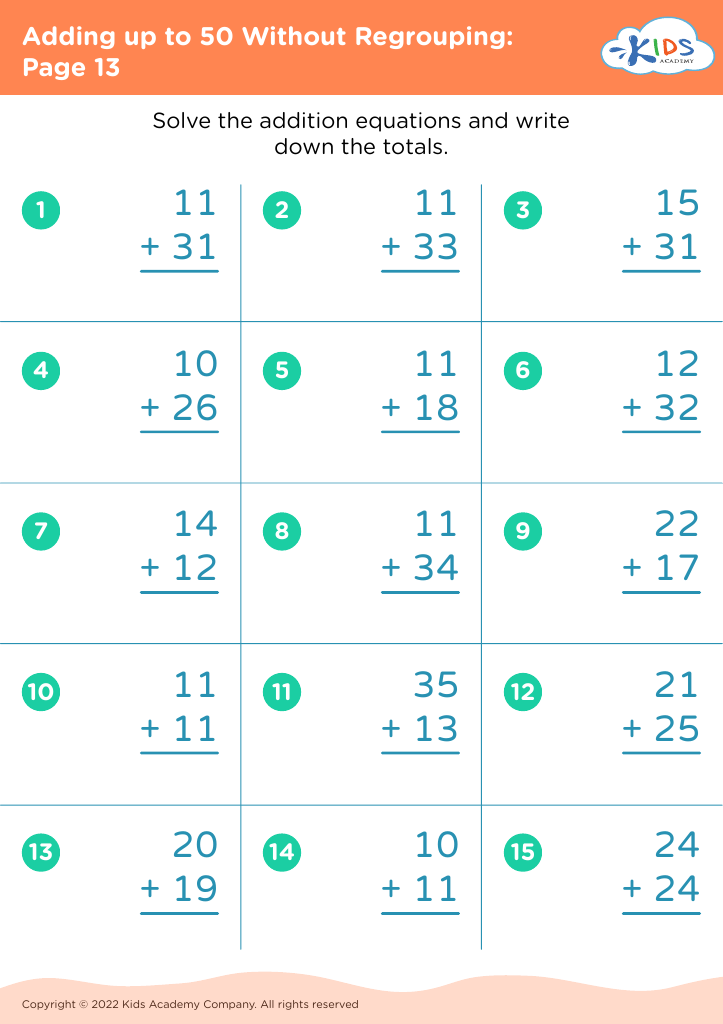
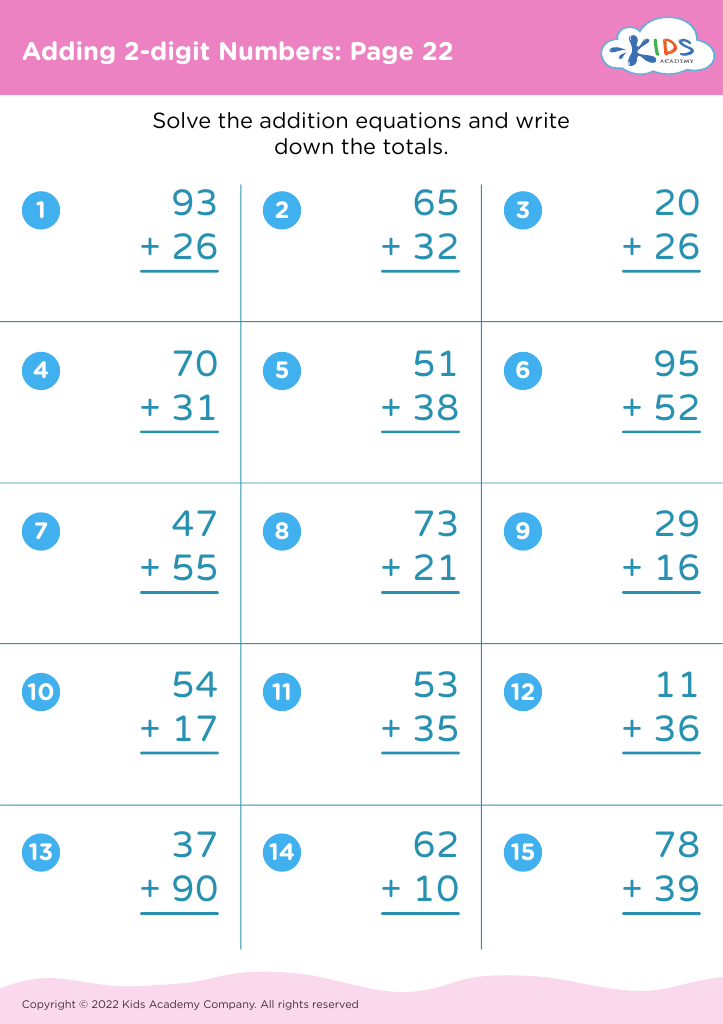
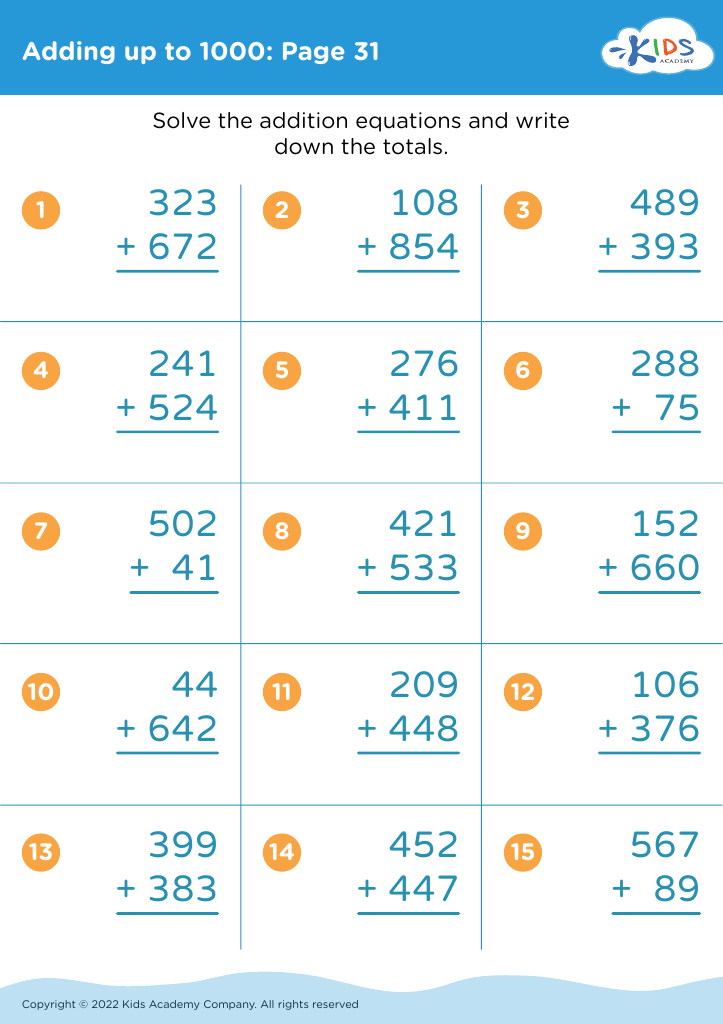
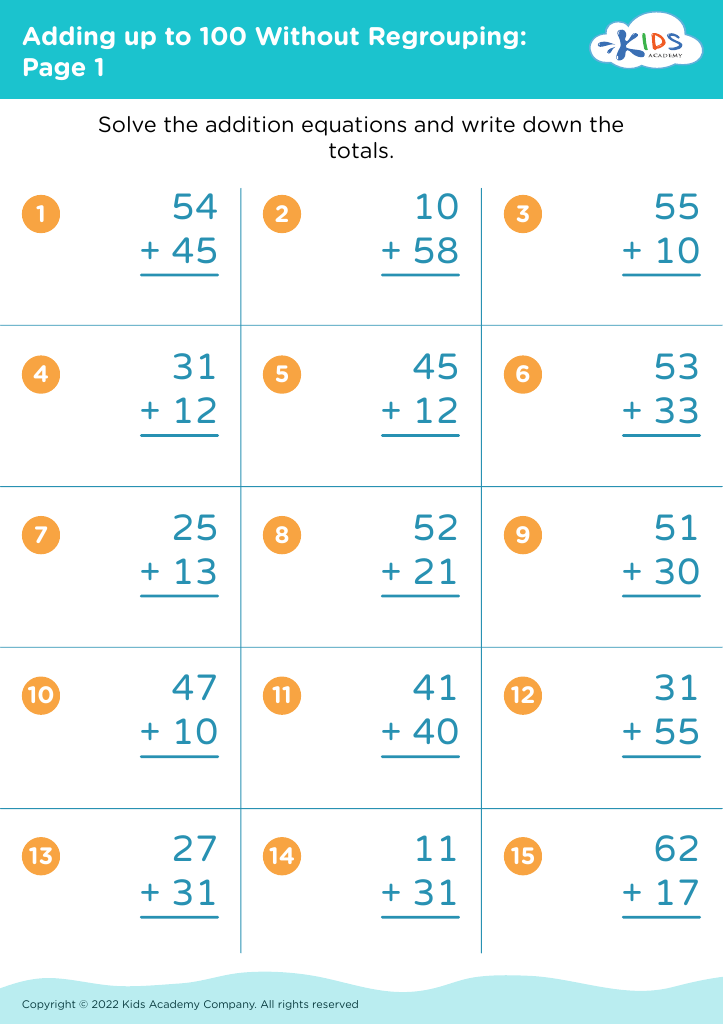
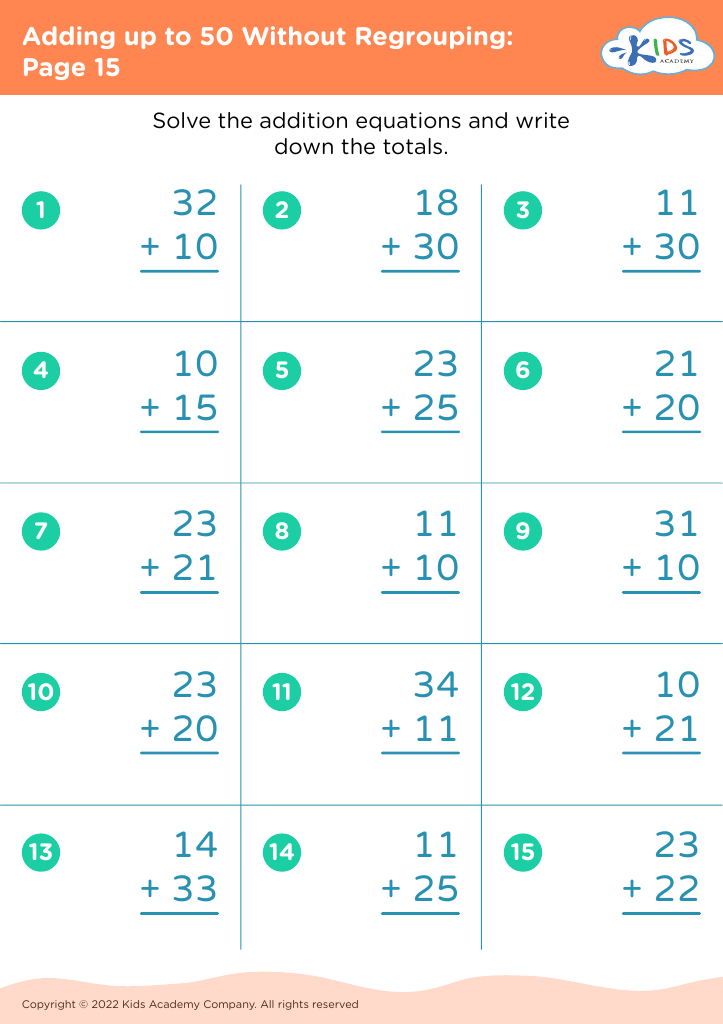
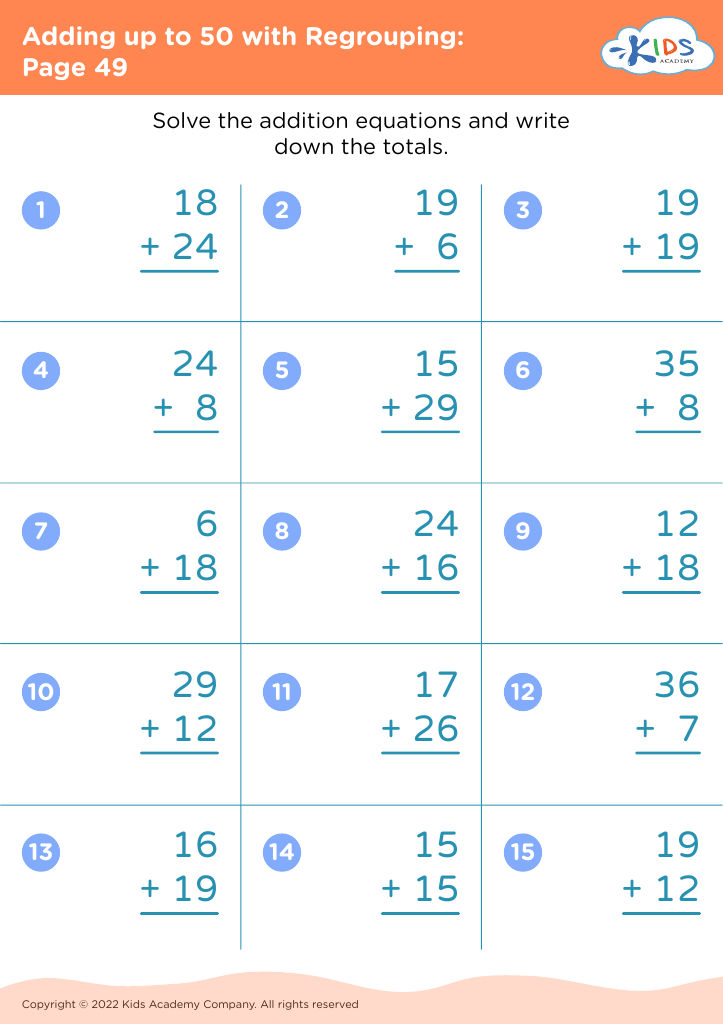
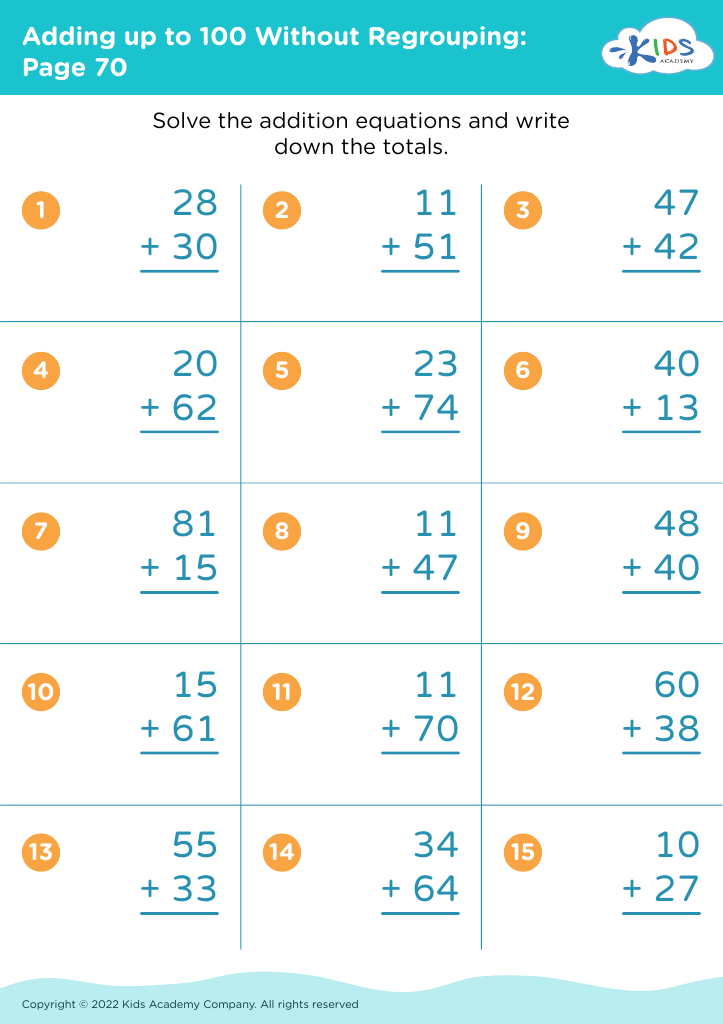
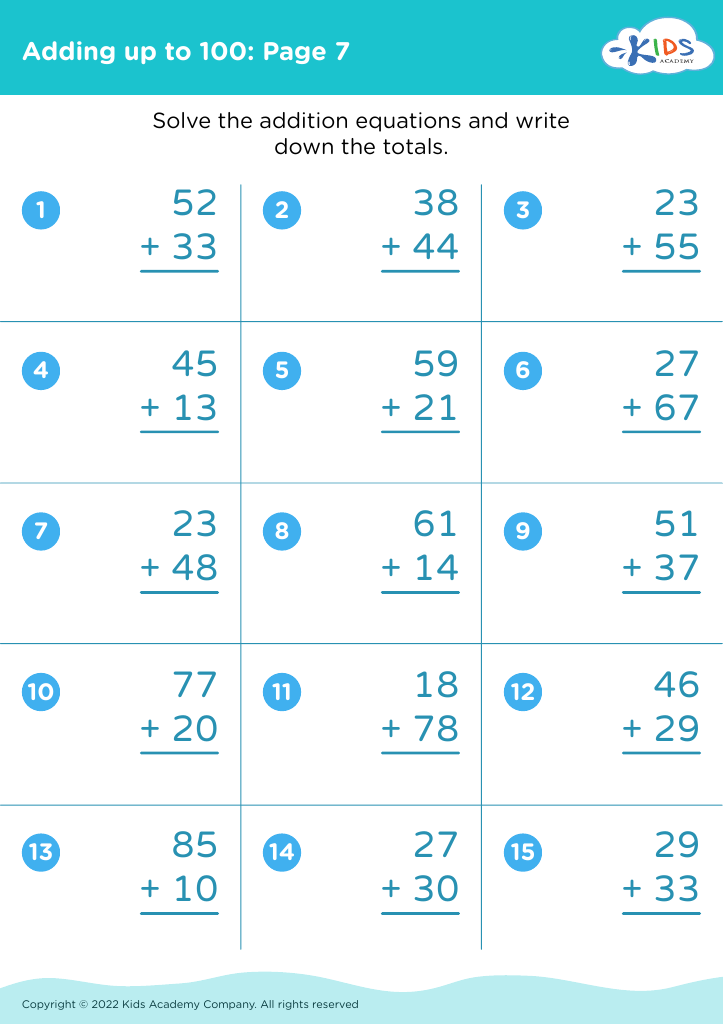
Enhance your child's math skills with our "Improve Number Recognition Addition & Subtraction Worksheets" designed specifically for ages 5-8! These engaging and colorful worksheets focus on boosting number recognition while introducing fundamental addition and subtraction concepts. Each worksheet offers clear instructions and diverse exercises that captivate young learners, making math fun and approachable. As children practice, they develop confidence in their problem-solving abilities and build a solid foundation for future math success. Perfect for classroom use or at-home learning, our worksheets support skill development and creativity in young minds. Download today and watch your child's numeracy skills flourish!








Number recognition and foundational arithmetic skills like addition and subtraction are crucial for children aged 5-8, setting the stage for their future success in mathematics and overall academic performance. During this formative stage, children's cognitive abilities rapidly develop, and they begin to make sense of the world around them through numbers. Mastery of these basic skills fosters confidence and encourages children to engage more deeply with mathematical concepts.
Teachers and parents should prioritize improving number recognition, addition, and subtraction because these skills form the backbone for more complex math topics such as multiplication, division, and eventually, problem-solving in real-life scenarios. Children who struggle with these basics often face challenges later, leading to math anxiety and aversions to learning.
Additionally, improvement in these areas promotes critical thinking, logical reasoning, and cognitive development. Early exposure through playful learning—like games and hands-on activities—makes math enjoyable, helping kids develop a positive attitude. By supporting children in mastering these skills, parents and teachers can ensure they are not only prepared for future academic challenges but also equipped with numerical literacy essential for everyday life. Thus, fostering a solid numerical foundation ensures lifelong learners equipped with problem-solving skills necessary in today's world.








