Improving subtraction skills Addition & Subtraction Worksheets for Ages 5-8
3 filtered results
-
From - To
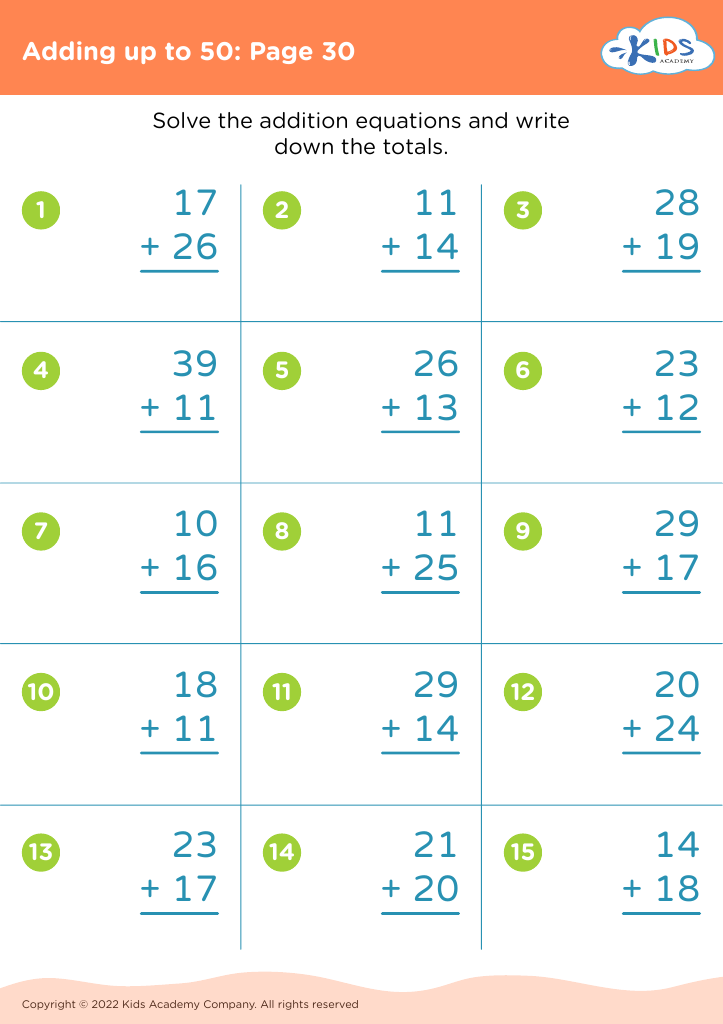
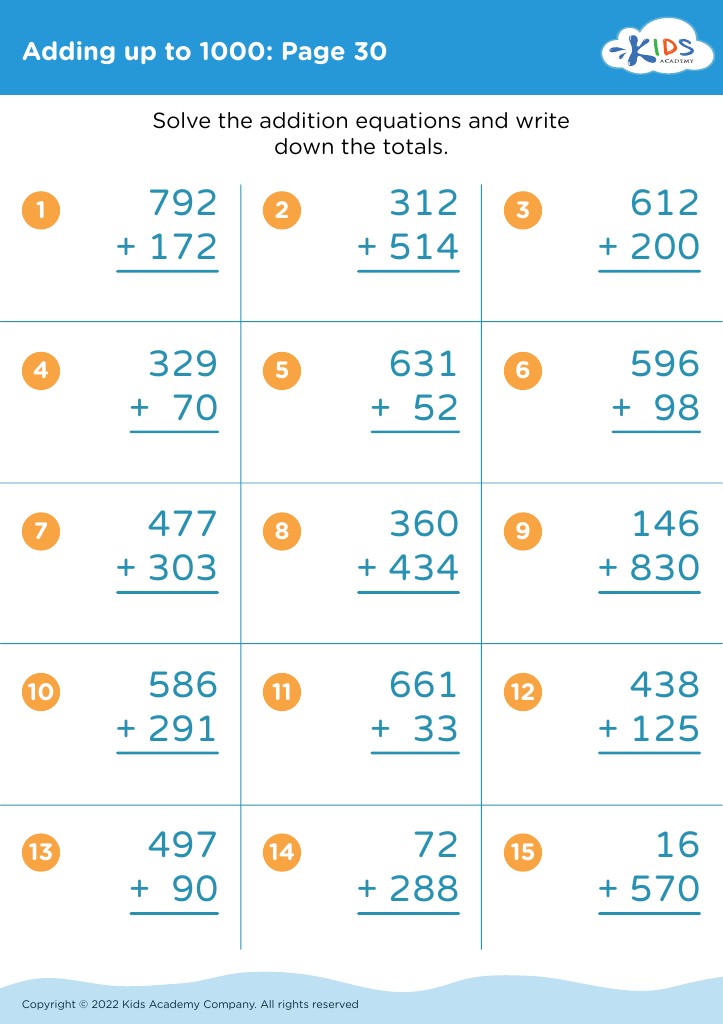
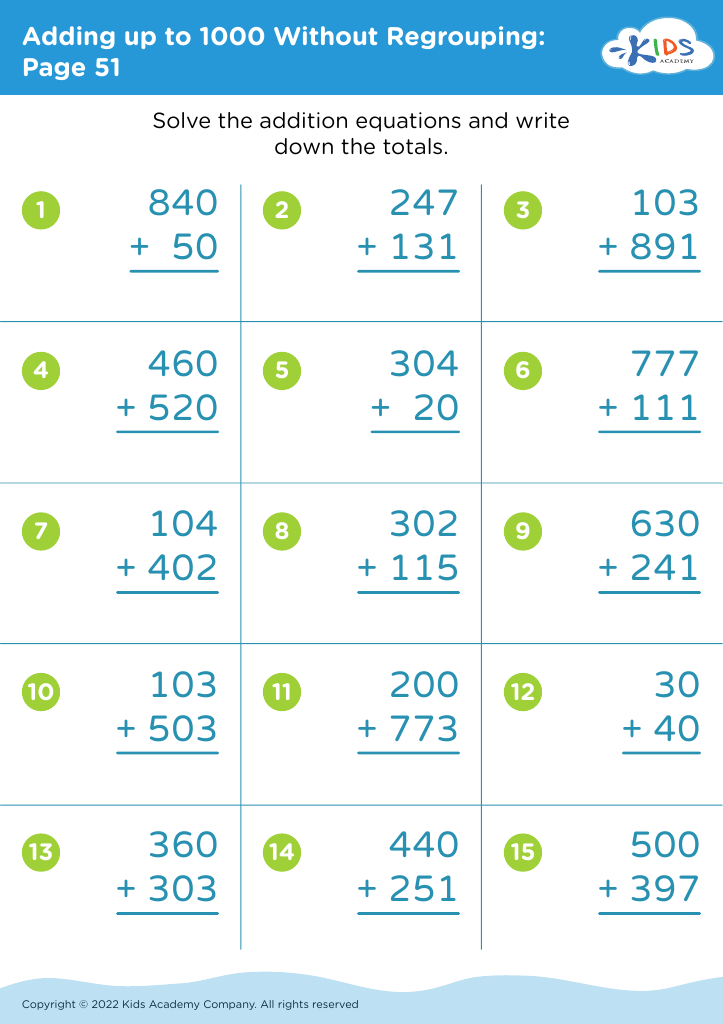
Enhance your child's subtraction skills with our engaging Addition & Subtraction Worksheets, specifically designed for ages 5-8. These interactive worksheets feature a variety of activities and exercises that make learning subtraction fun and effective. With colorful visuals and relatable examples, your young learners will gain confidence while mastering this essential math skill. Our curriculum aligns with educational standards, ensuring a comprehensive learning experience. Whether at home or in the classroom, these worksheets provide targeted practice to improve accuracy and speed in subtraction. Start their math journey today, and watch them excel in subtraction with ease and enjoyment!








Improving subtraction skills is crucial for children aged 5-8, as it lays a strong foundation for their overall mathematical development. At this early learning stage, children are not just absorbing numbers but also grasping essential cognitive skills, logical thinking, and problem-solving abilities. Mastering subtraction enhances their confidence in handling numbers and equations, promoting a positive attitude towards math.
Additionally, subtraction is intertwined with real-life situations, such as managing money or measuring quantities, making it essential for daily tasks. If children struggle with subtraction, they may face ongoing challenges in more complex mathematical concepts later on, such as multiplication, division, and even in fields like science or economics, which rely on mathematical skills.
Parents and teachers play an instrumental role in nurturing these skills. When they prioritize subtraction practice through engaging activities, games, or storytelling, they can motivate children and reinforce their learning in a fun way. Addressing difficulties early on helps ensure that children build the resilience and analytical mindset needed for higher academic success. By focusing on subtraction skills, parents and teachers help cultivate a lifelong appreciation for math, setting the stage for future achievements in both academic and real-world contexts.








