
Letter recognition Addition & Subtraction Worksheets for Ages 5-8
3 filtered results
Difficulty Level
Grade
Age
-
From - To
Subject
Activity
Standards
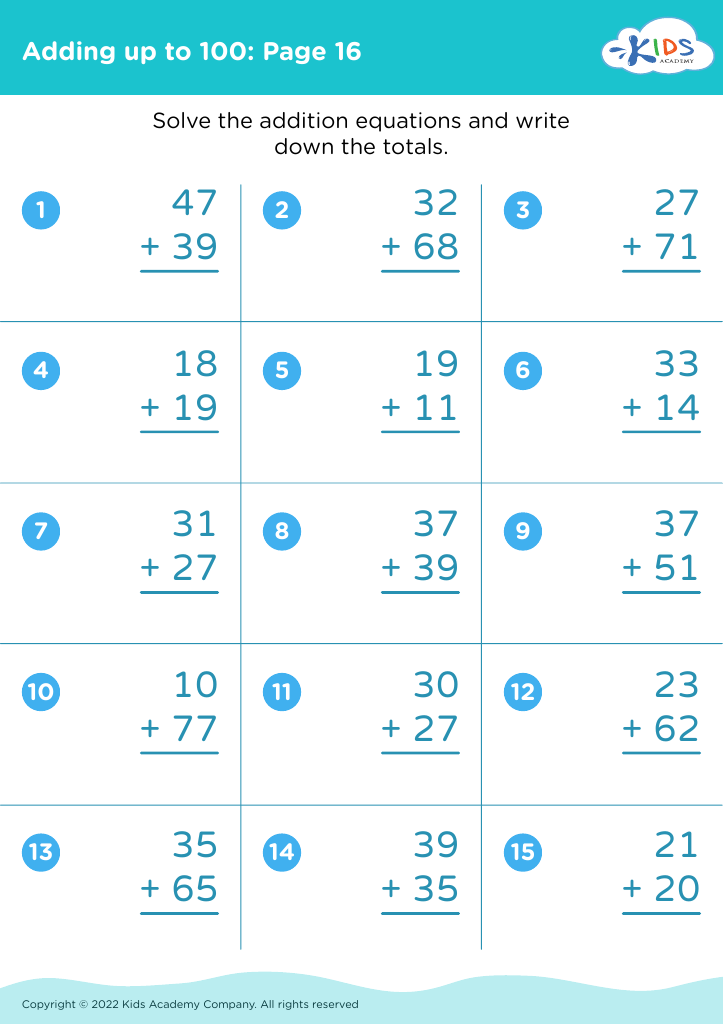
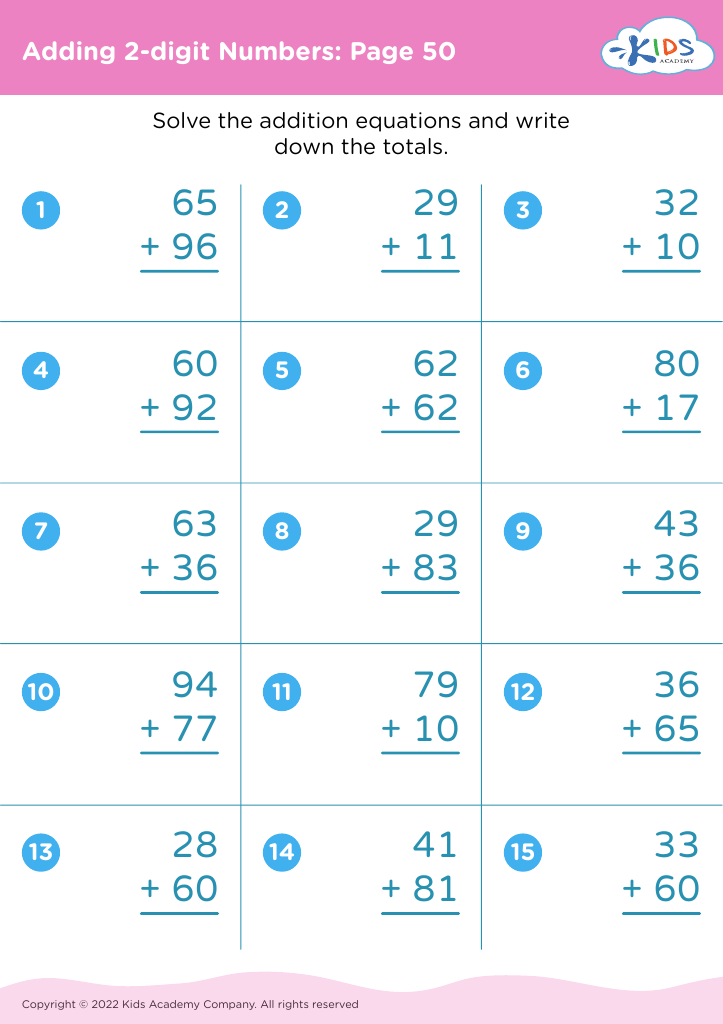
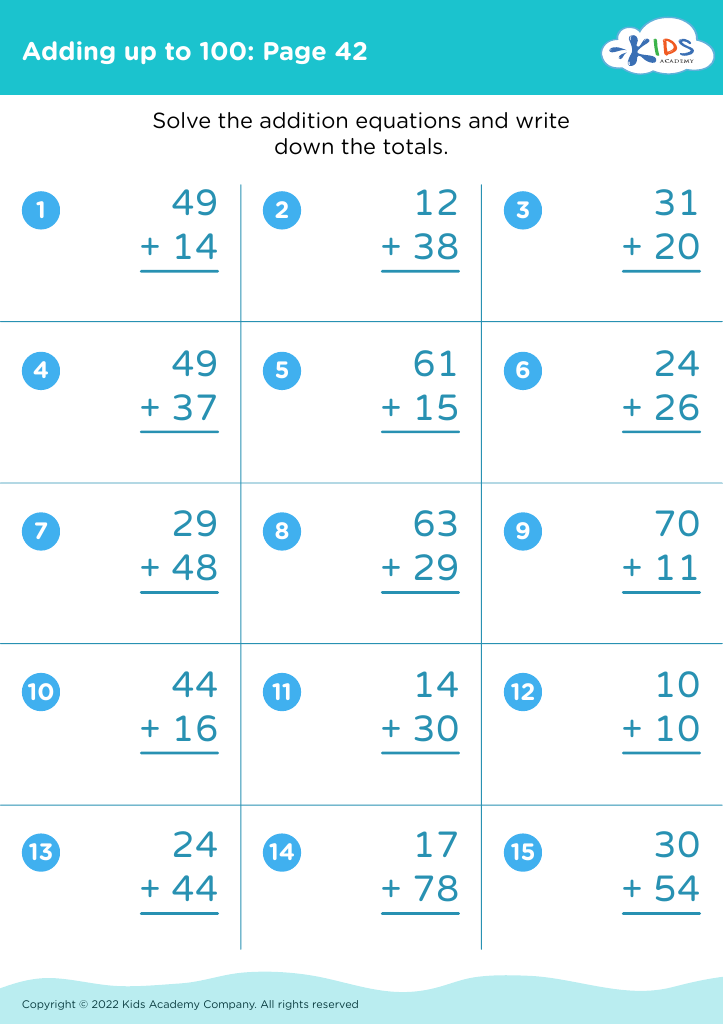
Enhance your child's learning experience with our engaging Letter Recognition Addition and Subtraction Worksheets designed for ages 5-8! These fun, interactive worksheets blend essential math skills with letter recognition, helping young learners build a strong foundation in both areas. Each activity promotes critical thinking as children identify letters, and practice addition and subtraction concepts. Perfect for classrooms or home study, these worksheets are tailored to foster early math skills while reinforcing alphabet recognition. Encourage your child's love for learning with colorful, age-appropriate exercises that make mastering these skills enjoyable. Visit our website to access our printable worksheets today!
Favorites
With answer key
Interactive
Join Kids Academy for Free
Who is primarily going to use this learning content?








Parents and teachers should care about letter recognition, addition, and subtraction for children ages 5 to 8 because these foundational skills are vital for academic success and lifelong learning. Letter recognition is crucial as it enhances literacy skills, enabling children to read and write effectively. Early literacy skills boost confidence and participation in class, laying the groundwork for future educational achievements.
Simultaneously, mastering addition and subtraction develops mathematical fluency, critical for problem-solving and logical thinking. These skills help children understand the world around them; they learn to manage basic financial concepts, such as counting change or budgeting for small purchases.
Additionally, proficiency in these areas supports cognitive development, as children practice sequencing, categorization, and spatial awareness through numbers and letters. Engaging children in fun, interactive activities related to these concepts can reinforce their learning while promoting a positive attitude toward education.
Overall, fostering these skills prepares children for increasingly complex subjects in the future, helping them become more successful students. Involving parents in this process can also strengthen family bonds and create a supportive learning environment at home, further enhancing a child’s intellectual and emotional growth.








