Shape identification Addition & Subtraction Worksheets for Ages 5-8
14 filtered results
-
From - To
Discover our engaging “Shape Identification Addition & Subtraction Worksheets” designed for children aged 5-8! These worksheets combine essential math skills with fun shape recognition activities, making learning both effective and enjoyable. Your young learners will practice adding and subtracting while identifying various shapes, helping to reinforce their understanding of geometry. Each worksheet features colorful visuals and easy-to-follow instructions, promoting independent learning and critical thinking. Perfect for home, classroom, or tutoring sessions, these resources ensure that kids develop foundational math skills in a playful environment. Explore our collection today and watch your child's confidence and competence in math flourish!
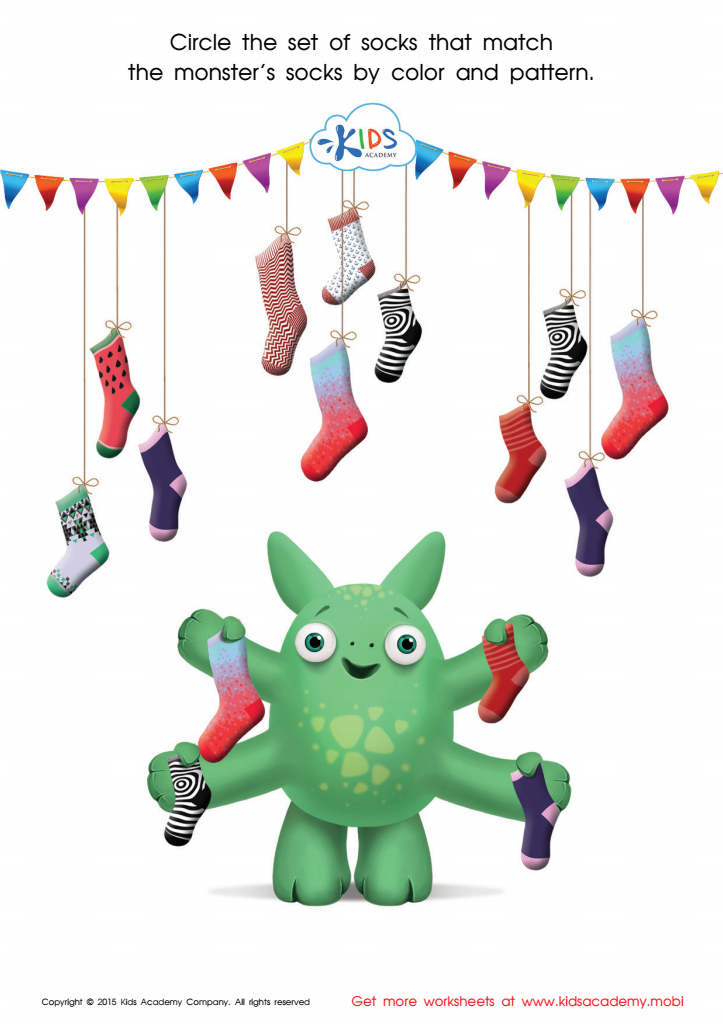
Sort the Monster's Socks Worksheet
 Assign to My Students
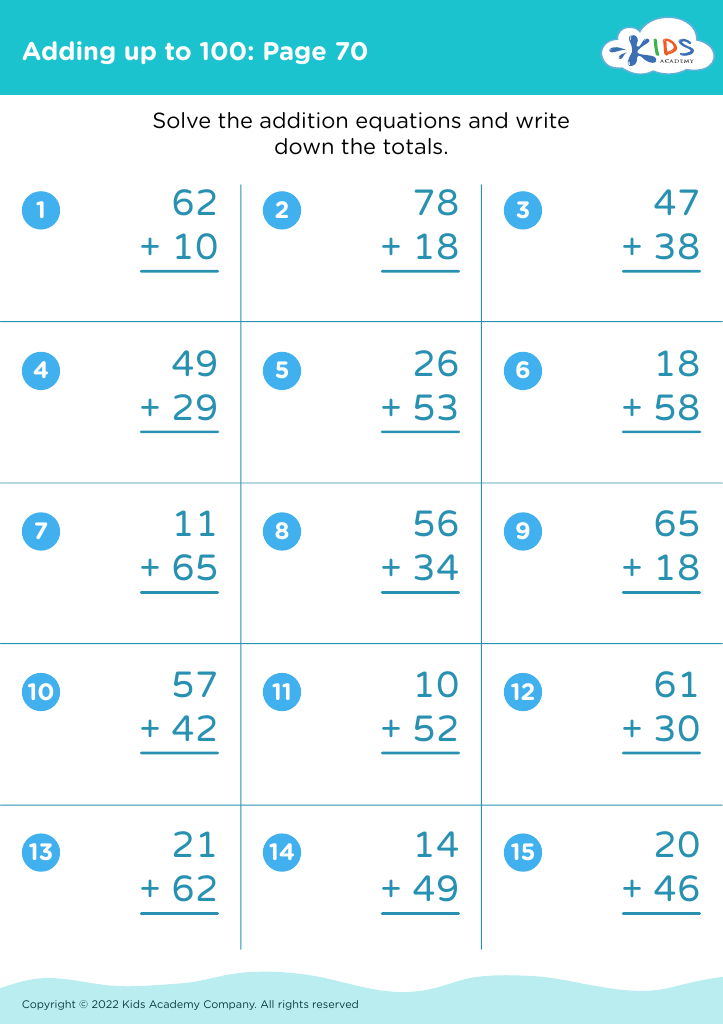
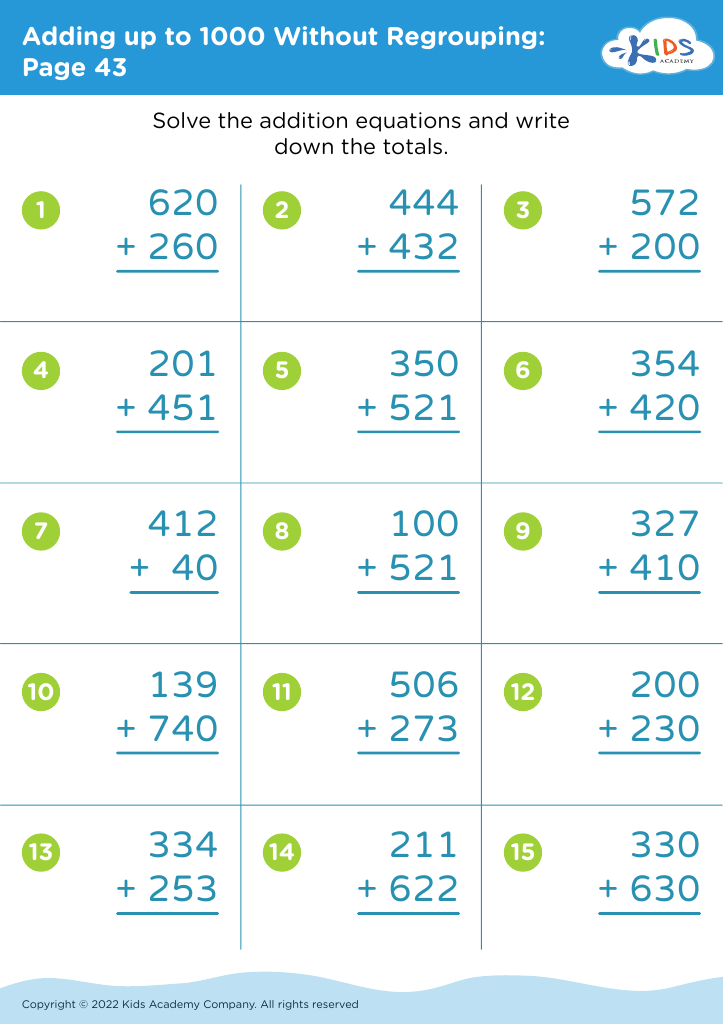








Shape identification, addition, and subtraction are fundamental skills for children aged 5-8, forming the building blocks for later mathematical understanding and critical thinking. Recognizing shapes helps children to make sense of the world around them, enhancing their spatial awareness and problem-solving abilities. When children learn to identify shapes, they begin to categorize objects and understand their properties, such as size, symmetry, and color, which is vital for early math development.
Addition and subtraction are introductory arithmetic skills that are essential for daily life and future academic success. These operations teach children how to group objects, understand quantity, and develop reasoning skills. Mastering basic addition and subtraction enables students to tackle more complex math concepts later.
Moreover, these skills promote cognitive development by encouraging logical thinking and offering opportunities to practice decision-making. By engaging in shape recognition and basic math operations, children also learn persistence and resilience as they work through challenges.
Parents and teachers play a crucial role in fostering these skills. By incorporating games, discussions, and hands-on activities related to shapes, addition, and subtraction, they create a supportive learning environment that sparks curiosity and builds confidence in young learners, laying the groundwork for future academic endeavors.








