
Understand multiplication Addition & Subtraction Worksheets for Ages 5-8
6 filtered results
Difficulty Level
Grade
Age
-
From - To
Subject
Activity
Standards
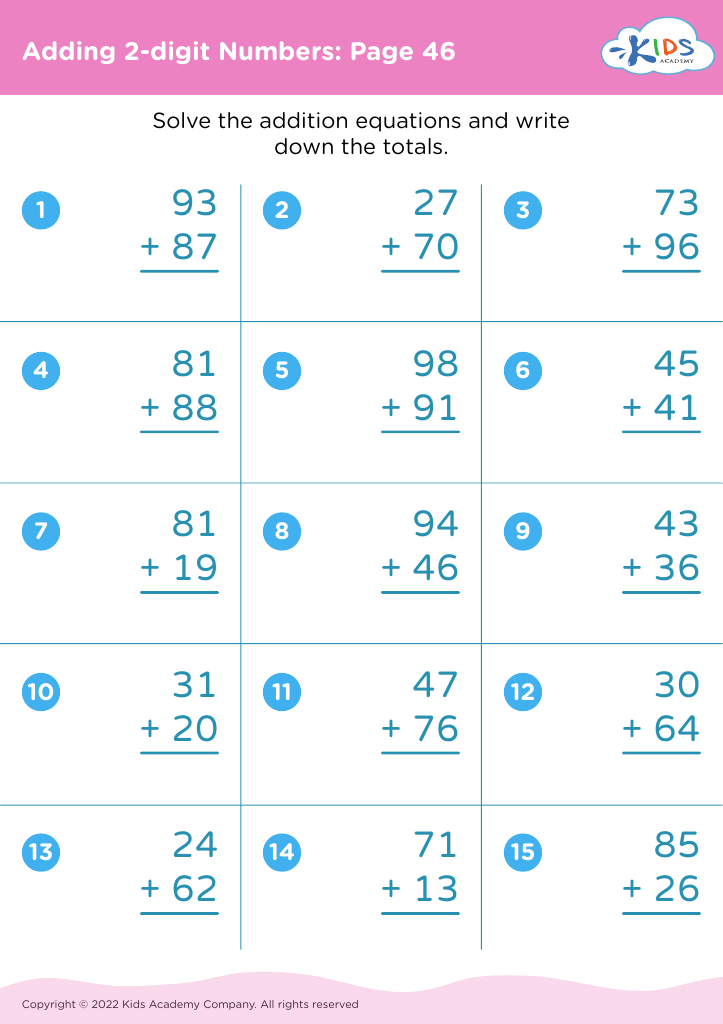
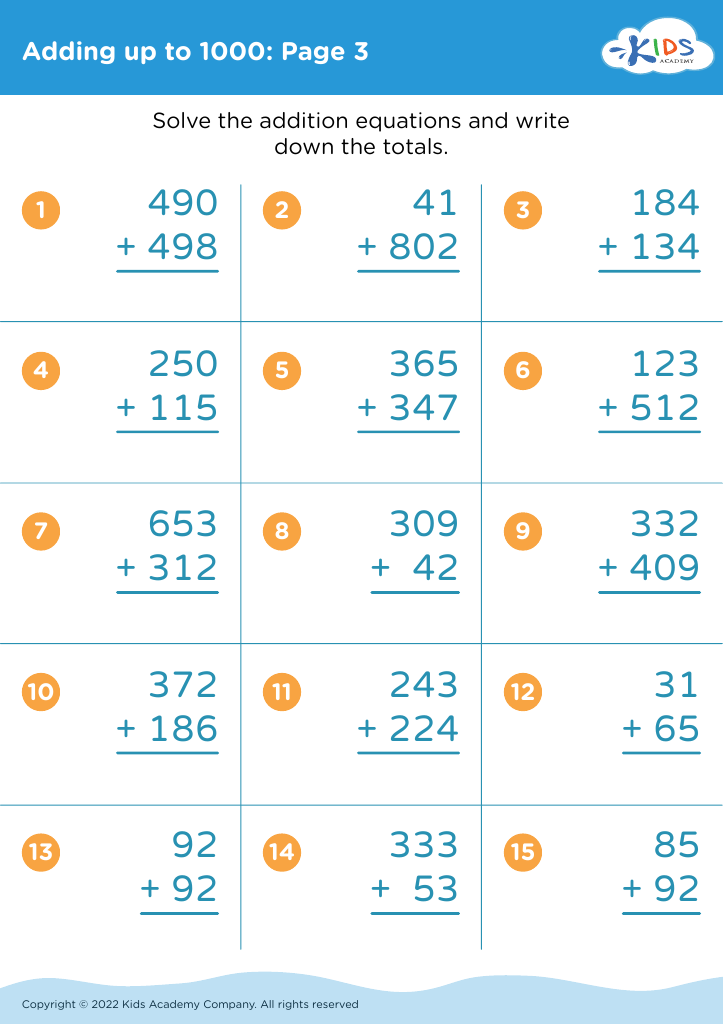
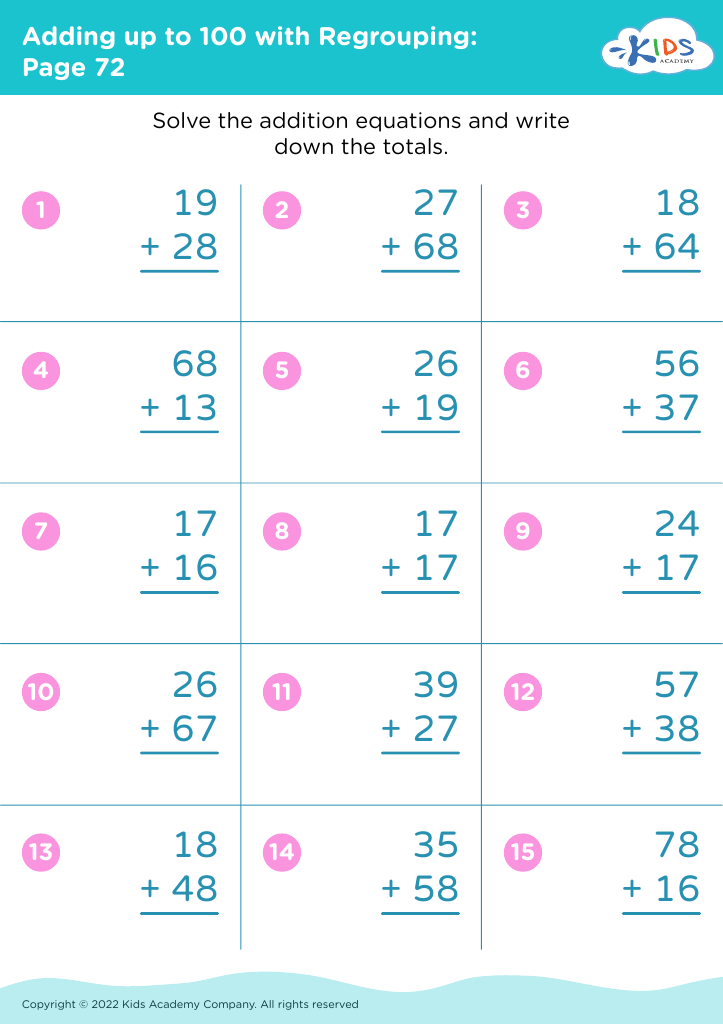
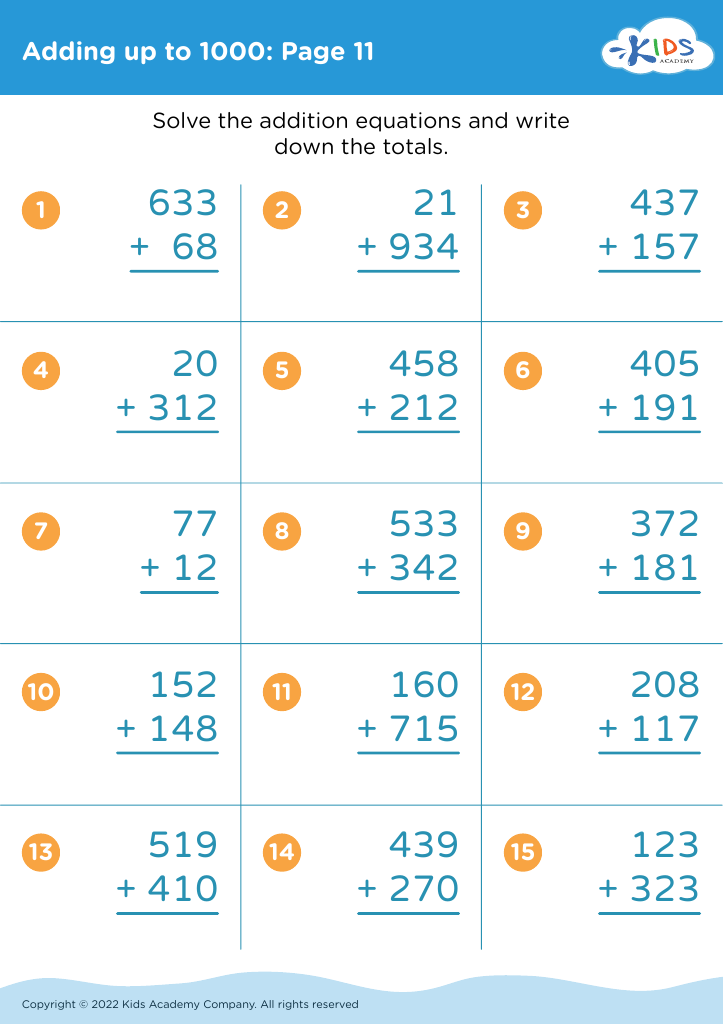
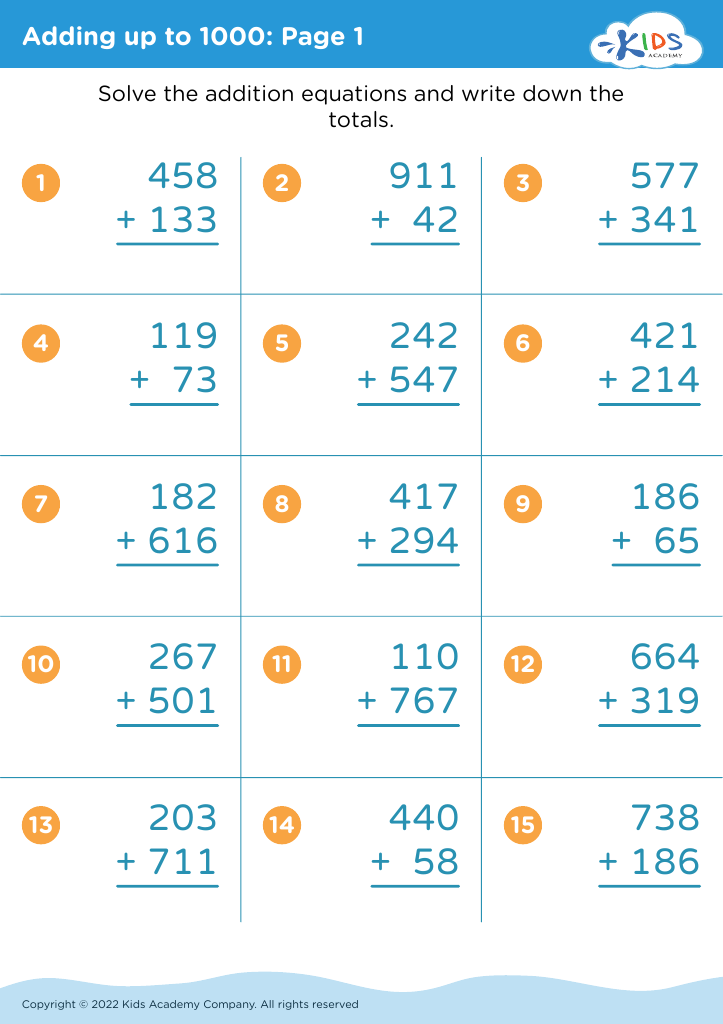
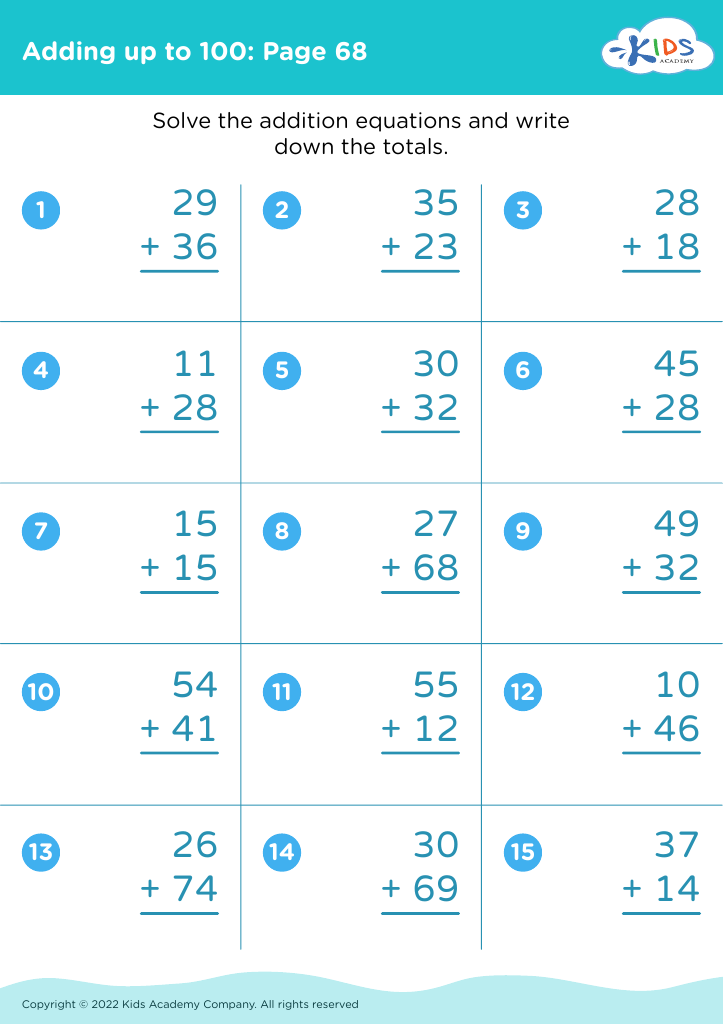
Discover our engaging "Understand Multiplication, Addition & Subtraction Worksheets" designed specifically for children ages 5-8. These interactive resources help young learners grasp foundational math concepts in a fun and approachable way. With a variety of colorful worksheets, students can practice addition, subtraction, and the basics of multiplication, promoting essential skills development. Each worksheet encourages problem-solving and critical thinking, making math enjoyable and accessible. Ideal for classrooms or at-home learning, these worksheets foster confidence in young mathematicians while adapting to various learning styles. Help your child build a solid math foundation today with our thoughtfully designed worksheets!
Favorites
With answer key
Interactive
Join Kids Academy for Free
Who is primarily going to use this learning content?








Understanding multiplication, addition, and subtraction is crucial for children aged 5 to 8, as these foundational math skills serve as the building blocks for all future learning in mathematics. For parents and teachers, nurturing this understanding goes beyond mere academic performance; it lays the groundwork for critical thinking and problem-solving skills that are essential in everyday life.
Children within this age group are developing cognitive skills that allow them to grasp abstract concepts, making it an ideal time to introduce and reinforce mathematical principles. Mastery of addition and subtraction fosters a sense of accomplishment and builds confidence, while an introduction to multiplication paves the way for more complex mathematical thinking, such as division and fractions.
Moreover, these skills nurture essential life abilities, enabling children to handle real-world tasks—like budgeting allowance, measuring ingredients in cooking, or understanding time and schedules. Creating a solid foundation in math can help prevent future difficulties in school, setting children up for success in all subjects. Therefore, by prioritizing these fundamental skills, parents and teachers not only elevate academic achievement but also equip children with the critical life skills they will use for years to come.








