
Visual-motor skills Addition & Subtraction Worksheets for Ages 5-8
4 filtered results
Difficulty Level
Grade
Age
-
From - To
Subject
Activity
Standards
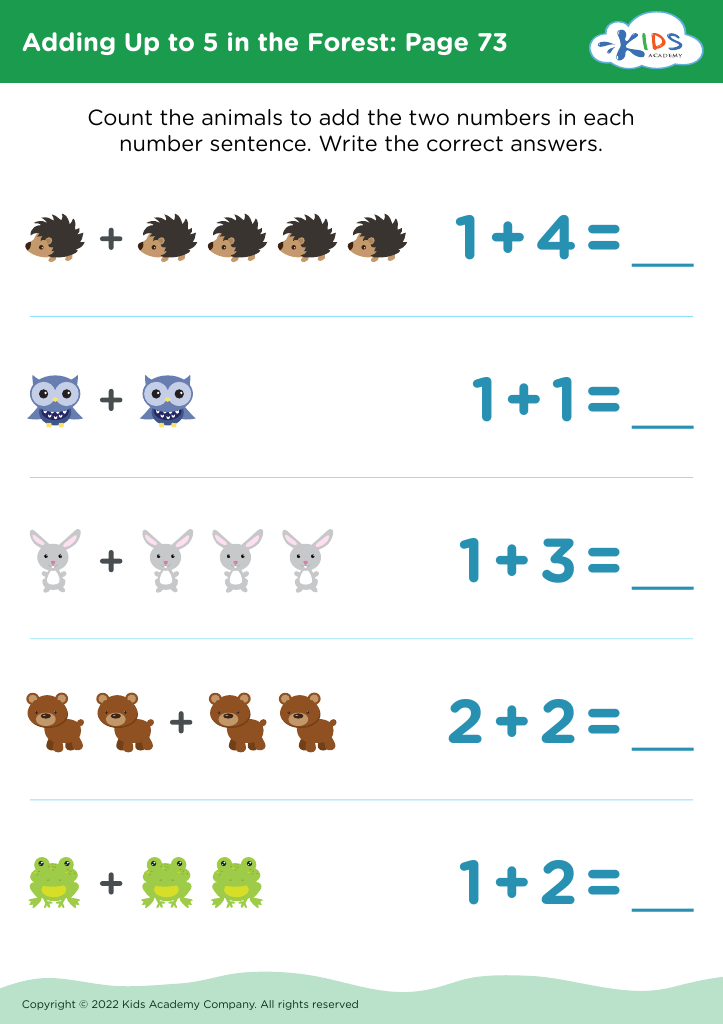
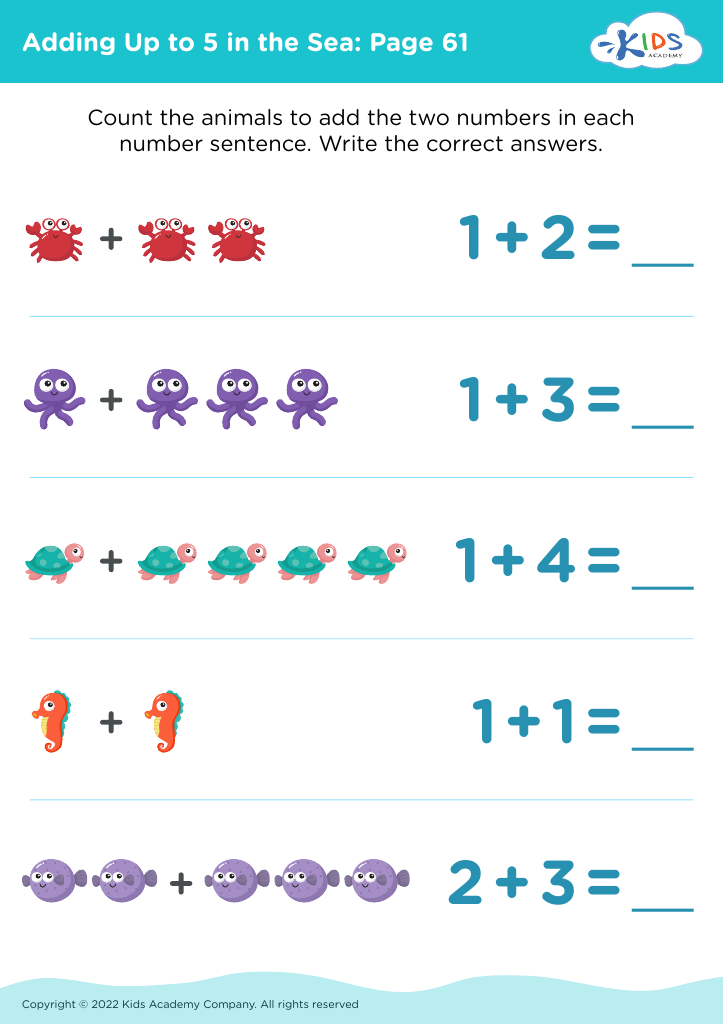
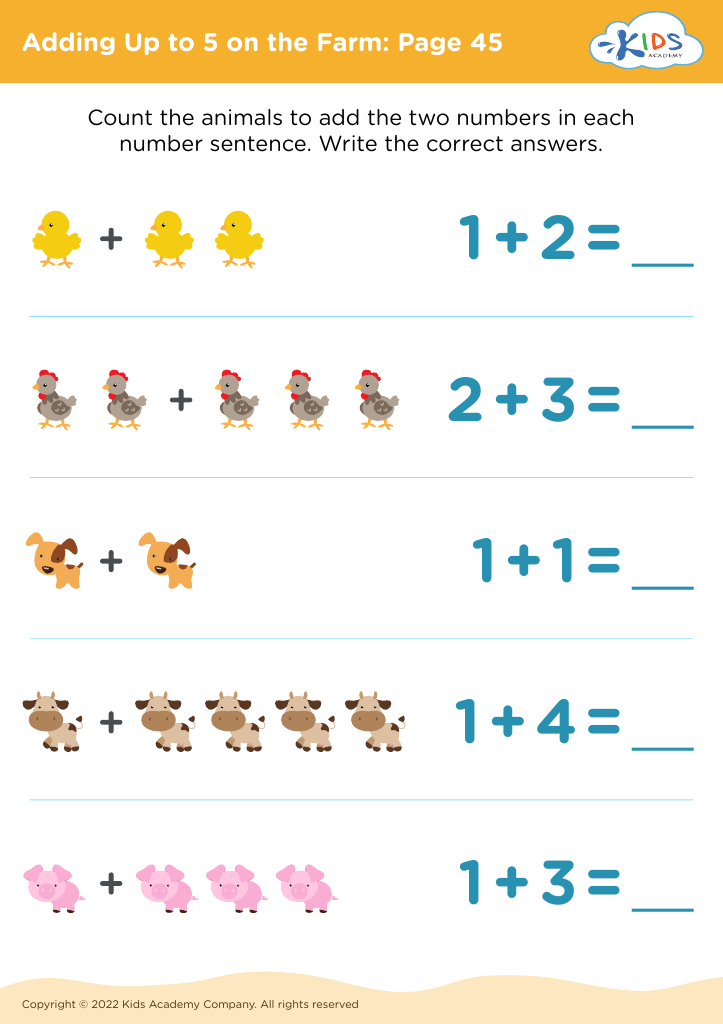
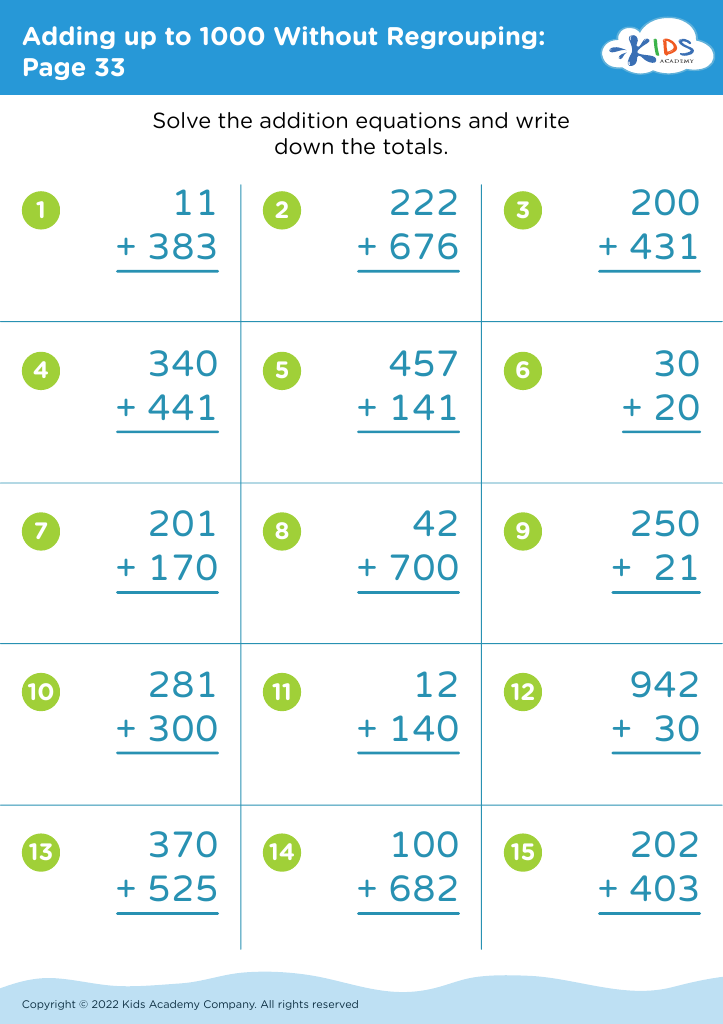
Enhance your child’s early math and motor skills with our "Visual-Motor Skills Addition & Subtraction Worksheets" designed for ages 5-8. These engaging worksheets combine fundamental arithmetic exercises with visual-motor tasks, promoting number recognition, hand-eye coordination, and fine motor development. Through colorful illustrations and interactive puzzles, children will enjoy counting, tracing, and solving problems, making learning fun and effective. Ideal for curious minds, these worksheets provide a solid foundation in addition and subtraction, setting the stage for future math success. Visit Kids Academy for a variety of high-quality educational resources tailored to young learners.
Favorites
With answer key
Interactive
Join Kids Academy for Free
Who is primarily going to use this learning content?








Visual-motor skills are crucial for young children, especially when it comes to learning fundamental mathematical concepts like addition and subtraction. For children ages 5-8, the development of these skills directly impacts their ability to understand and solve basic arithmetic problems. Visual-motor skills involve coordinating visual perception with body movements, allowing children to track objects, draw shapes, and write numbers correctly.
Strong visual-motor skills enable children to clearly see and comprehend arithmetic symbols, align numbers properly, and follow sequences accurately. These skills enhance their ability to visualize mathematical problems and manipulate objects or numbers to find solutions. For example, when doing addition or subtraction, children often use objects, fingers, or drawings to represent numbers. Visual-motor coordination ensures that they can accurately represent and organize these items, translating them into correct numerical answers.
For parents and teachers, nurturing these skills through activities like drawing, tracing, puzzles, and physical exercises is vital. This preparation not only supports mathematical understanding but also aids in reading, writing, and other cognitive areas. Early development of visual-motor skills lays a solid foundation, fostering better academic achievement and building confidence in young learners. In essence, honing these skills sets the stage for successful learning experiences and problem-solving abilities throughout a child's educational journey.








