Addition Practice Addition Worksheets for Ages 5-8
120 filtered results
-
From - To
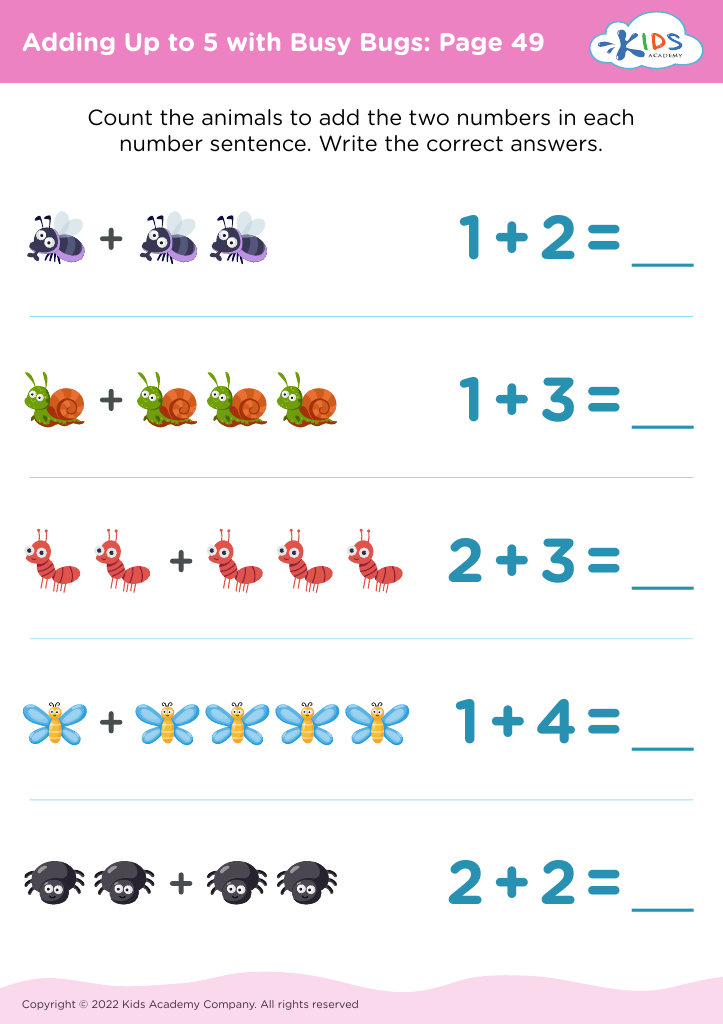
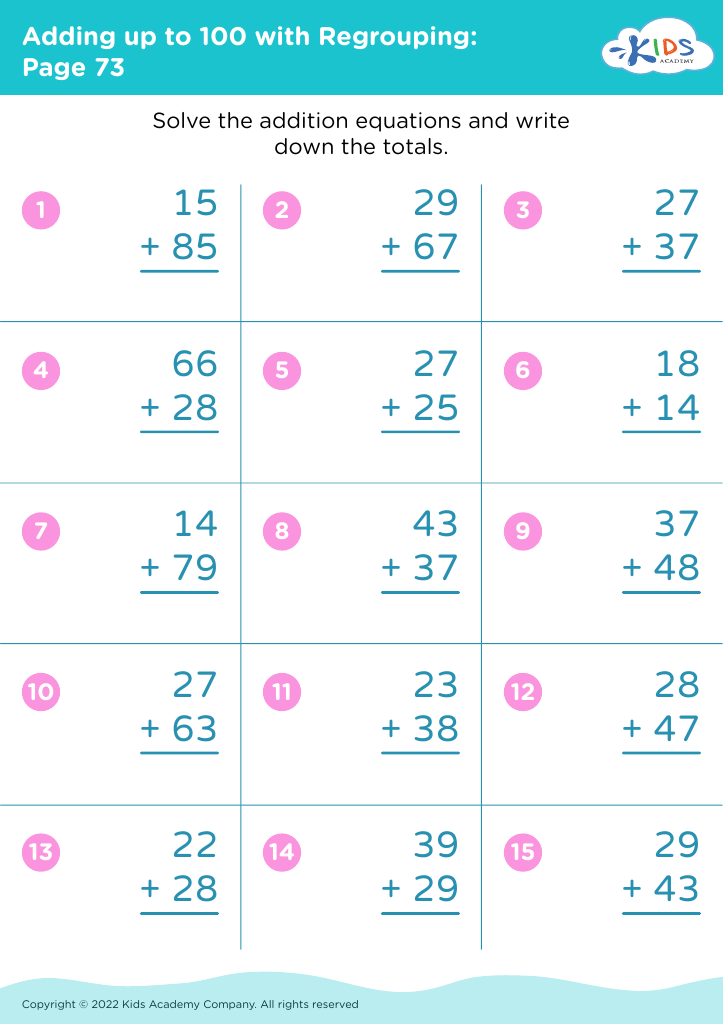
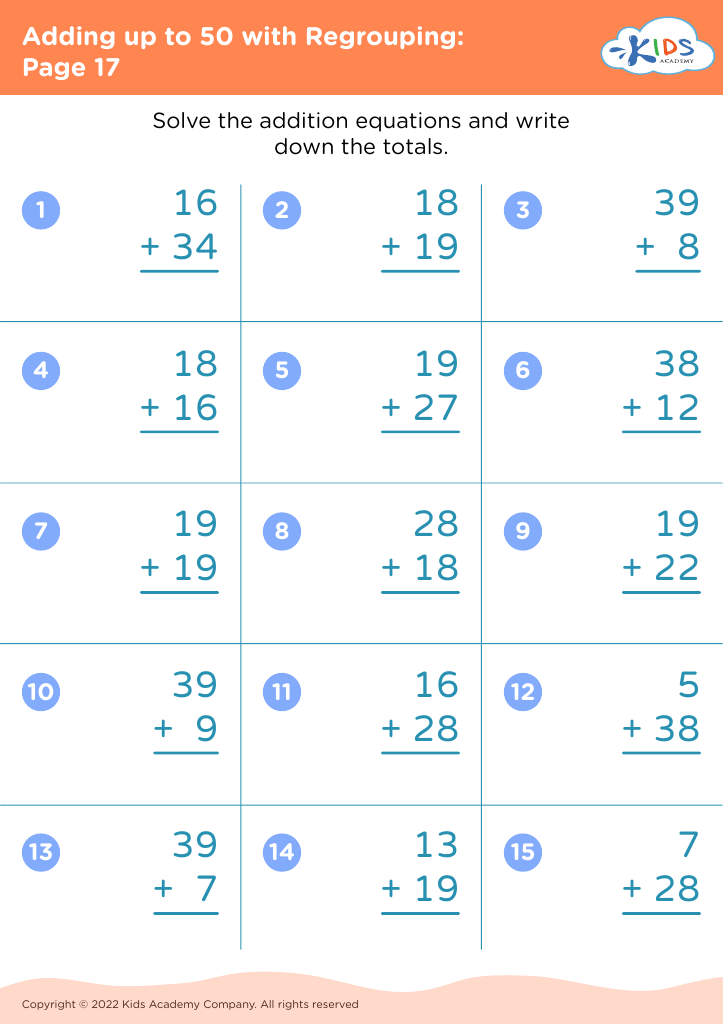
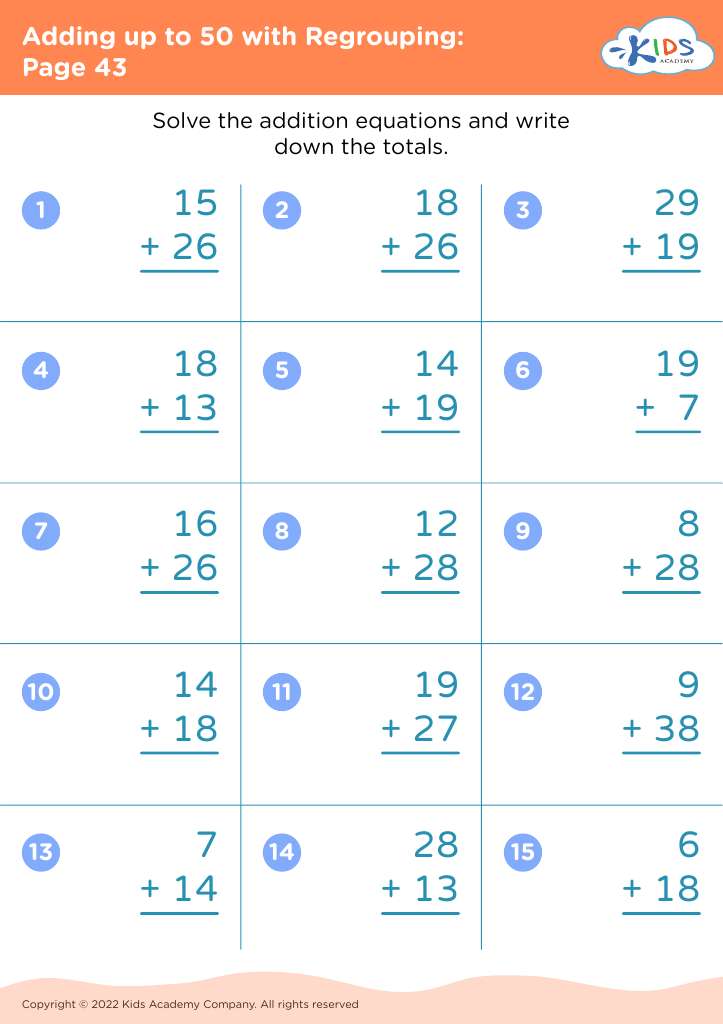
Welcome to our Addition Practice Worksheets for ages 5-8! Designed to make learning fun and engaging, these worksheets help young learners strengthen their addition skills through a variety of interactive exercises. Our resources are perfect for both classroom settings and at-home practice, featuring colorful designs and age-appropriate activities. Children can enhance their number sense, improve mental math capabilities, and build confidence while mastering basic addition skills. With numerous problem types and progressive difficulty levels, our worksheets cater to every child's learning pace. Start your addition journey today and watch your child excel in math with our engaging and effective practice materials!
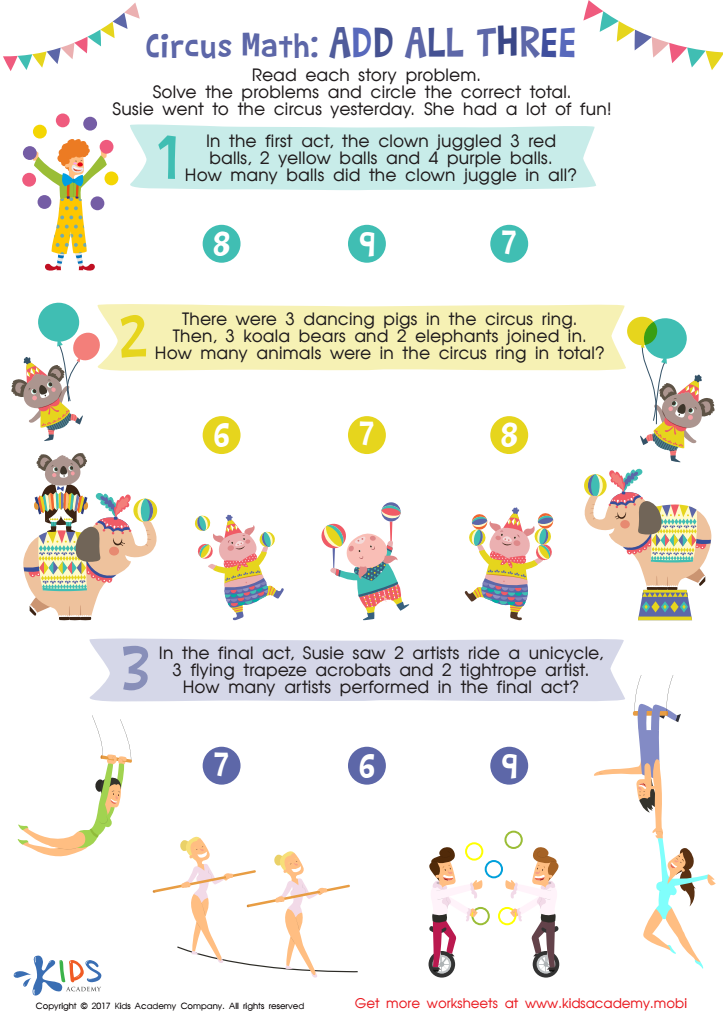
Circus Math Printable
 Assign to My Students
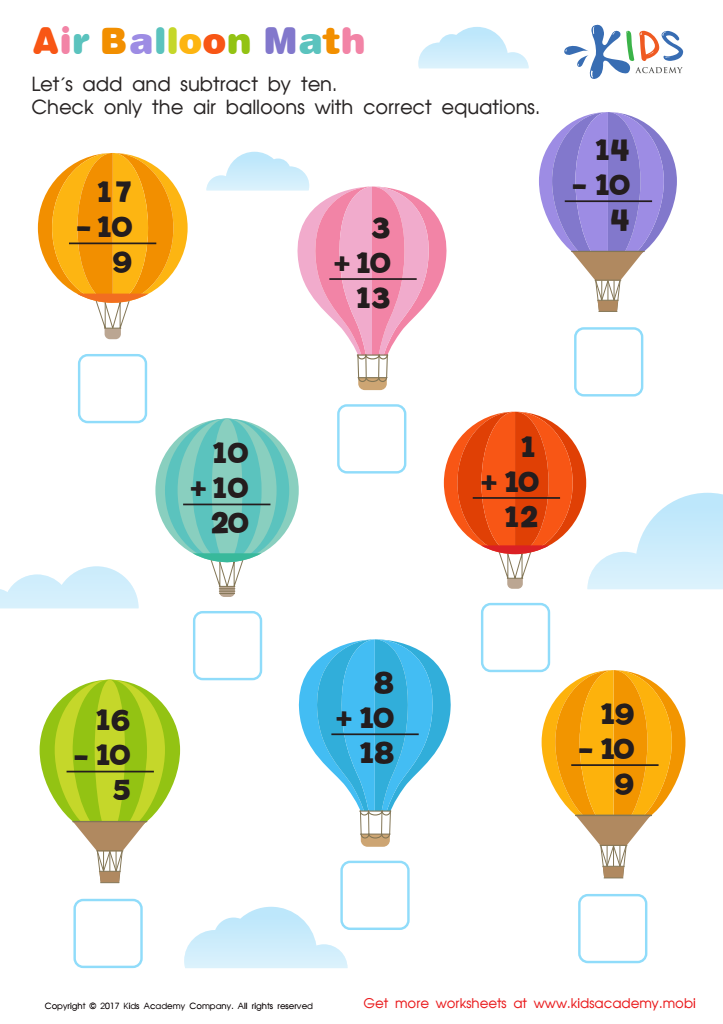
Air Balloon Math Worksheet
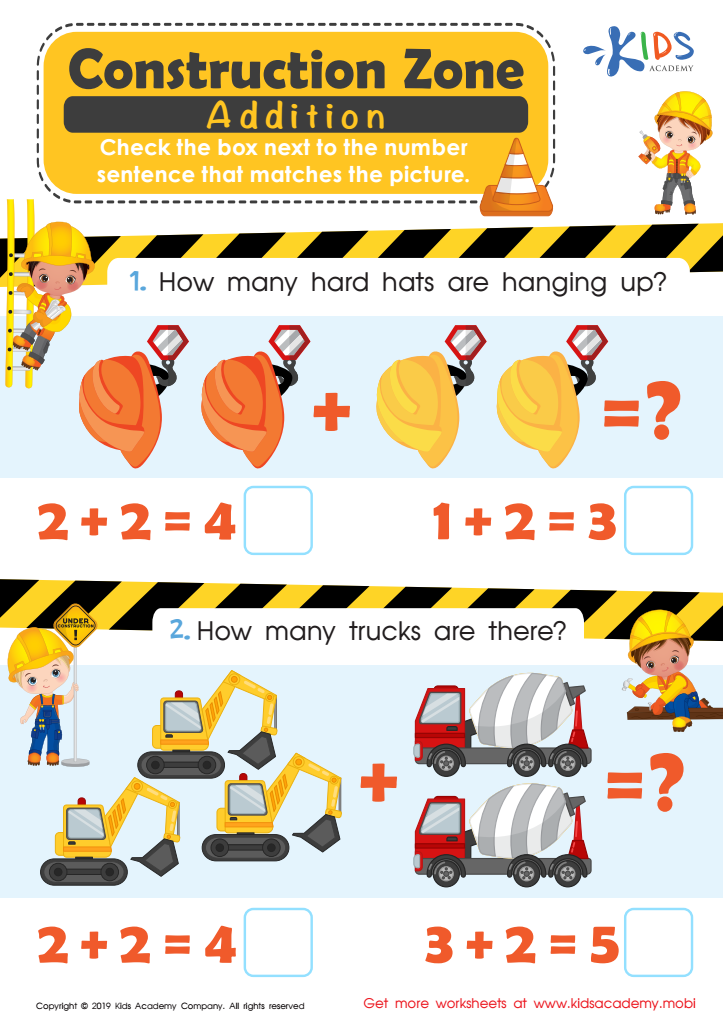
Construction Zone Addition Worksheet
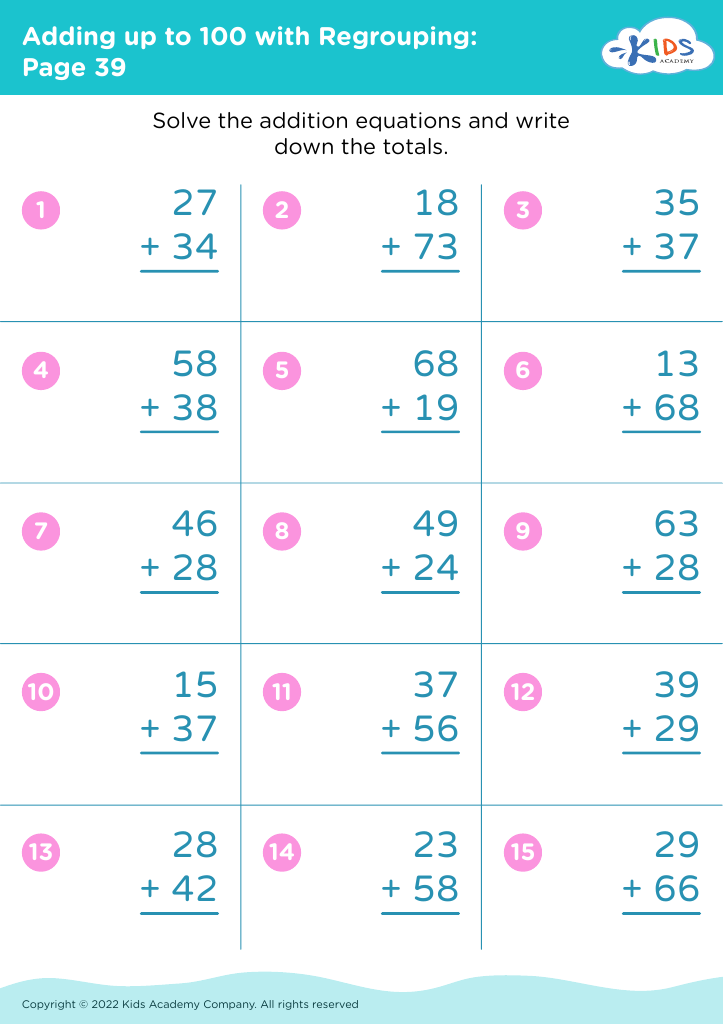
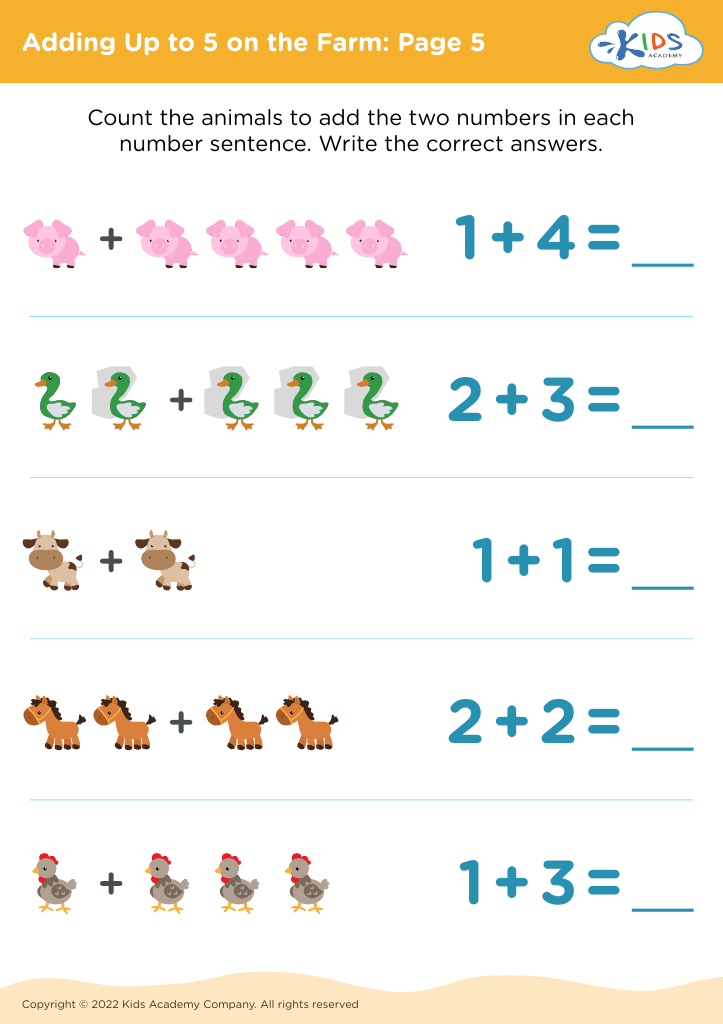
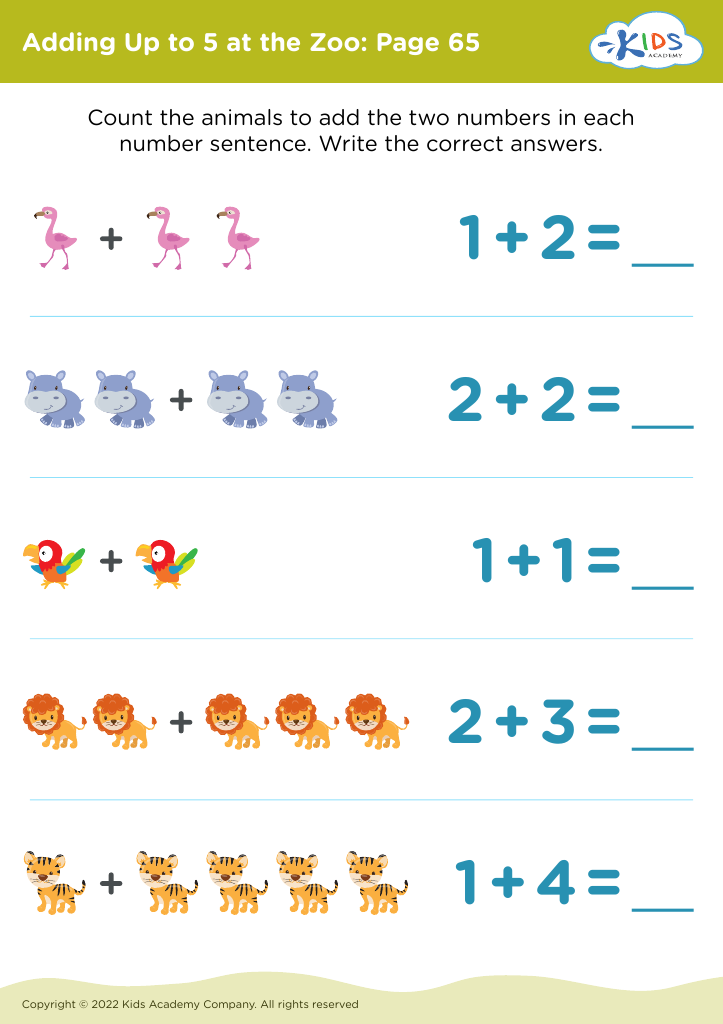
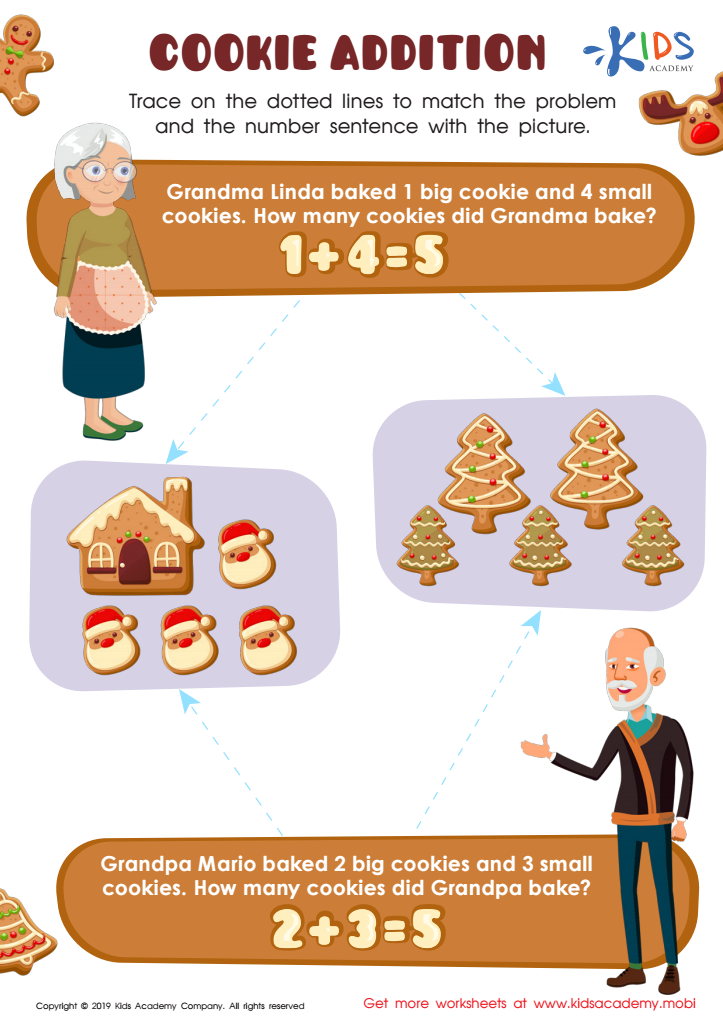
Cookie Addition Worksheet
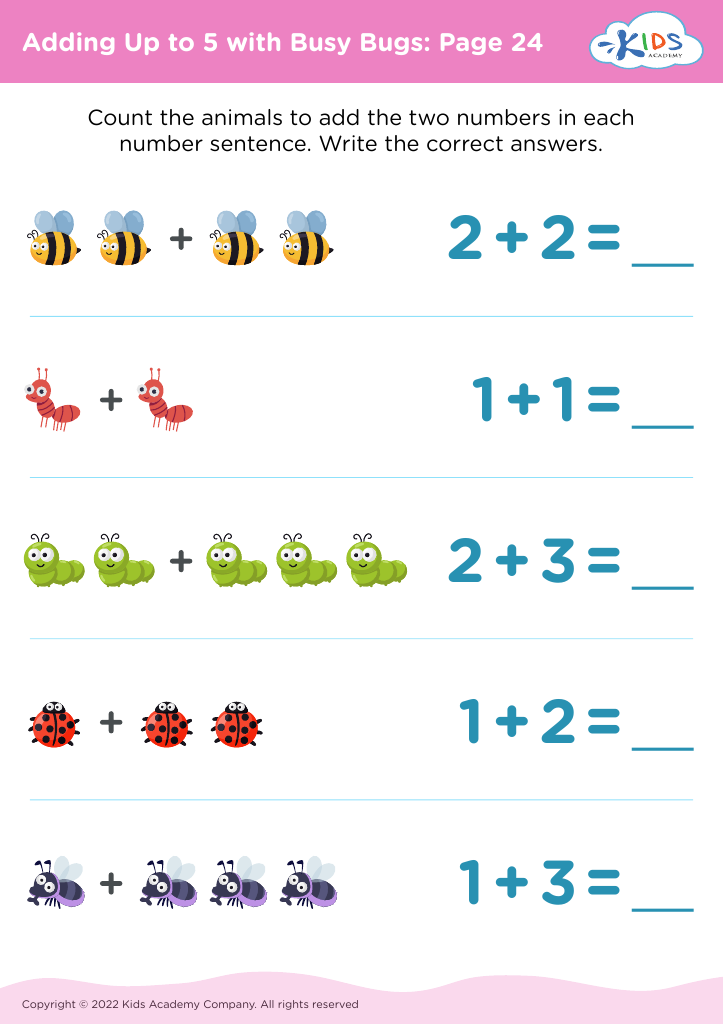
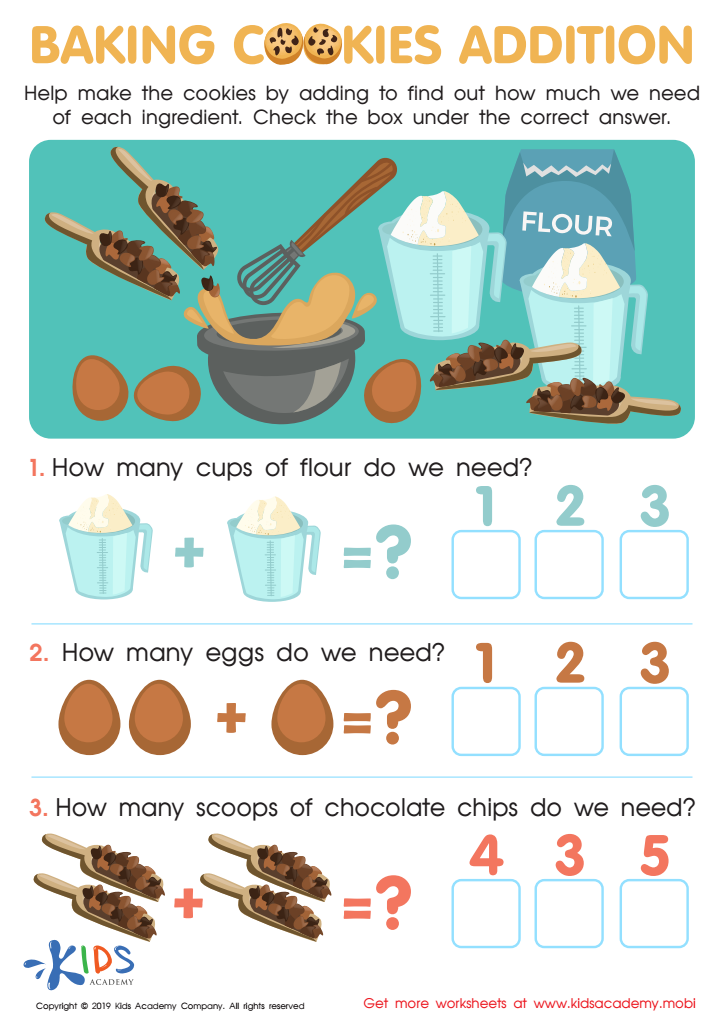
Baking Cookies Addition Worksheet
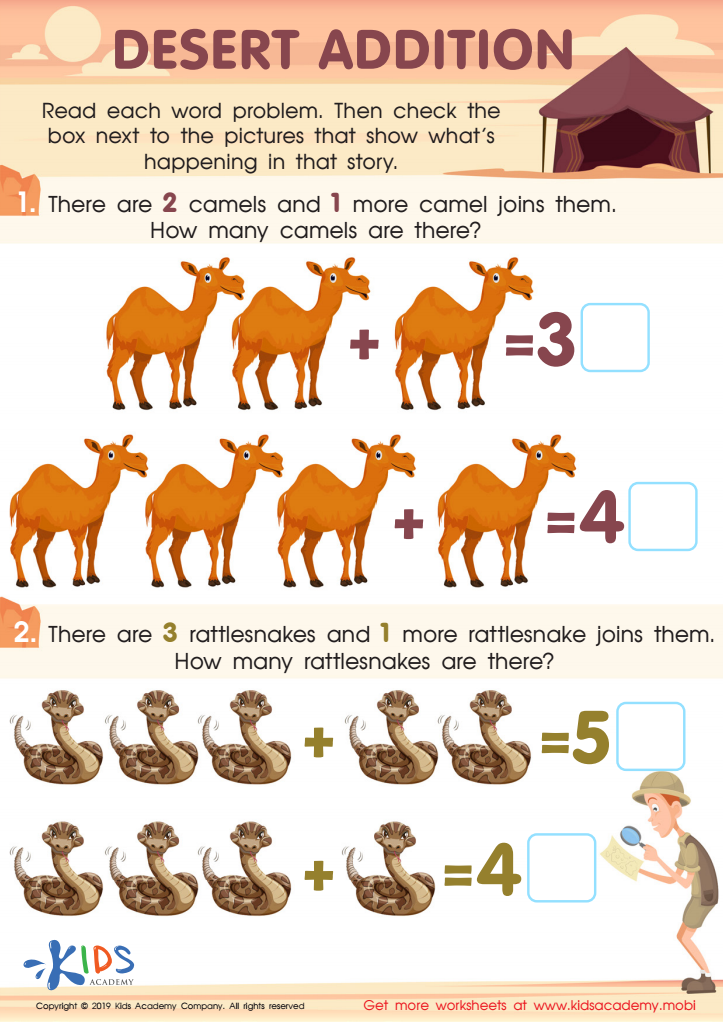
Desert Addition Worksheet
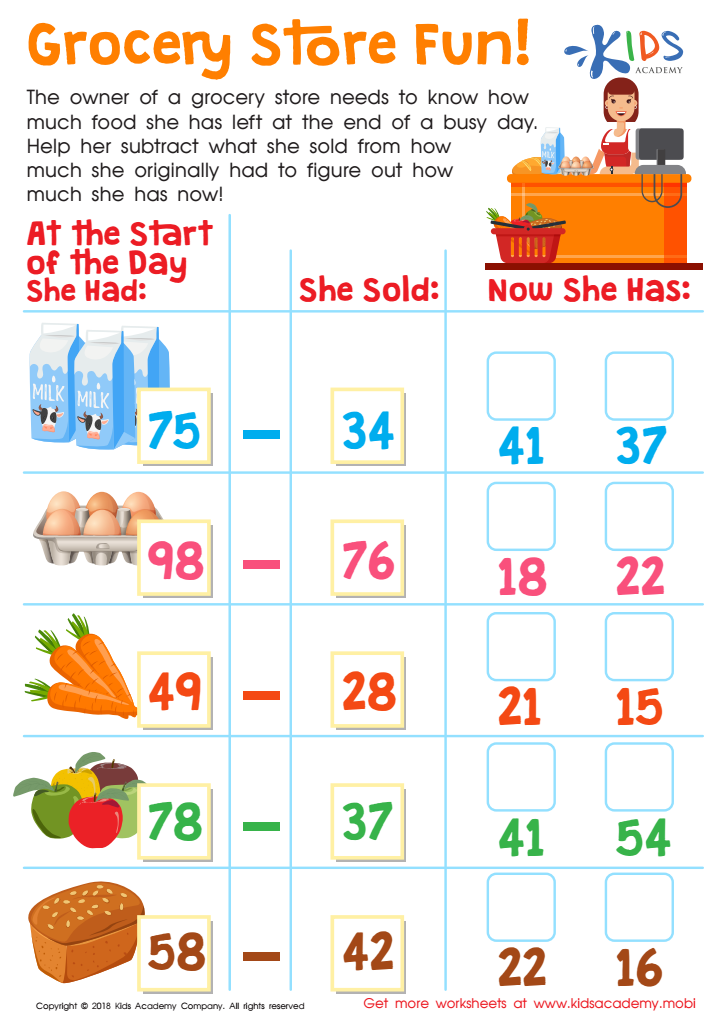
Grocery Store Fun! Worksheet
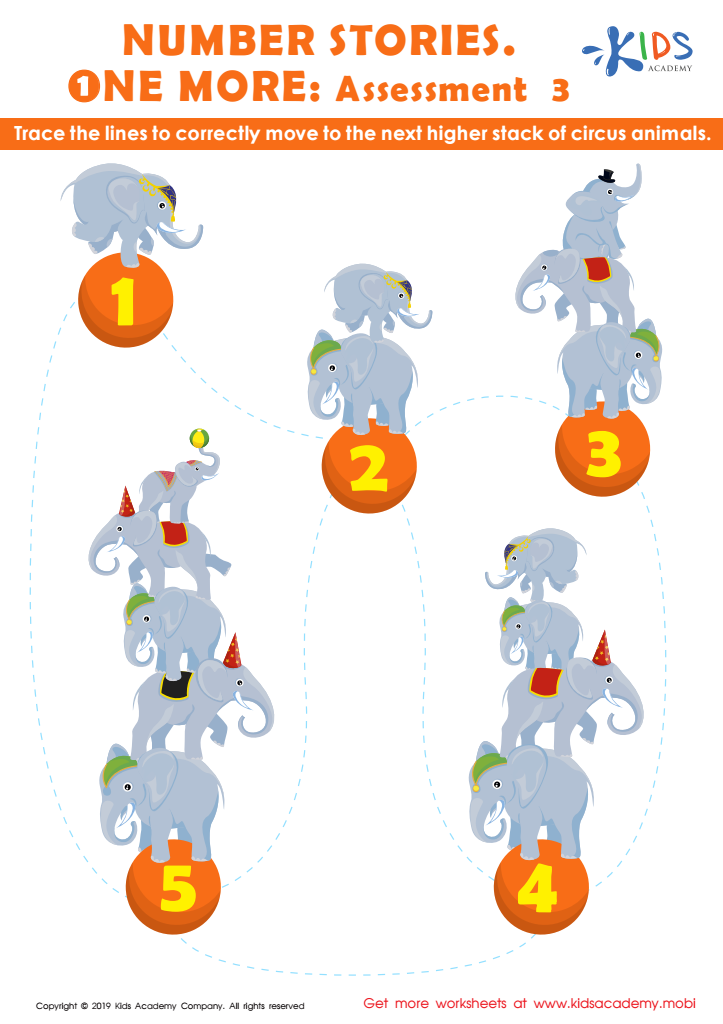
Number Stories One More: Assessment 3 Worksheet
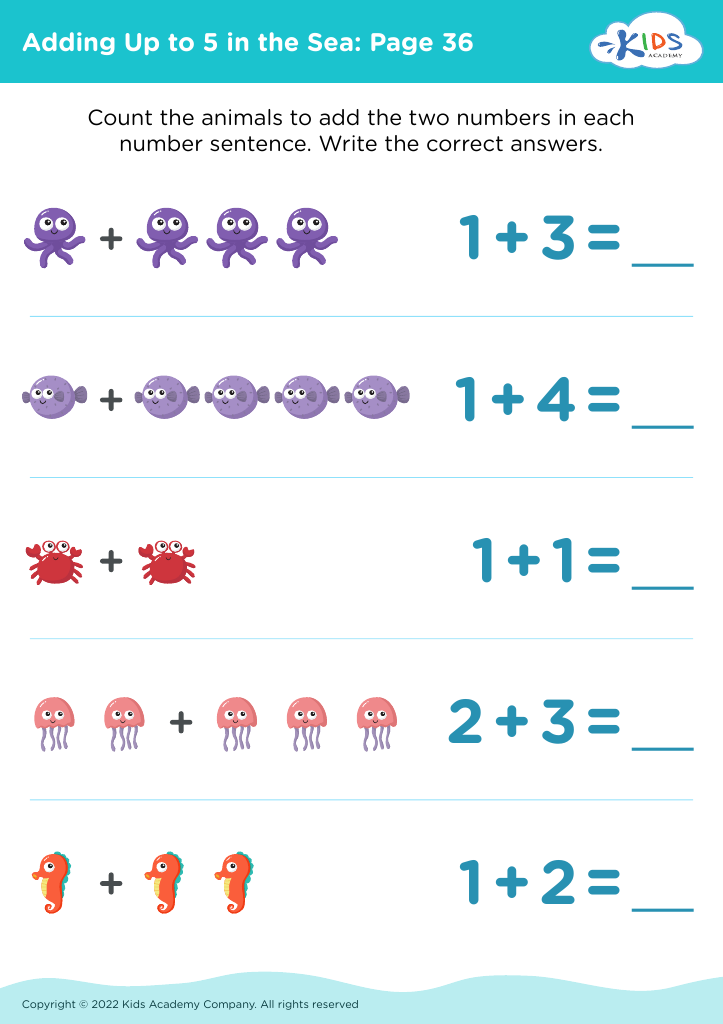
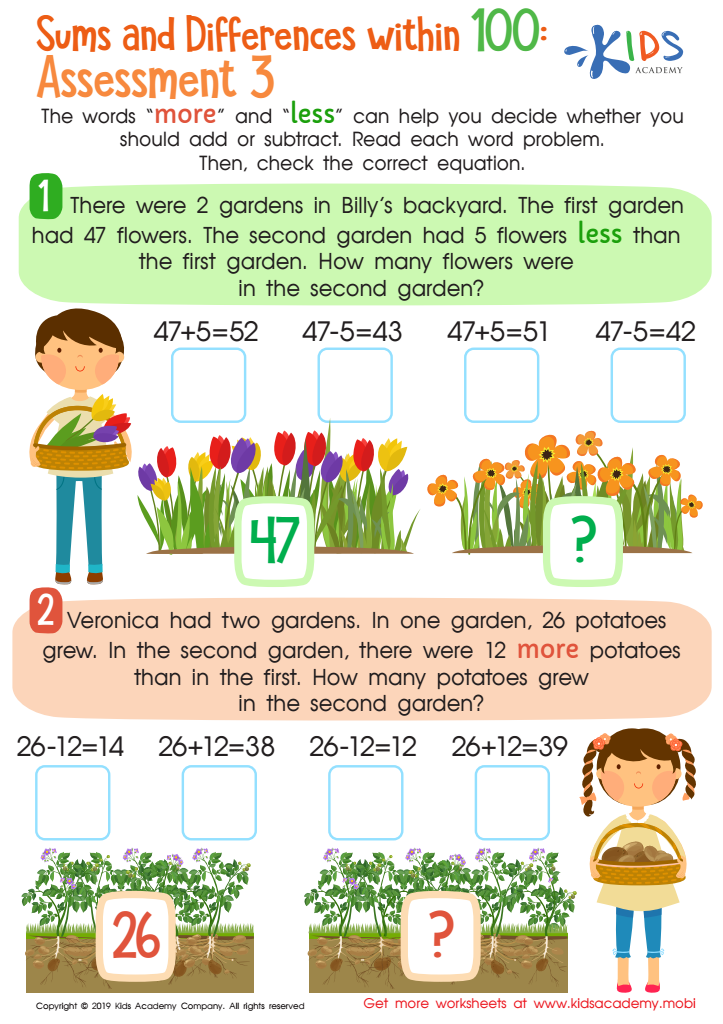
Sums and Differences Within 1 - Assessment 1 Worksheet
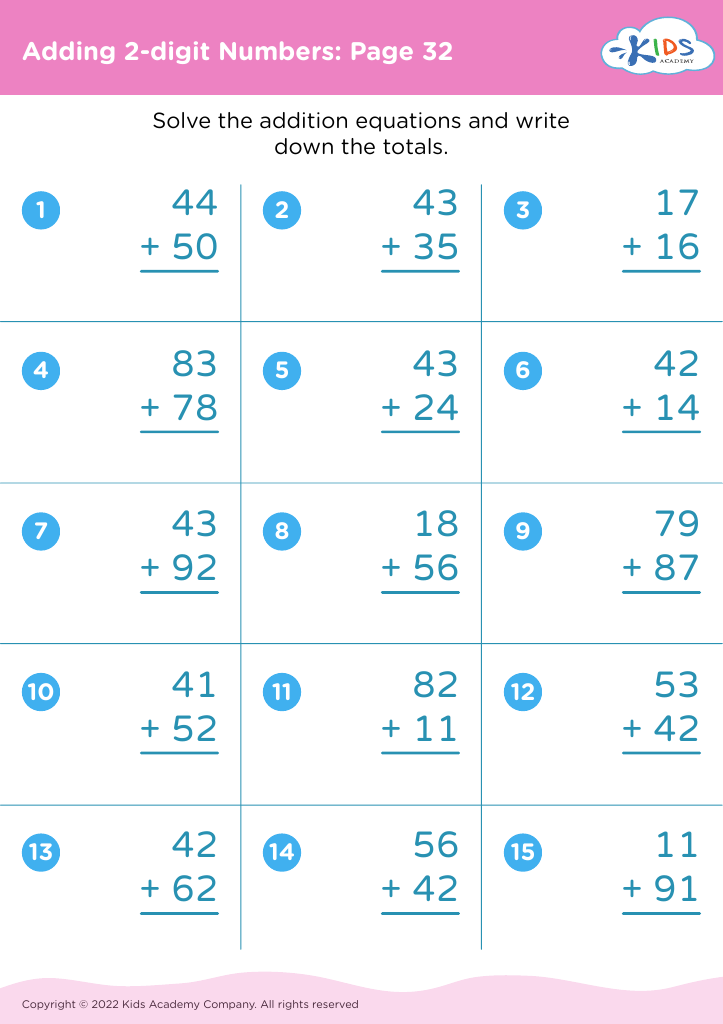







.jpg)
Parents and teachers should care about addition practice for children ages 5-8 because this foundational skill is essential for students’ overall mathematical development. Mastering addition not only promotes number sense but also lays the groundwork for more complex math concepts in the future, such as subtraction, multiplication, and division. Early proficiency in addition helps build children's confidence, prompting positive attitudes towards math as they encounter more challenging concepts later.
Additionally, consistent practice reinforces cognitive skills such as memory and attention, and promotes critical thinking and problem-solving abilities. Engaging with addition through games, songs, and hands-on activities can transform practice into a fun and interactive process, which is particularly effective for young learners who are naturally curious and energetic.
Moreover, establishing strong addition skills can aid in students' everyday life, enabling them to manage money, comprehend time, and relate to real-world situations involving numbers. By incorporating meaningful addition practice into the daily routine, parents and teachers can create a supportive learning environment that emphasizes growth and mastery, ensuring that children are equipped with the essential tools to succeed academically and solve real-life problems. Investing time in this area now sets the stage for lifelong learning.








