Filters

114 filtered results

Clear all filters
Favorites
With answer key
Interactive

114 filtered results

Difficulty Level

Grade


Subject

    Check out this FREE Trial Lesson on Addition for age 5-8!

    Subtracting with 1's

    Favorites
    With answer key
    Interactive
    • 5-8
    • Cognitive Development
    • Addition
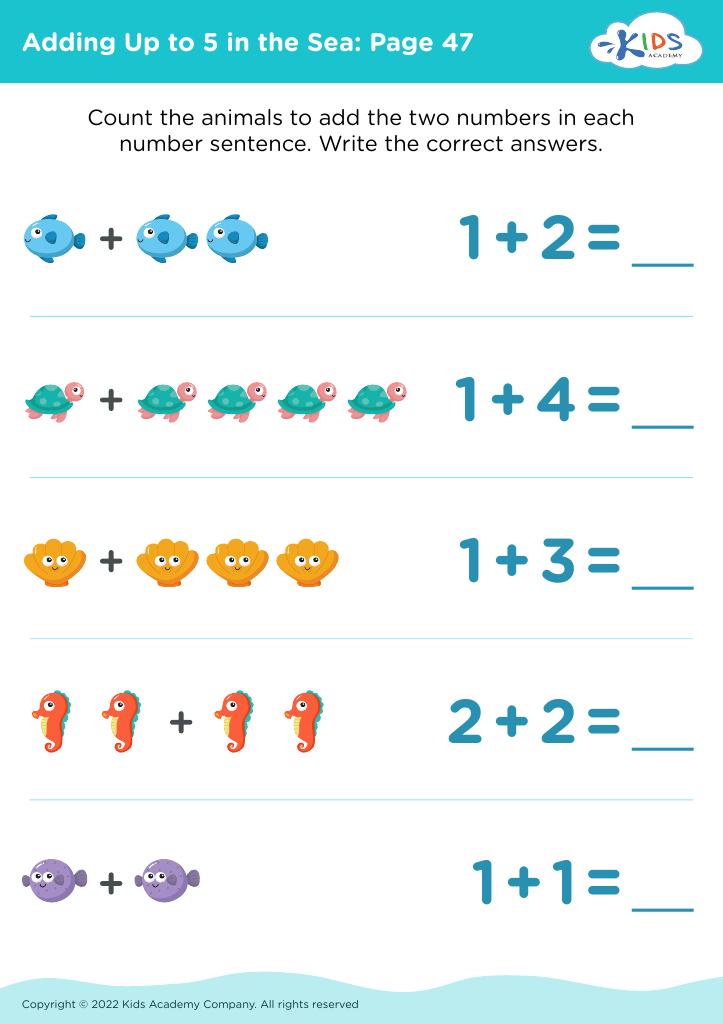
    Adding Up to 5 in the Sea: Page 47
    Adding Up to 5 in the Sea: Page 47
    Adding Up to 5 in the Sea: Page 47
    Worksheet
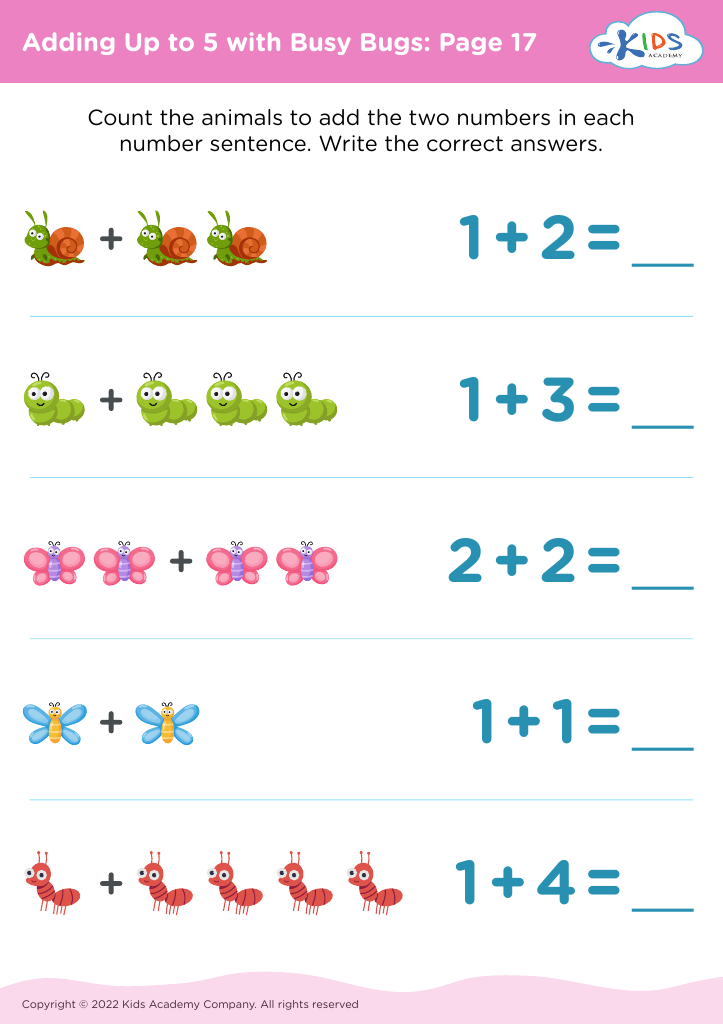
    Adding Up to 5 with Busy Bugs: Page 17
    Adding Up to 5 with Busy Bugs: Page 17
    Adding Up to 5 with Busy Bugs: Page 17
    Worksheet
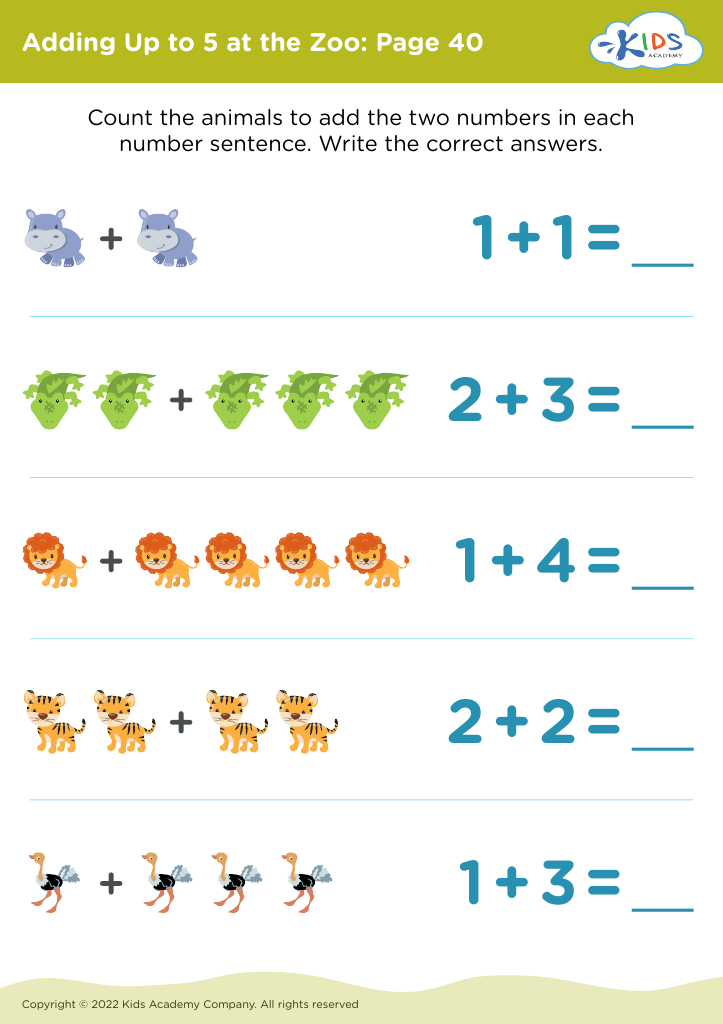
    Adding Up to 5 at the Zoo: Page 40
    Adding Up to 5 at the Zoo: Page 40
    Adding Up to 5 at the Zoo: Page 40
    Worksheet
    Community Places: 1 Less Worksheet
    Community Places: 1 Less Worksheet

    Community Places: 1 Less Worksheet

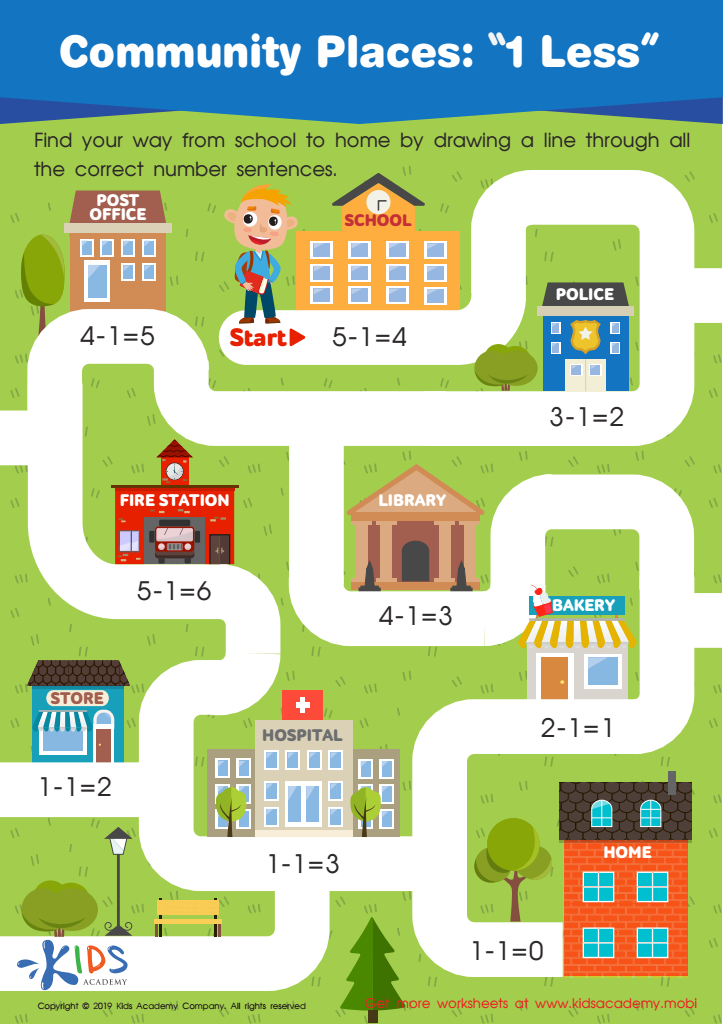
    Have your kindergarteners draw a line through the correct number sentences as they find their way home from school. Ask them to identify the people, places, and buildings in their community and the jobs they do.
    Community Places: 1 Less Worksheet
    Worksheet
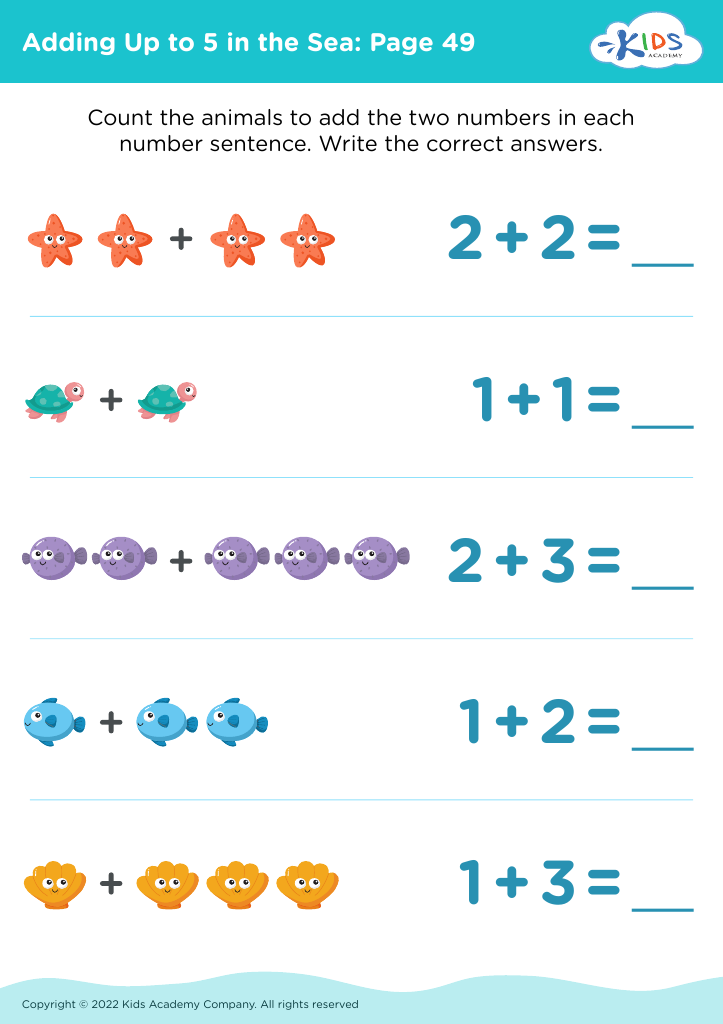
    Adding Up to 5 in the Sea: Page 49
    Adding Up to 5 in the Sea: Page 49
    Adding Up to 5 in the Sea: Page 49
    Worksheet
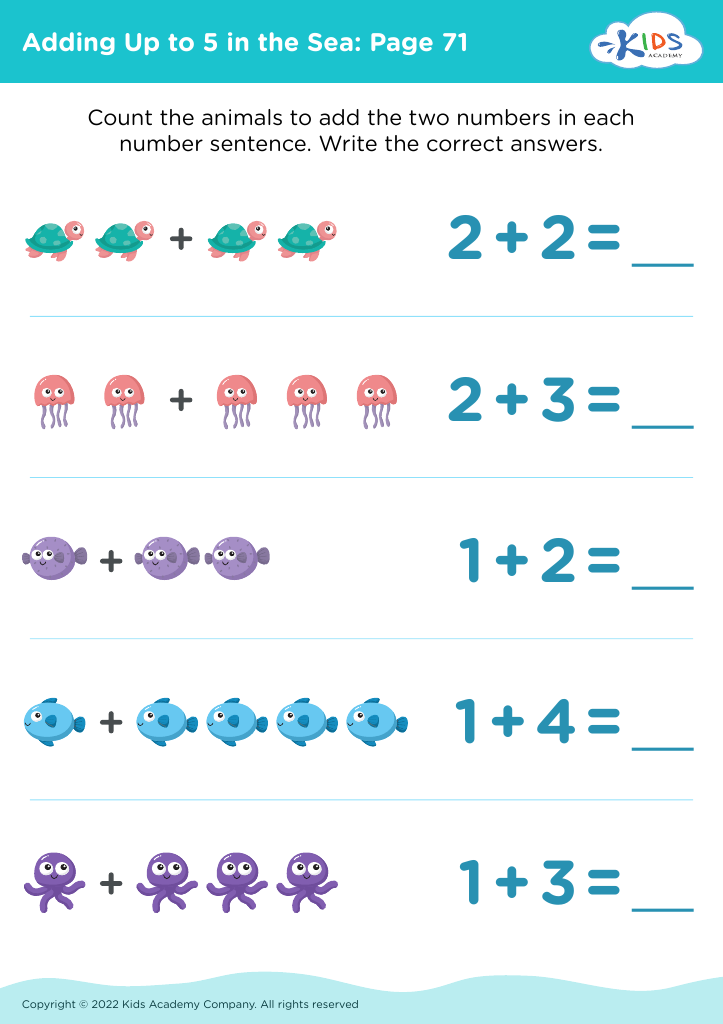
    Adding Up to 5 in the Sea: Page 71
    Adding Up to 5 in the Sea: Page 71
    Adding Up to 5 in the Sea: Page 71
    Worksheet
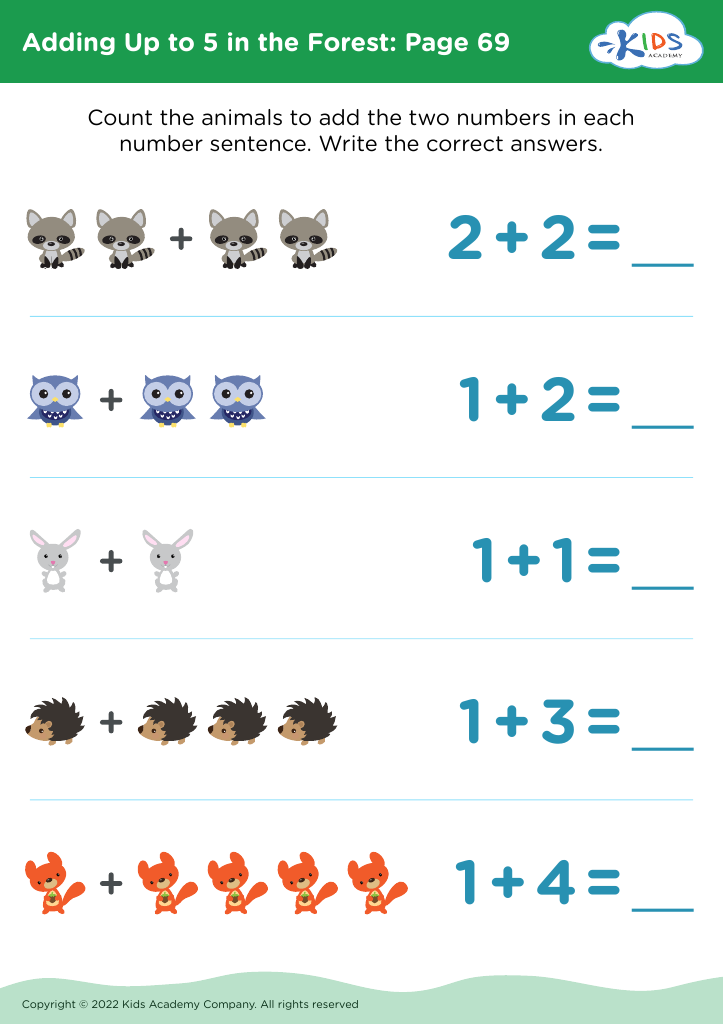
    Adding Up to 5 in the Forest: Page 69
    Adding Up to 5 in the Forest: Page 69
    Adding Up to 5 in the Forest: Page 69
    Worksheet
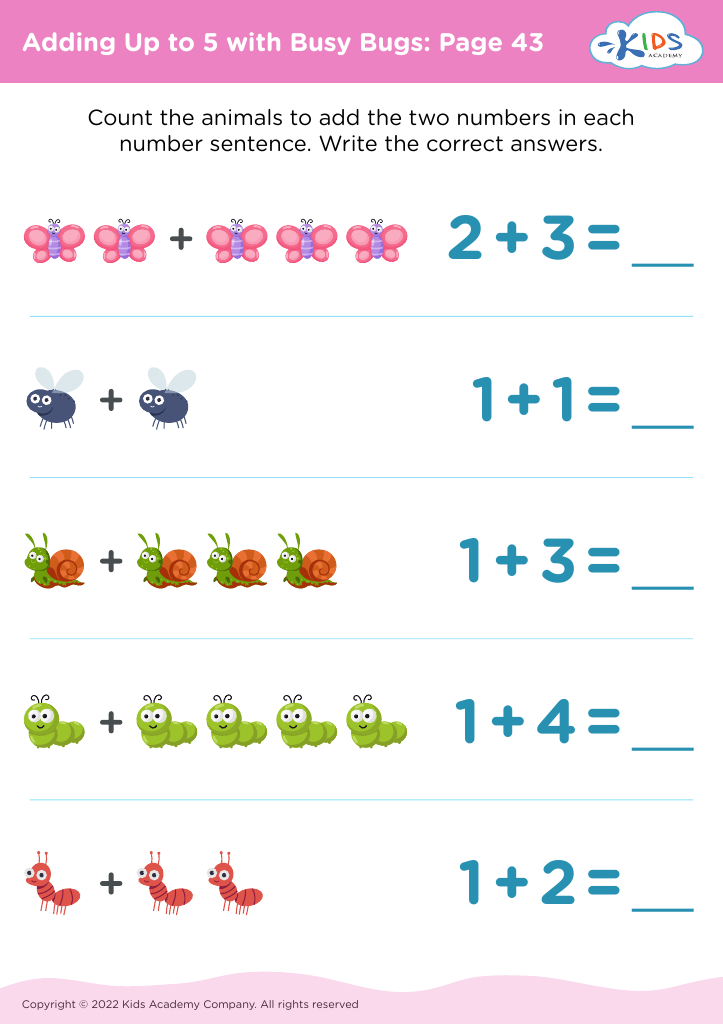
    Adding Up to 5 with Busy Bugs: Page 43
    Adding Up to 5 with Busy Bugs: Page 43
    Adding Up to 5 with Busy Bugs: Page 43
    Worksheet
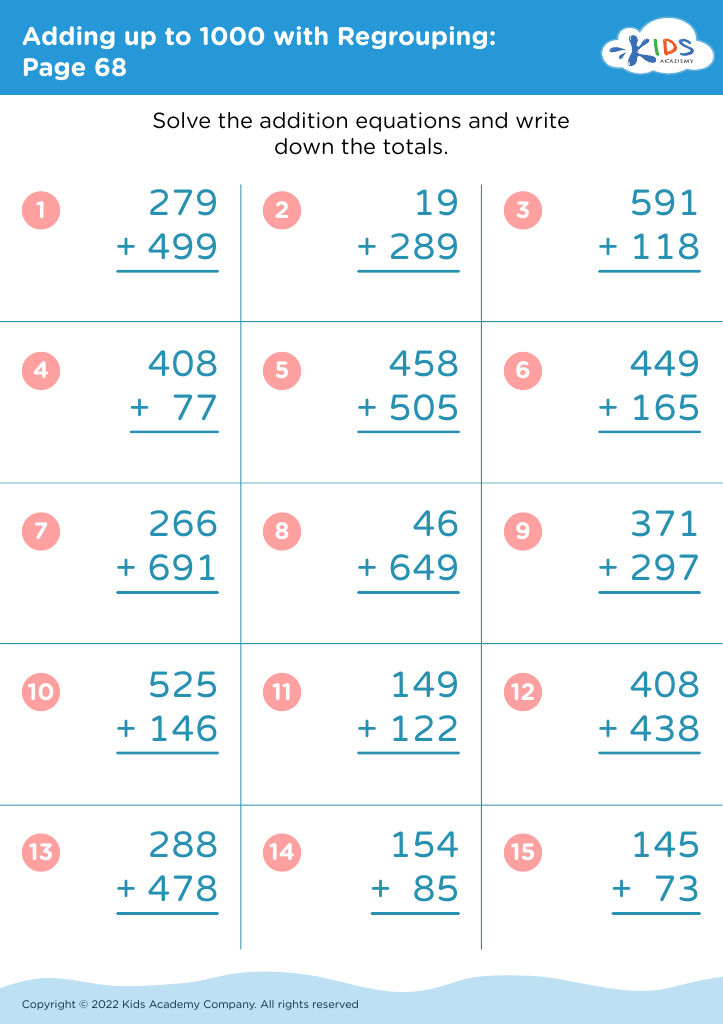
    Adding up to 1000 with Regrouping: Page 68
    Adding up to 1000 with Regrouping: Page 68
    Adding up to 1000 with Regrouping: Page 68
    Worksheet
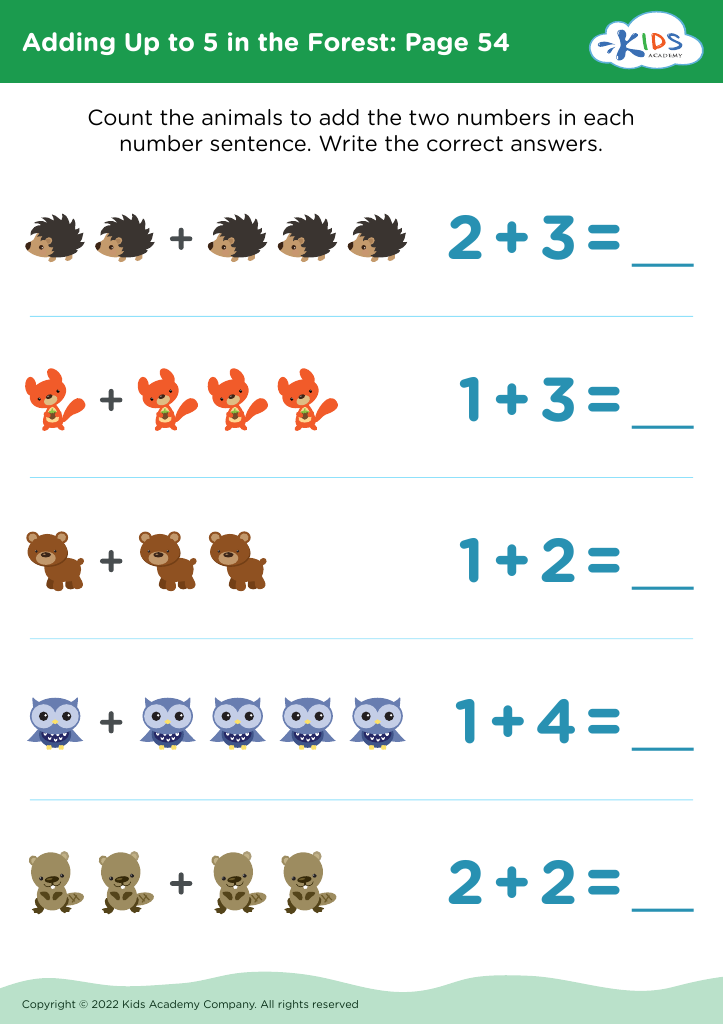
    Adding Up to 5 in the Forest: Page 54
    Adding Up to 5 in the Forest: Page 54
    Adding Up to 5 in the Forest: Page 54
    Worksheet
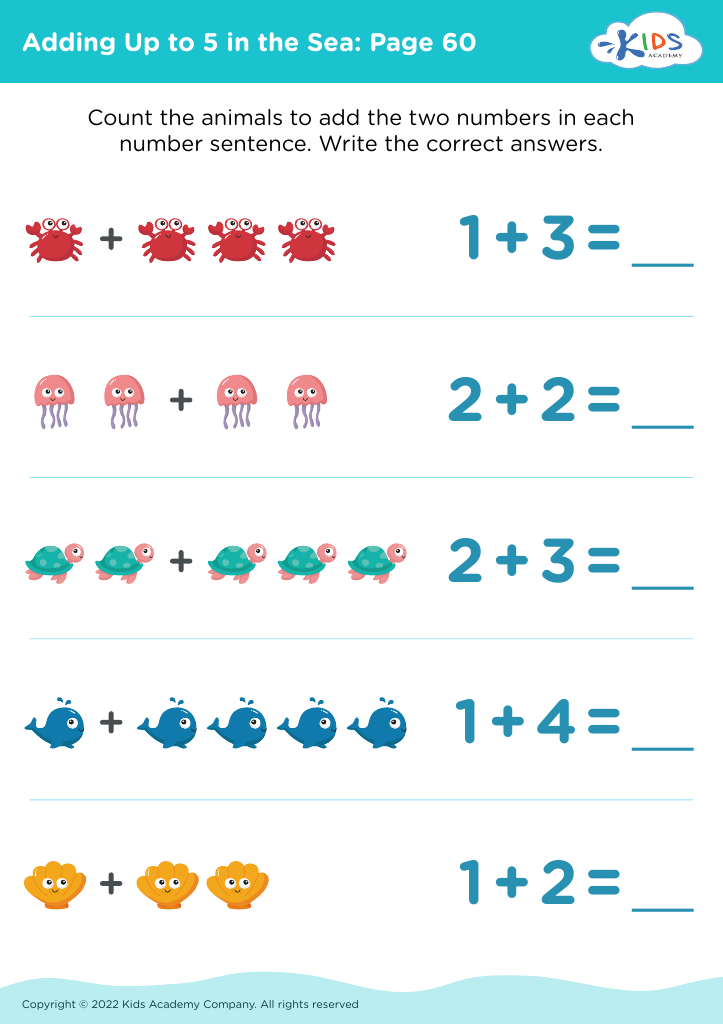
    Adding Up to 5 in the Sea: Page 60
    Adding Up to 5 in the Sea: Page 60
    Adding Up to 5 in the Sea: Page 60
    Worksheet
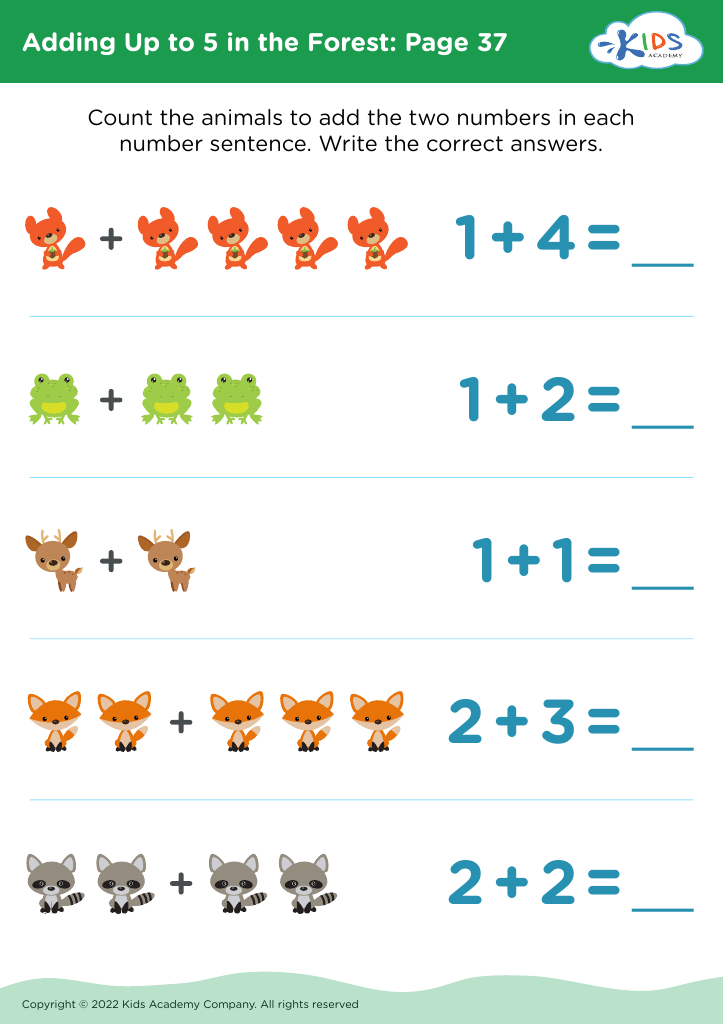
    Adding Up to 5 in the Forest: Page 37
    Adding Up to 5 in the Forest: Page 37
    Adding Up to 5 in the Forest: Page 37
    Worksheet
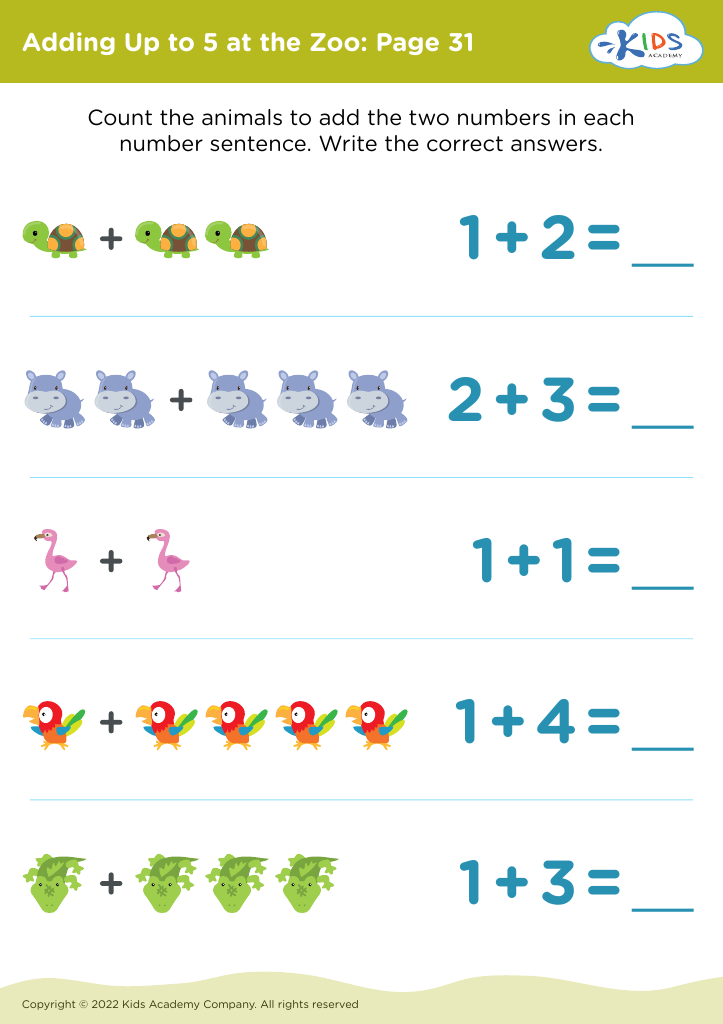
    Adding Up to 5 at the Zoo: Page 31
    Adding Up to 5 at the Zoo: Page 31
    Adding Up to 5 at the Zoo: Page 31
    Worksheet
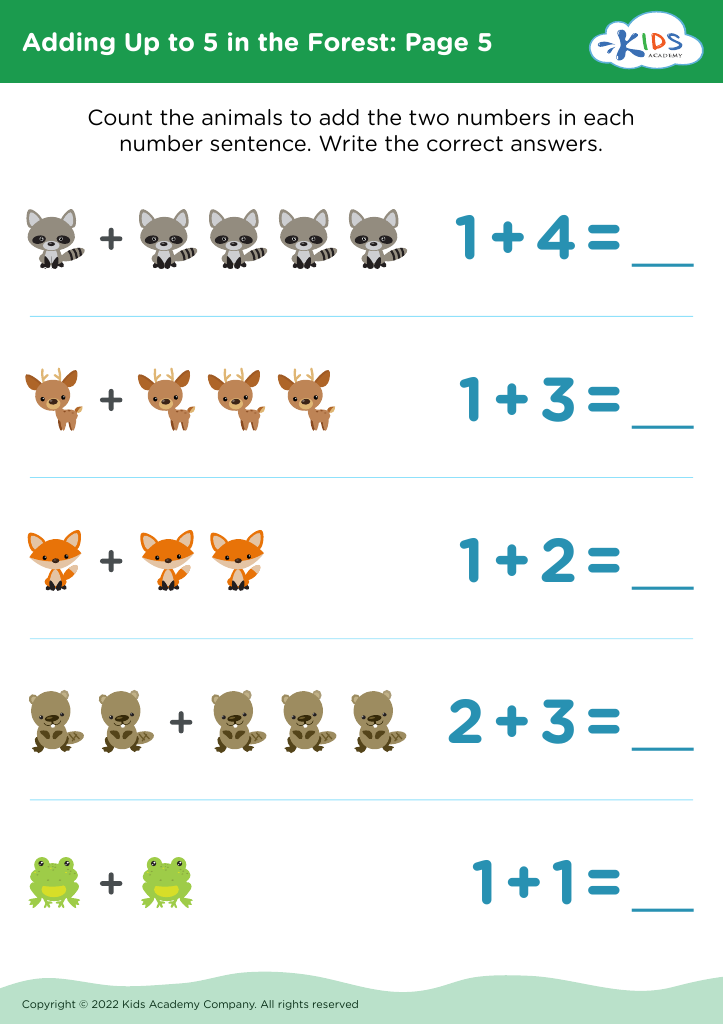
    Adding Up to 5 in the Forest: Page 5
    Adding Up to 5 in the Forest: Page 5
    Adding Up to 5 in the Forest: Page 5
    Worksheet
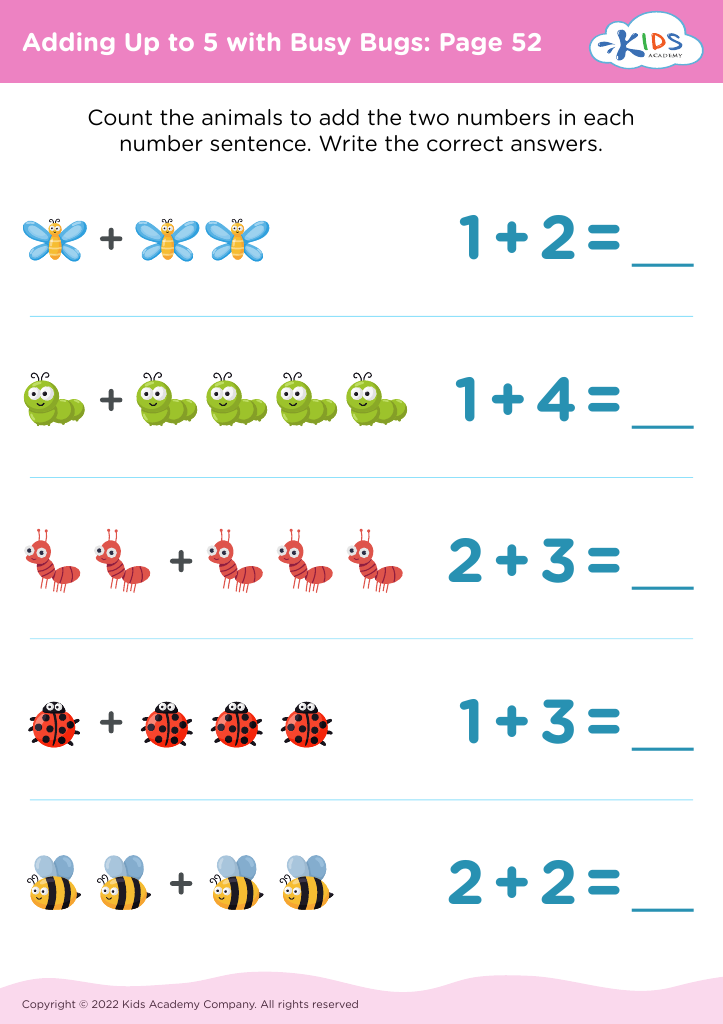
    Adding Up to 5 with Busy Bugs: Page 52
    Adding Up to 5 with Busy Bugs: Page 52
    Adding Up to 5 with Busy Bugs: Page 52
    Worksheet
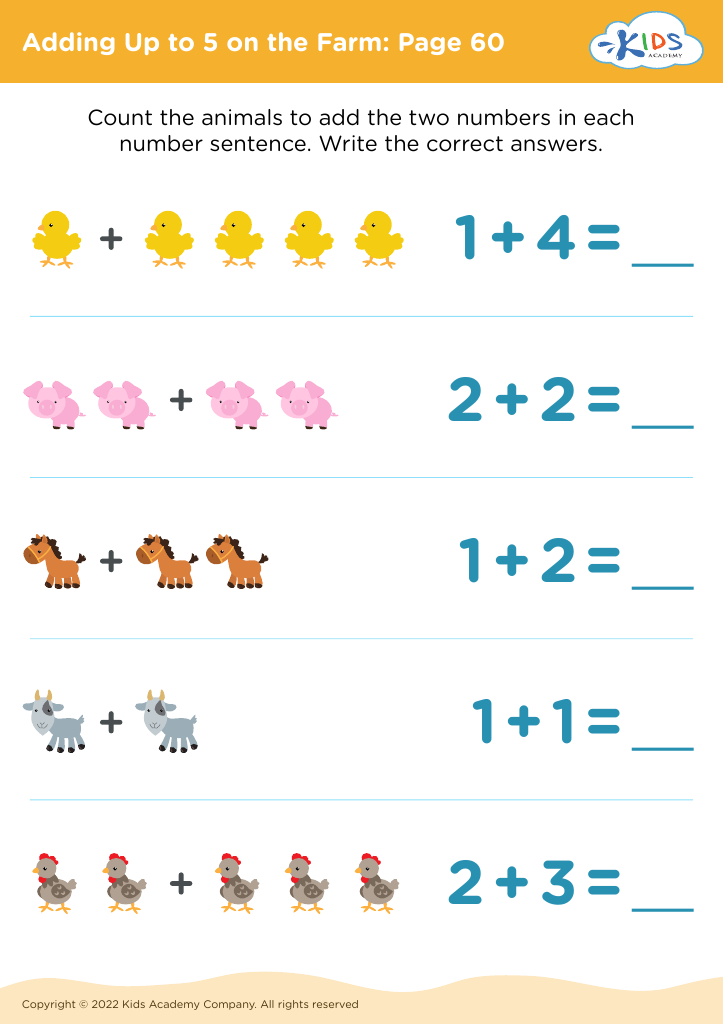
    Adding Up to 5 on the Farm: Page 60
    Adding Up to 5 on the Farm: Page 60
    Adding Up to 5 on the Farm: Page 60
    Worksheet
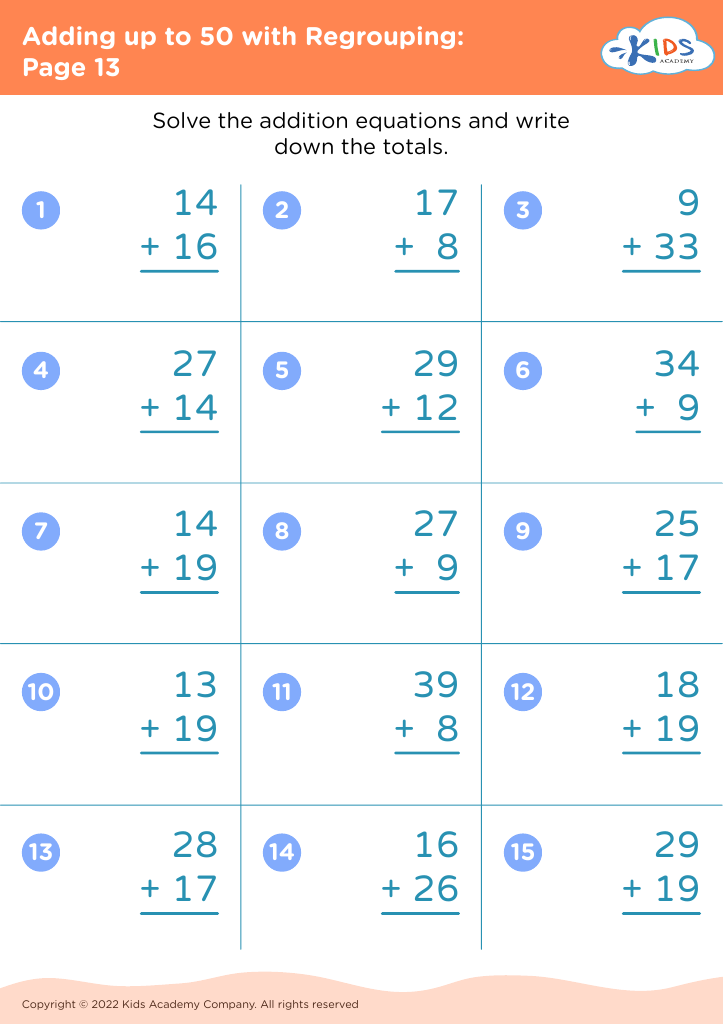
    Adding up to 50 with Regrouping: Page 13
    Adding up to 50 with Regrouping: Page 13
    Adding up to 50 with Regrouping: Page 13
    Worksheet
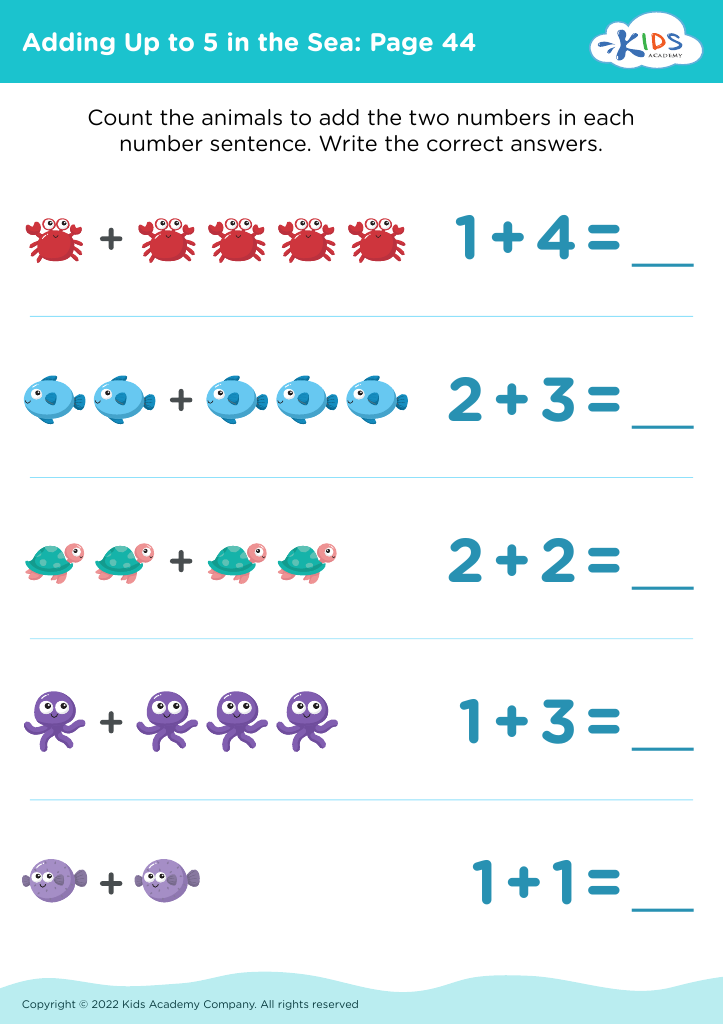
    Adding Up to 5 in the Sea: Page 44
    Adding Up to 5 in the Sea: Page 44
    Adding Up to 5 in the Sea: Page 44
    Worksheet


    ... 4 5

    Cognitive development in children aged 5-8 is crucial as it forms the foundation for future learning and intellectual growth. During this stage, children develop critical thinking skills, memory, problem-solving abilities, and understanding of concepts like sequence and cause-and-effect. Mastering these cognitive skills is essential for academic success in subjects such as math and reading. For example, understanding addition not only boosts arithmetic abilities but also enhances logical reasoning, pattern recognition, and the ability to perform multi-step tasks.

    Parents and teachers play a pivotal role in fostering cognitive development by providing stimulating environments, engaging activities, and positive reinforcement. This nurturing helps children build confidence and develop a love for learning. Practical activities such as games, puzzles, and interactive storytelling can make learning addition exciting and relevant, thereby reinforcing cognitive development.

    Early cognitive development also impacts social skills. As children learn to solve problems and understand concepts, they become better at communicating, collaborating, and empathizing with peers. These social skills are just as important as academic skills in ensuring well-rounded development.

    Overall, investing time and effort in promoting cognitive development during these formative years creates a solid educational groundwork, setting children up for lifelong learning and success.