
Fine motor skills (drawing lines) Addition Worksheets for Ages 5-8
3 filtered results
Difficulty Level
Grade
Age
-
From - To
Subject
Activity
Standards
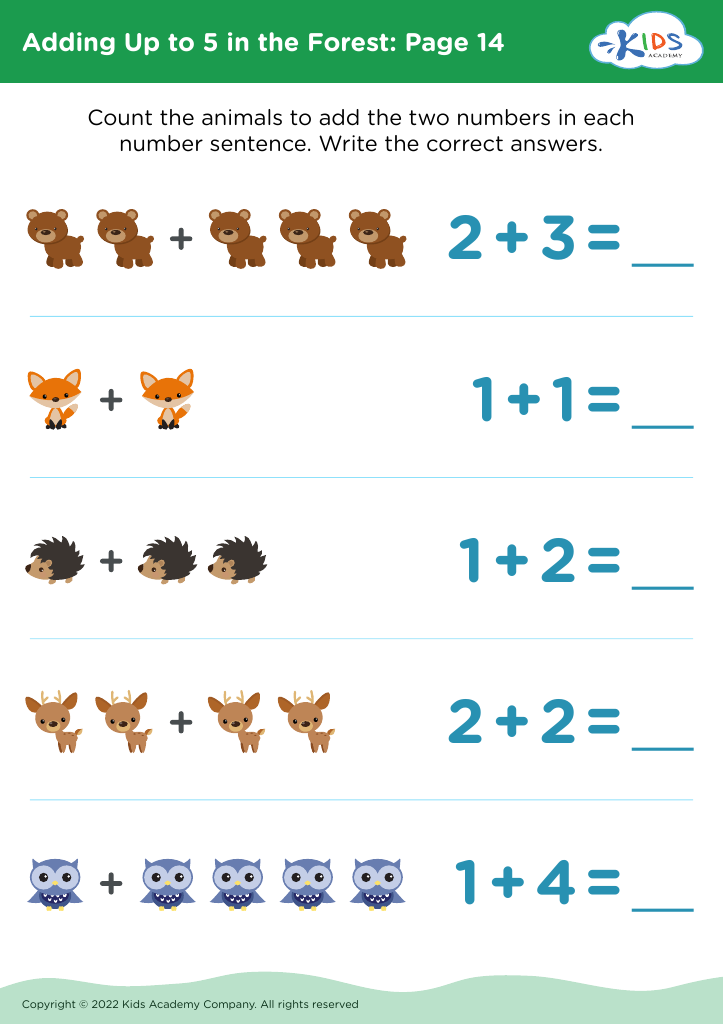
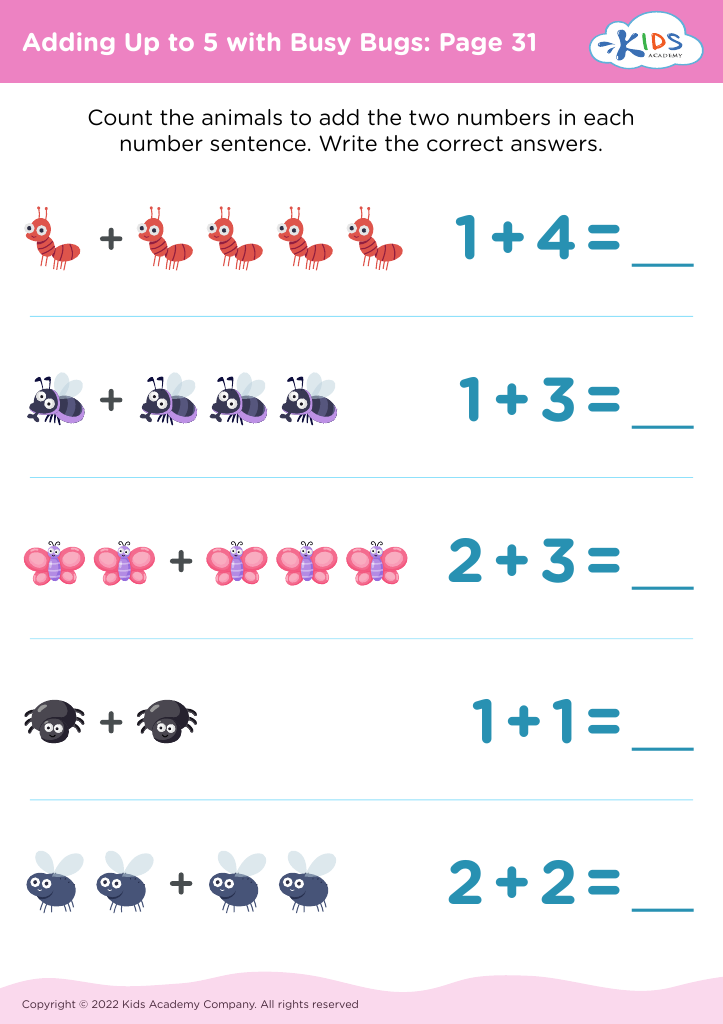
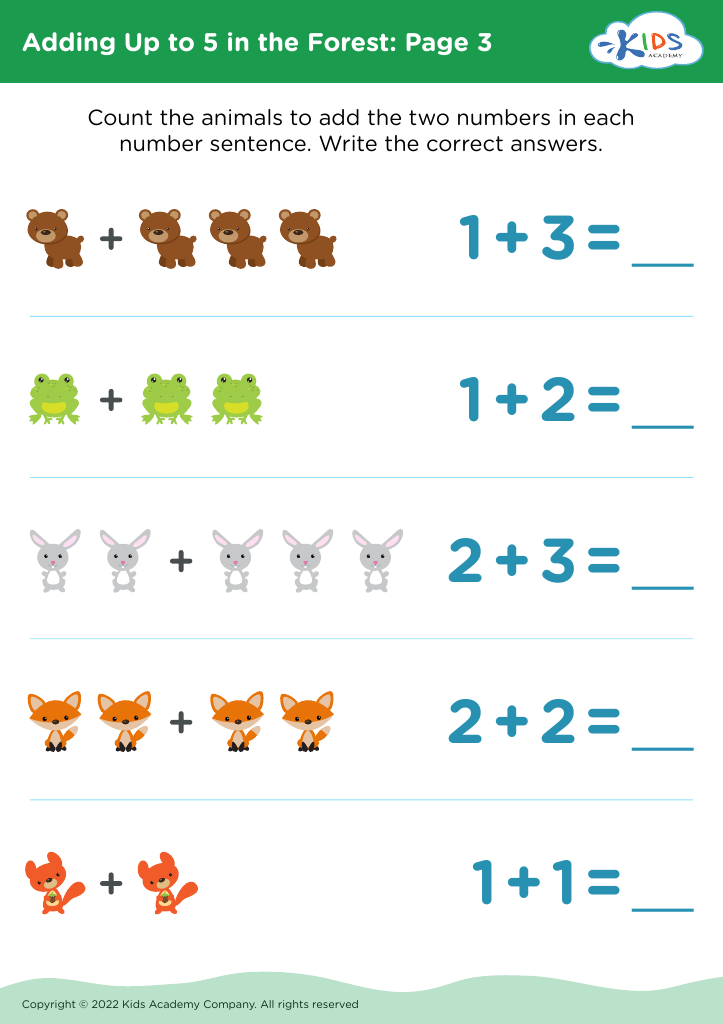
Enhance your child's fine motor skills and math abilities with our "Fine Motor Skills (Drawing Lines) Addition Worksheets" specifically designed for ages 5-8. These engaging worksheets not only help young learners practice addition but also improve their hand-eye coordination and precision needed for writing. Through tracing and drawing lines, kids can develop essential fine motor control while reinforcing their understanding of basic maths concepts. Ideal for classroom or home use, these worksheets provide a fun and educational way for children to develop crucial skills that will benefit their overall academic growth. Download now to support your child's learning journey!
Favorites
With answer key
Interactive
Join Kids Academy for Free
Who is primarily going to use this learning content?








Fine motor skills, such as drawing lines, are crucial for children aged 5-8 because they form the foundation for many essential life and academic skills. Parents and teachers should pay attention to the development of these skills because they directly influence a child's ability to perform tasks like writing, buttoning clothes, and using utensils. At this stage, children are transitioning from preschool activities to more structured school environments, where fine motor skills are critical for success.
In particular, drawing lines and other similar activities help strengthen the small muscles in a child's hands and fingers, improving dexterity and hand-eye coordination. This physical development supports cognitive skills needed for subjects like math and science, where precision and the ability to produce figures matter. For instance, being able to draw straight lines enhances a child’s ability to solve addition problems by organizing numbers systematically.
Moreover, mastering these skills fosters independence and boosts self-confidence. When children can complete small tasks by themselves, they become more willing to tackle more challenging activities. Therefore, by focusing on fine motor skill development, parents and teachers set children up for both academic success and practical, day-to-day functionality, as these skills are foundational to a child's overall development and well-being.








