Identifying fractions Addition Worksheets for Ages 5-8
4 filtered results
-
From - To
Welcome to our Identifying Fractions Addition Worksheets for Ages 5-8! Designed to make learning fun and engaging, these worksheets help young learners grasp the concept of fractions while enhancing their addition skills. Each worksheet is tailored to meet the developmental needs of children aged 5 to 8, blending colorful graphics with age-appropriate exercises. Kids will practice identifying fractions and performing simple addition, building a solid foundation in mathematics. Our resources aim to foster a love for learning and provide parents and educators with effective tools to simplify teaching. Explore our worksheets to ignite your child’s mathematical journey today!
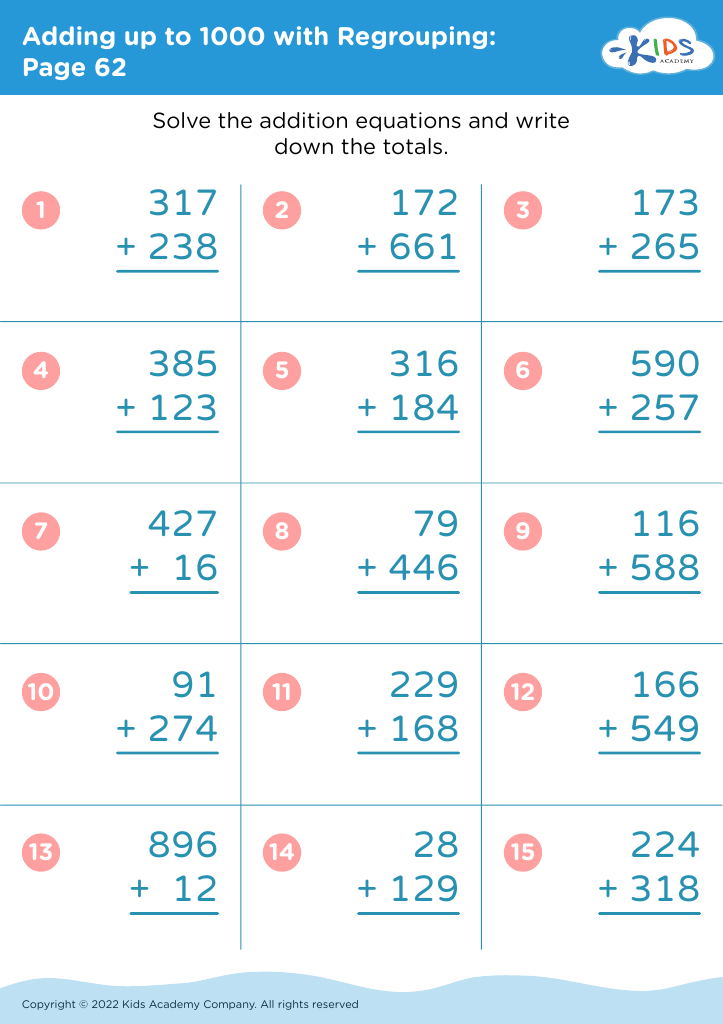
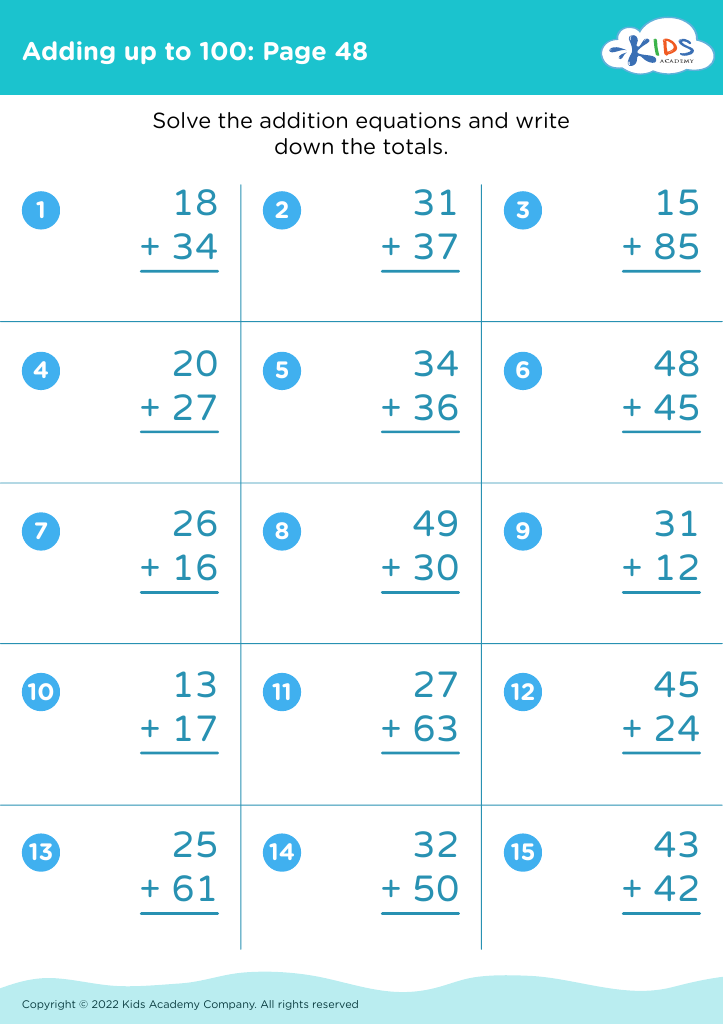
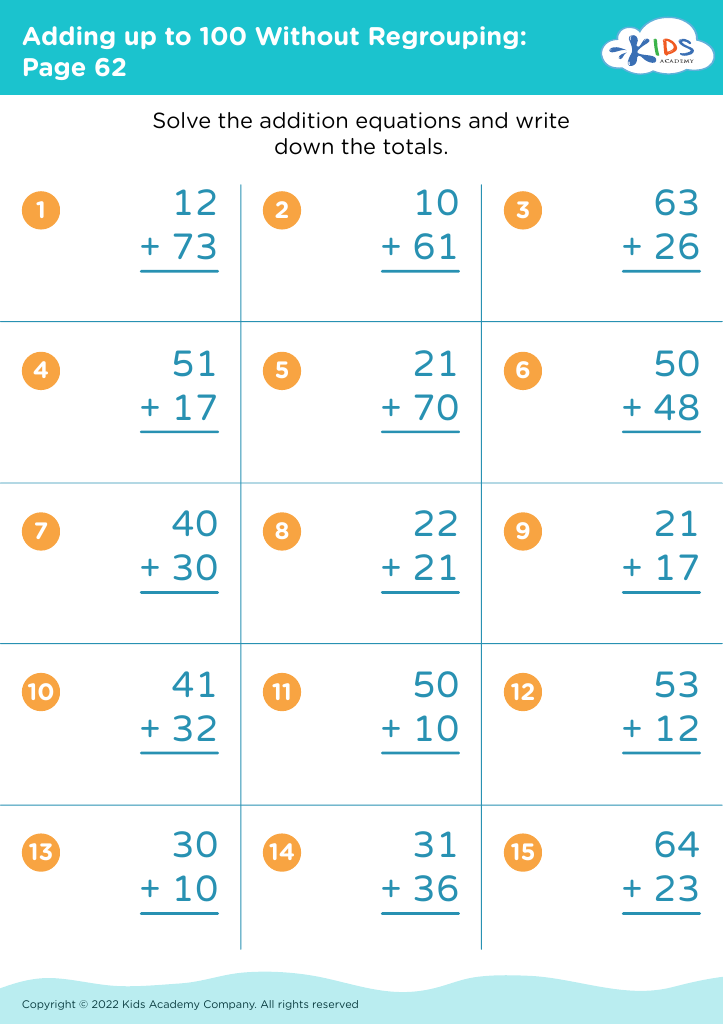
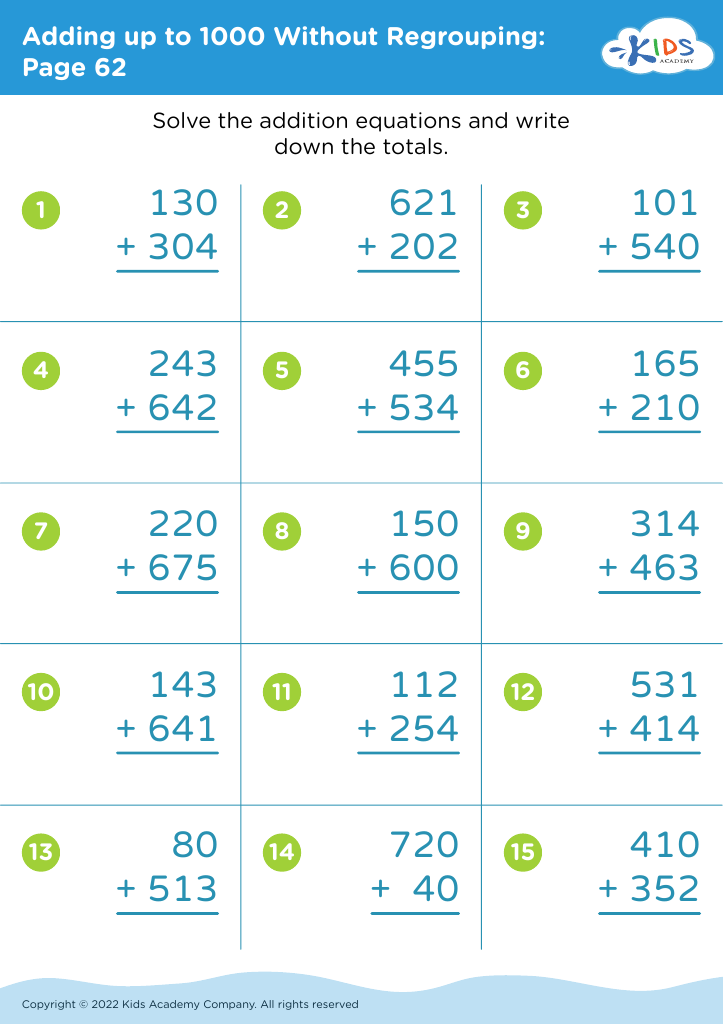








Identifying fractions and understanding their addition is essential for children aged 5-8 as it lays the foundation for critical mathematical skills. At this age, elementary concepts in math are introduced, and grasping fractions enhances children’s ability to comprehend parts of a whole. This understanding is paramount in everyday situations. For example, sharing snacks or dividing toys involves fractions, helping children relate mathematics to their real lives.
Parents and teachers play a vital role in engaging children with these concepts. By teaching children how to identify and add fractions, they promote problem-solving and critical thinking. These skills aid in developing numerical fluency, which is crucial as math becomes more complex in later grades.
Furthermore, fostering a positive attitude toward fractions early can counteract common anxieties associated with math in later years. Children who master this concept will find broader mathematical concepts more accessible and intuitive, leading to a smoother educational journey. Therefore, identifying and adding fractions not only builds a solid mathematical foundation but also instills confidence and enjoyment in learning, making it a key area that parents and educators should prioritize.








