Reading analog clocks Addition Worksheets for Ages 5-8
4 filtered results
-
From - To
Discover our engaging "Reading Analog Clocks Addition Worksheets" designed specifically for children ages 5-8. These interactive worksheets combine the essential skill of telling time on analog clocks with foundational addition practice. Young learners will enjoy a variety of fun exercises that help them connect numerical time to mathematical concepts. With colorful visuals and easy-to-follow instructions, your child will develop confidence in reading clocks and solving addition problems simultaneously. Perfect for classroom use or at-home learning, our worksheets provide a creative and enjoyable way to enhance your child's math and time-telling abilities. Start building these vital skills today!
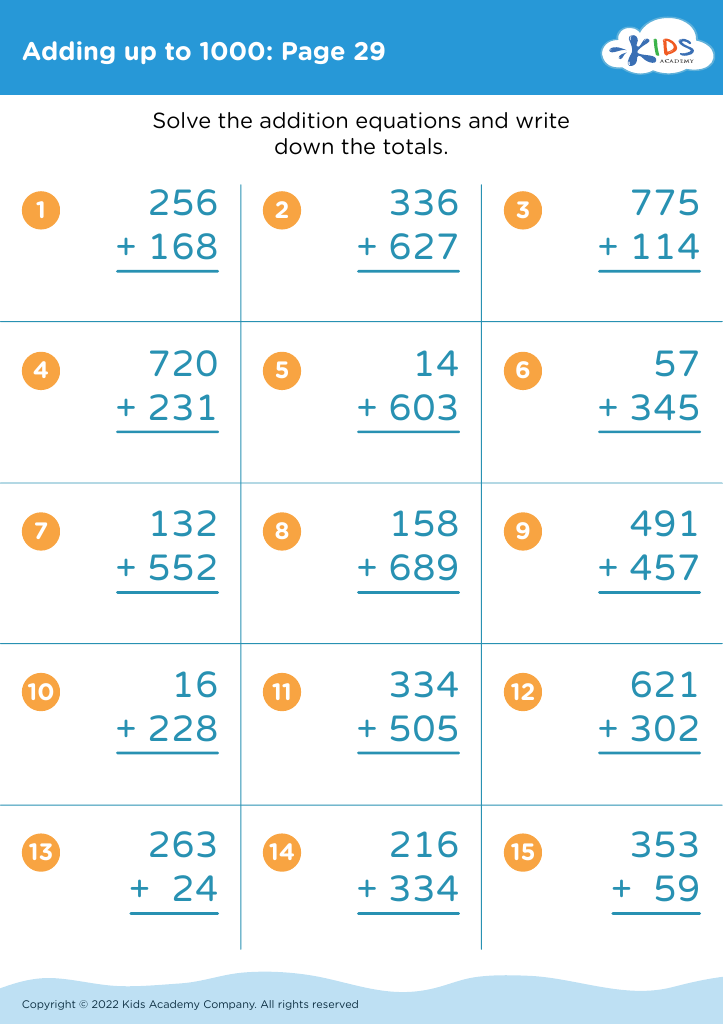
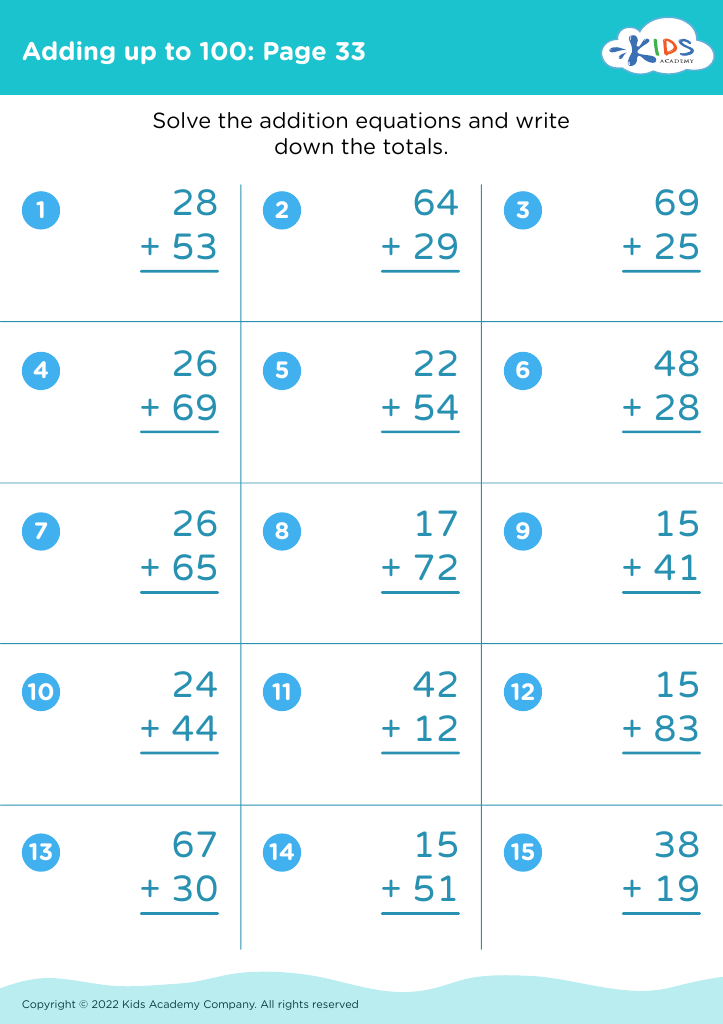
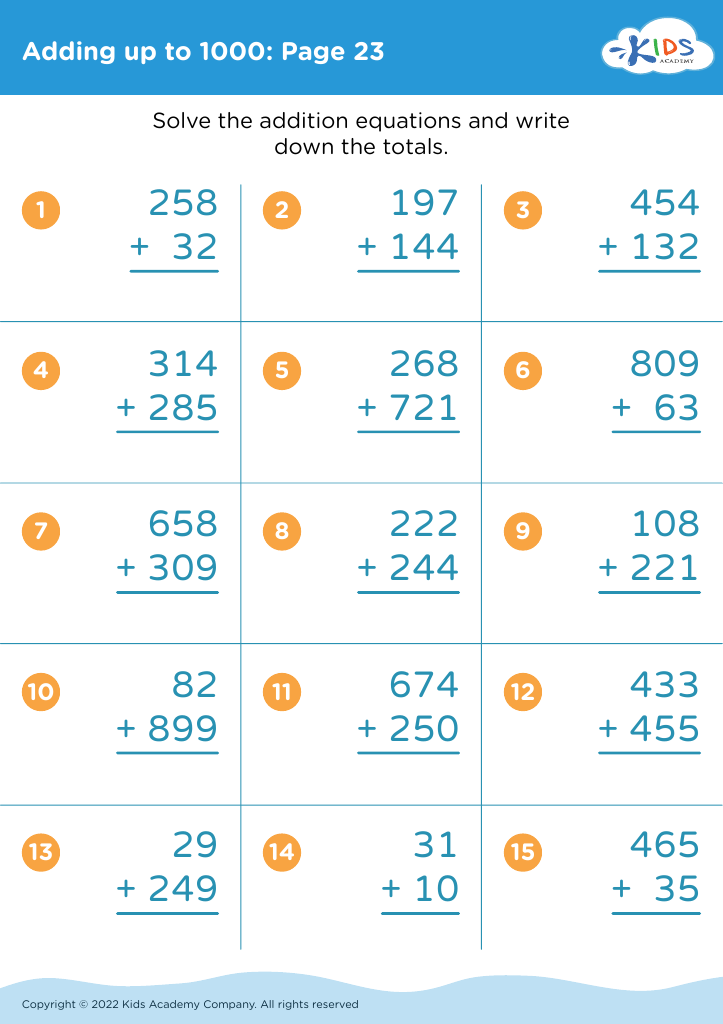
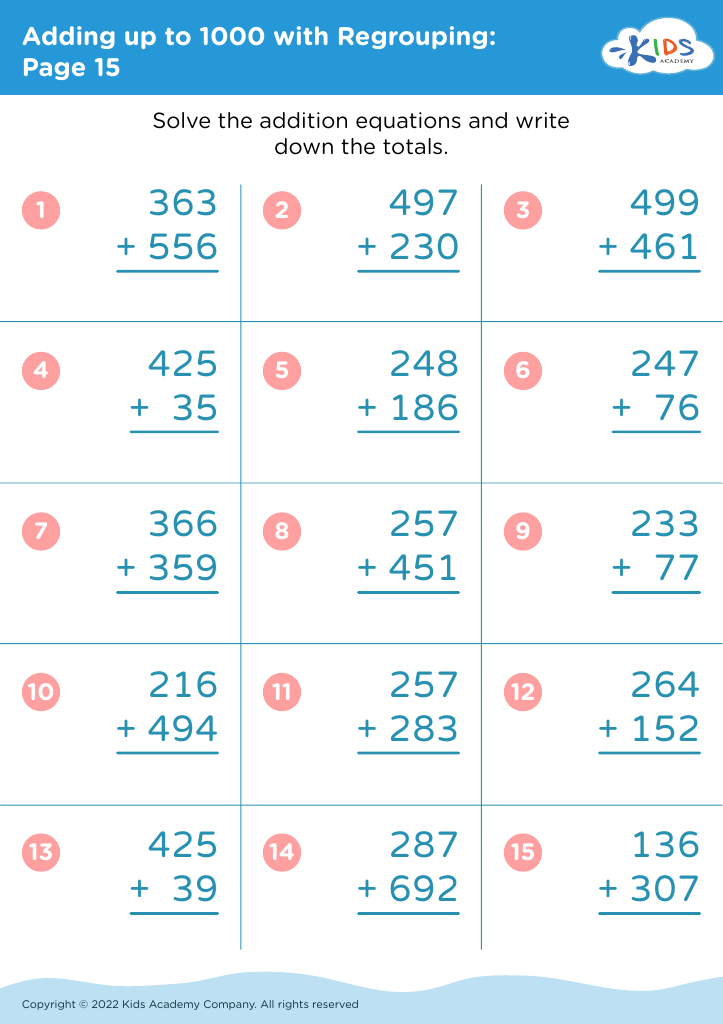








Teaching young children to read analog clocks and perform addition is vital for their overall development. First, mastering the skill of telling time nurtures independence. Children who can read an analog clock are better equipped to manage their own schedules, which enhances their time management skills—an essential tool for success as they progress in their education.
Additionally, addition proficiency is crucial for foundational math skills. Children aged 5-8 are at a stage where they are beginning to understand both simple and complex mathematical concepts. Integrating addition exercises with telling time makes learning engaging and relatable. For instance, if a clock shows that it is 2:00 and an event lasts for 3 hours, children can practice addition to determine the ending time. This connection between real-world applications and mathematical concepts strengthens cognitive development.
Moreover, engaging parents or teachers in this learning process fosters collaboration between home and school, creating a supportive environment for children. This not only enhances the educational experience but also bolsters children's confidence and enthusiasm for learning.
Overall, caring about reading analog clocks and addition lays a solid foundation for enduring mathematical skills and life competencies, preparing children for a successful future.








