Recognize shapes Addition Worksheets for Ages 5-8
9 filtered results
-
From - To
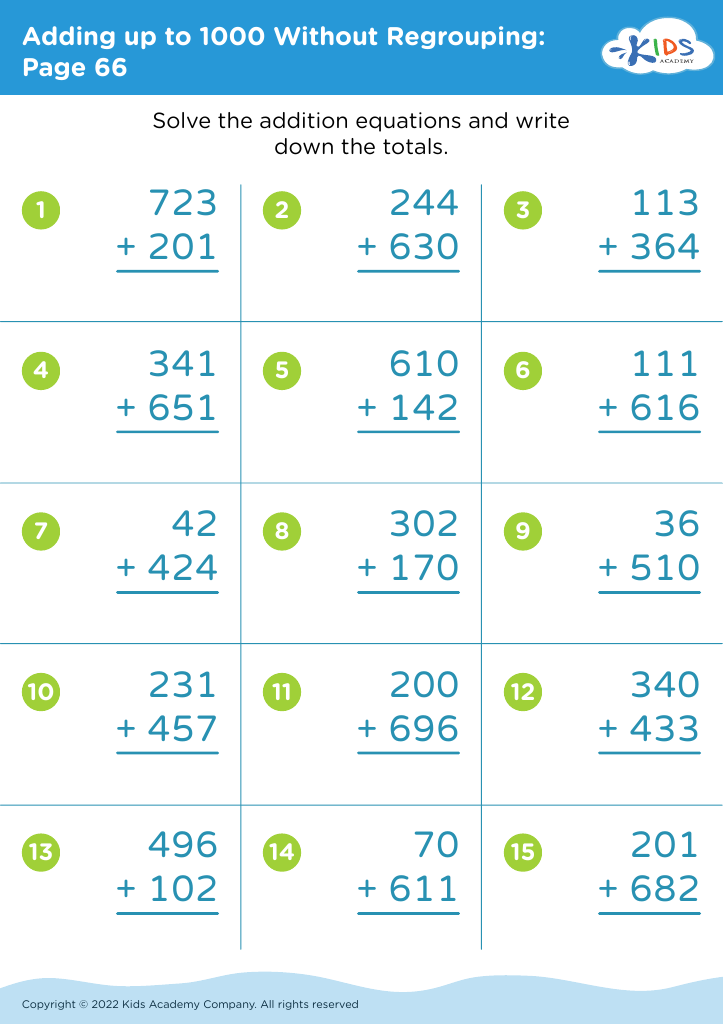
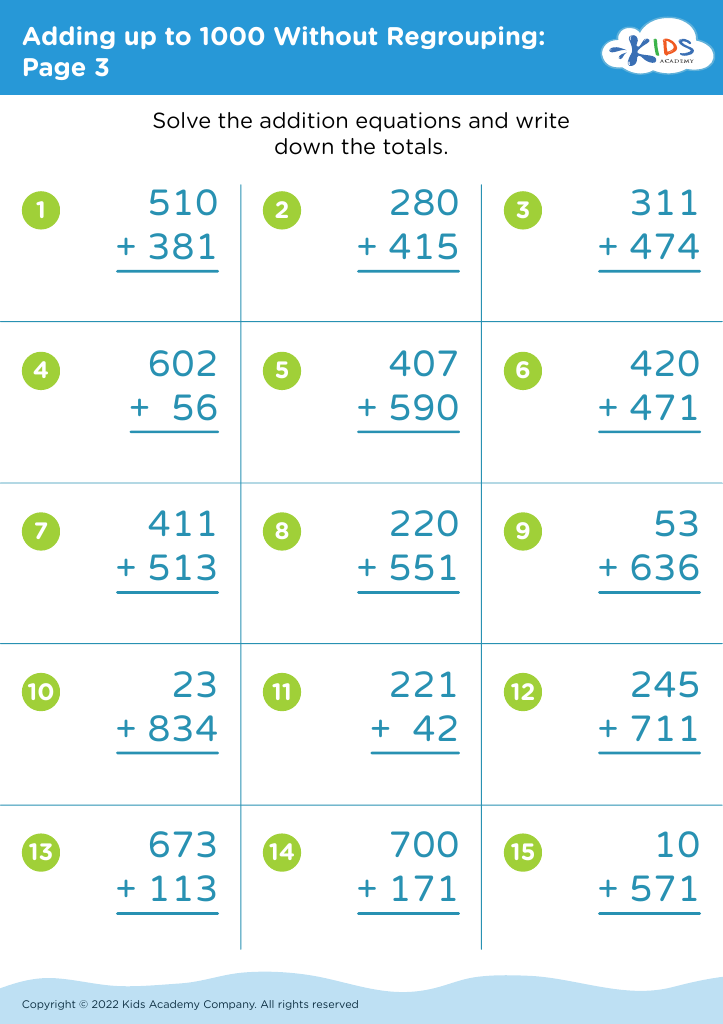
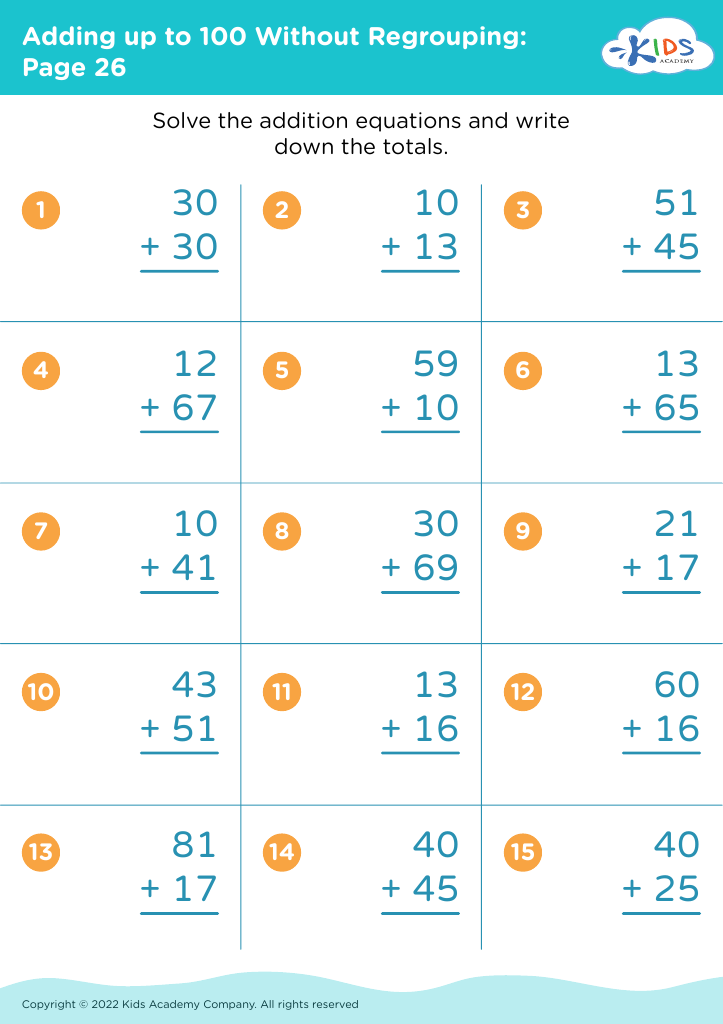
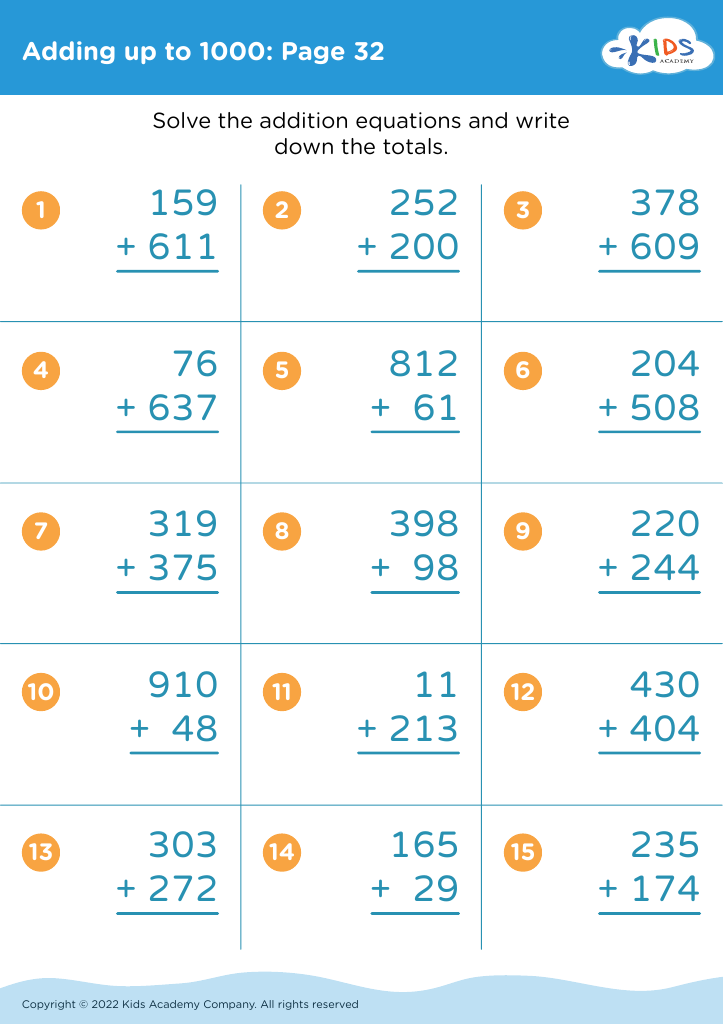
Discover our engaging "Recognize Shapes Addition Worksheets" designed for children aged 5-8! These interactive worksheets combine shape recognition with fun addition problems, making math enjoyable for young learners. Each worksheet features colorful illustrations and clear instructions to help kids grasp essential math skills while identifying various shapes. Perfect for home or classroom use, these resources support early math development and enhance cognitive abilities. Encourage your child's love for learning with exercises that promote both creativity and critical thinking. Browse our collection today and watch your little ones blossom into confident problem solvers with their shape and addition skills!
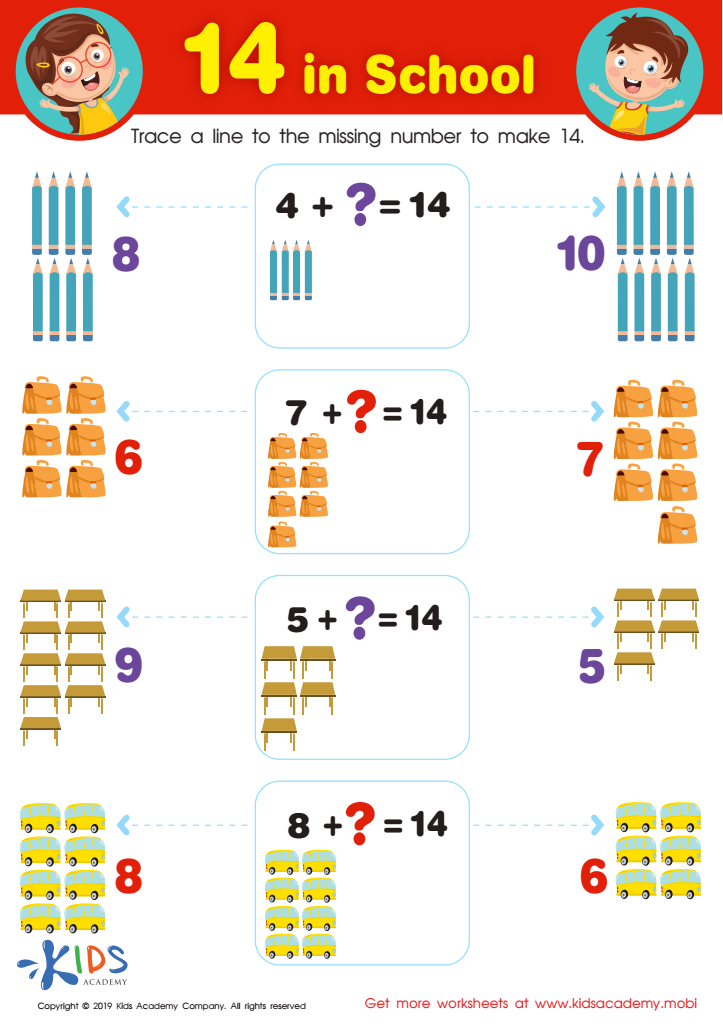
14 in School Worksheet
 Assign to My Students
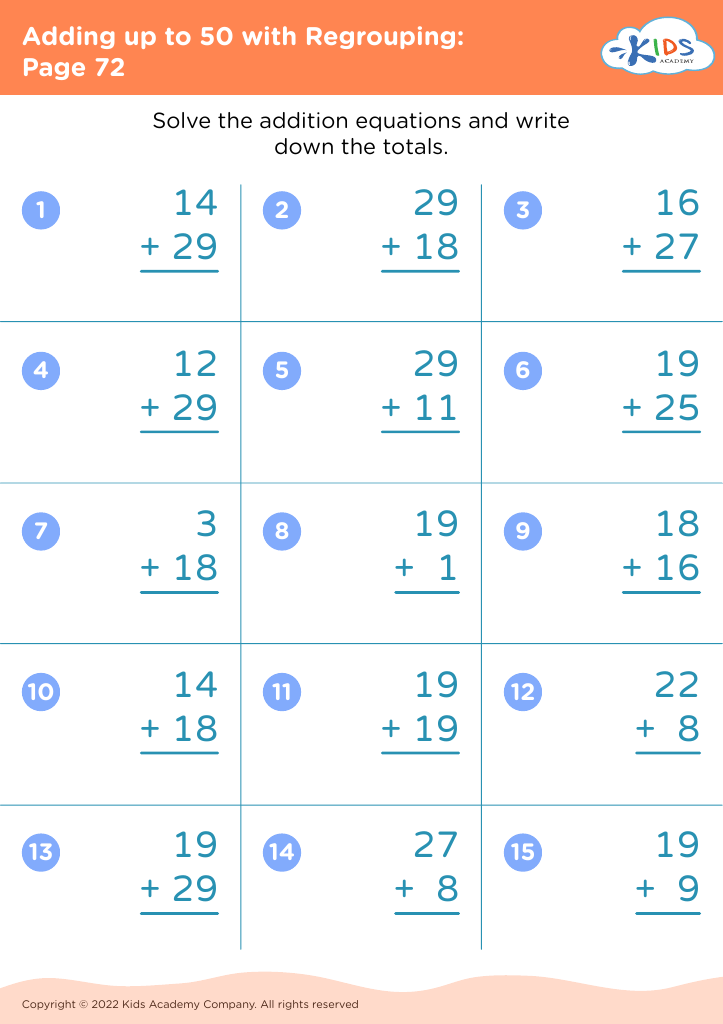








Recognizing shapes and mastering addition are foundational skills for children aged 5-8, crucial for both academic and everyday success. Understanding shapes helps children identify and categorize the world around them. It fosters spatial awareness, which is essential for problem-solving and critical thinking. For example, recognizing rectangles and circles aids in visualizing objects, understanding dimensions, and developing skills for geometry in later grades.
Meanwhile, learning addition is vital for a child's cognitive development. Early mastery of addition not only forms the basis for future math concepts, but it also enhances logical reasoning and analytical skills. When children can confidently add, they are better equipped to tackle more complex mathematical ideas, such as subtraction and multiplication.
Moreover, connecting shapes with basic addition creates a dynamic learning environment. Activities that integrate both can enhance engagement, making mathematics fun and relatable. For instance, using shape blocks for adding quantities helps children understand both concepts in a tactile way.
Ultimately, parents and teachers play a critical role in nurturing these skills, as they lay the groundwork for students’ future learning and lifelong problem-solving abilities. By promoting shape recognition and addition, they are investing in children's cognitive and emotional development, setting them up for academic success.








