Shape Recognition Addition Worksheets for Ages 5-8 - Page 2
32 filtered results
-
From - To
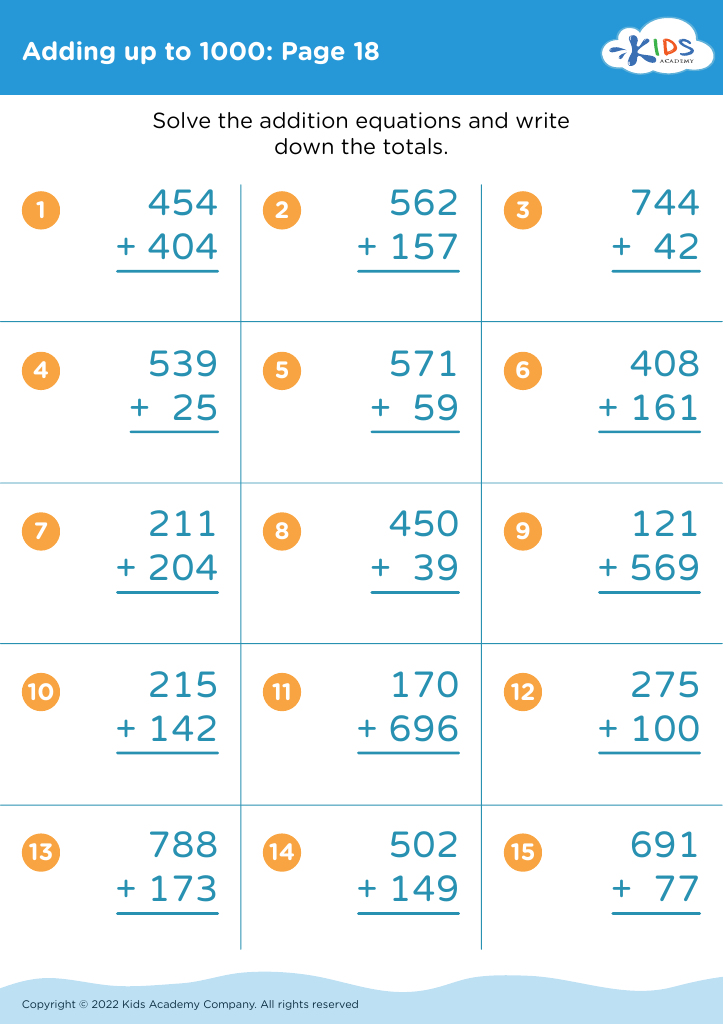
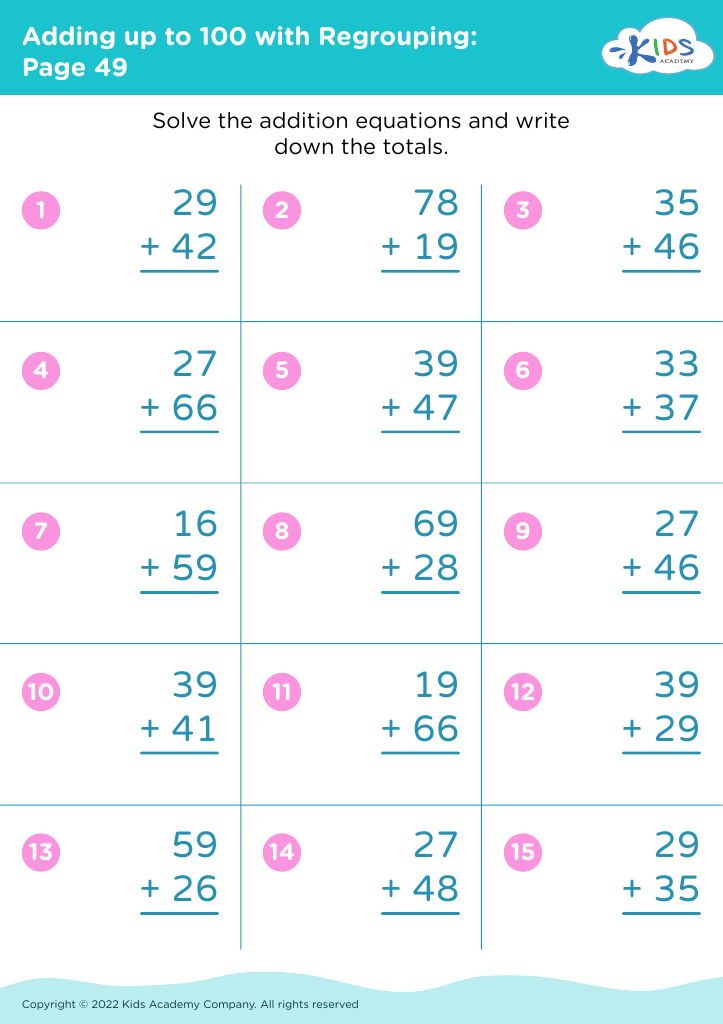
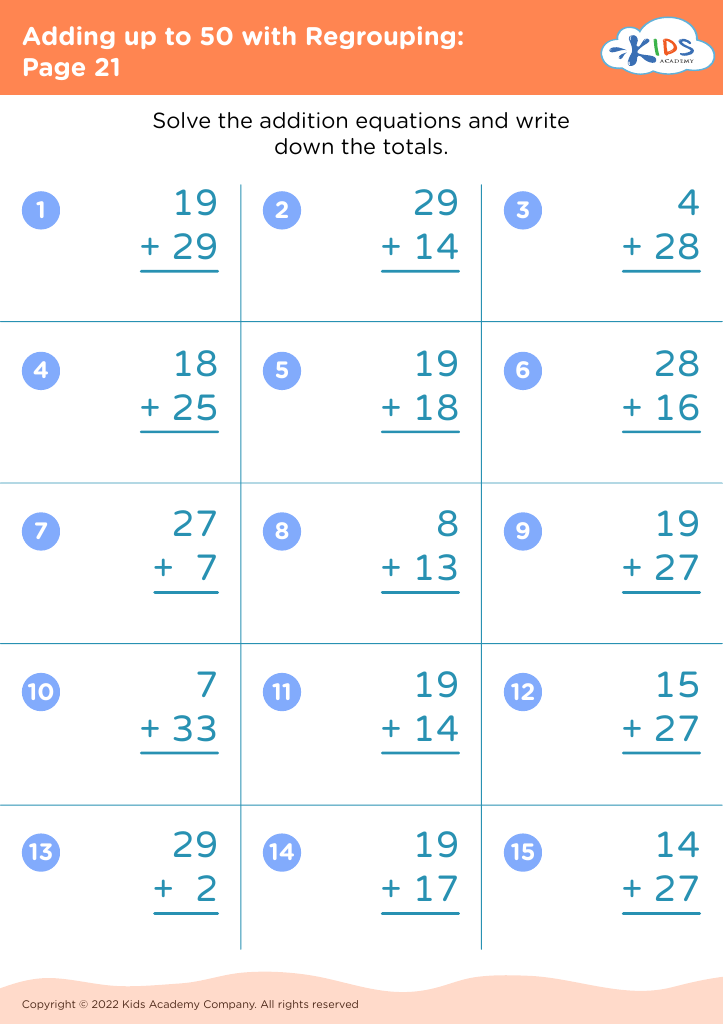
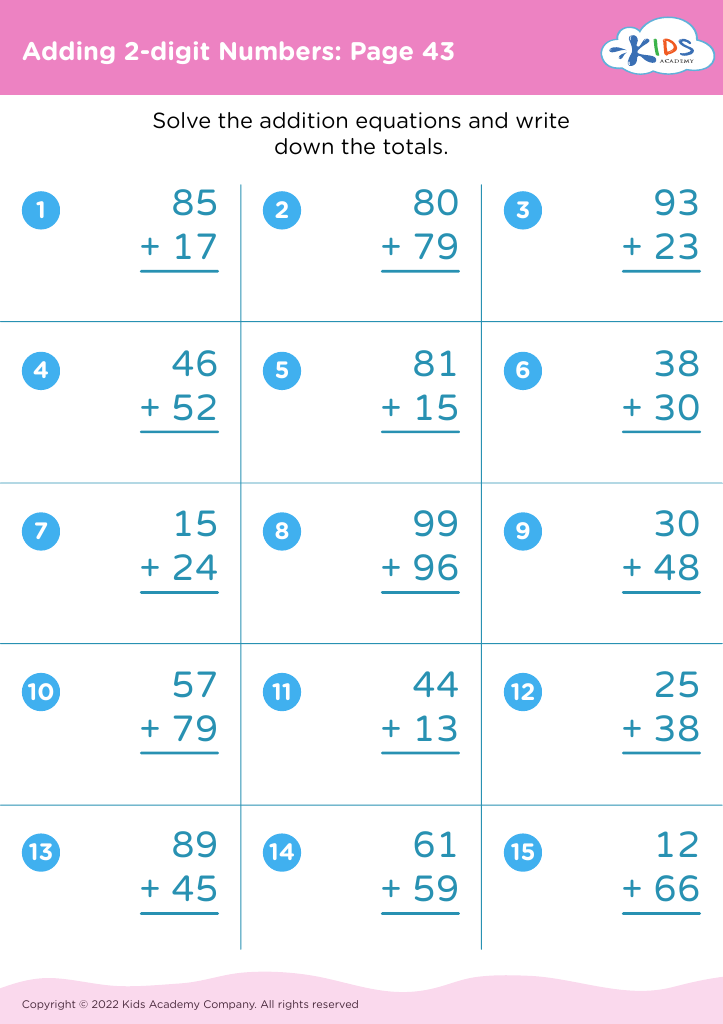








Shape recognition is fundamental in the early developmental stages of children ages 5-8 and holds significant importance in educational curricula. Understanding different shapes is not just a matter of recognizing circles, squares, or triangles; it lays the groundwork for spatial awareness, which is crucial in subjects like geometry and even in real-world problem-solving.
Incorporating shape recognition into addition exercises can this multifaceted learning experience. It engages children in a visually stimulating way, allowing them to connect abstract mathematical concepts with concrete shapes. As they combine or add shapes, they not only learn arithmetic but also enhance their critical thinking skills as they explore concepts such as symmetry, angles, and patterns.
Moreover, tackling mathematical problems using different shapes can cater to various learning styles, enabling visual learners to thrive. Teaching math through shapes can also address inclusivity, as it allows for various ways of representation and understanding.
Ultimately, when parents and teachers emphasize the connection between shape recognition and addition, they foster a deeper understanding of math in young learners, instilling a love for learning that can last a lifetime. Supporting children in this way prepares them for future academic challenges while nurturing their cognitive growth.








