
Understand multiplication Addition Worksheets for Ages 5-8
6 filtered results
Difficulty Level
Grade
Age
-
From - To
Subject
Activity
Standards
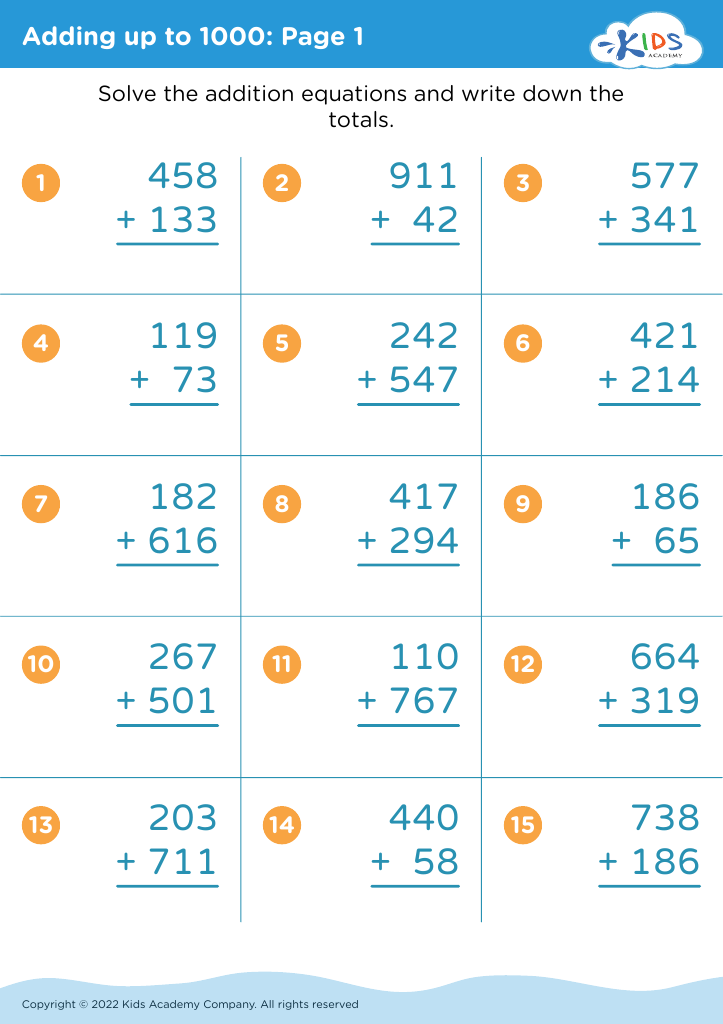
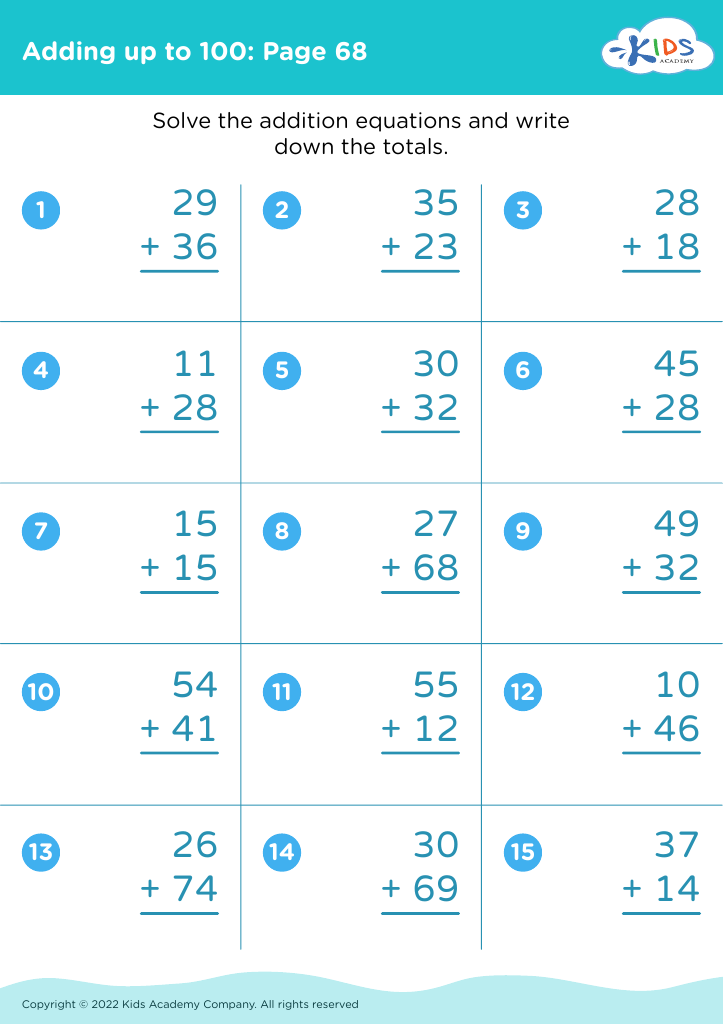
Discover our "Understand Multiplication Addition Worksheets" designed for ages 5-8! These engaging worksheets help young learners build a strong foundation in math by introducing the concept of multiplication alongside addition. Children will explore patterns, group counting, and the relationship between addition and multiplication in a fun and interactive way. Our carefully crafted exercises foster critical thinking skills, enhance understanding of number relationships, and boost overall confidence in math. Perfect for home or classroom use, these worksheets make learning math enjoyable and effective. Start your child’s exciting math journey today and watch them thrive as they master important concepts!
Favorites
With answer key
Interactive
Join Kids Academy for Free
Who is primarily going to use this learning content?








Understanding multiplication and addition is crucial for children aged 5-8, as these foundational math skills set the stage for future learning. At this age, children's brains are exceptionally receptive to new concepts, making it an ideal time to introduce and reinforce these essential operations. Mastering addition helps children develop number sense, enabling them to solve problems in everyday situations, such as shopping or sharing equally among friends.
Multiplication, although often seen as a more advanced concept, can be introduced through skip counting and repeated addition. This helps children see the relationship between the two operations, fostering a deeper understanding of mathematics. When children grasp these skills early on, they build confidence, which is essential for tackling more complex topics in later grades, such as fractions, division, and even basic algebra.
Moreover, proficient addition and multiplication skills enhance critical thinking and problem-solving abilities, skills that are invaluable not just in academics, but in life. For parents and teachers, focusing on these skills is not just about teaching numbers; it's about nurturing a child's overall cognitive development and instilling a love for learning that will benefit them for years to come. In essence, investing time in these elementary skills is an investment in a child's future.








