Understanding subtraction Addition Worksheets for Ages 5-8
9 filtered results
-
From - To
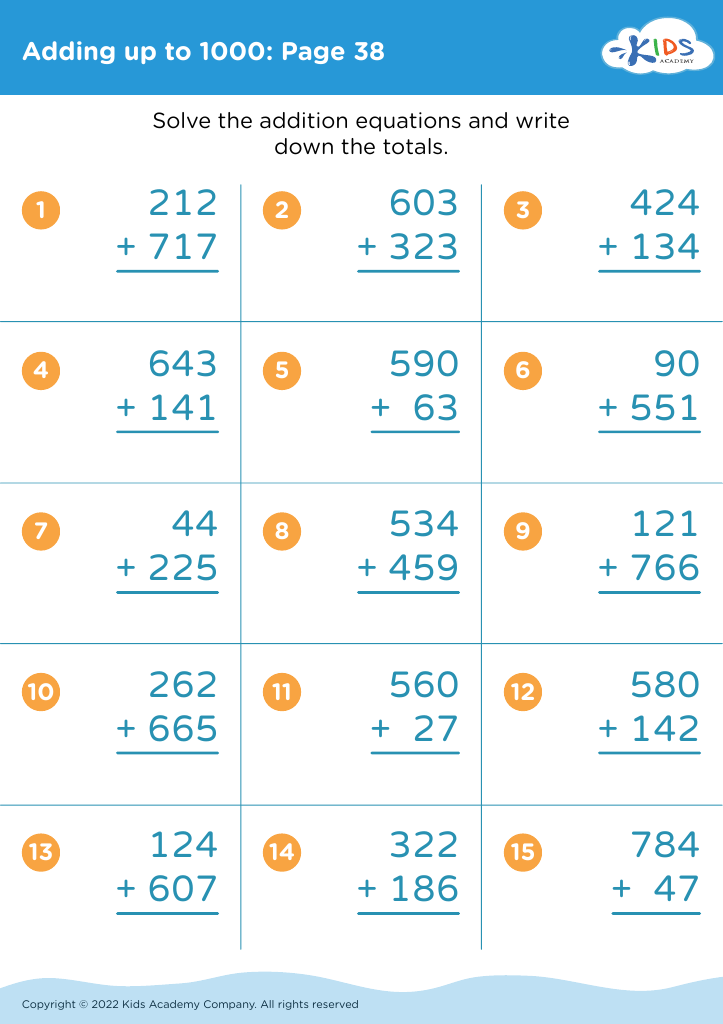
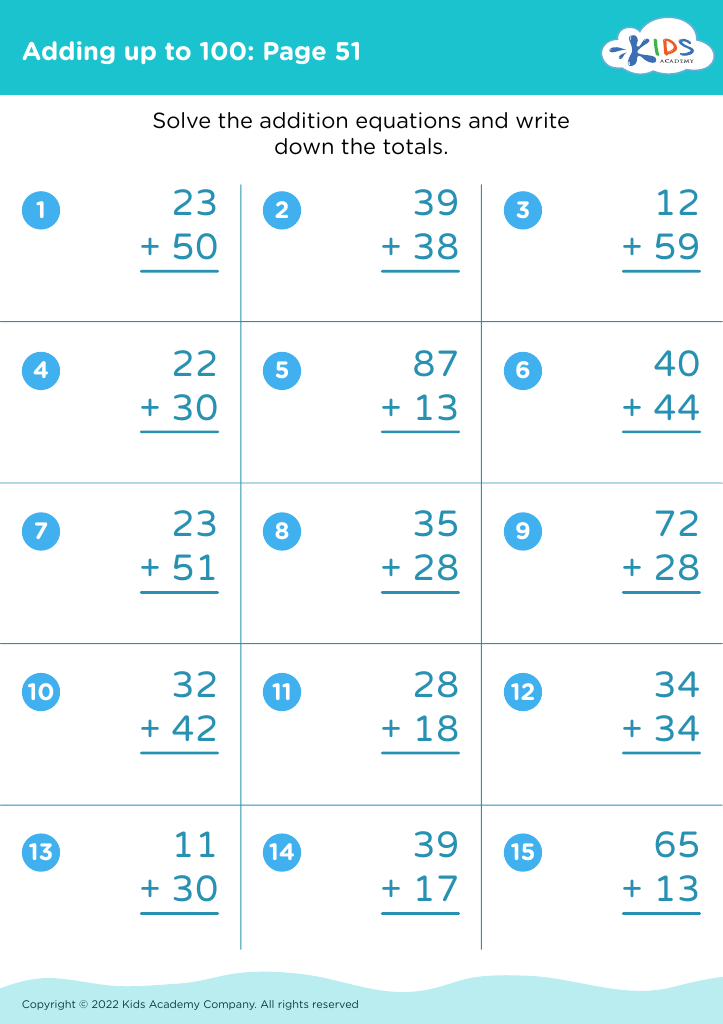
Explore our engaging "Understanding Subtraction Addition Worksheets" tailored for children ages 5-8! These interactive worksheets provide young learners with essential skills to comprehend subtraction while reinforcing their addition knowledge. Activities are designed to make math fun and relatable, featuring colorful graphics and relatable scenarios to capture kids' interest. Each worksheet encourages problem-solving, critical thinking, and confidence building, laying a solid foundation for future math success. Parents and educators can easily track progress and understanding through various exercises varying in difficulty. Enhance your child's math journey today with our comprehensive resources designed to inspire learning and promote a love for mathematics!
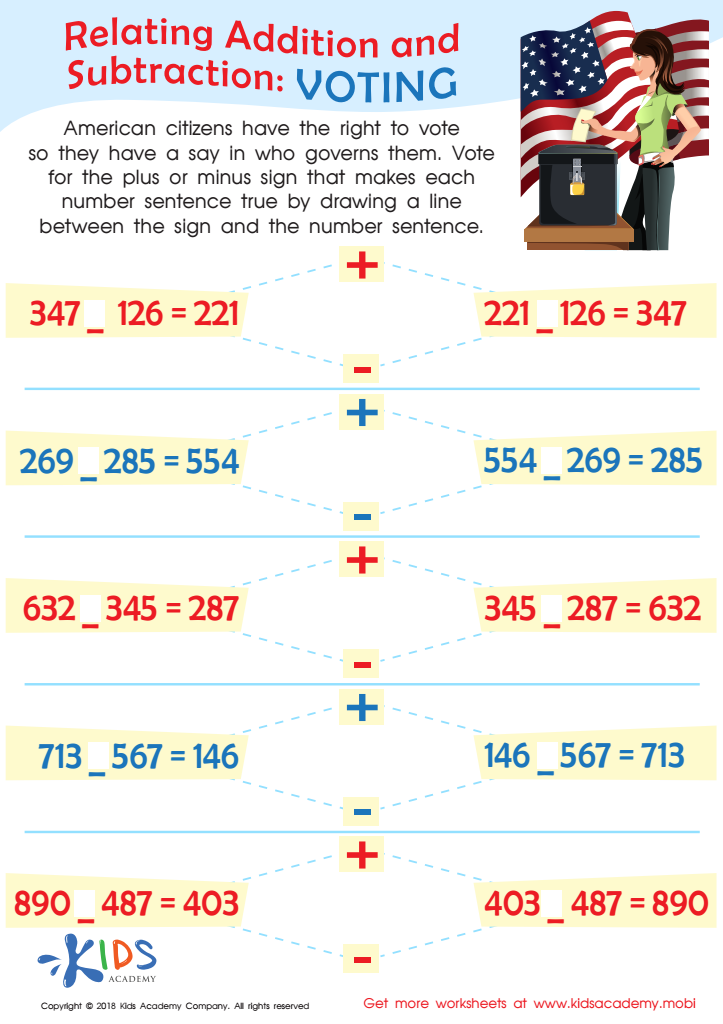
Voting Worksheet
 Assign to My Students
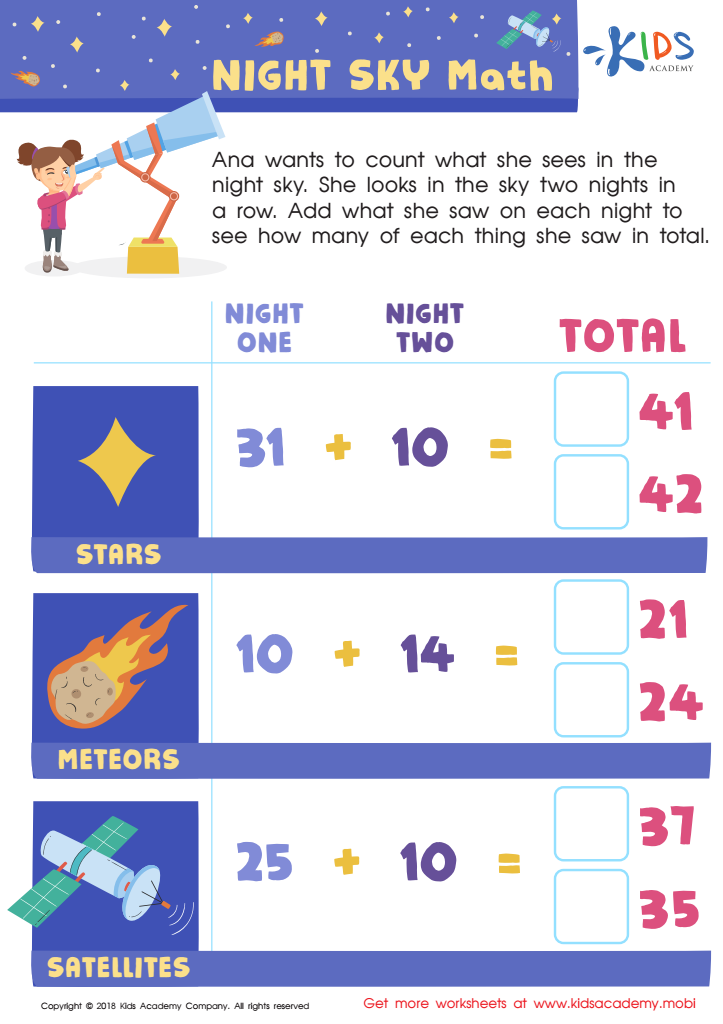
Night Sky Math Worksheet
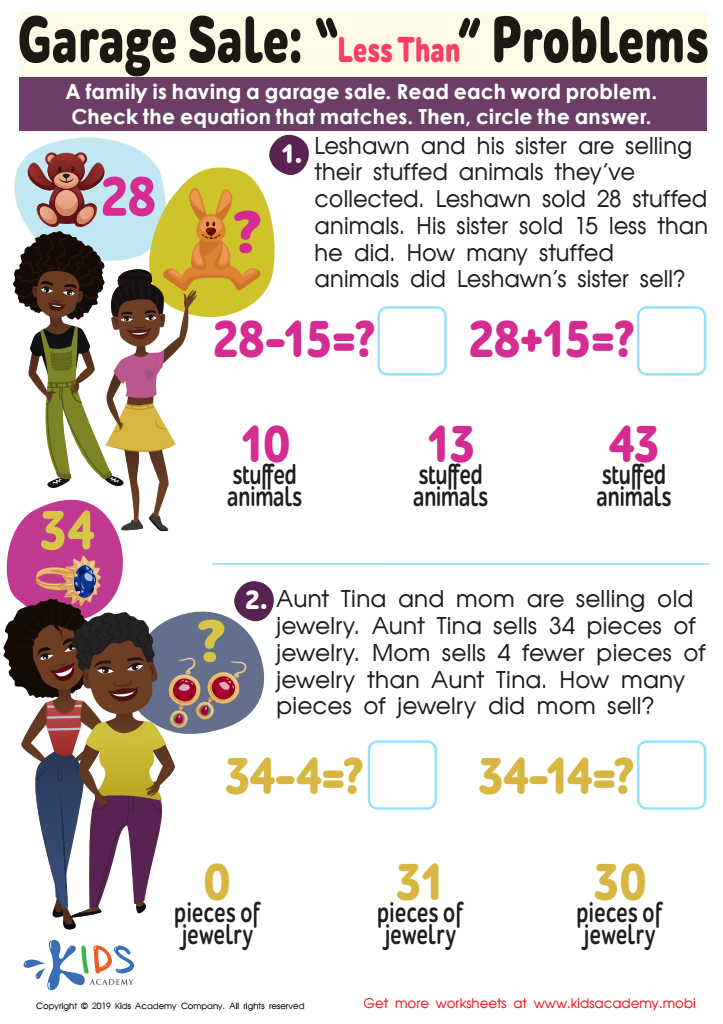
Garage Sale Less Than Worksheet
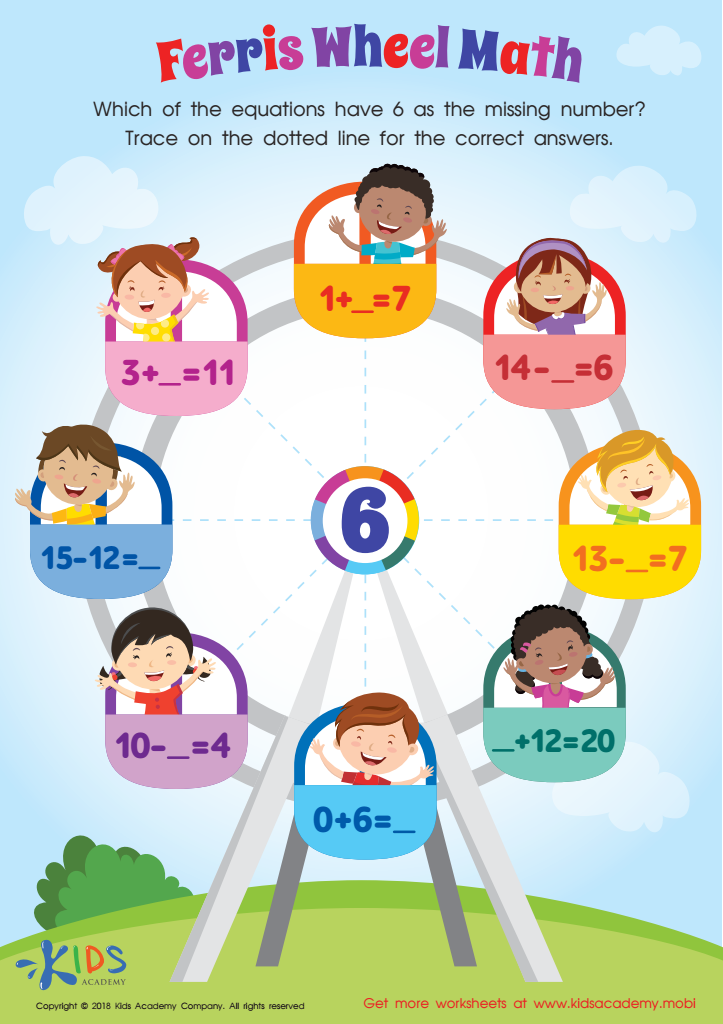
Missing Number: Ferris Wheel Math Worksheet
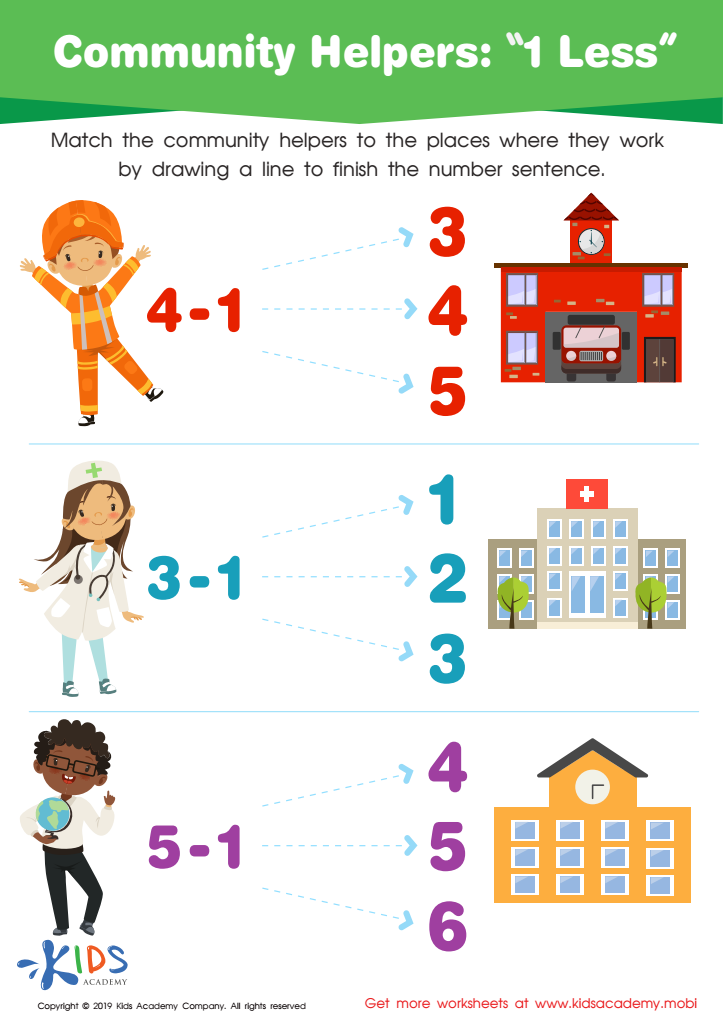
Community Helpers: 1 less Worksheet
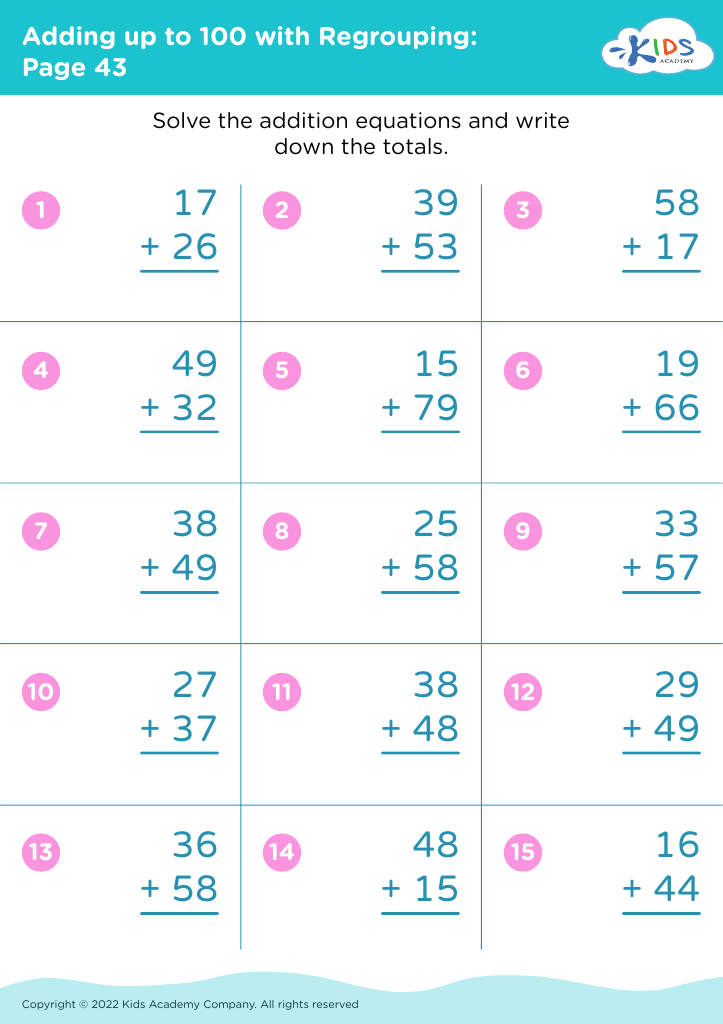
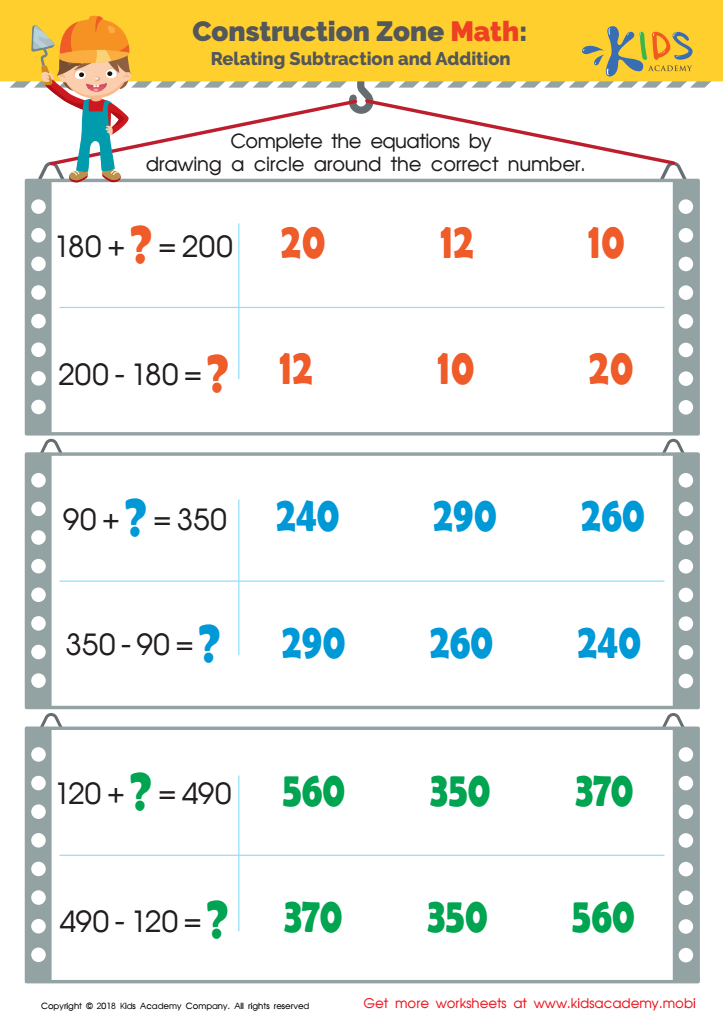
Construction Zone Math: Relating Subtraction and Addition Worksheet








Understanding addition and subtraction is crucial for children aged 5-8, as it lays the foundation for their mathematical development and problem-solving skills. At this formative stage, children begin to grasp basic arithmetic principles, which are essential for everyday tasks and future academic success. When parents and teachers prioritize understanding these concepts, they help foster a positive attitude towards math, reducing anxiety and promoting confidence in their mathematical abilities.
Additionally, mastering addition and subtraction enhances critical thinking and reasoning skills. Children learn to analyze problems, explore different strategies, and recognize patterns—skills that extend beyond mathematics into other academic areas and real-life situations. Engaging with these concepts also aids in developing fine motor skills through hands-on activities, which further enrich learning experiences.
Moreover, a strong grasp of addition and subtraction paves the way for more advanced math topics such as multiplication, division, fractions, and algebra. It also encourages collaboration and communication as children often work in pairs or groups to solve problems, fostering teamwork and social skills in the process. By valuing and supporting understanding in these fundamental areas, parents and teachers play an instrumental role in shaping the future math proficiency of their children, as well-rounded students equipped for success.








