Mathematical reasoning Counting Worksheets for Ages 5-8
3 filtered results
-
From - To
Discover our engaging Mathematical Reasoning Counting Worksheets designed specifically for children aged 5-8. These fun and interactive activities focus on enhancing counting skills while developing essential mathematical reasoning. Whether your child is practicing one-to-one correspondence or solving simple addition problems, our worksheets provide a variety of challenges to support their learning journey. Each worksheet encourages critical thinking, problem-solving, and independent thought, ensuring a comprehensive understanding of early math concepts. Perfect for use at home or in the classroom, our resources help young learners build confidence and a solid foundation in mathematics. Explore our collection and foster a love for math today!
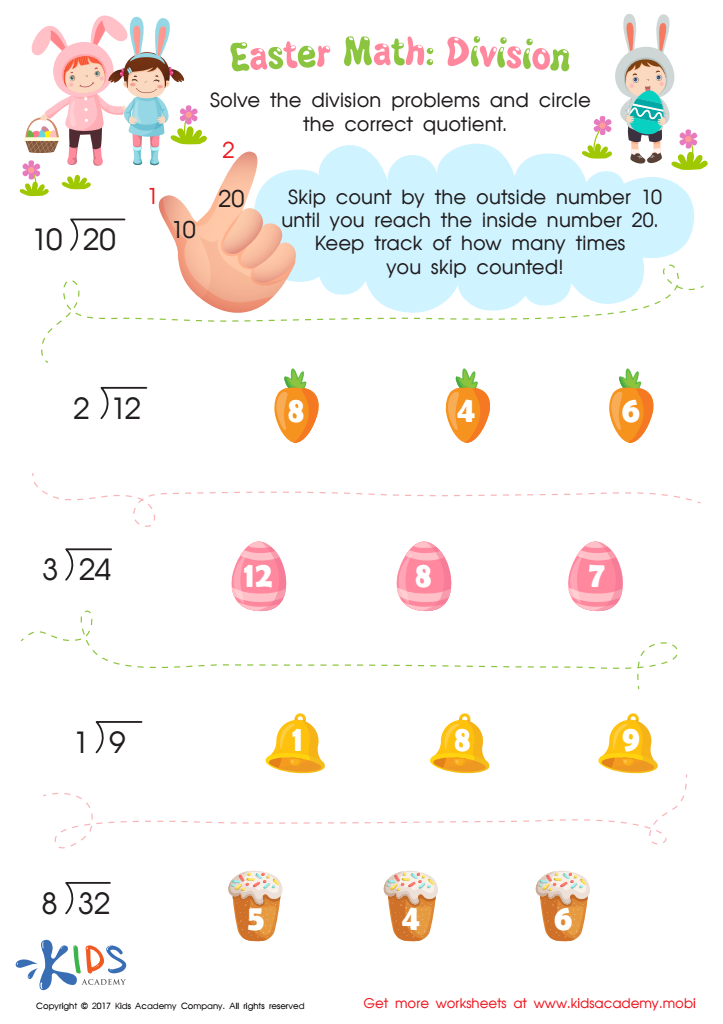
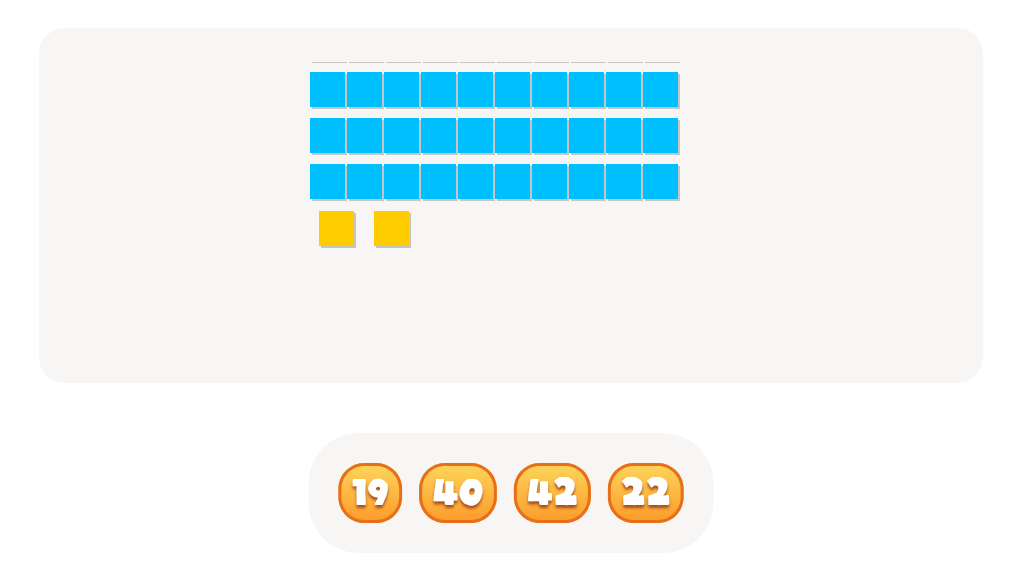
Division Worksheet
 Assign to My Students

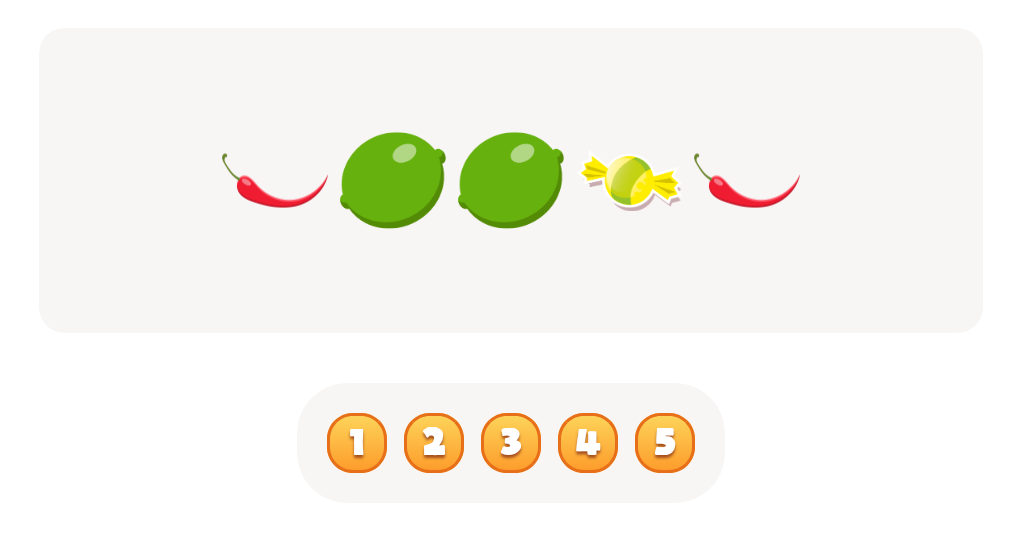
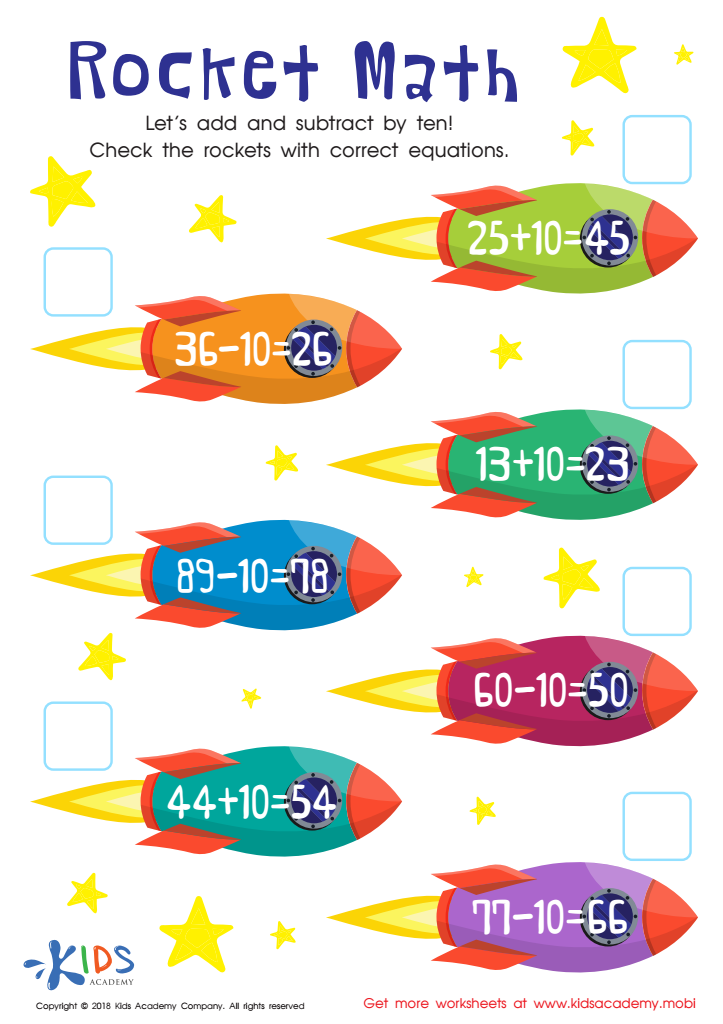
Rocket Math Worksheet
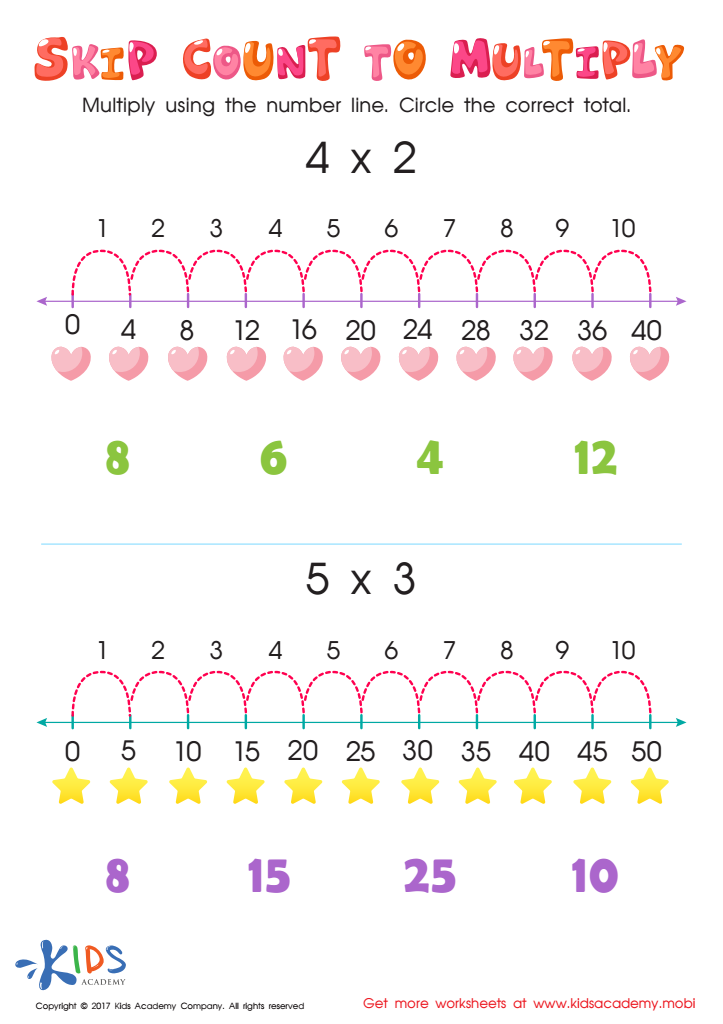
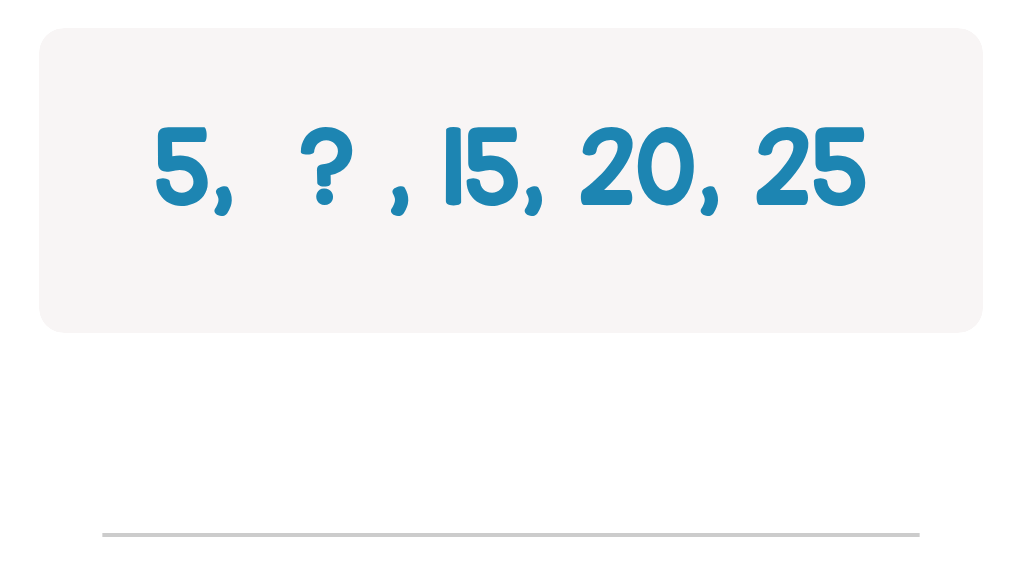
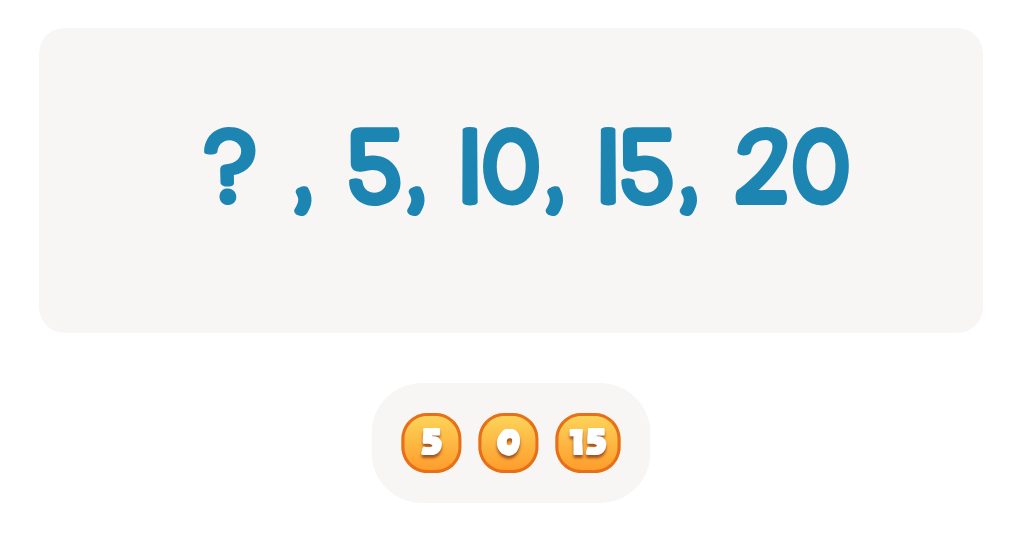
Skip Count Multiplication Worksheet







Mathematical reasoning, particularly counting, is a foundational skill crucial for children aged 5-8. At this stage, children begin to develop their understanding of numbers and relationships, which enhances their problem-solving abilities. Counting is not just about reciting numbers; it involves recognizing patterns, understanding quantity, and developing critical thinking skills. Parents and teachers should care about mathematical reasoning because it lays the groundwork for future mathematical concepts such as addition, subtraction, and even more complex operations.
Furthermore, engaging in counting activities can enhance a child’s cognitive development, promoting pattern recognition and logical thinking. When children count objects, they connect physical items with numerical concepts, reinforcing their learning experience. Interactive counting activities, such as games or daily routines, make learning enjoyable and memorable.
Moreover, strong mathematical reasoning contributes to a child’s overall confidence and competence in math. Negative experiences with numbers can lead to math anxiety later in life. By focusing on counting and reasoning, caregivers can foster a positive attitude towards mathematics, encouraging a lifelong appreciation for the subject. Ultimately, investing time in building these skills in young children helps set a strong foundation for their educational journeys and future success in various fields.








