Data analysis Graphs Worksheets for Ages 5-8
3 filtered results
-
From - To
Explore our engaging Data Analysis Graphs Worksheets designed for children aged 5-8! These interactive resources help young learners develop essential skills in data interpretation and analysis through fun, colorful graphs. Each worksheet fosters critical thinking, promoting activities such as collecting data, creating bar and pictographs, and answering analysis questions. By utilizing real-world concepts, we make learning exciting and effective, supporting early mathematical foundations. Perfect for classroom use or at-home practice, our worksheets seamlessly integrate with your teaching plans. Discover how easy and enjoyable it is for kids to learn the fundamentals of data analysis with our expertly crafted worksheets today!
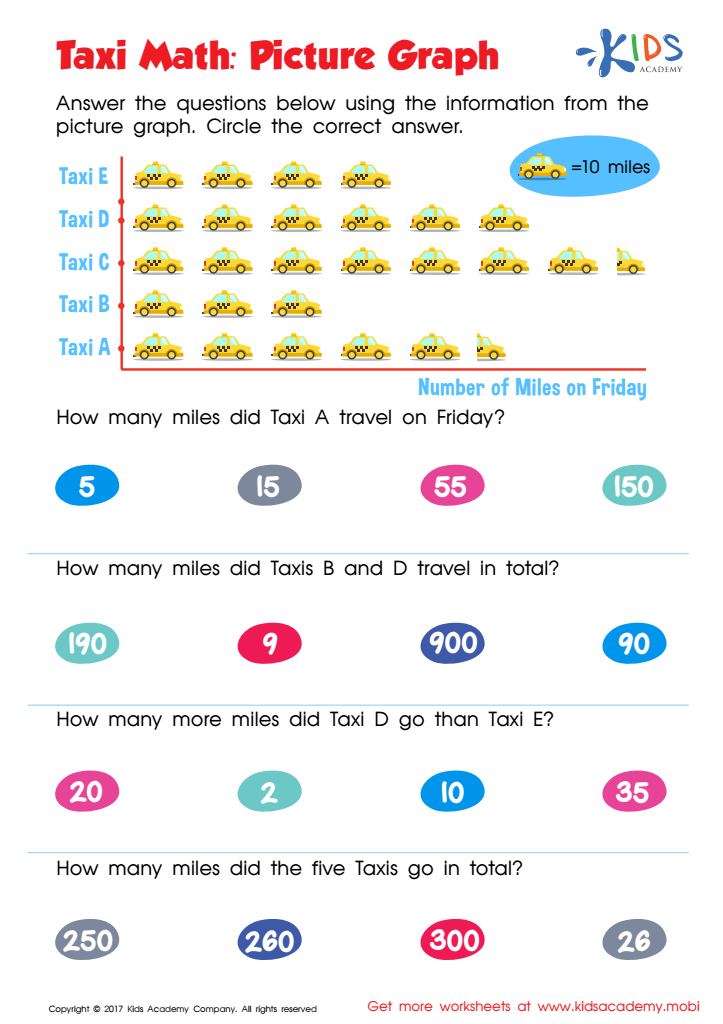
Taxi Math Worksheet
 Assign to My Students
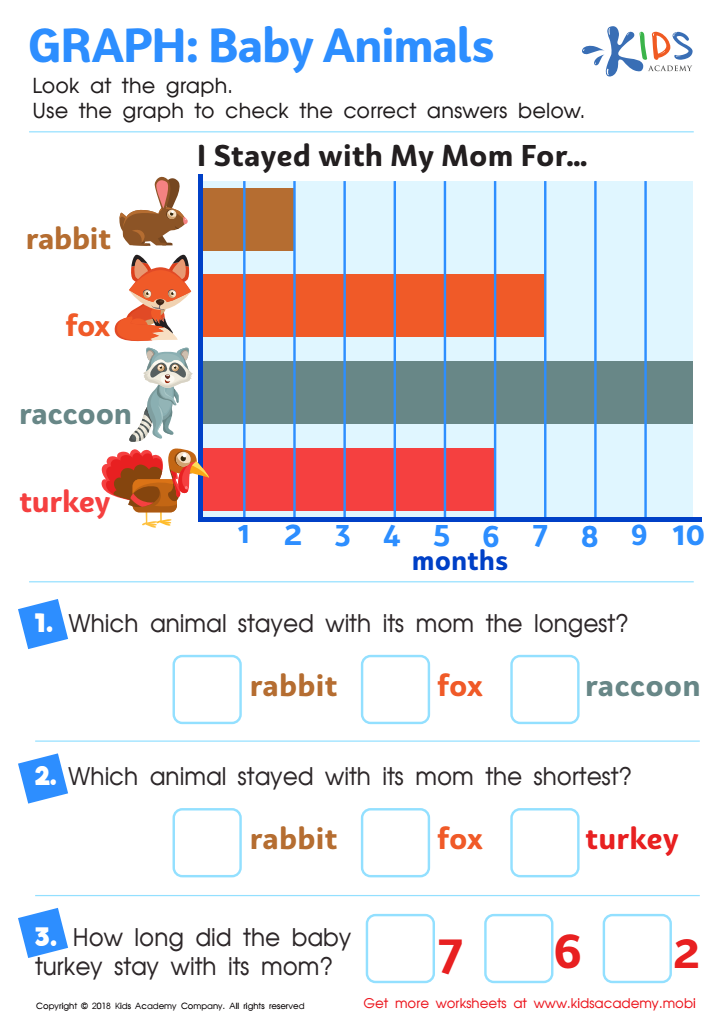
Graph: Baby Animals Worksheet
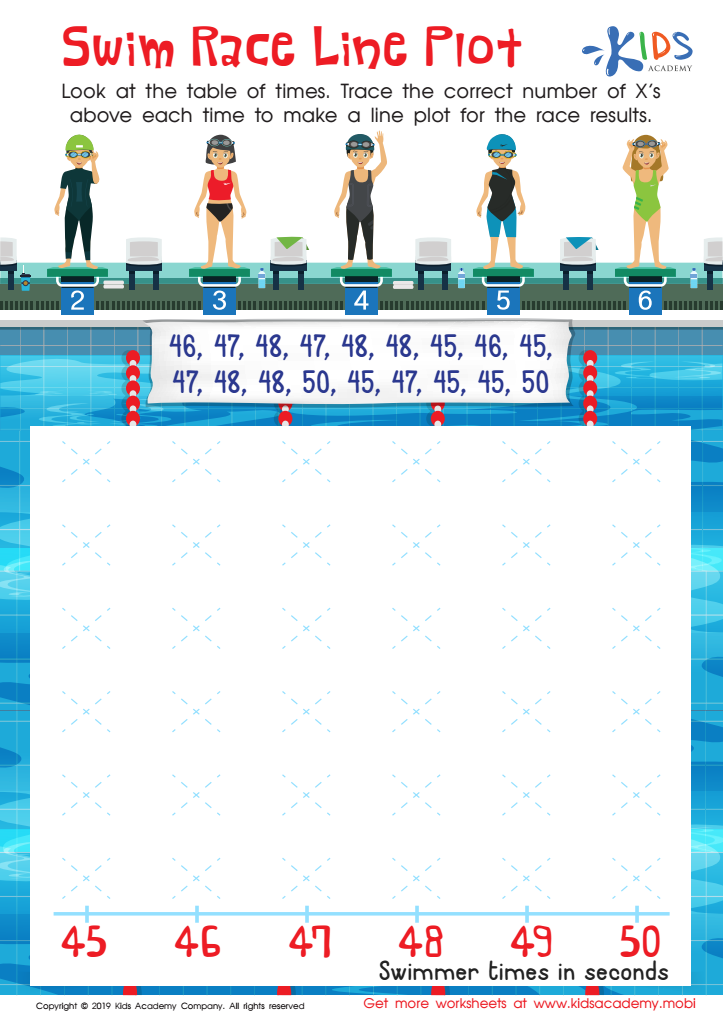
Swim Race Line Plot Worksheet






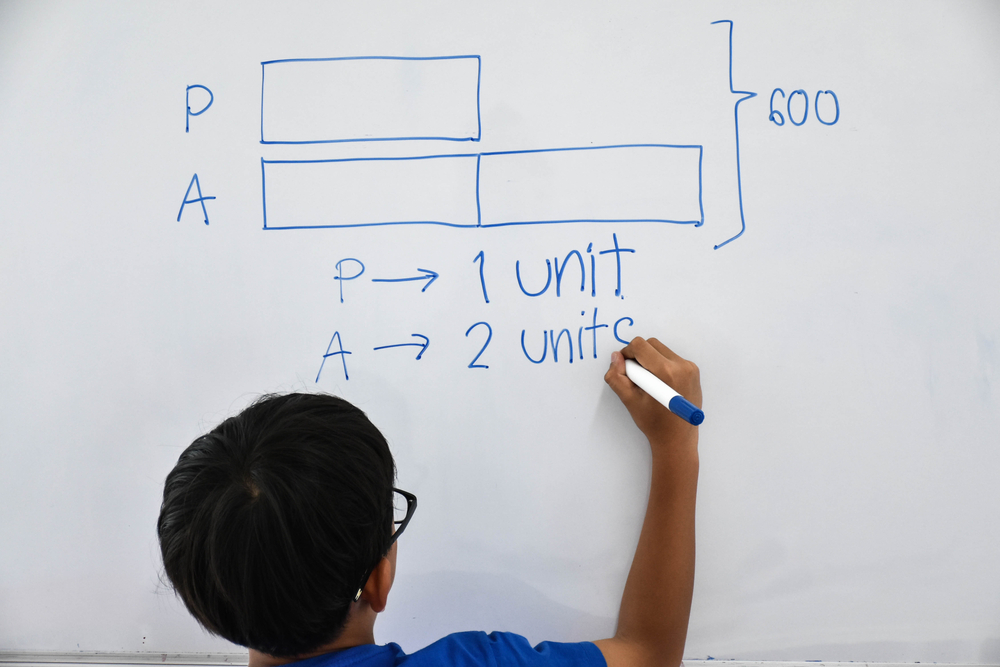

Parents and teachers should care about data analysis graphs for children aged 5-8 because they serve as foundational tools for developing critical thinking and analytical skills. At this age, children are naturally curious, and introducing them to graphs enables them to make sense of information visually. Understanding data representation helps enhance their ability to interpret trends, compare values, and make predictions, which are essential skills in a data-driven world.
Graphs also support interdisciplinary learning. When children graph data collected from surveys or experiments, they apply basic mathematical concepts in a fun and engaging context. This fosters a love for math by demonstrating its relevance in everyday situations. Furthermore, engaging with graphs encourages storytelling, as children learn to describe what they see, enhancing both their verbal and cognitive skills.
Moreover, exposure to data analysis at an early age prepares children for the future, where data literacy will be increasingly important across various careers. With a strong foundation in understanding graphs, children can grow to be informed decision-makers and problem solvers, empowered to navigate and contribute to a world rich in information. Thus, prioritizing graph literacy in educational contexts is crucial for holistic development and lifelong learning.








