Animal identification Math Worksheets for Ages 5-8 - Page 2
33 filtered results
-
From - To
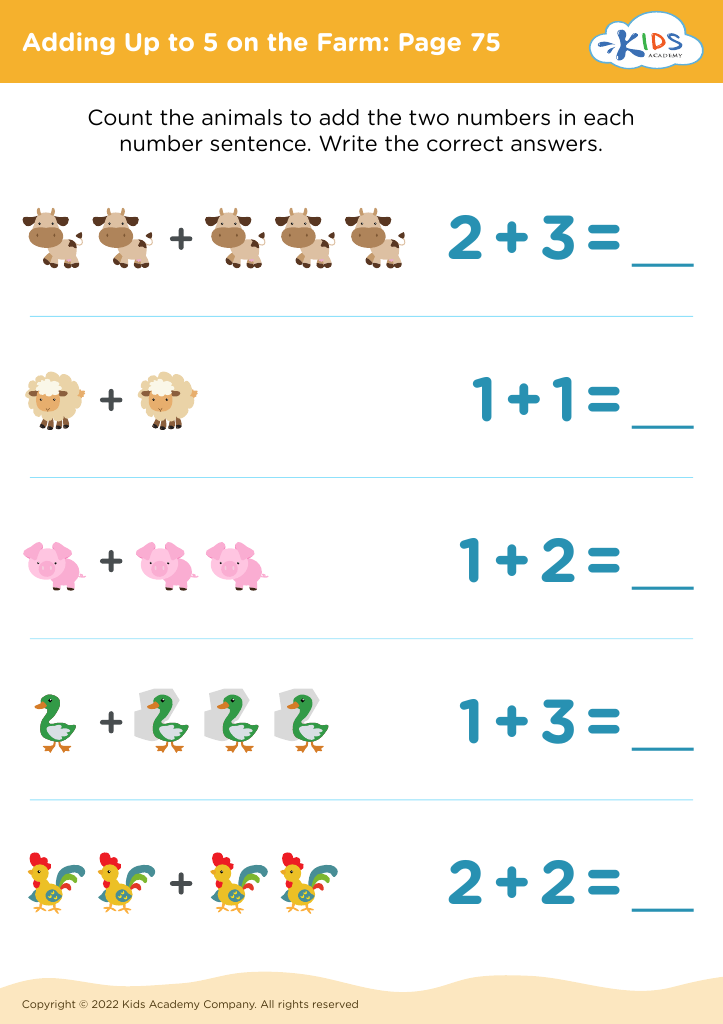
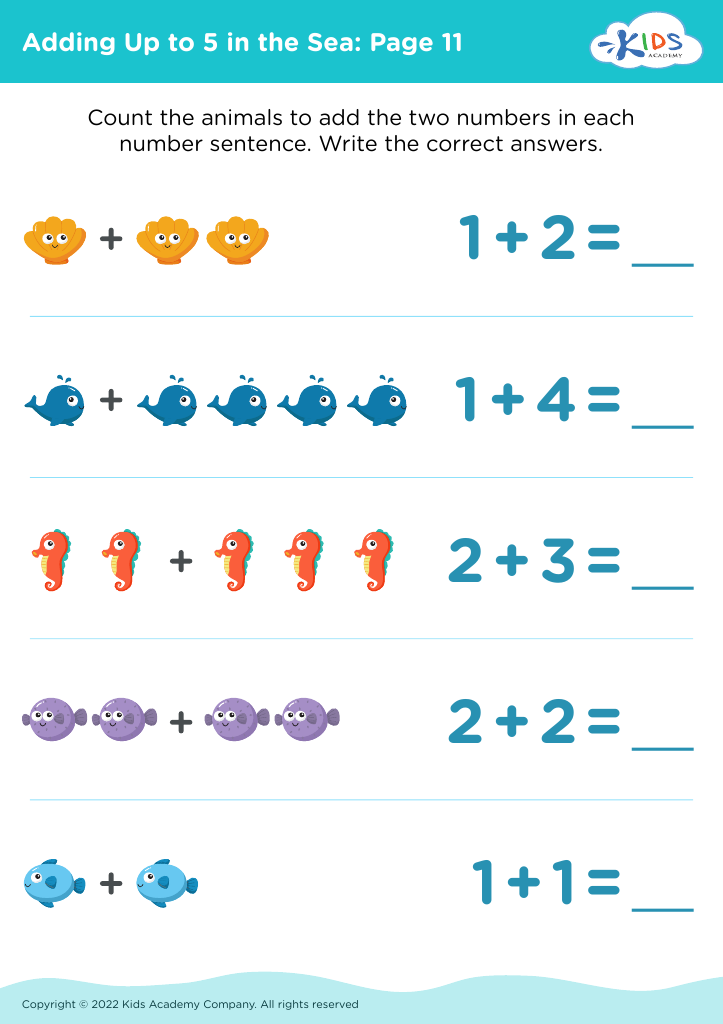
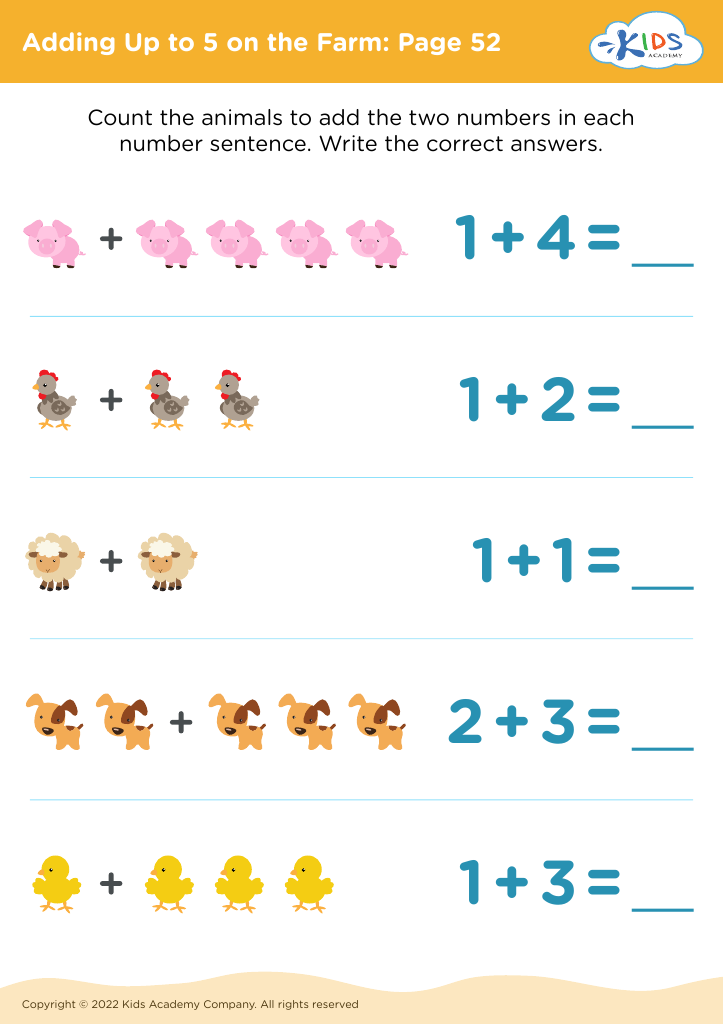
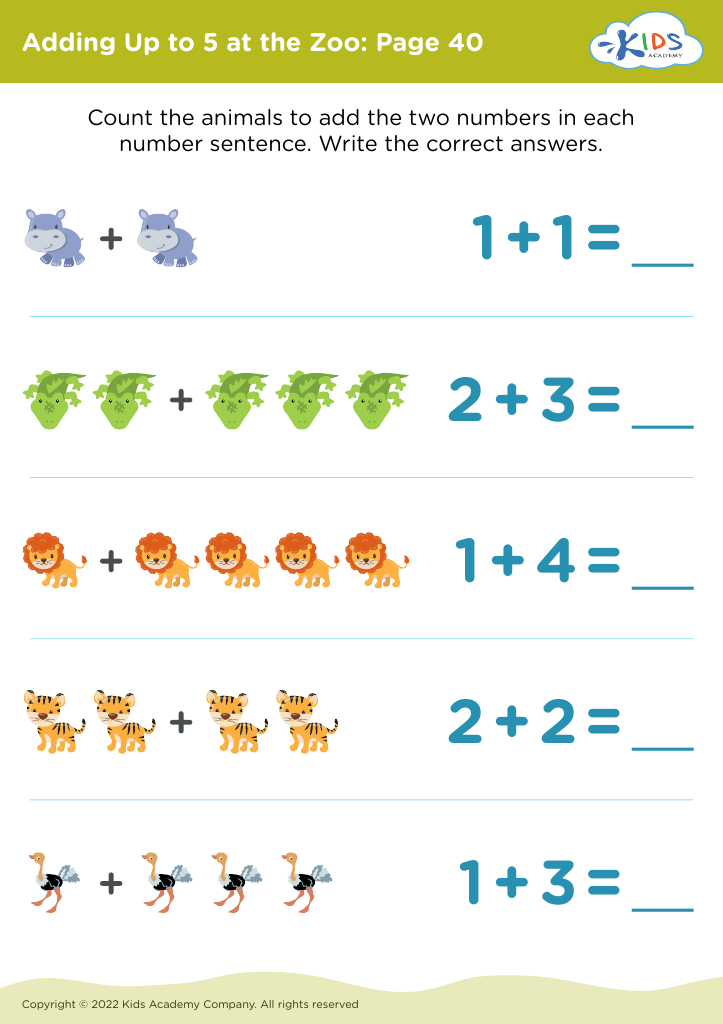
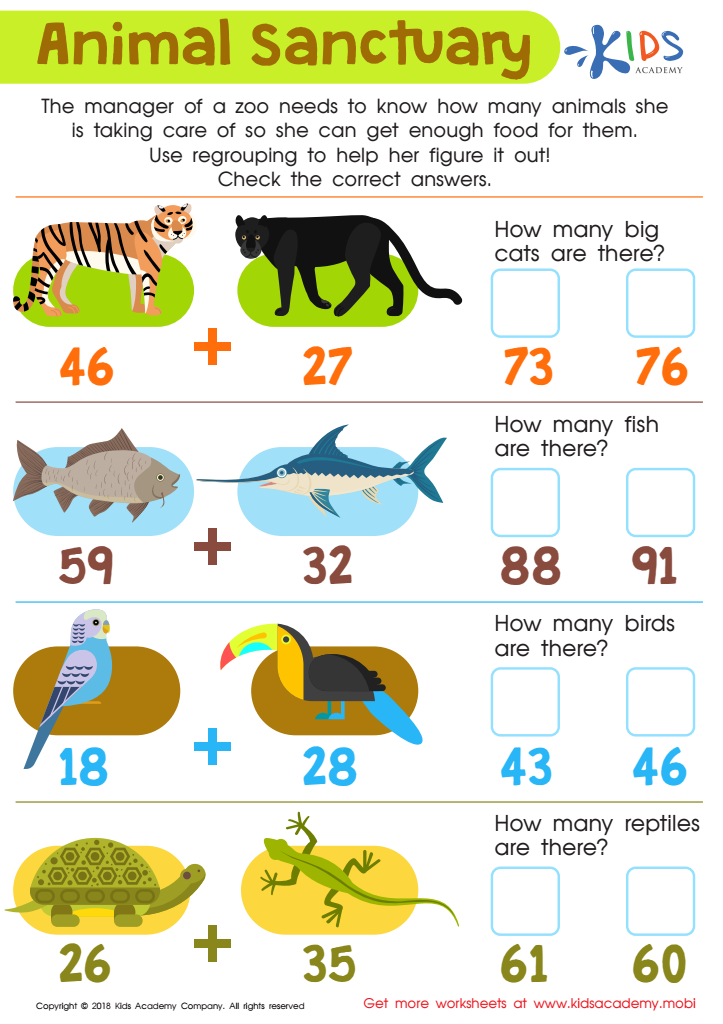
Animal Sanctuary Worksheet
 Assign to My Students


.jpg)




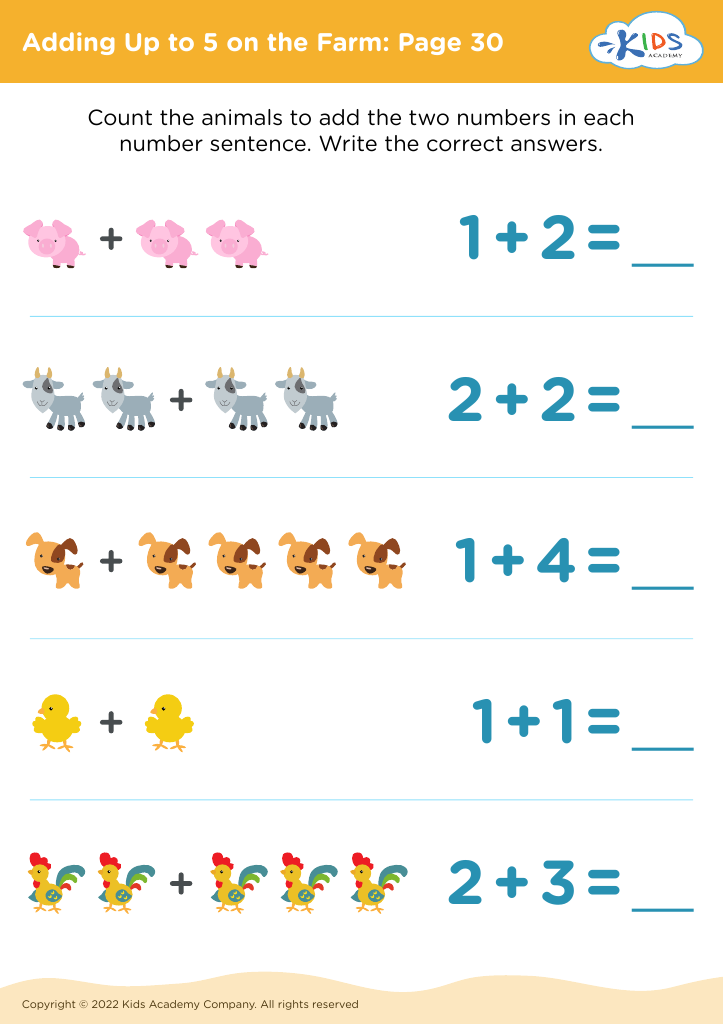
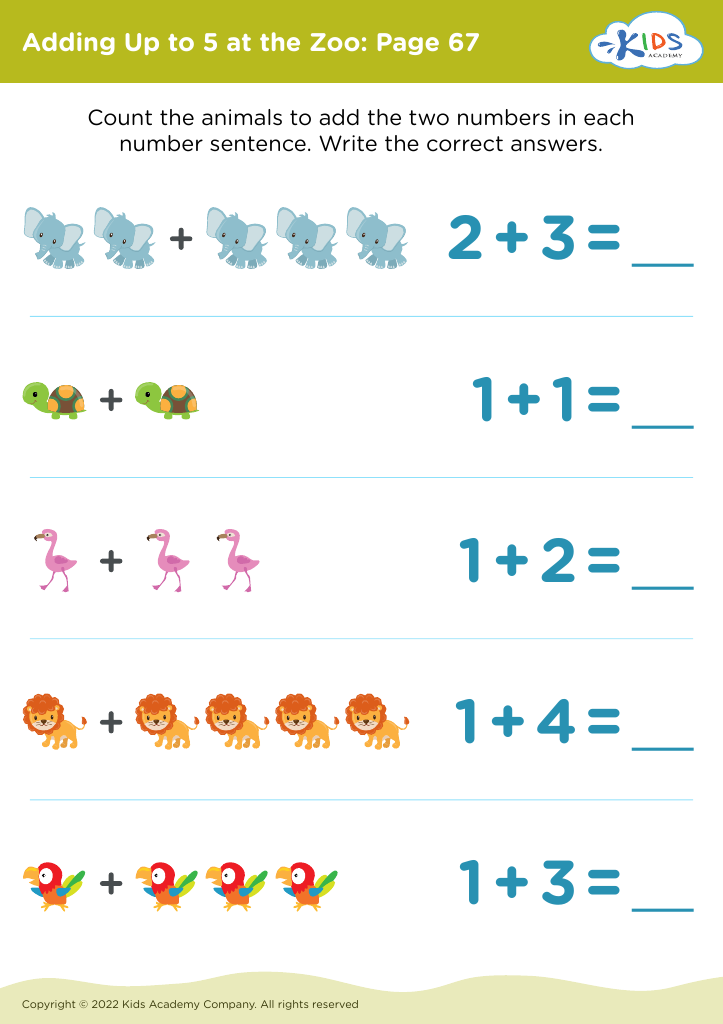
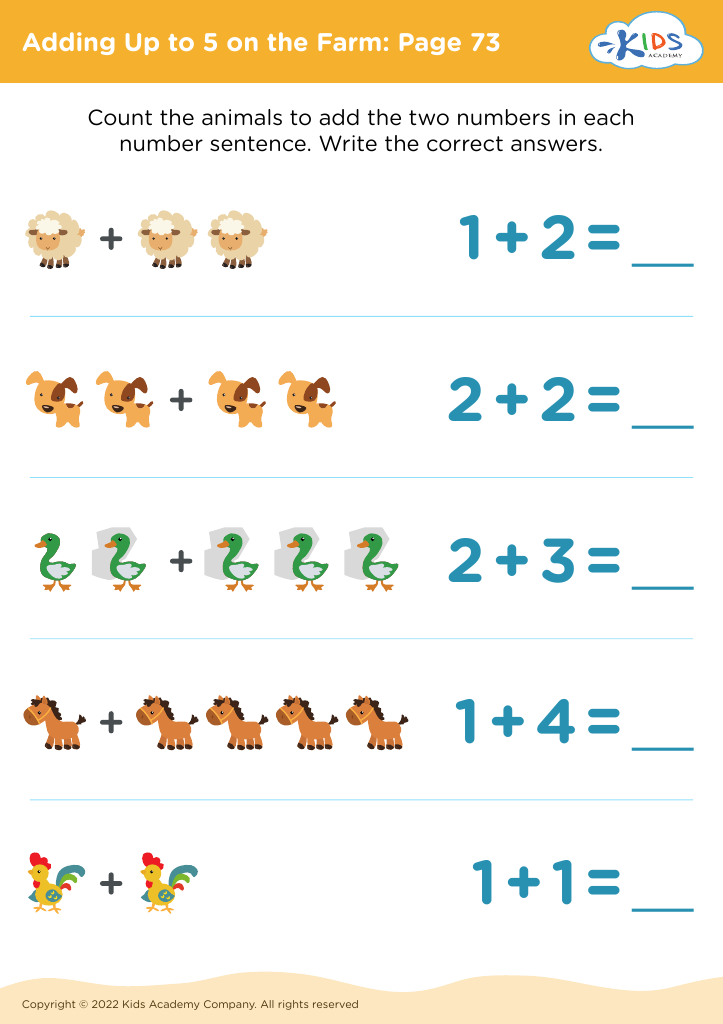
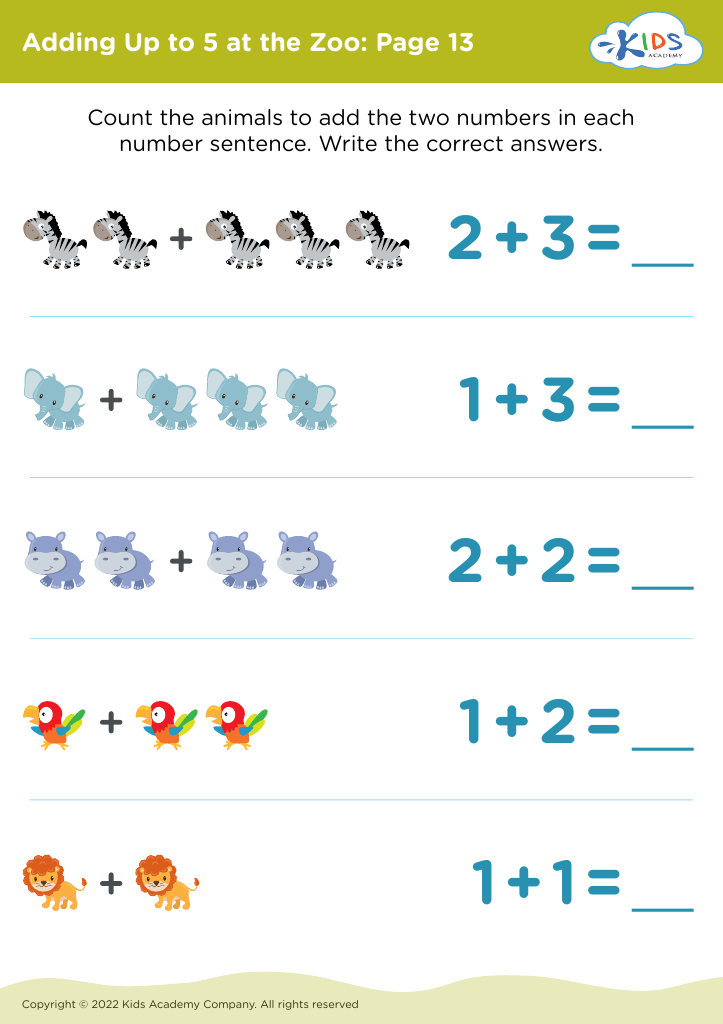
Animal Identification Math is a vital educational tool for children aged 5-8, serving both academic and developmental purposes. Firstly, it introduces fundamental math concepts through engaging themes that capture young learners' attention. By identifying animal characteristics, such as size, shape, and color, students practice essential math skills like sorting, counting, and basic addition or subtraction. This hands-on approach fosters a love for learning while reinforcing core concepts.
Furthermore, understanding animals promotes awareness of biodiversity and encourages environmental stewardship. Teachers and parents can use animal identification to spark discussions about habitats, ecosystems, and conservation, strengthening children's connection to the natural world. Through group activities or interactive games, children develop social skills, teamwork, and communication.
Additionally, integrating math with animal identification helps cater to various learning styles, accommodating visual, auditory, and kinesthetic learners. It ignites creativity through fun projects, enhancing their critical thinking and problem-solving abilities.
Overall, by engaging in Animal Identification Math, parents and educators provide children with a rich foundation in mathematics while promoting curiosity, empathy, and appreciation for our planet, ensuring a holistic development approach essential for their growth and future learning success.








