Basic Math Skills Math Worksheets for Ages 5-8 - Page 8
171 filtered results
-
From - To
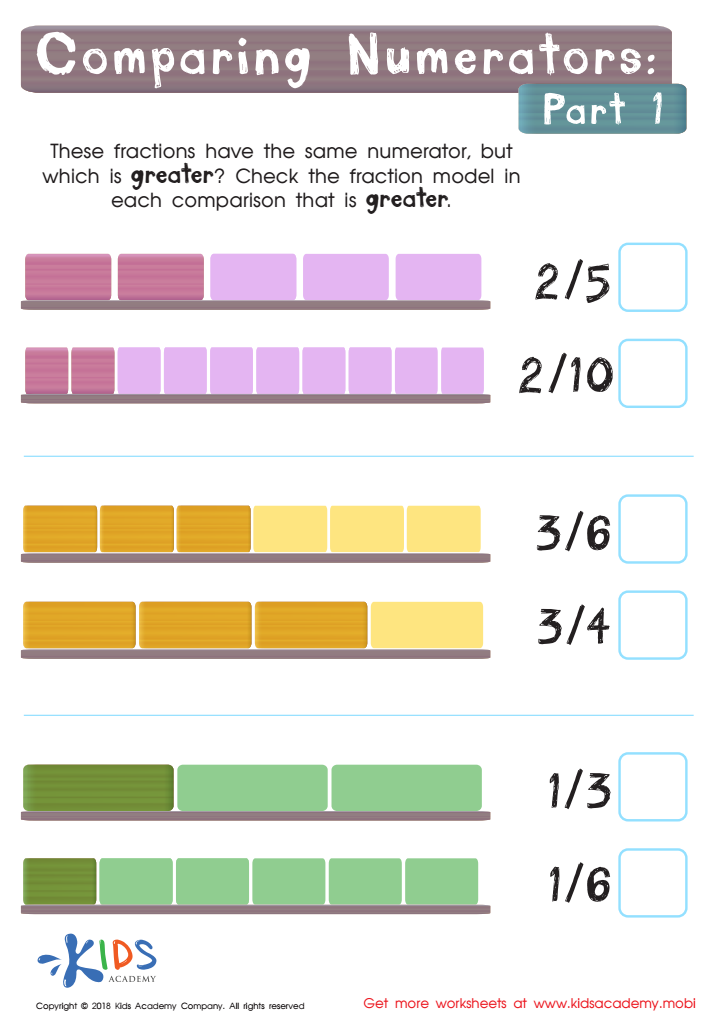
Comparing Numerators Part 1 Worksheet
 Assign to My Students
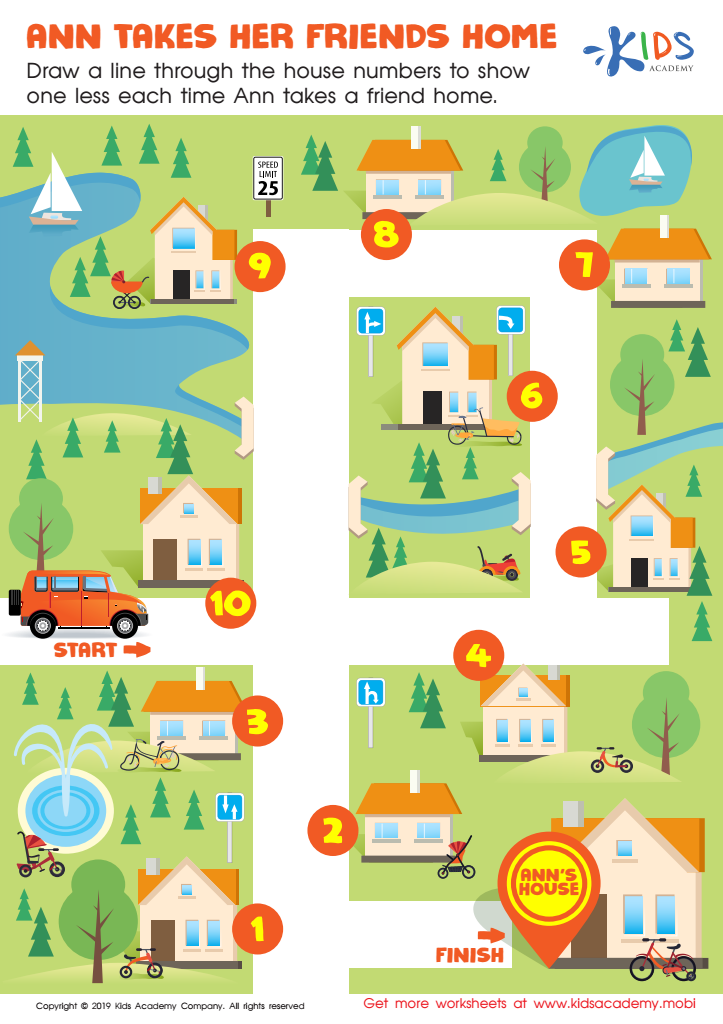
Ann Takes her Friends Home Worksheet
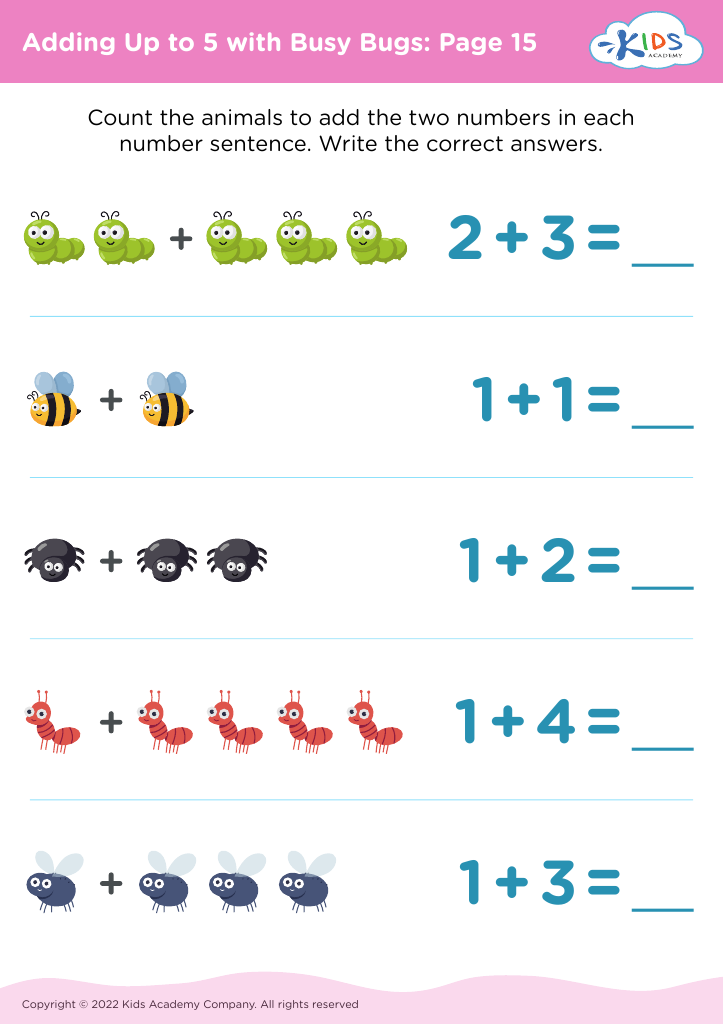







Basic math skills for children ages 5-8 are fundamental for several important reasons. Firstly, they provide a strong foundation for future learning. Early math skills predict later academic success, not only in mathematics but across the curriculum including reading and problem-solving subjects. When parents and teachers actively support learning these skills, they set the stage for a positive and successful educational journey.
Additionally, proficiency in basic math fosters critical thinking and analytical skills. By understanding concepts like numbers, addition, subtraction, and basic geometry, kids learn how to reason logically, and understand patterns and sequences, which are vital skills throughout life. This foundation enhances their ability to tackle more complex problems as they progress in their education.
Moreover, early math skills promote everyday competencies. Whether the task is telling time, counting money, or understanding measurements, basic math is integral to daily functions. When children grasp these concepts at a young age, they gain confidence in their abilities, fostering a sense of independence and practical life skills.
In nurturing these early skills, parents and teachers not only contribute to a child's academic proficiency but also to their overall cognitive development and self-assuredness. Ultimately, investing in basic math during these formative years reaps lifelong benefits, setting a pathway toward a world full of opportunities.








