Comparing Fractions Math Worksheets for Ages 5-8 - Page 5
100 filtered results
-
From - To






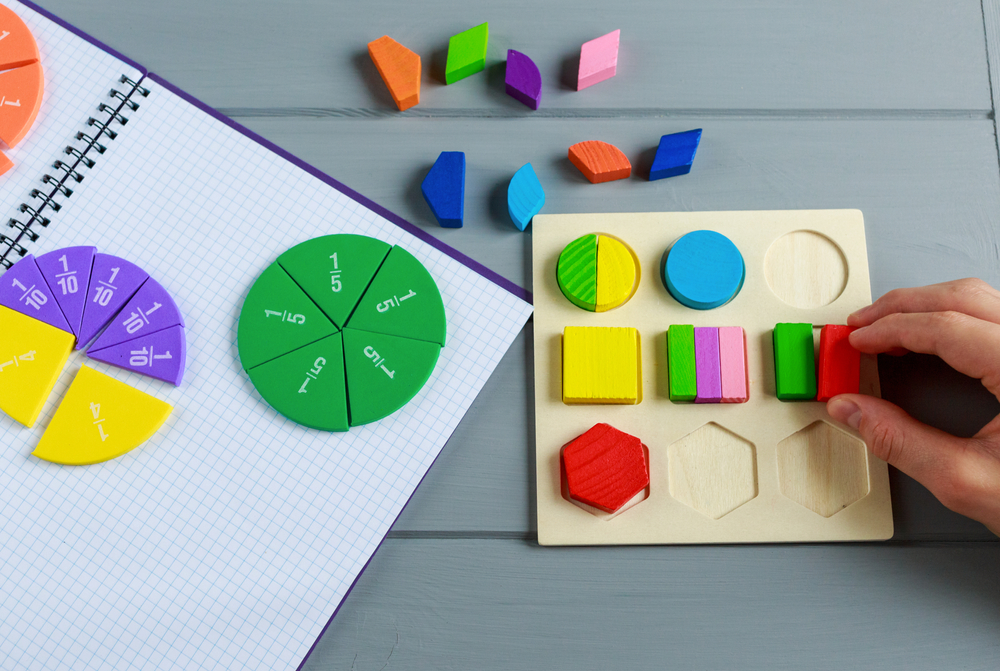

Comparing fractions is a fundamental math skill that forms the foundation for understanding more complex mathematical concepts later in life. For children aged 5-8, grasping the idea of comparing fractions encourages critical thinking, problem-solving, and reasoning abilities. Early exposure to this concept helps students develop a strong arithmetic foundation and enhances their ability to understand ratios, percentages, and proportional reasoning as they progress in their education.
Parents and teachers should care about teaching children how to compare fractions because it cultivates number sense and promotes numerical literacy. This skill challenges students to think about relationships between numbers, fostering their analytical skills. Engaging with fractions in meaningful contexts—such as sharing food or measuring ingredients—can make the learning experience relatable and enjoyable.
Moreover, an early understanding of fractions can boost confidence in math, reducing math anxiety in later years. Students who are confident in their mathematical abilities are more likely to engage fully in learning and persist through complex topics.
In summary, emphasizing the importance of comparing fractions instills essential mathematical skills that empower students for future academic success, while also enhancing their overall cognitive development.








