Critical Thinking Math Worksheets for Ages 5-8 - Page 3
52 filtered results
-
From - To
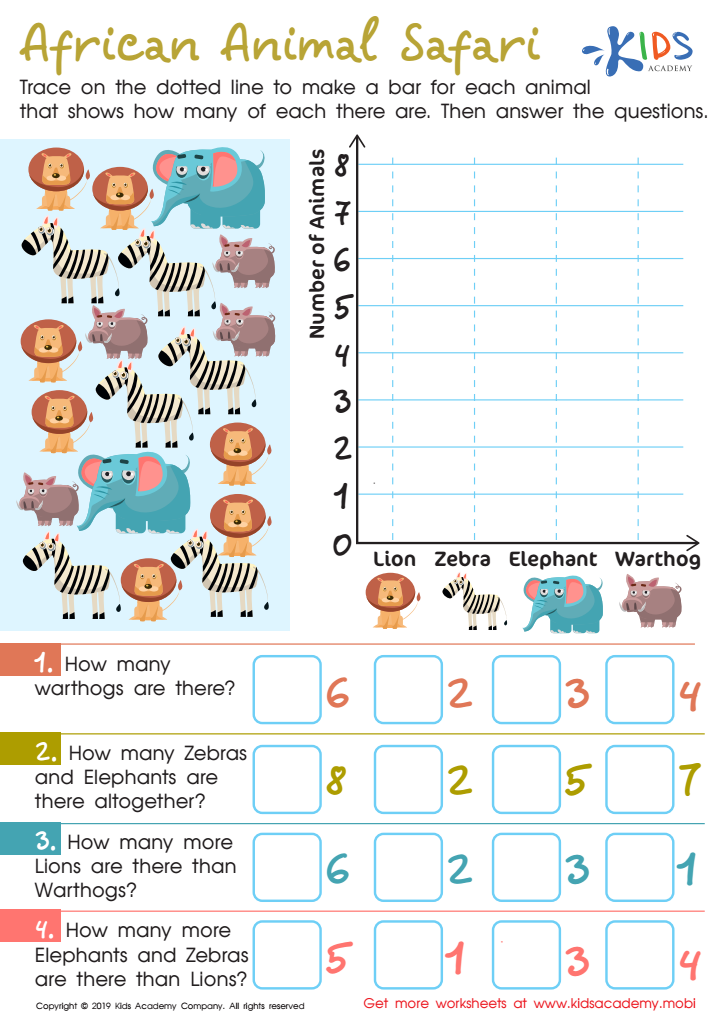
African Animal Safari Worksheet
 Assign to My Students
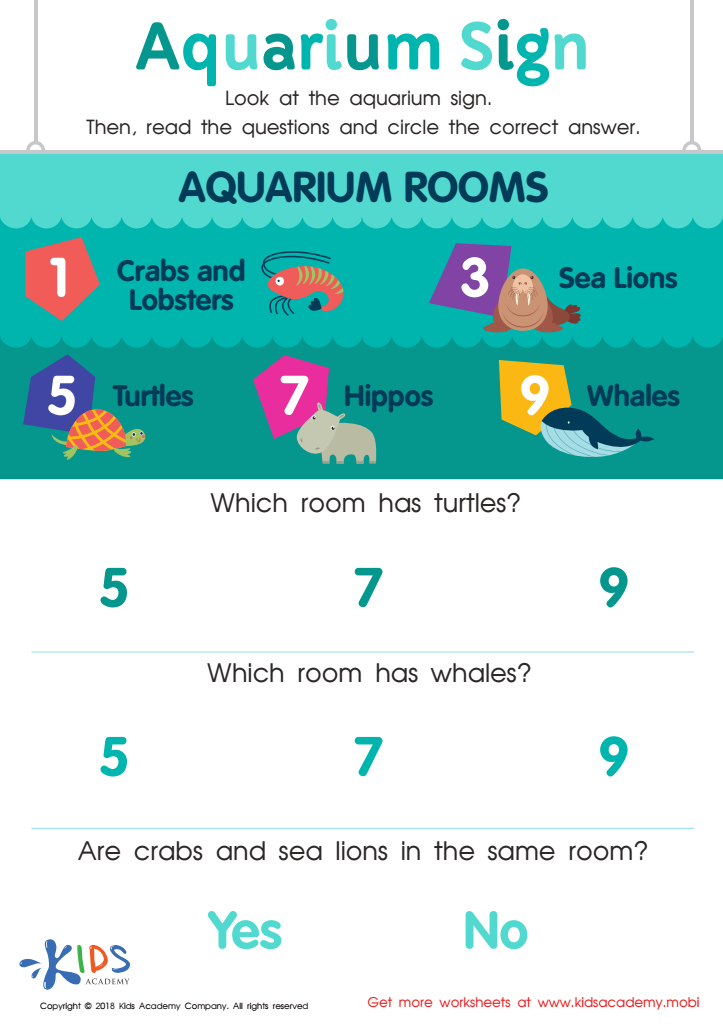
Assessment: Aquarium Sign Worksheet
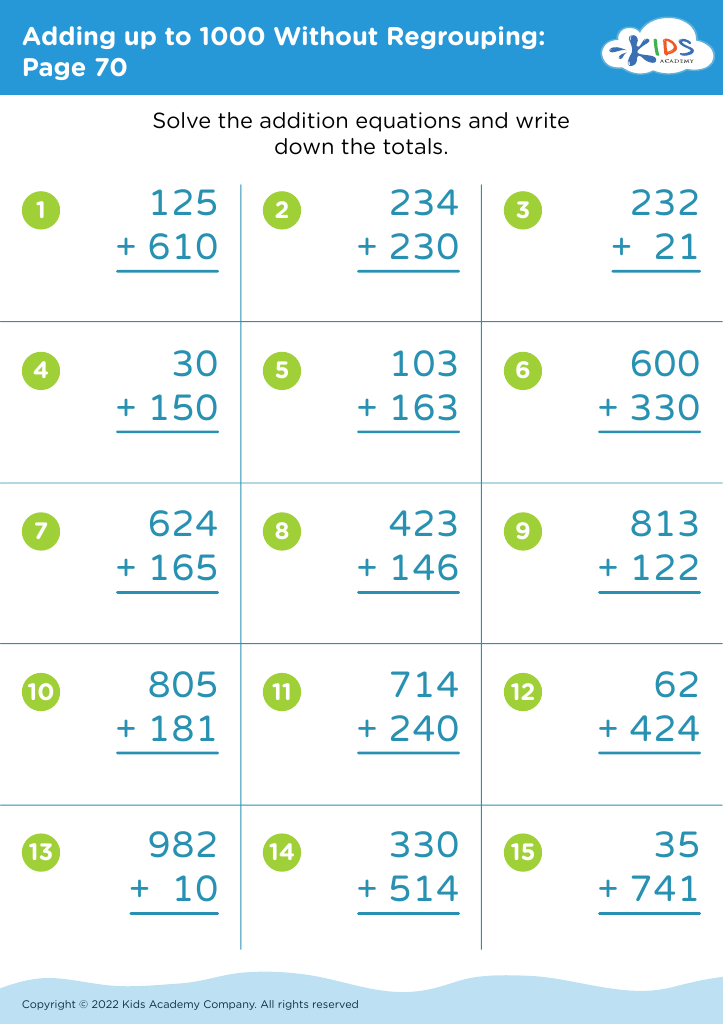

World Traveler Worksheet



.jpg)




Critical Thinking Math for ages 5-8 is essential because it lays the foundation for future academic success and lifelong problem-solving skills. At this age, children are naturally curious and eager to explore the world around them. Engaging them in critical thinking helps enhance their analytical abilities, enabling them to approach problems logically and creatively. It fosters their ability to ask questions, identify patterns, and develop hypotheses, skills that are crucial not only in mathematics but across all subjects.
Moreover, mathematics is often perceived as a rigid subject; however, incorporating critical thinking allows for exploration and fluidity in learning. It encourages students to find multiple solutions to a problem, making math more enjoyable and relevant to their everyday lives. Teachers and parents should prioritize activities that promote critical thinking, such as puzzles, games, and open-ended questions, to create a dynamic learning environment.
By investing time in nurturing critical thinking skills early on, teachers and parents prepare children to tackle complex challenges in later education and real-world scenarios. This approach not only improves academic performance but also helps cultivate confident, independent learners who are equipped to navigate a rapidly changing world.








