Developing fine motor skills Math Worksheets for Ages 5-8
5 filtered results
-
From - To
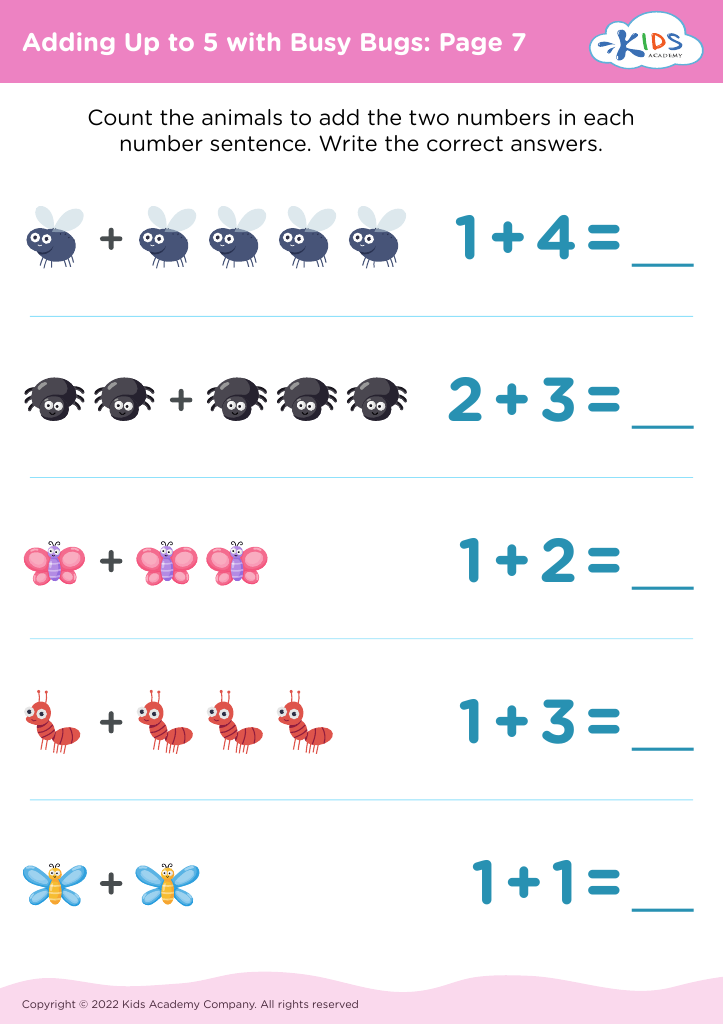
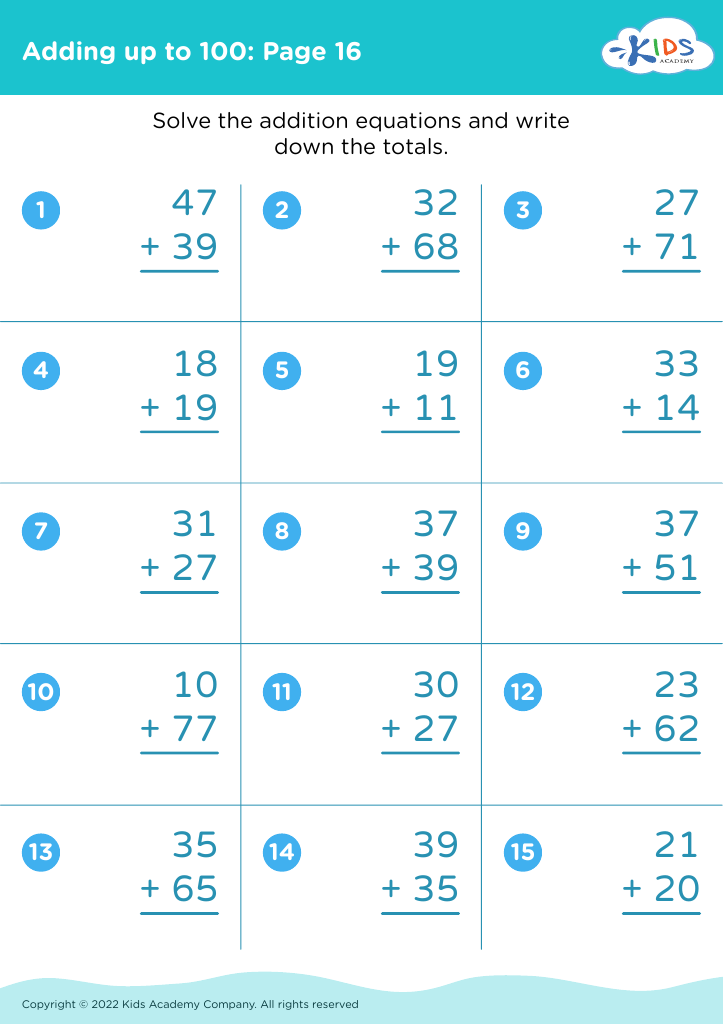
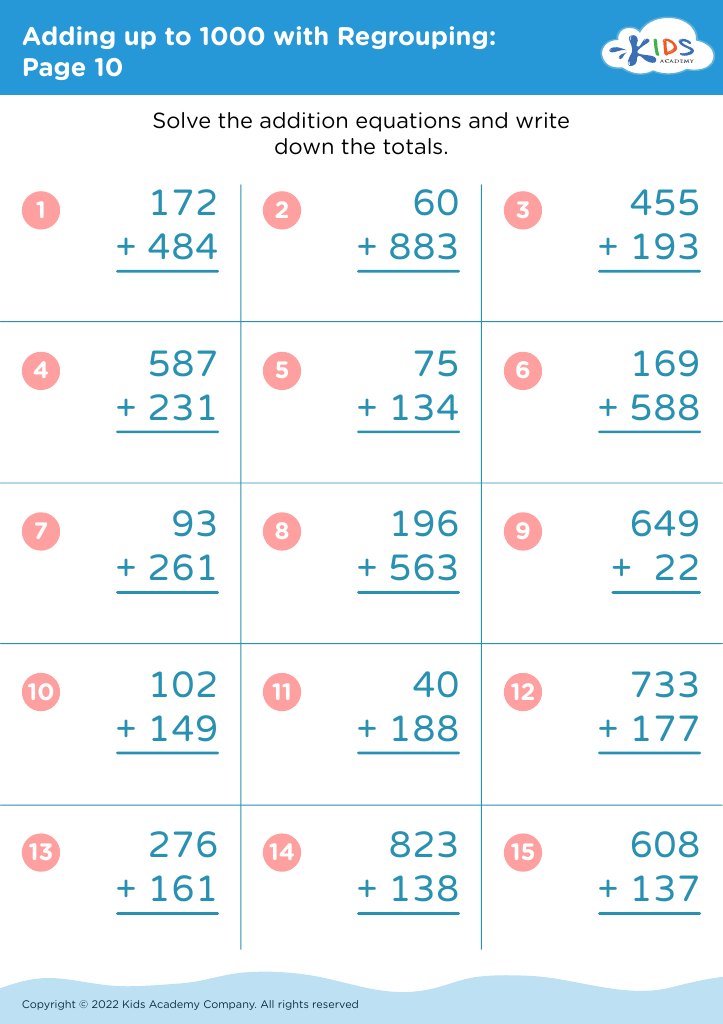
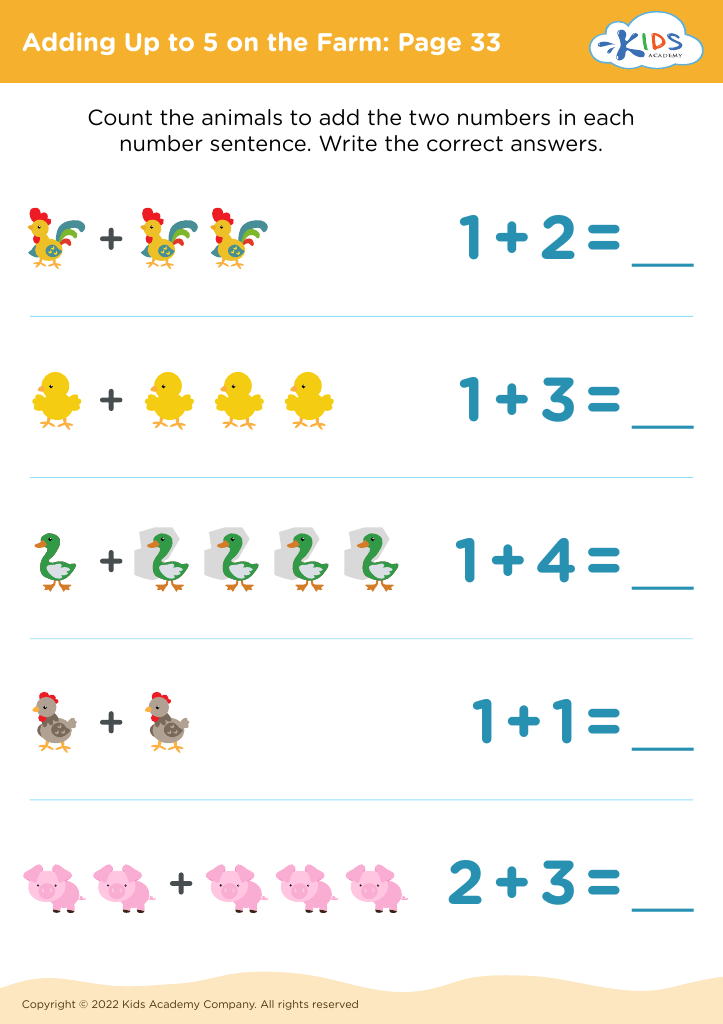
Enhance your child's learning journey with our "Developing Fine Motor Skills Math Worksheets" designed for ages 5-8. These engaging worksheets not only introduce essential math concepts but also foster critical fine motor skills through interactive activities. Children will enjoy tracing numbers, connecting dots, and practicing shapes, all while strengthening their hand-eye coordination and dexterity. Each worksheet is thoughtfully crafted to make learning enjoyable and effective, laying a strong foundation for future academic success. Perfect for home or classroom use, our resources are an invaluable tool for young learners to build confidence in their math abilities while refining their fine motor skills!
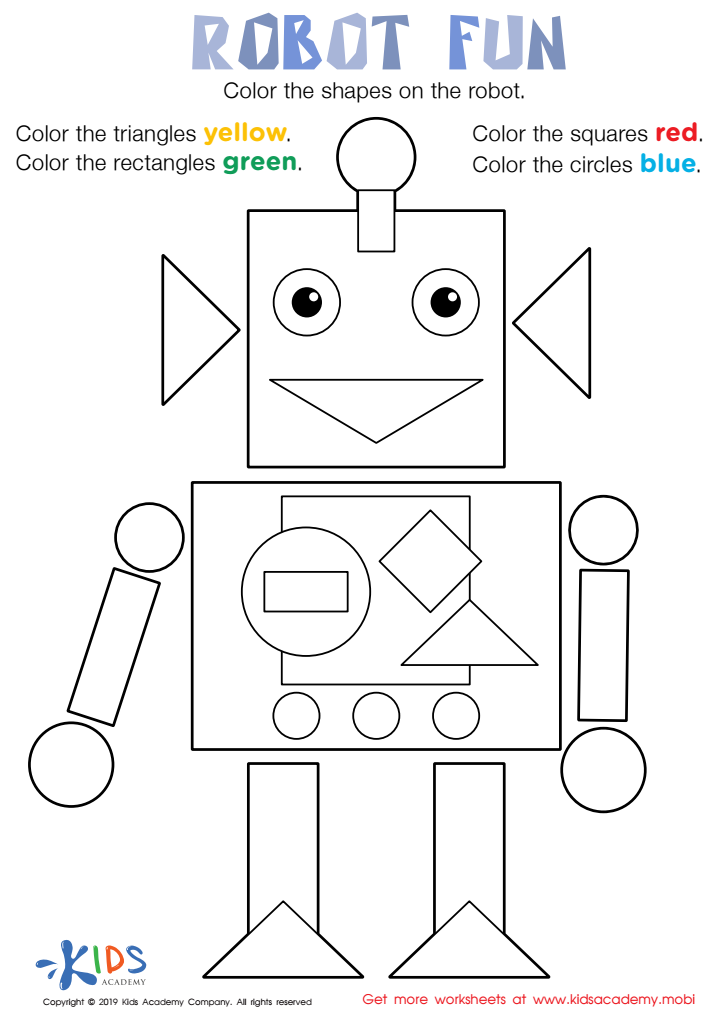
Robot Fun Worksheet
 Assign to My Students





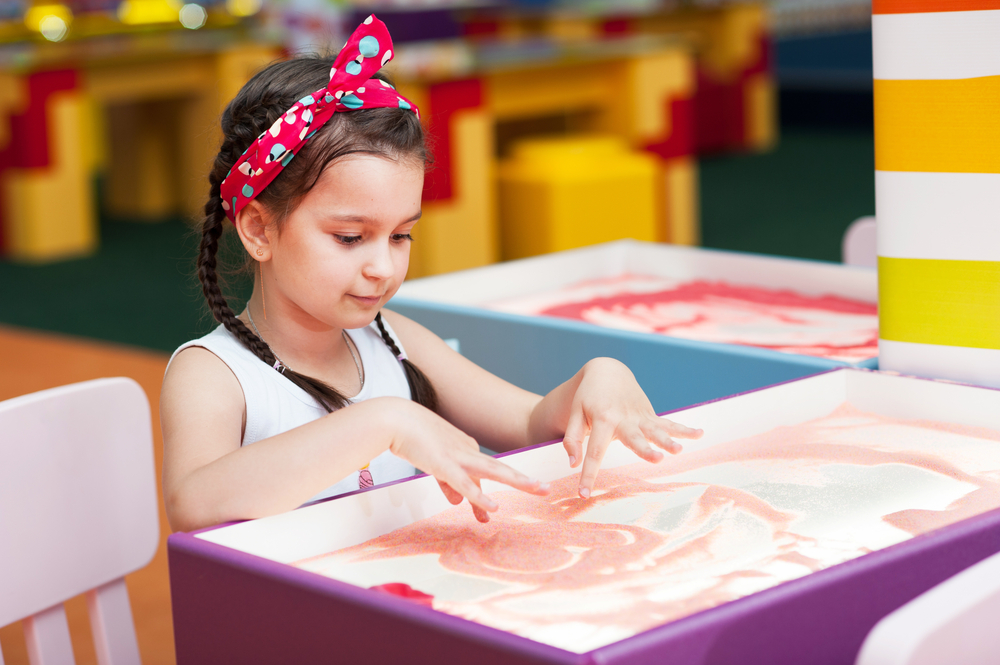

Developing fine motor skills is crucial for children aged 5-8, as they play a significant role in various aspects of learning, including math. Fine motor skills encompass the small movements of the hands and fingers, essential for tasks like writing, counting, and using tools. As children engage in math-related activities, they often manipulate objects such as counting blocks, geometric shapes, and drawing numbers or graphs. Strengthening their fine motor skills directly impacts their ability to succeed in these tasks.
Moreover, fine motor development fosters hand-eye coordination and concentration, which are critical for spatial awareness—an important concept in math. When children can manipulate physical objects, they gain a better understanding of mathematical concepts such as addition, subtraction, and spatial relationships.
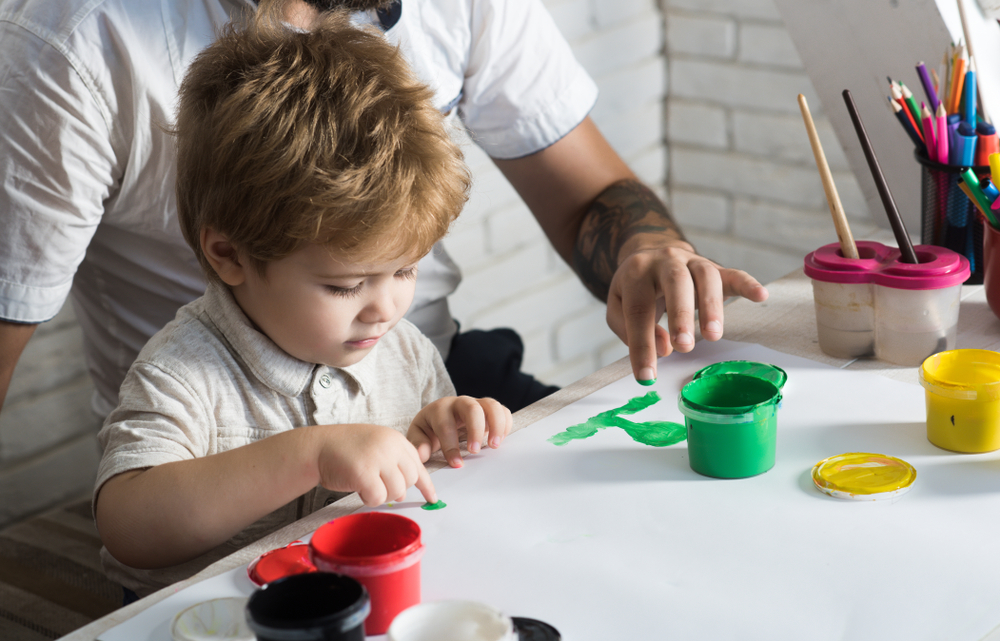
Furthermore, enhancing fine motor skills helps build a child's confidence and independence. Mastery of small motor tasks enables children to participate more actively in classroom activities, encouraging a positive attitude towards learning. Parents and teachers play a crucial role in creating supportive environments filled with engaging activities like finger painting, cutting, and building, which not only develop fine motor skills but also make math enjoyable. Supporting this development early on helps set the foundation for academic success in math and beyond.








