Developing observational skills Math Worksheets for Ages 5-8
4 filtered results
-
From - To
Explore our "Developing Observational Skills Math Worksheets" for children ages 5-8, designed to make learning math both fun and engaging. These worksheets help young learners enhance their observation skills through exciting, colorful activities that challenge them to identify patterns, compare objects, and spot differences in sets. Perfectly crafted to aid cognitive development, each worksheet encourages critical thinking, attention to detail, and a love for learning math. Suitable for parents and teachers looking to integrate enjoyable and educational resources into their child's daily routine. Start your child's journey to becoming a keen observer and a confident mathematician today!
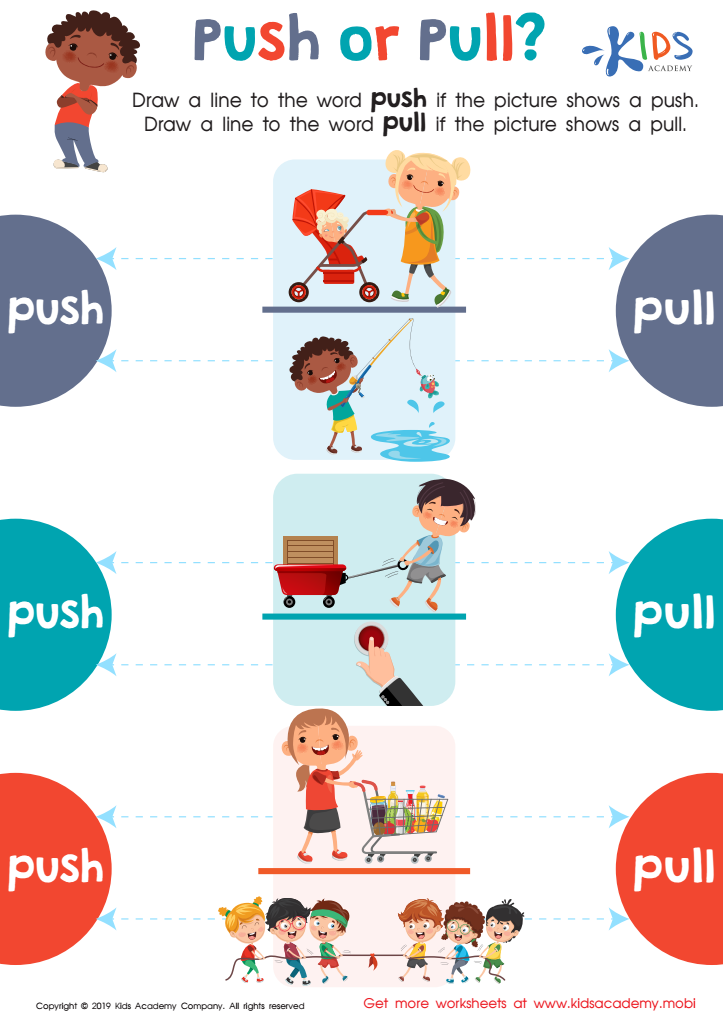
Push or Pull? Worksheet
 Assign to My Students
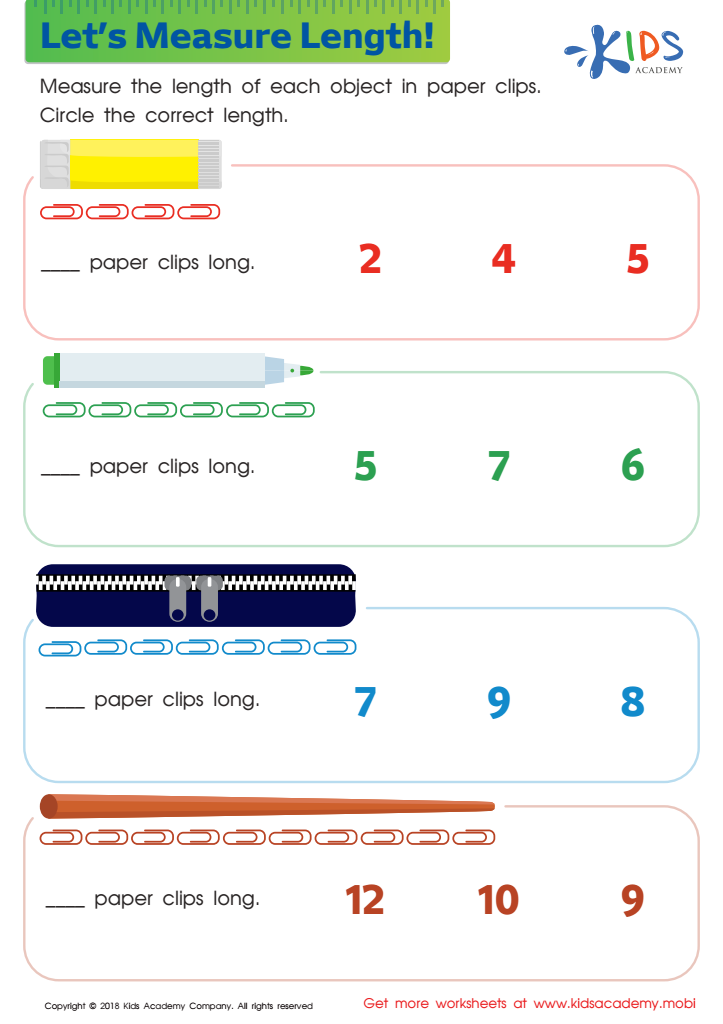
Lets Measure Length Worksheet
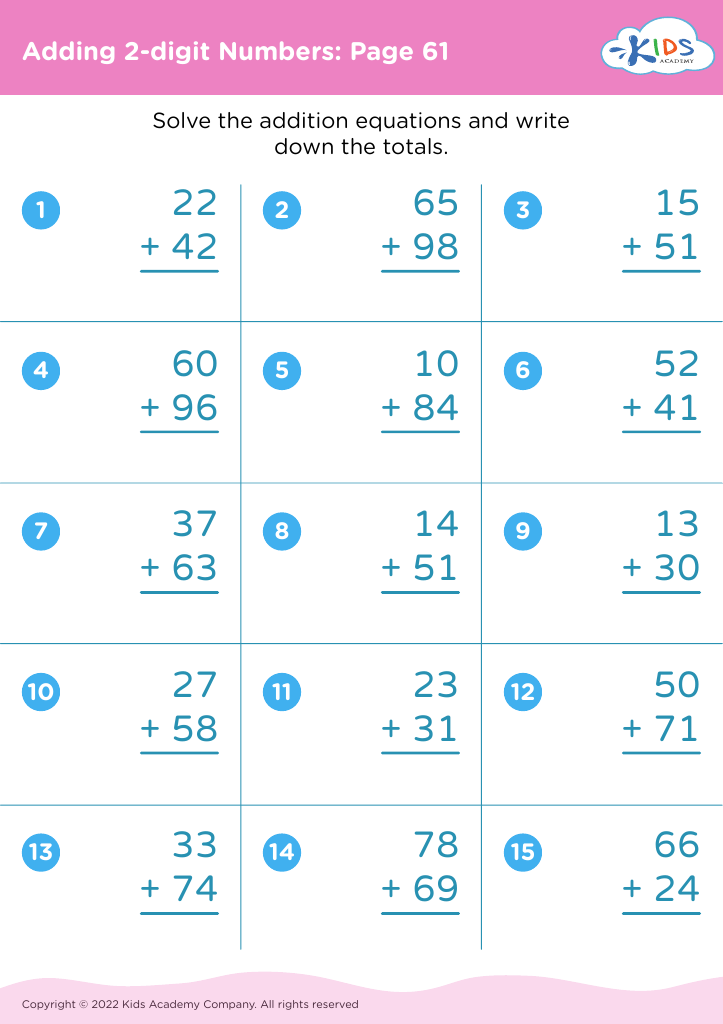
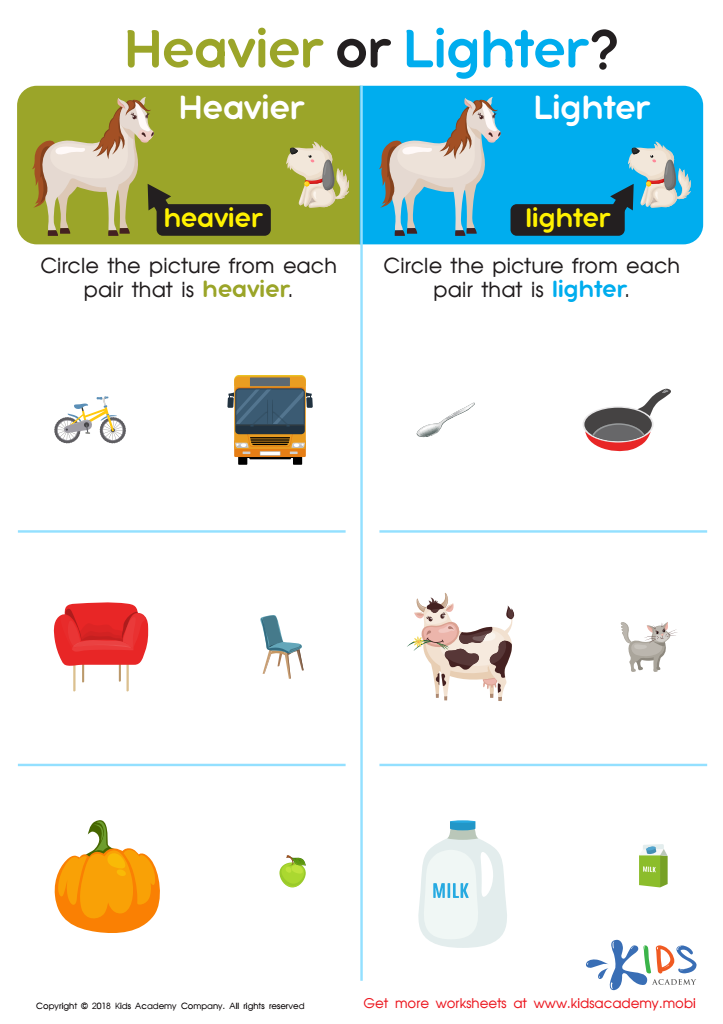
Heavier or Lighter? Worksheet








Developing observational skills in math for children ages 5-8 is crucial because it lays a strong foundation for their future academic success and everyday problem-solving abilities. This early age is a critical period for brain development, and fostering sharp observational skills can significantly enhance how children understand and interact with the world around them.
First, observational skills help young children recognize patterns, shapes, and numbers in their environment, which are fundamental concepts in math. Being able to observe leads to better comprehension of mathematical relationships and structures, thus easing their transition into more complex mathematical thinking.
Secondly, enhancing observational skills boosts critical thinking and analytical abilities. When children observe, they learn to notice details, compare and contrast objects or situations, and make predictions based on what they see. This cognitive skill is not just beneficial for math but across all areas of learning and problem-solving in day-to-day life.
Moreover, observational skills foster curiosity and a love for learning. When children see math at play in the real world, it becomes more relevant and interesting. This relevancy can encourage children to actively engage in learning activities, making educational experiences more joyful and less intimidating.
Overall, parents and teachers should prioritize developing these skills to ensure a well-rounded, enriching developmental path for children, paving the way for their future success in math and beyond.








