Differentiating shapes Math Worksheets for Ages 5-8
4 filtered results
-
From - To
Discover our "Differentiating Shapes Math Worksheets for Ages 5-8" at Kids Academy, designed to make shape recognition fun and easy for young learners. These engaging worksheets help children identify, compare, and contrast various shapes, enhancing their spatial awareness and geometry skills. Each activity is crafted to align with educational standards, ensuring essential skills are mastered through playful learning. Ideal for classroom use or at-home practice, these worksheets will boost your child’s confidence and knowledge in math. Visit Kids Academy to empower your young learner with the tools they need to excel in geometry!
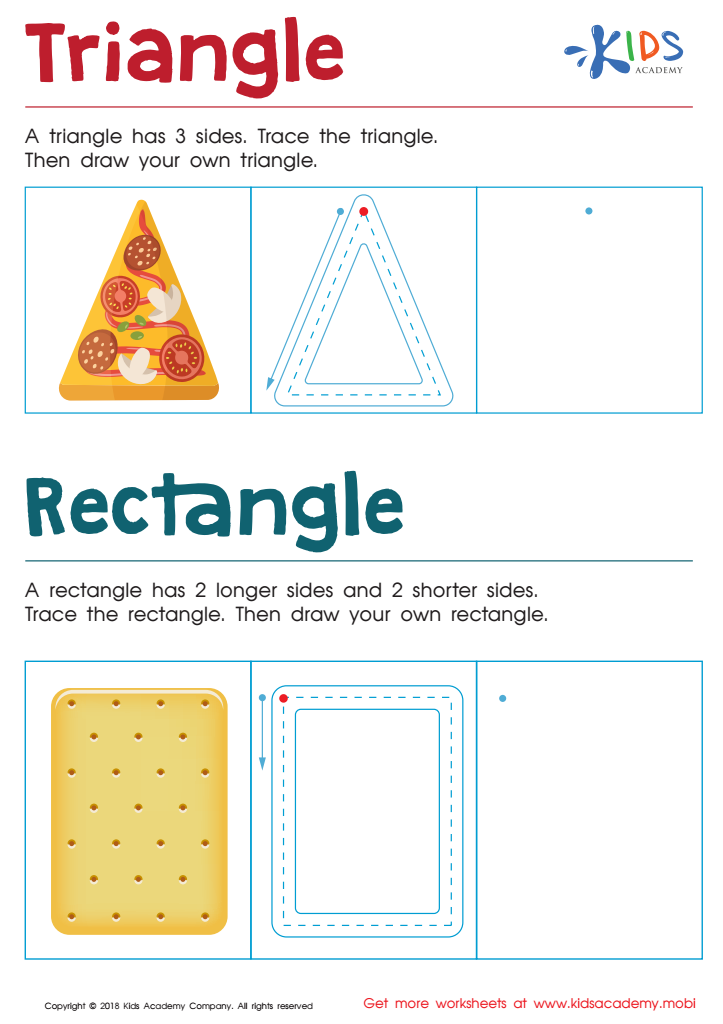
Triangle Rectangle Worksheet
 Assign to My Students
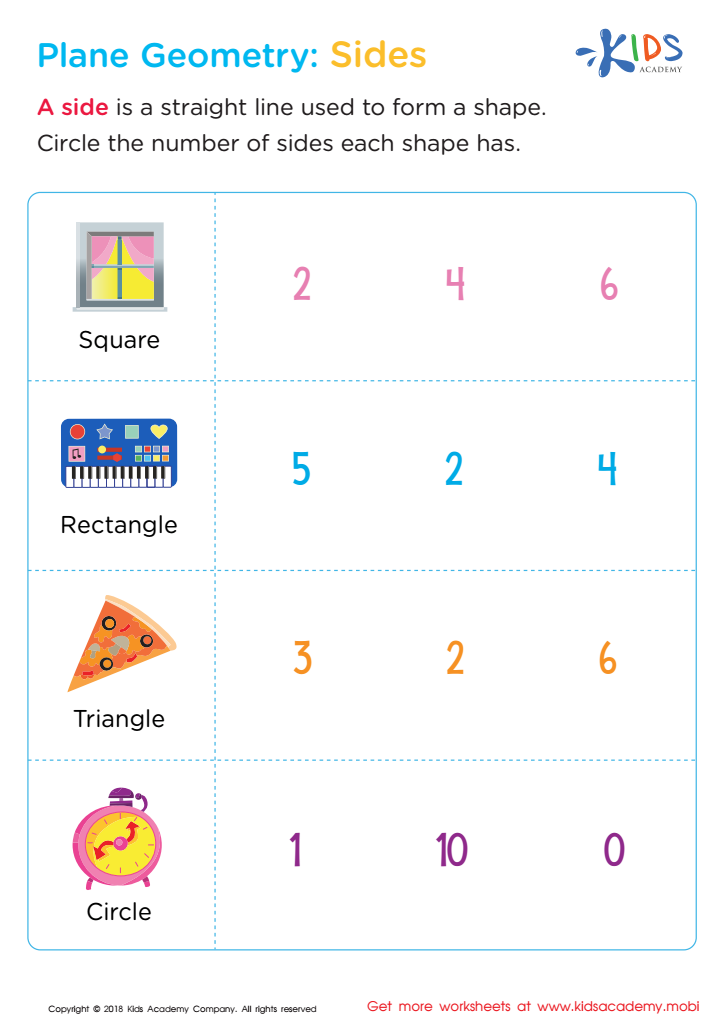
Plane Geometry: Sides Worksheet
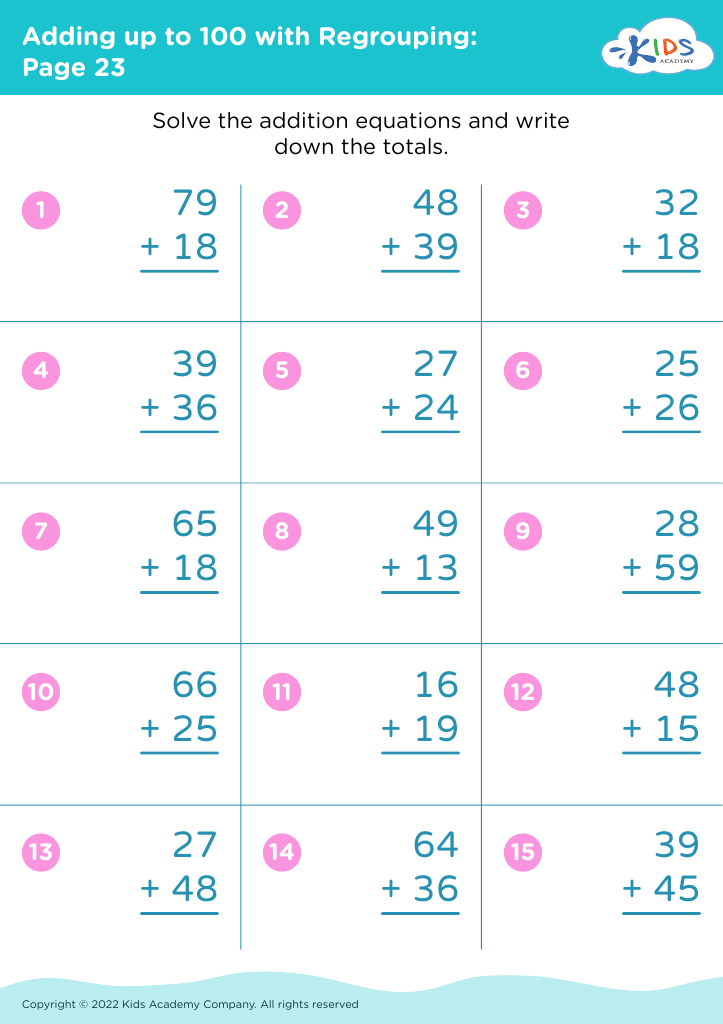
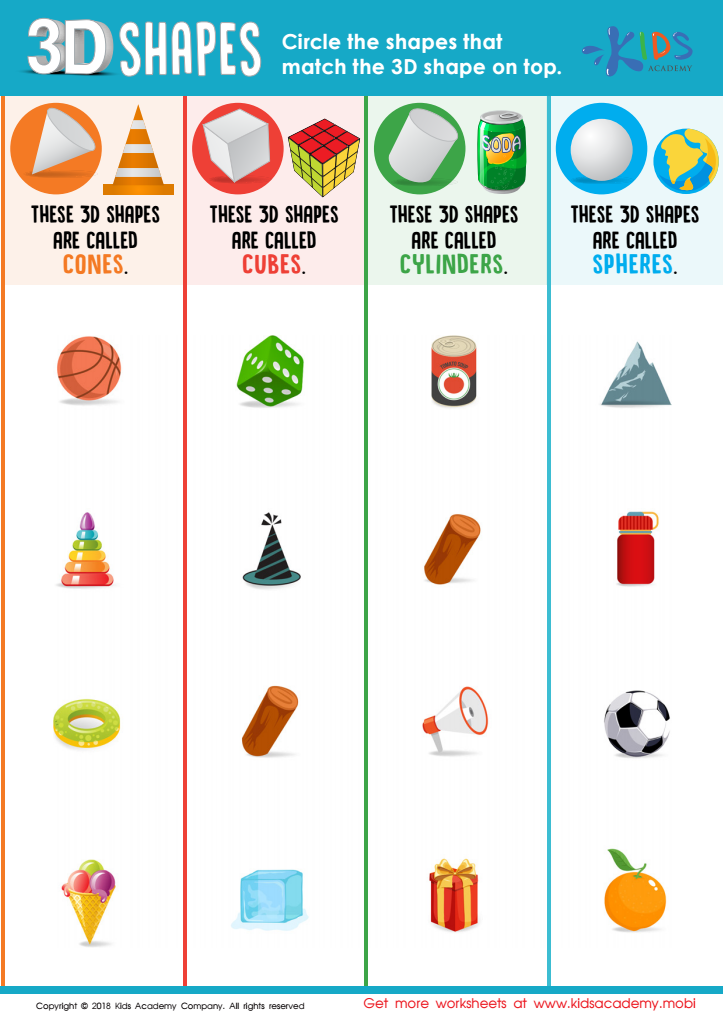
3D Shapes Worksheet



.jpg)



Parents and teachers should care about teaching children aged 5-8 to differentiate shapes because it forms a foundational element of their cognitive and academic development. Recognizing and categorizing different shapes enhances visual-spatial abilities, which are crucial for understanding more complex mathematical concepts, including geometry and algebra, later in life. This skill also aids in the development of critical thinking and problem-solving capacities as children learn to observe, compare, and categorize attributes of shapes.
Furthermore, differentiating shapes has practical real-world applications. It helps children make sense of their spatial environment, contributing to better navigation and understanding of the physical world. For example, distinguishing between a circle and a square is not just an abstract skill; it helps children comprehend everyday objects and instructions, like identifying traffic signs or understanding the layout of a room.
Socially and emotionally, grasping basic geometric concepts boosts confidence and encourages a love for learning at an early age. Interactive and hands-on shape recognition activities foster engagement and make the learning process enjoyable, promoting sustained interest in education. Lastly, differentiated learning, tailoring activities to each child’s developmental stage, ensures that all students can achieve success, building a more inclusive and supportive learning environment.








