Fine motor skills (drawing lines) Math Worksheets for Ages 5-8
7 filtered results
-
From - To
Enhance your child’s pencil control and mathematical understanding with our Fine Motor Skills (Drawing Lines) Math Worksheets for Ages 5-8. Designed to bolster foundational skills, these engaging activities guide young learners in drawing lines, aiding in the development of precision and hand-eye coordination. While mastering line drawing, children will also be introduced to basic math concepts, making learning fun and effective. Our expertly crafted worksheets support both educators and parents in providing printables that blend essential motor skills with early math education, ensuring a comprehensive learning experience. Spark curiosity and boost confidence in your budding mathematician today!

Count and Match Vegetables 1 – 7 Math Worksheet
 Assign to My Students
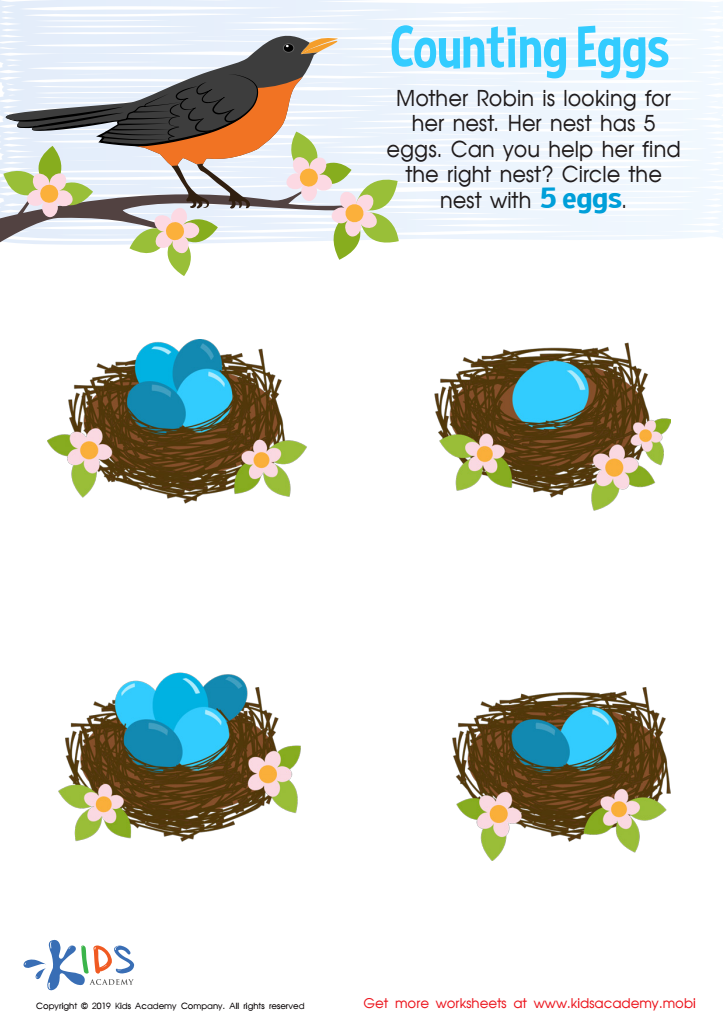
Counting Eggs Worksheet
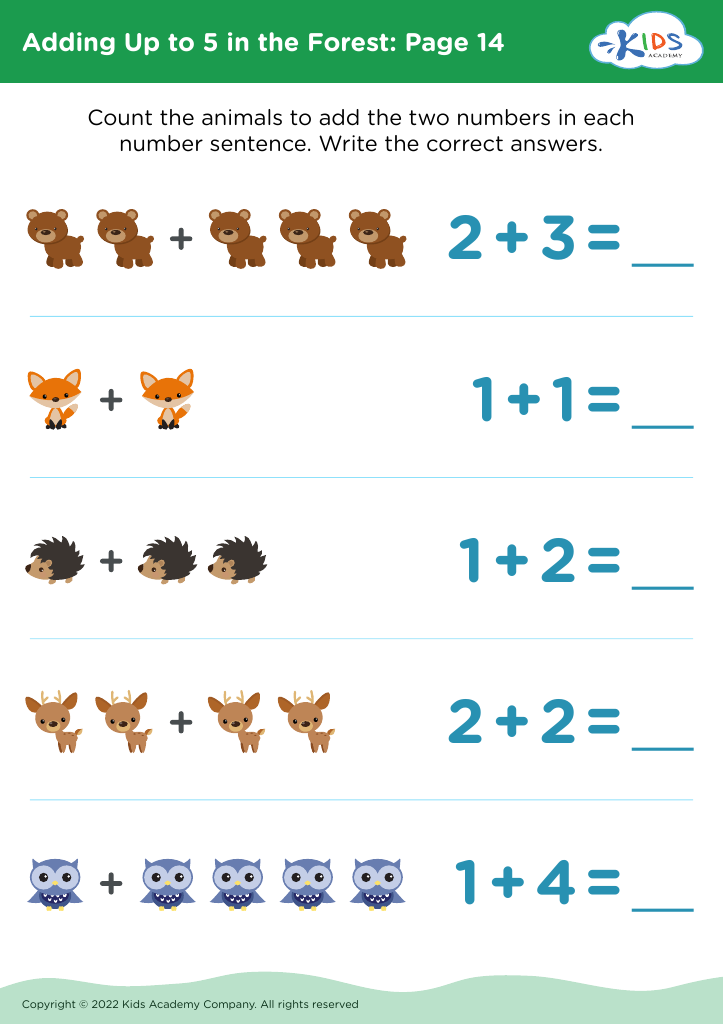
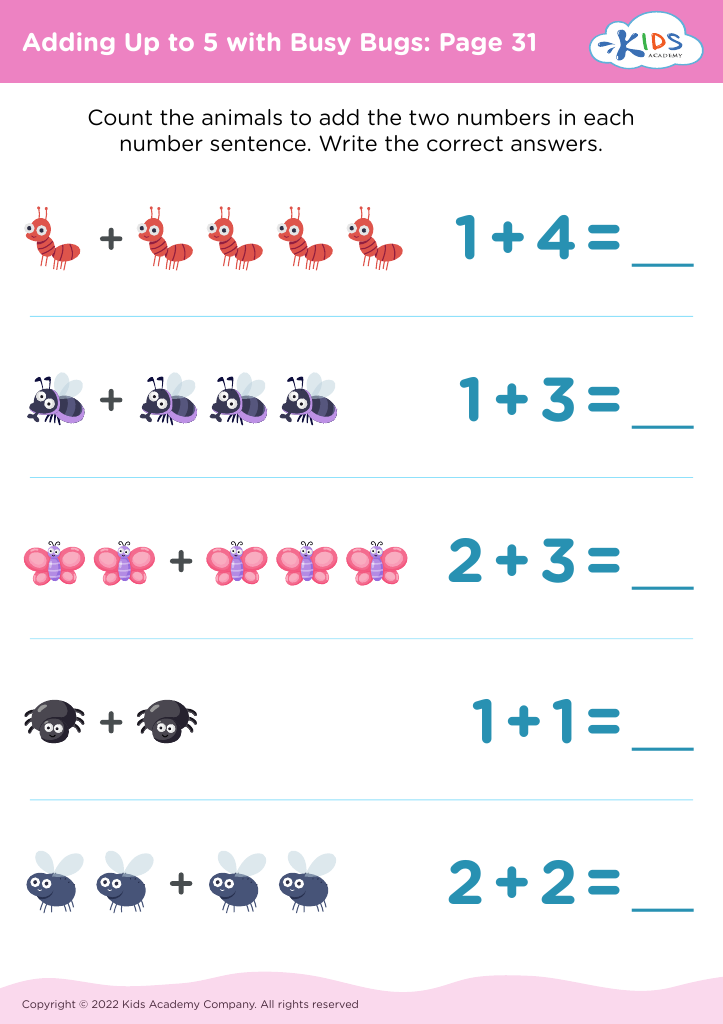

Count and Match Vegetables 2 – 8 Math Worksheet
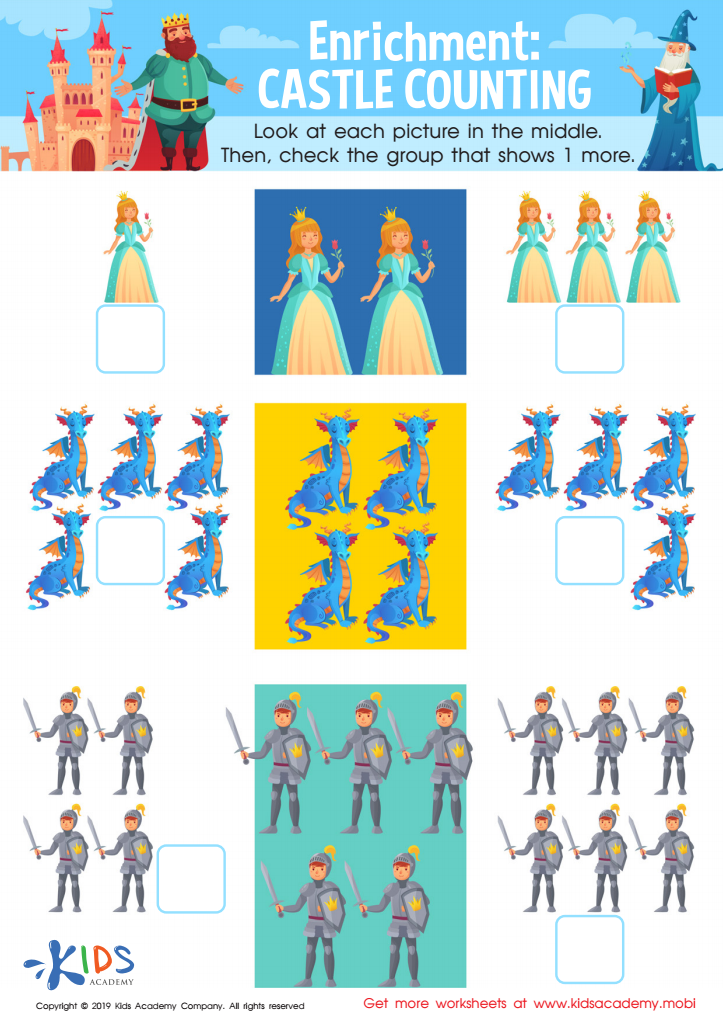
Enrichment: Castle Counting Worksheet






.jpg)

Fine motor skills are crucial in early childhood development, particularly in the ages of 5-8, as they play a significant role in academic and daily life tasks. Focusing on fine motor activities like drawing lines can heavily benefit a child's learning in mathematics and beyond. These skills strengthen the small muscles in the hands and fingers, which are necessary for writing, drawing, and even using tools like scissors.
In mathematics, drawing lines is foundational for understanding more complex concepts, such as shapes, geometry, and spatial reasoning. When children practice drawing straight lines, curved lines, and different lengths, they improve their hand-eye coordination and precision, which are critical when learning to trace numbers, execute basic arithmetic operations, and create graphs or charts.
Fine motor skills also promote cognitive development because they require concentration, planning, and problem-solving, thus enhancing a child's ability to think critically. These activities are intertwined with learning patterns and sequences, which are basic principles in math.
Moreover, honing fine motor skills boosts a child's confidence and independence. They become more apt to complete tasks that require fine motor control successfully, leading to a more enriching learning experience. Therefore, by valuing and nurturing fine motor skills like line drawing, parents and teachers provide children with essential tools for academic success and practical life skills.








