Fine motor skills (writing) Math Worksheets for Ages 5-8 - Page 2
43 filtered results
-
From - To
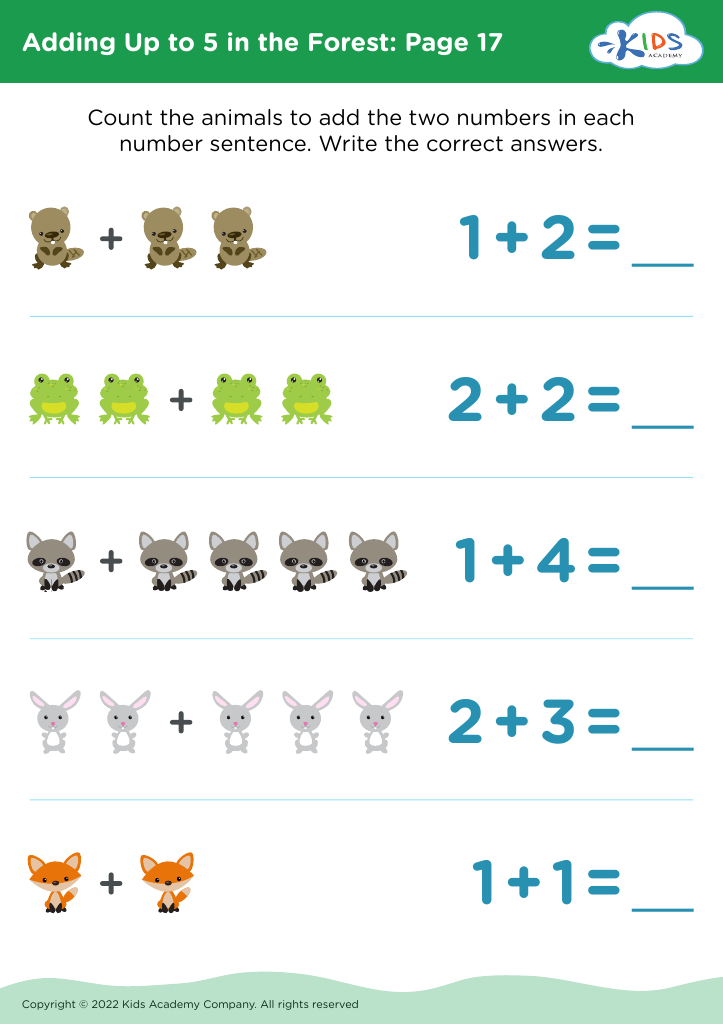
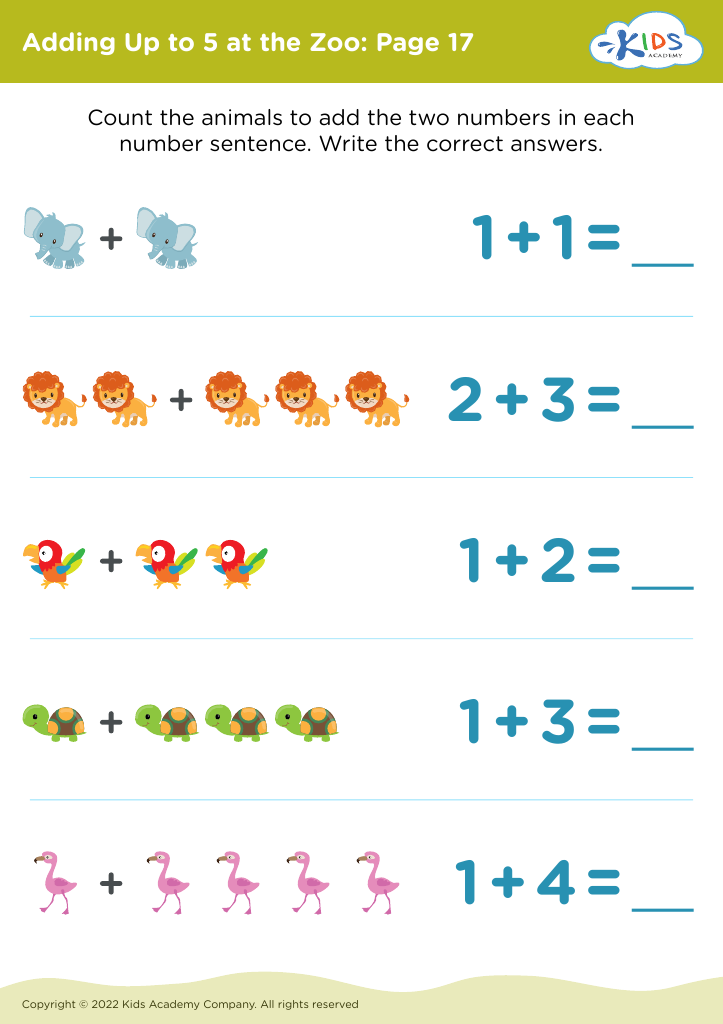
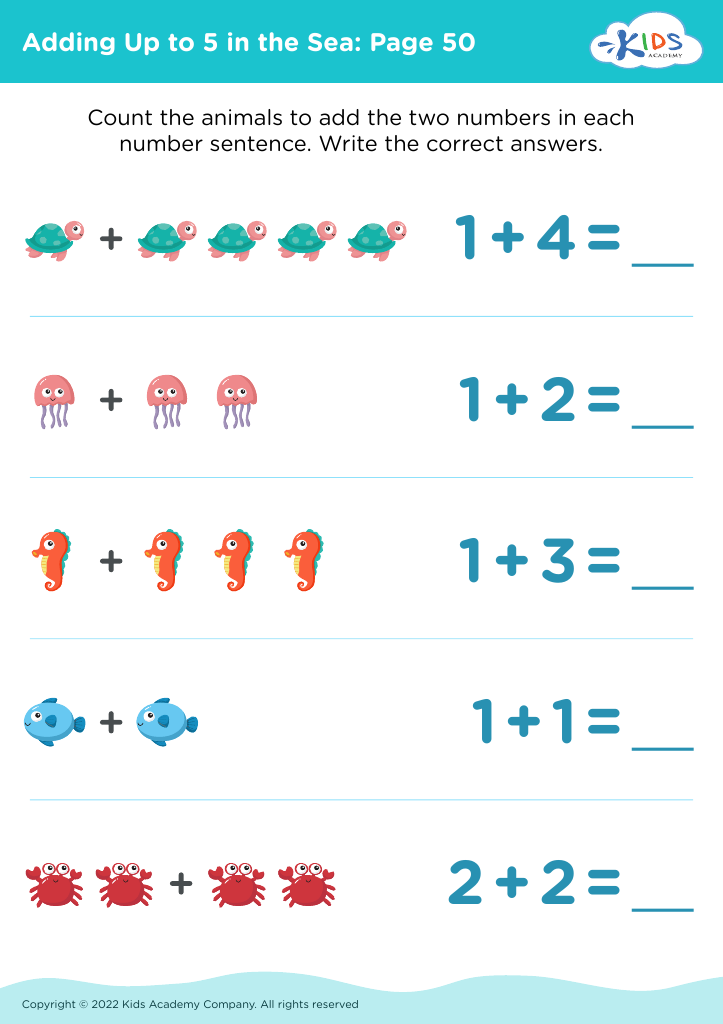
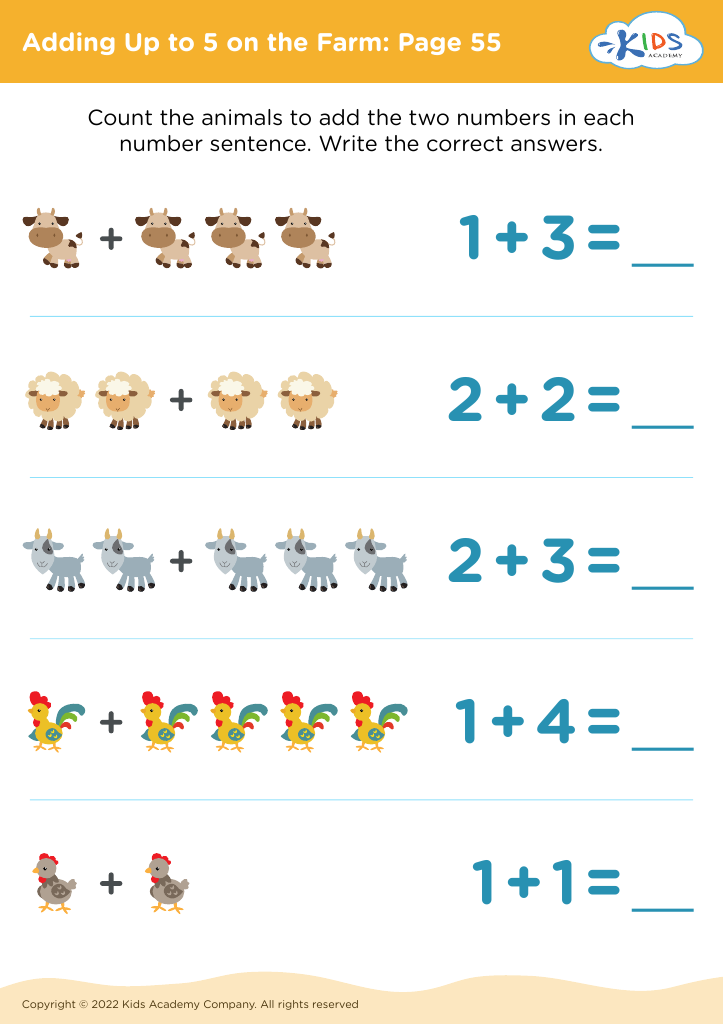
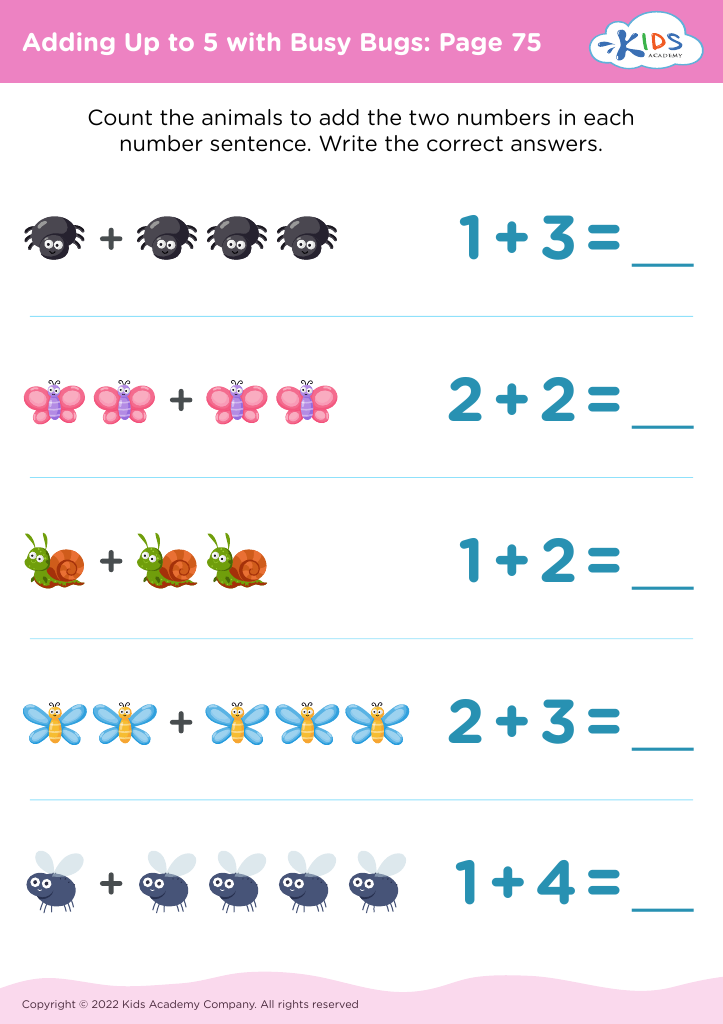
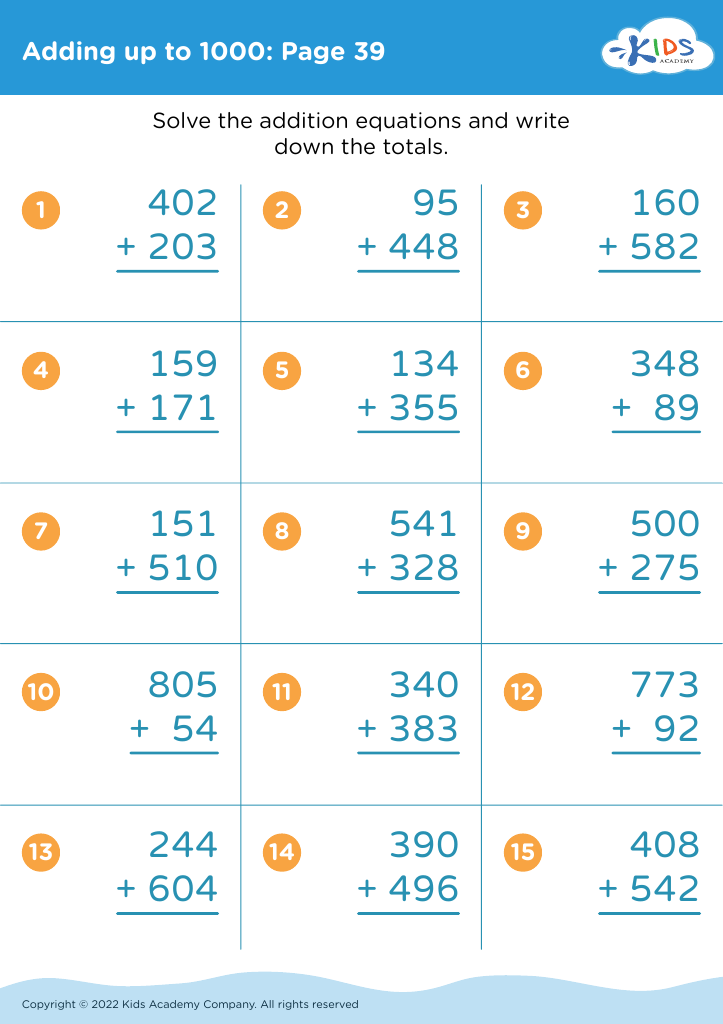
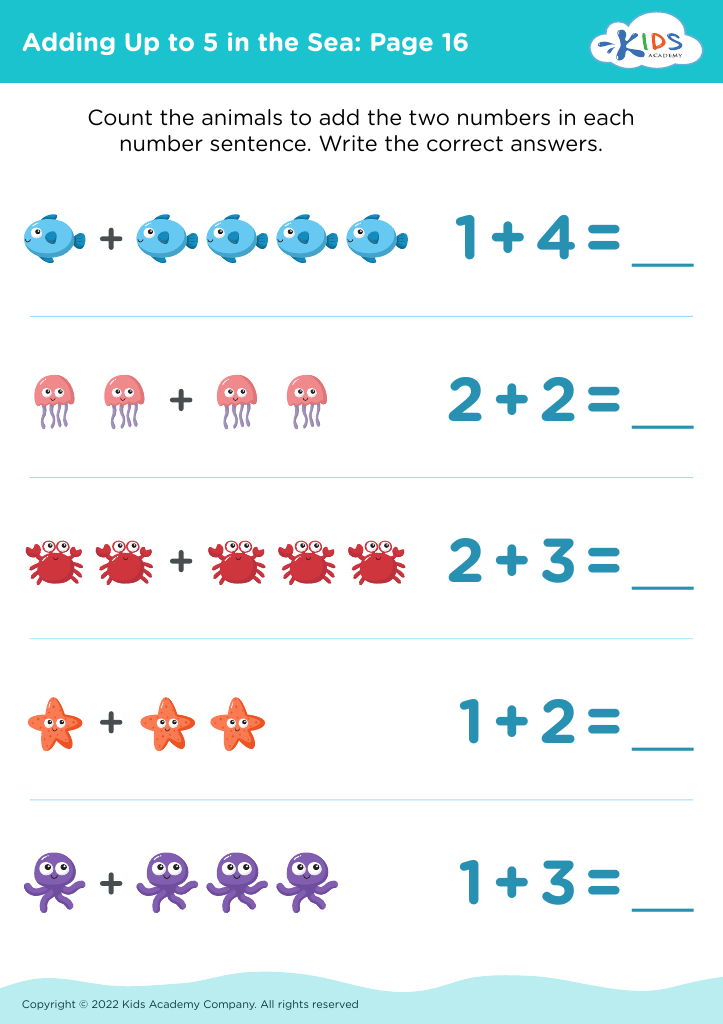
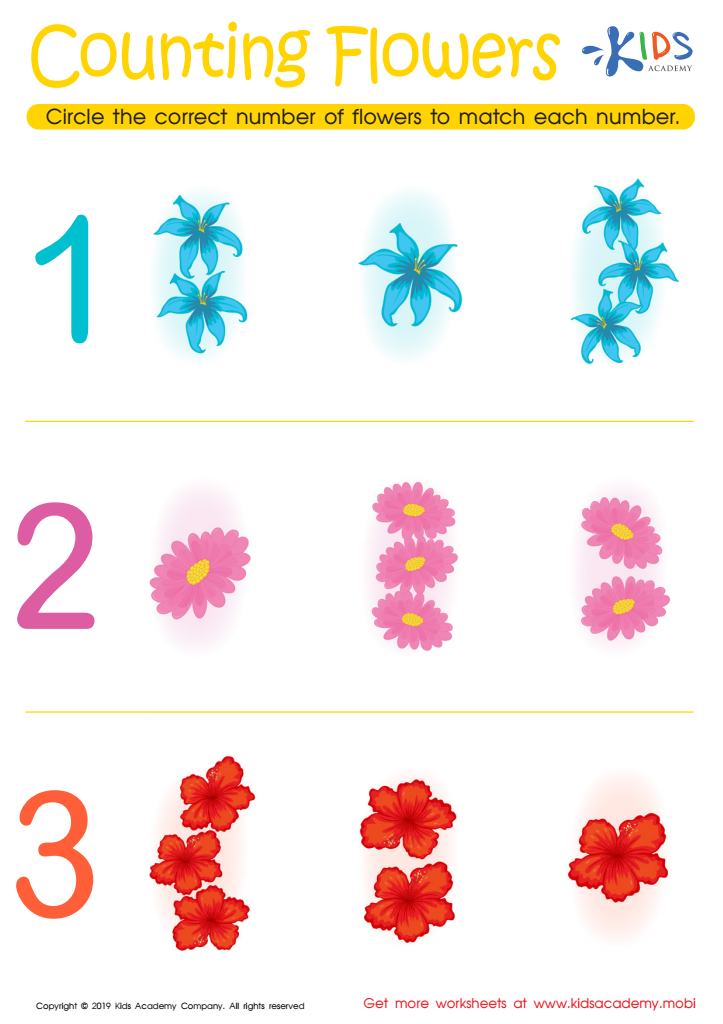
Counting Flowers Worksheet
 Assign to My Students
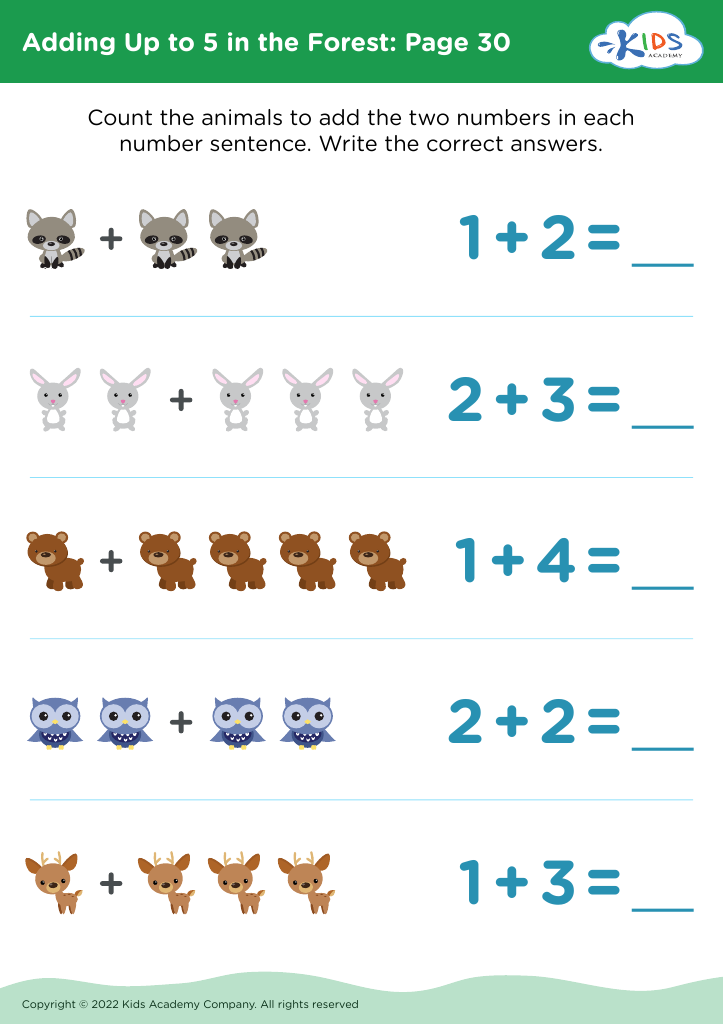
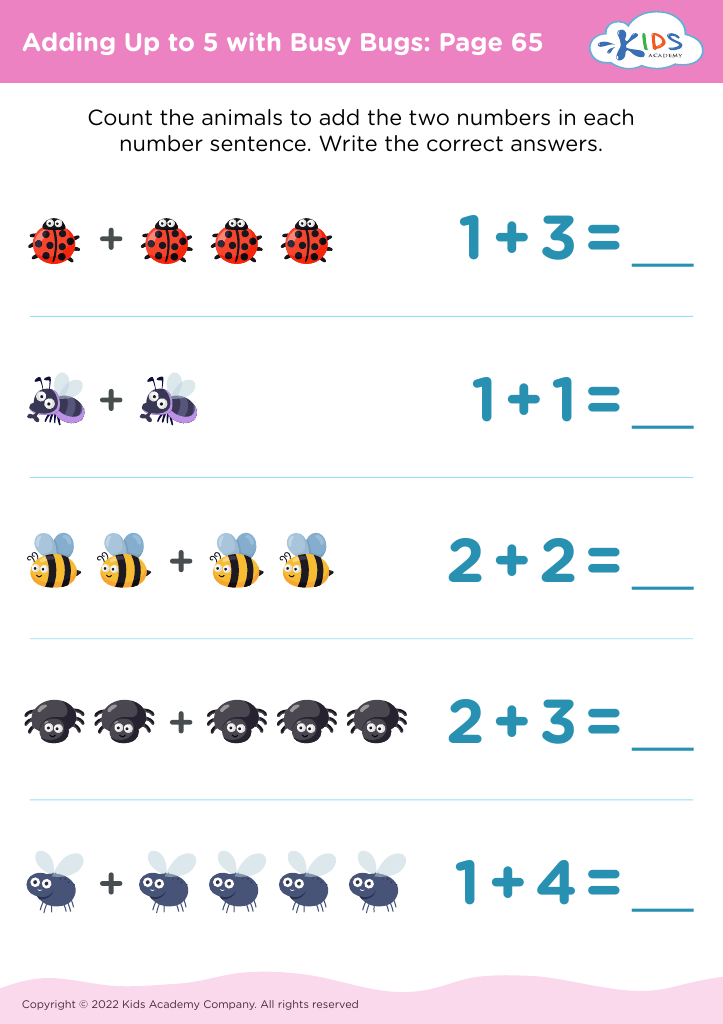
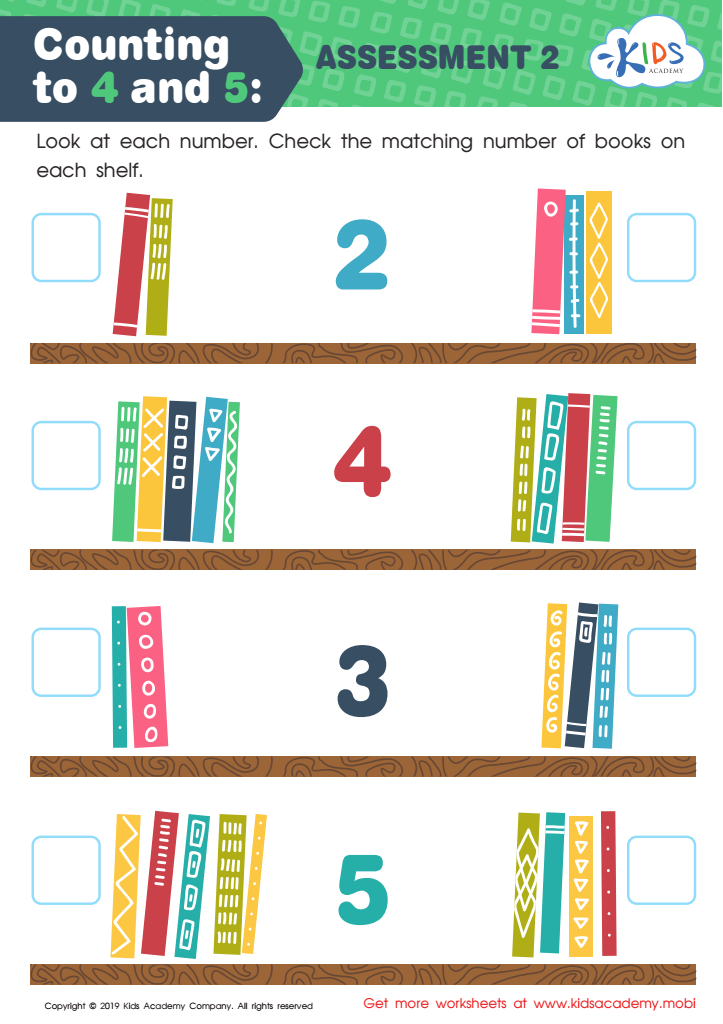
Counting to 4 and 5: Assessment 2 Worksheet








Fine motor skills are crucial for children aged 5-8 as they directly influence their ability to perform everyday tasks, including writing and participating in math activities. At this developmental stage, children are refining their hand-eye coordination and dexterity, which are essential for holding crayons, pencils, and other writing tools. Strong fine motor skills enable children to neatly form letters and numbers, leading to more effective communication of their thoughts and ideas, both in writing and on math assignments.
Additionally, fine motor development serves as a foundation for academic success. In math, skills such as drawing shapes, crafting number lines, and manipulating objects for counting rely on precise hand movements. Engaging in fine motor activities—like cutting, gluing, or connecting beads—also enhances cognitive skills through problem-solving and creativity.
Moreover, encouraging fine motor skill development promotes self-confidence in young learners. Mastering these skills provides children with a sense of achievement and motivates them to tackle more complex tasks. Therefore, both parents and teachers should prioritize activities that foster fine motor skills, ensuring that children are equipped to excel in writing and math, paving the way for future academic success and everyday life skills.








