Historical Knowledge Math Worksheets for Ages 5-8
9 filtered results
-
From - To
Introduce young learners to the fascinating world of history while enhancing their math skills with our "Historical Knowledge Math Worksheets for Ages 5-8." Designed by educational experts, these engaging worksheets seamlessly blend historical knowledge with fundamental math subjects like counting, addition, subtraction, shapes, and patterns. Perfect for young minds, they help children develop early math skills and historical awareness simultaneously, making learning enjoyable and meaningful. Each worksheet is tailored to captivate ages 5-8, fostering a love for both math and history through interesting facts and intriguing challenges. Spark curiosity and promote educational growth with our innovative and interactive worksheets!
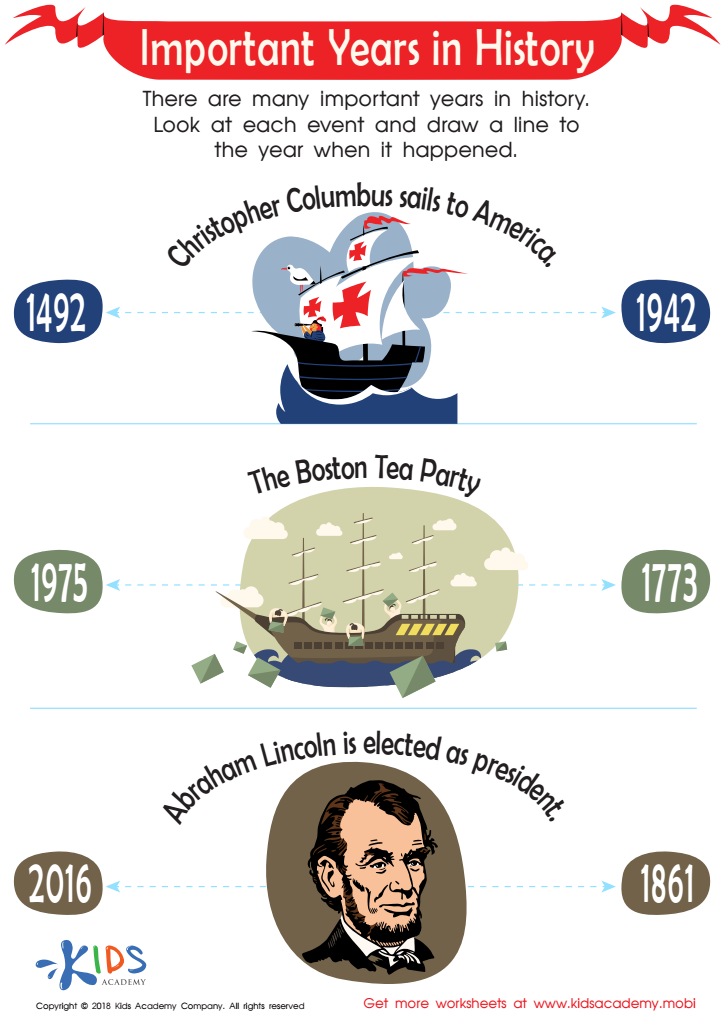
Important Years in History Worksheet
 Assign to My Students
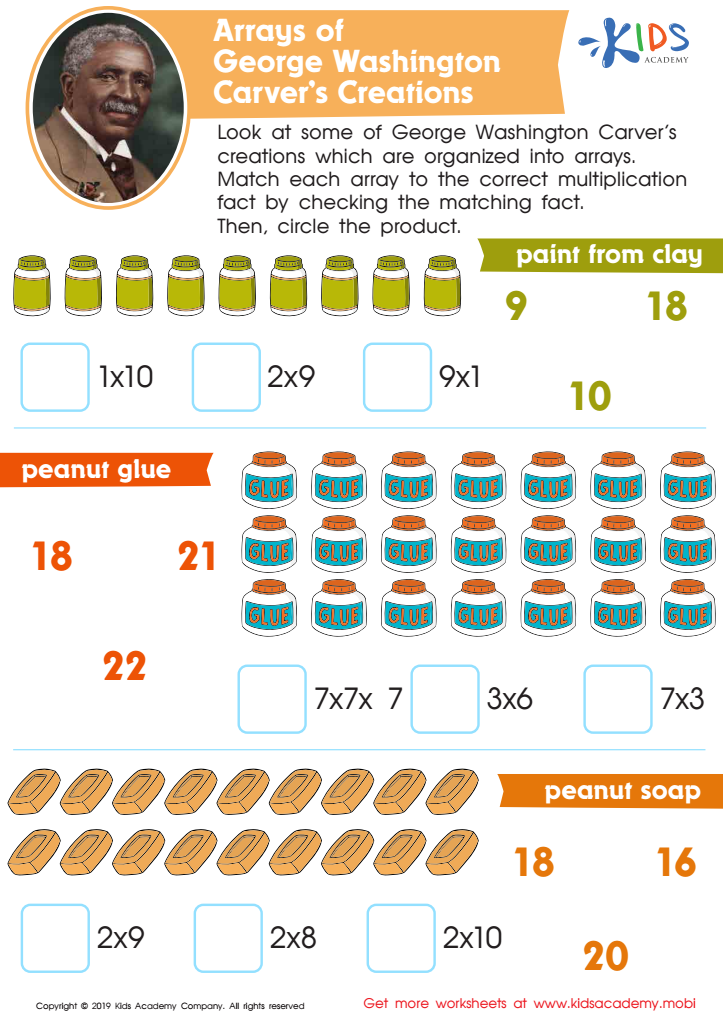
Arrays of George Washington Carver’s Creations Worksheet
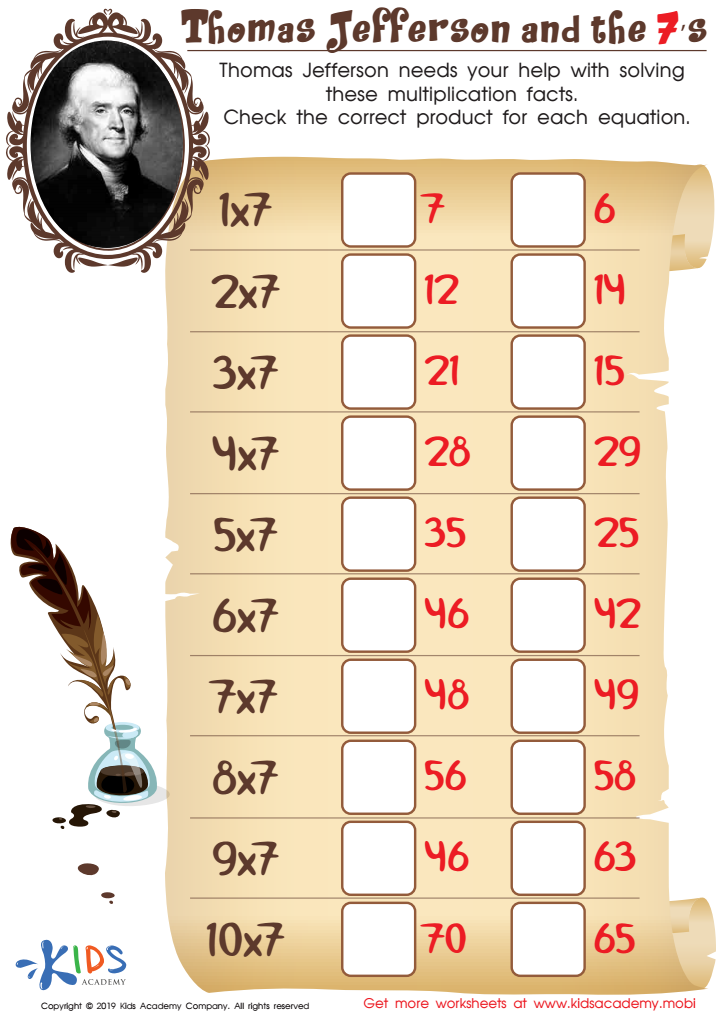
Thomas Jefferson and the 7’s Worksheet
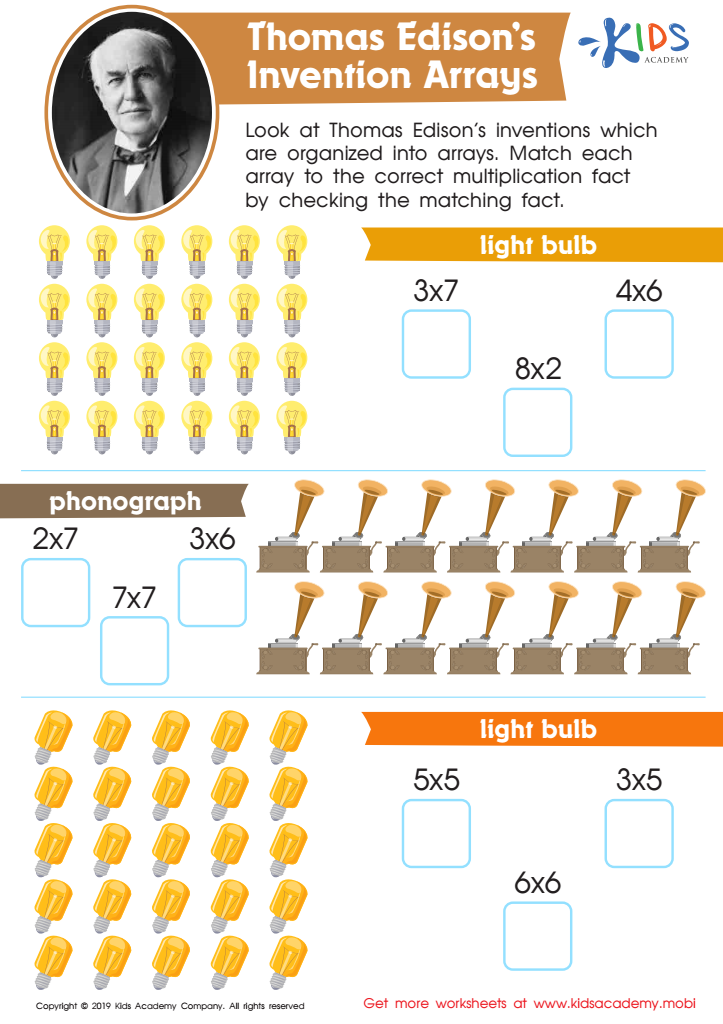
Thomas Edison’s Invention Arrays Worksheet
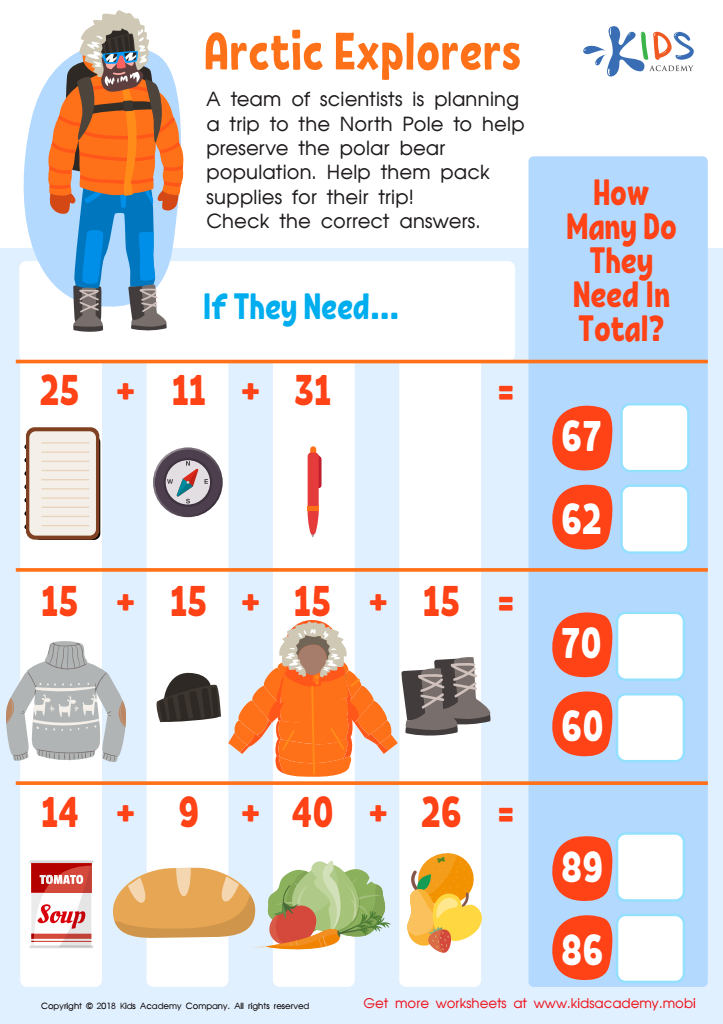
Arctic Explorers Worksheet
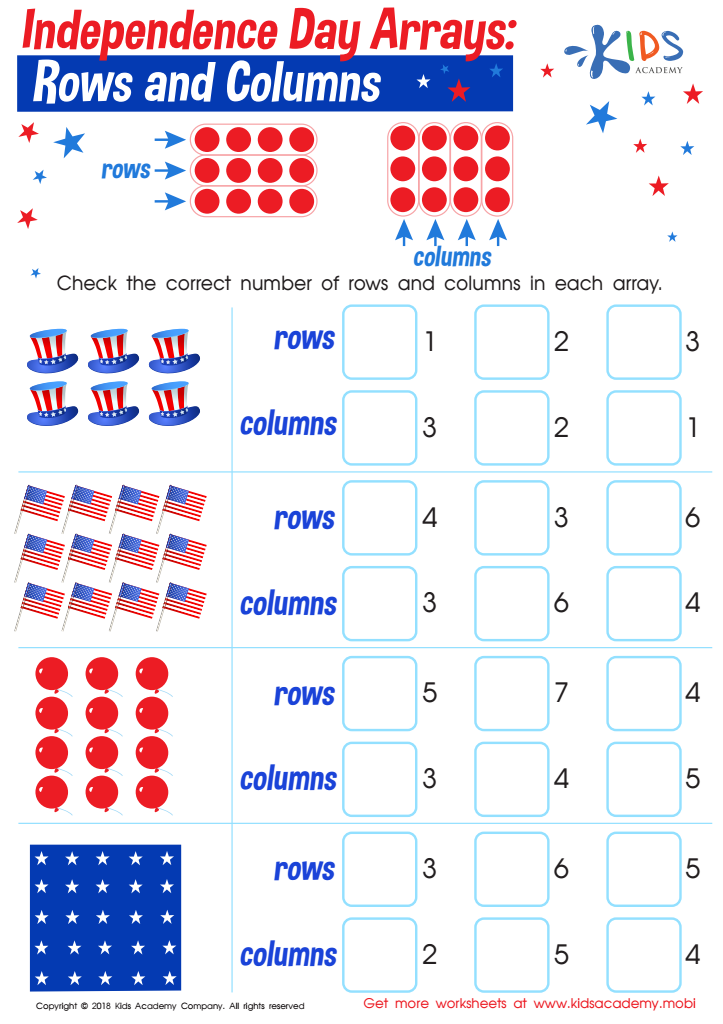
Independence Day Arrays: Rows and Columns Worksheet
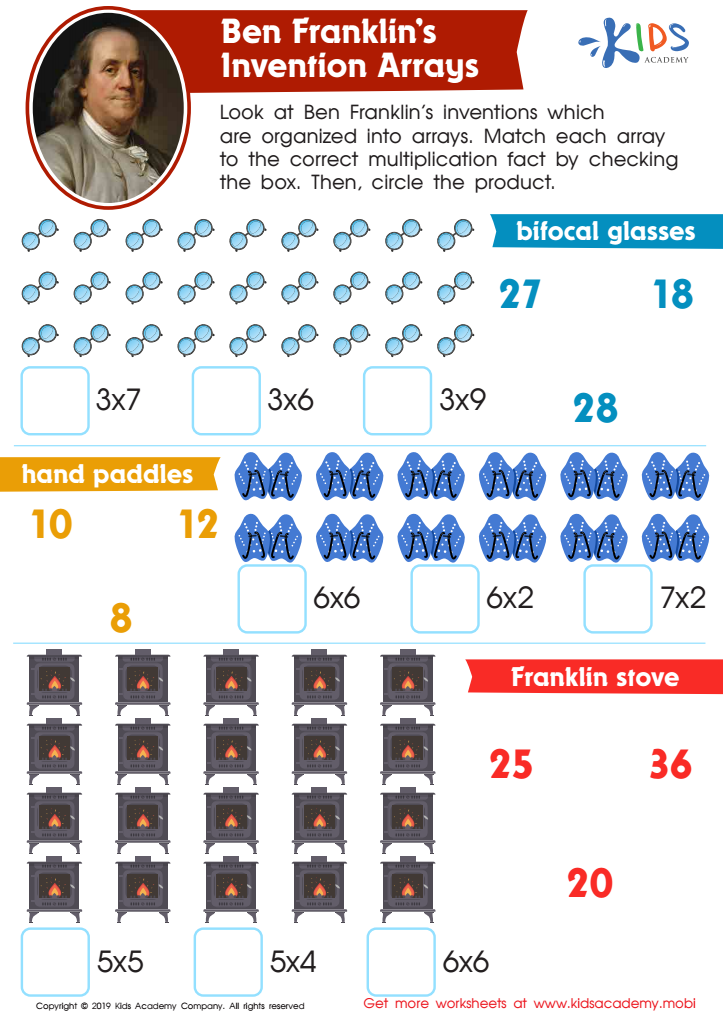
Ben Franklin’s Invention Arrays Worksheet
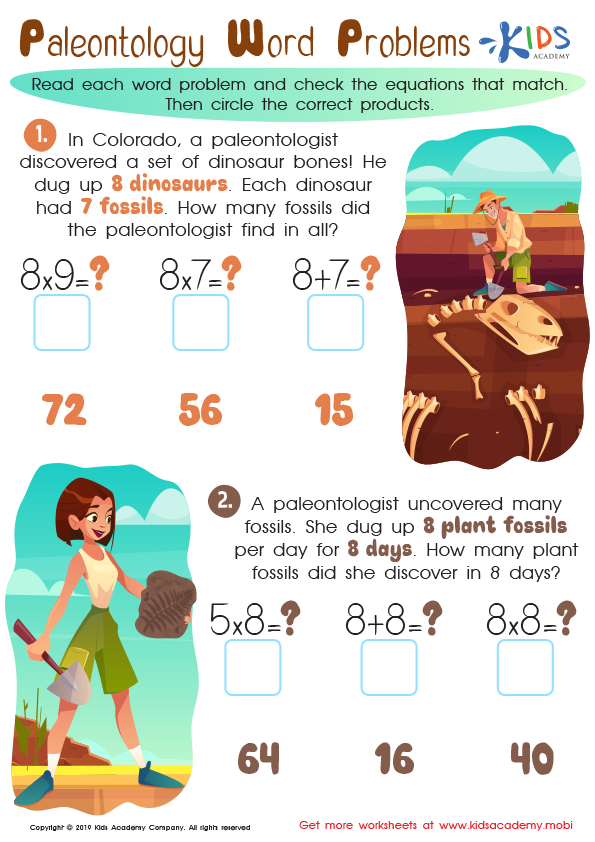
Archeology Word Problems Worksheet
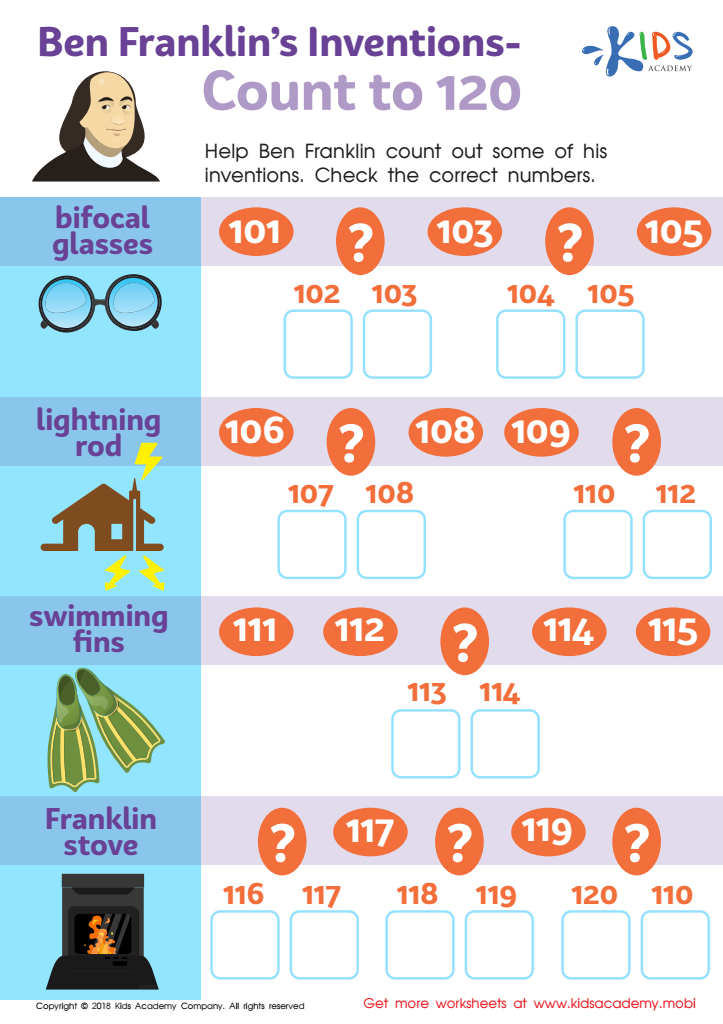
Ben Franklin’s Inventions – Count to 120 Worksheet








Historical Knowledge Math (HKM) intertwines stories from history with mathematical concepts, blending the charm of the past with the logic of numbers. For children aged 5-8, this interdisciplinary method can spark both curiosity and a love for learning.
First, integrating history with math makes abstract concepts more tangible. Real-life stories and historical events can illustrate complex ideas, helping young minds grasp them more easily. For example, learning about ancient builders using geometry to construct the Pyramids can show how math has been crucial throughout history, linking learning to a larger context.
Moreover, HKM fosters critical thinking. By examining how different civilizations approached mathematical problems, children develop problem-solving skills and learn the value of multiple perspectives. They see math not as isolated exercises but as dynamic stories filled with challenges and creative solutions.
This approach also caters to diverse learning styles. Storytelling engages auditory and visual learners, while hands-on activities can excite kinesthetic learners. When math lessons are wrapped in intriguing historical tales, they become more engaging and memorable.
Lastly, HKM can instill a sense of cultural appreciation and global awareness. Understanding that mathematics is a universal language echoed through ancient Greek, Egyptian, and Chinese cultures can make children appreciate the richness of human history and promote a sense of shared heritage. Thus, parents and teachers should highly value HKM for shaping well-rounded, enthusiastic learners.








