Improve fine motor skills Math Worksheets for Ages 5-8
3 filtered results
-
From - To
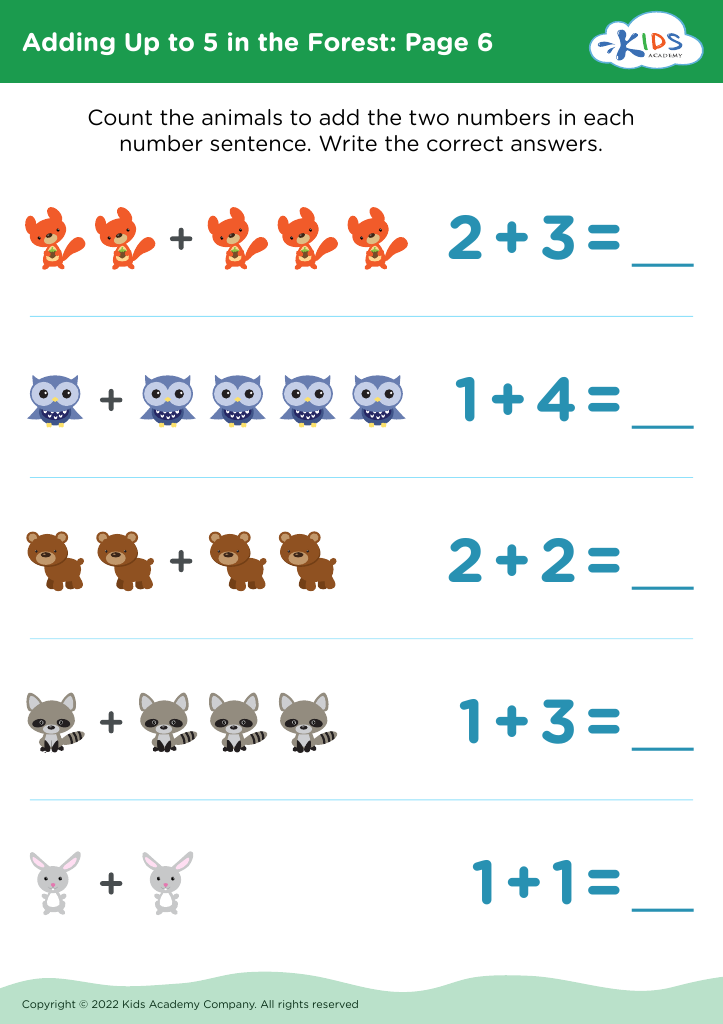
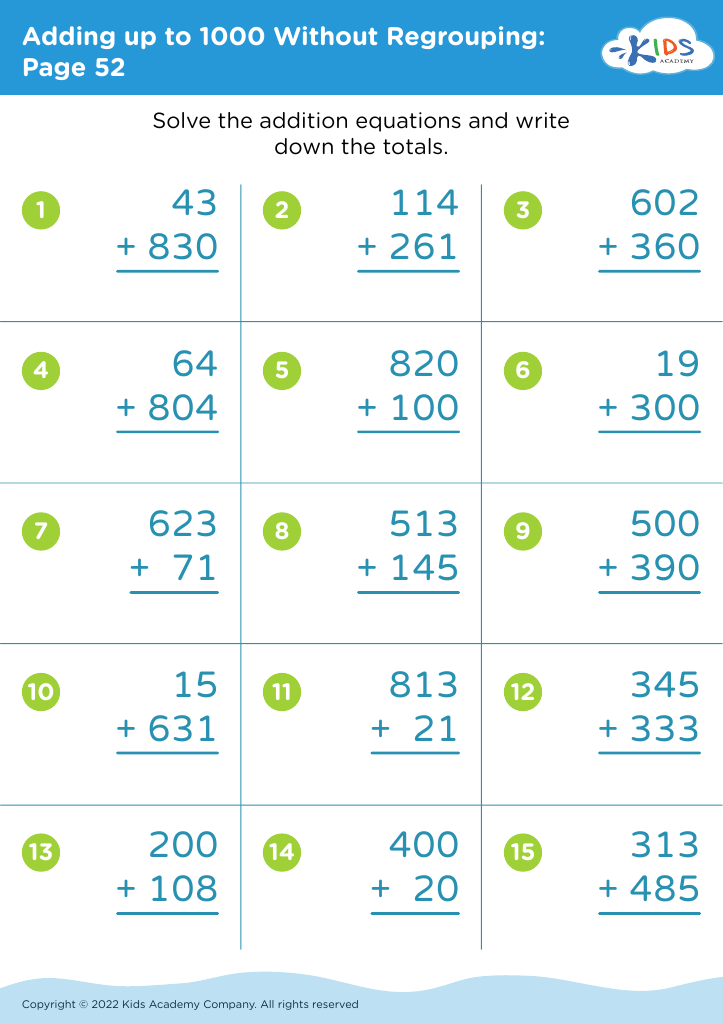
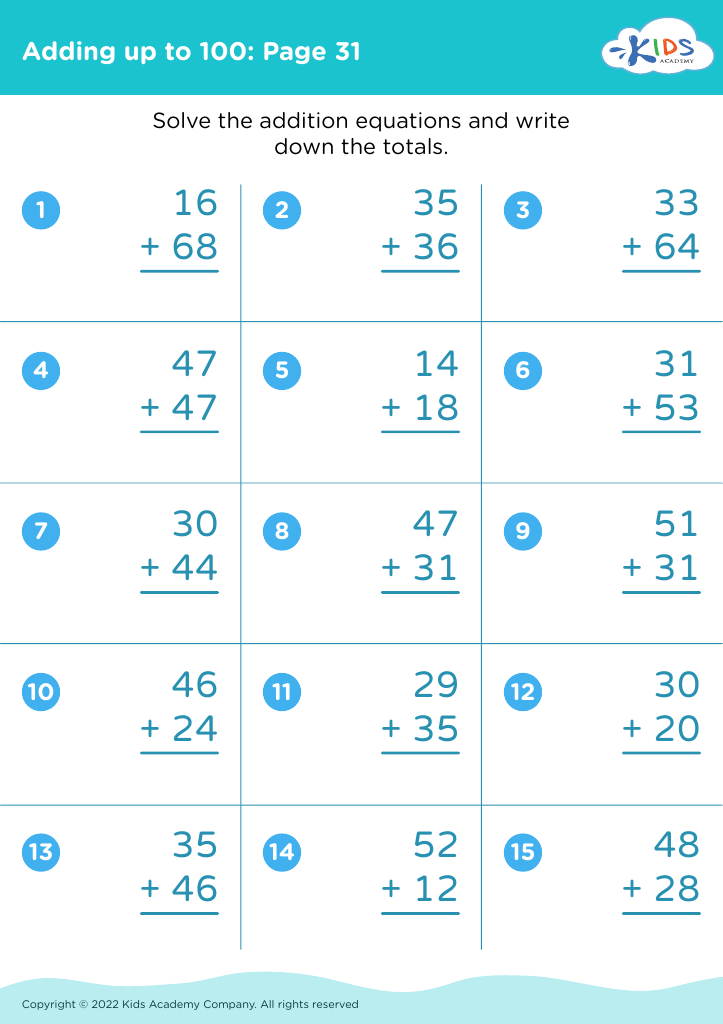
Enhance your child's fine motor skills with our engaging math worksheets designed for ages 5-8. These worksheets blend fun and learning, providing children with the opportunity to develop their handwriting, cutting, and concentration abilities while mastering essential math concepts. Our interactive activities include counting, number tracing, and pattern recognition, which not only boost math skills but also promote hand-eye coordination and dexterity. Perfect for homeschooling or classroom use, these printable resources make learning enjoyable and effective. Foster your child's confidence and creativity as they improve their fine motor skills and math proficiency with our thoughtfully crafted worksheets. Explore today!







Fine motor skills are essential for children aged 5-8, as they form the foundation for both academic and everyday tasks. These skills involve the coordination of small muscles in the hands and fingers, which are crucial for activities such as writing, drawing, cutting, and manipulating objects. In math, fine motor skills play a significant role, particularly in activities involving counting, sorting, and measuring.
By improving fine motor skills, children can enhance their ability to physically engage with mathematical concepts. For instance, handling counting manipulatives or drawing shapes requires dexterity. When children struggle with fine motor skills, it may lead to frustration and hinder their mathematical understanding.
Parents and teachers should care about developing these skills, as they directly impact a child’s confidence and engagement in math. Encouraging fine motor skill development through fun, hands-on activities not only makes learning enjoyable but also prepares children for success in various subjects. Overall, nurturing fine motor skills sets the stage for a positive learning experience, fostering both academic achievement and essential life skills. By emphasizing this development, adults can equip children with the tools they need for future educational challenges.








