Letter recognition Math Worksheets for Ages 5-8
5 filtered results
-
From - To
Discover our engaging Letter Recognition Math Worksheets designed specifically for children aged 5-8. These interactive resources combine the essentials of math with early literacy skills, helping young learners identify letters while reinforcing math concepts. Each worksheet is crafted to be fun and visually appealing, making learning enjoyable. By integrating letter recognition with math exercises, children develop essential skills in a playful manner. Our worksheets are suitable for both classroom settings and home learning, encouraging kids to practice at their own pace. Begin your child’s educational journey today with our thoughtfully designed materials that foster a love for learning!
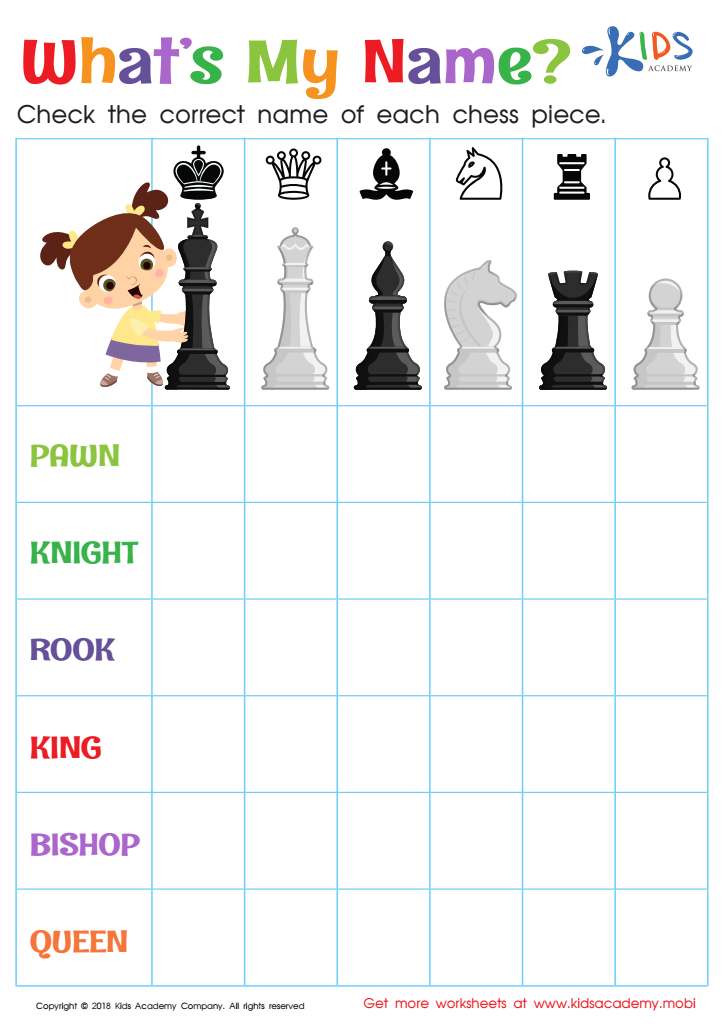
What's My Name? Worksheet
 Assign to My Students
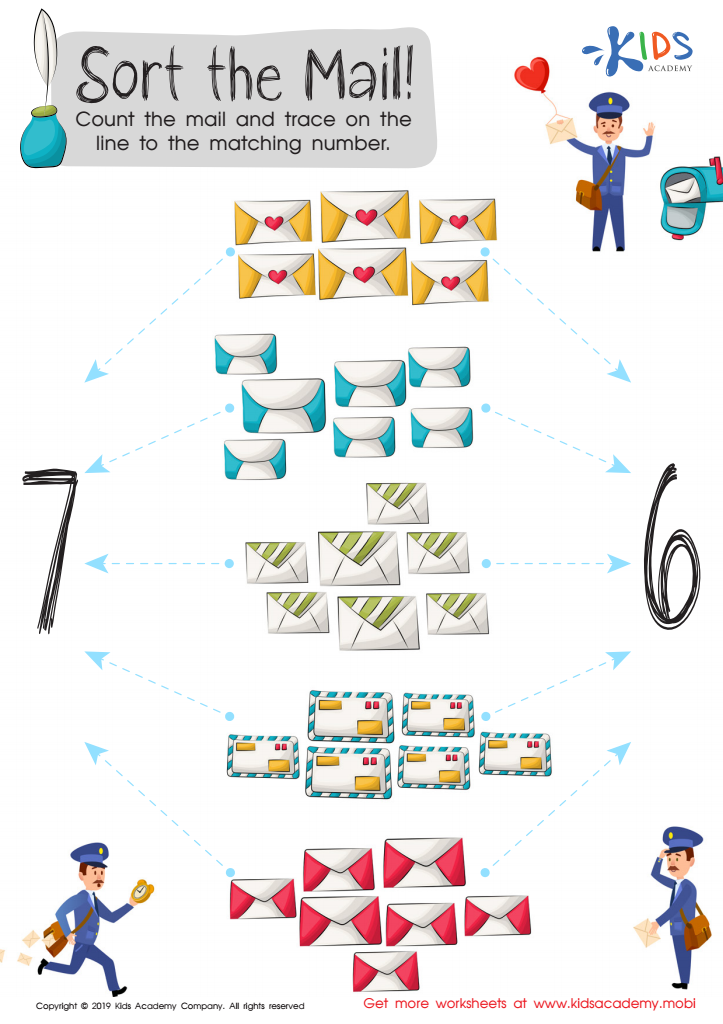
Sort the Mail Worksheet








Letter recognition is a crucial aspect of early education for children ages 5-8, as it lays the foundation for literacy and cognitive development. Parents and teachers should care about this skill because it directly impacts a child’s ability to read and write. Recognizing letters is the first step in decoding language, allowing children to make connections between sounds and letters, which fosters phonemic awareness.
Furthermore, letter recognition stimulates Brain development. Engaging with letters engages a child’s brain, boosting overall cognitive skills which can translate into other subjects, including math. Children learn to recognize patterns, sequences, and spatial relationships—a crucial component of mathematical thinking—while they grasp the structure of letters.
Socially, recognizing letters builds confidence for children in group situations like classrooms where they are expected to participate. When children feel successful in their alphabet knowledge, they are more inclined to engage in discussions and activities, enhancing their language skills.
Moreover, the home and school collaborative approach significantly benefits a child's learning development. Promoting letter recognition creates a bridge to improved reading skills and better performance across academic subjects, making it an essential focus in early childhood education.








