Nature appreciation Math Worksheets for Ages 5-8
5 filtered results
-
From - To
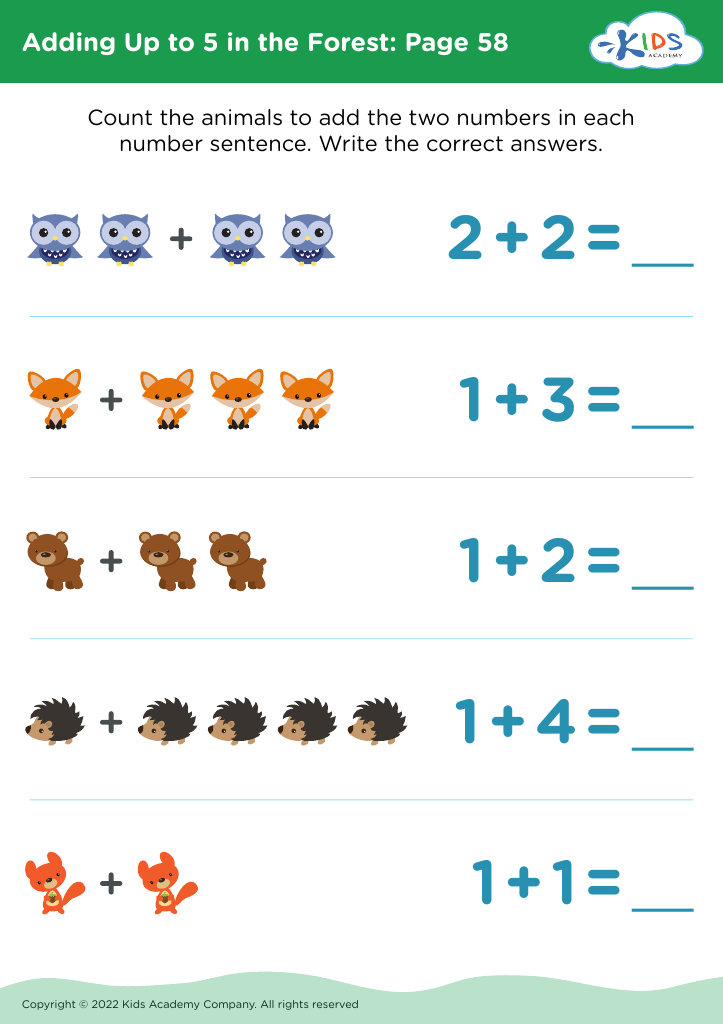
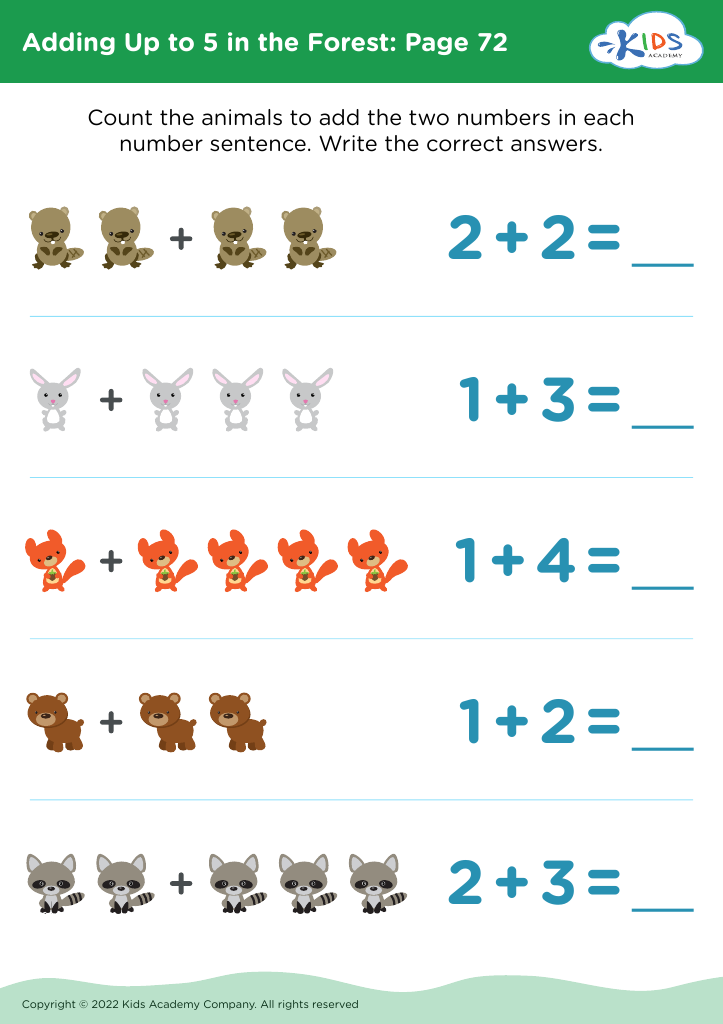
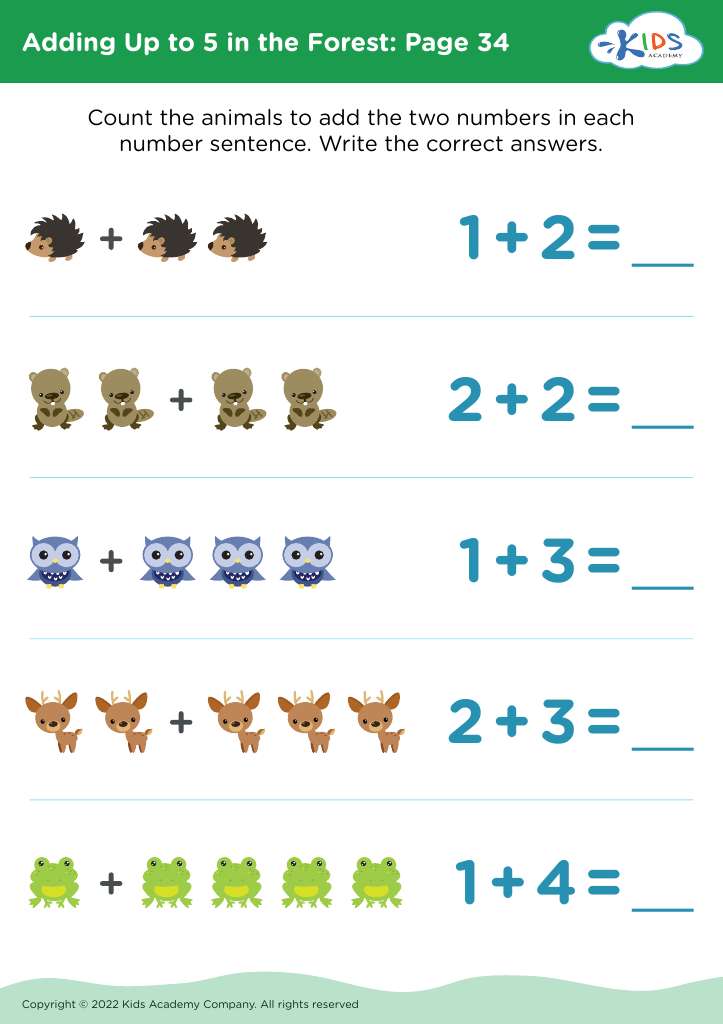
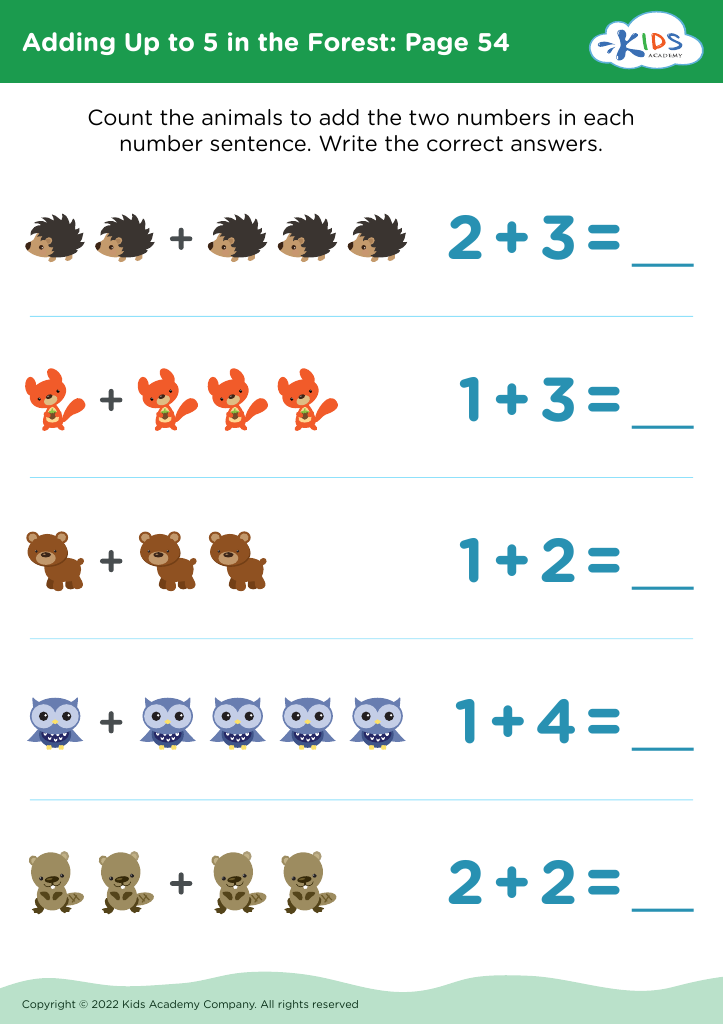
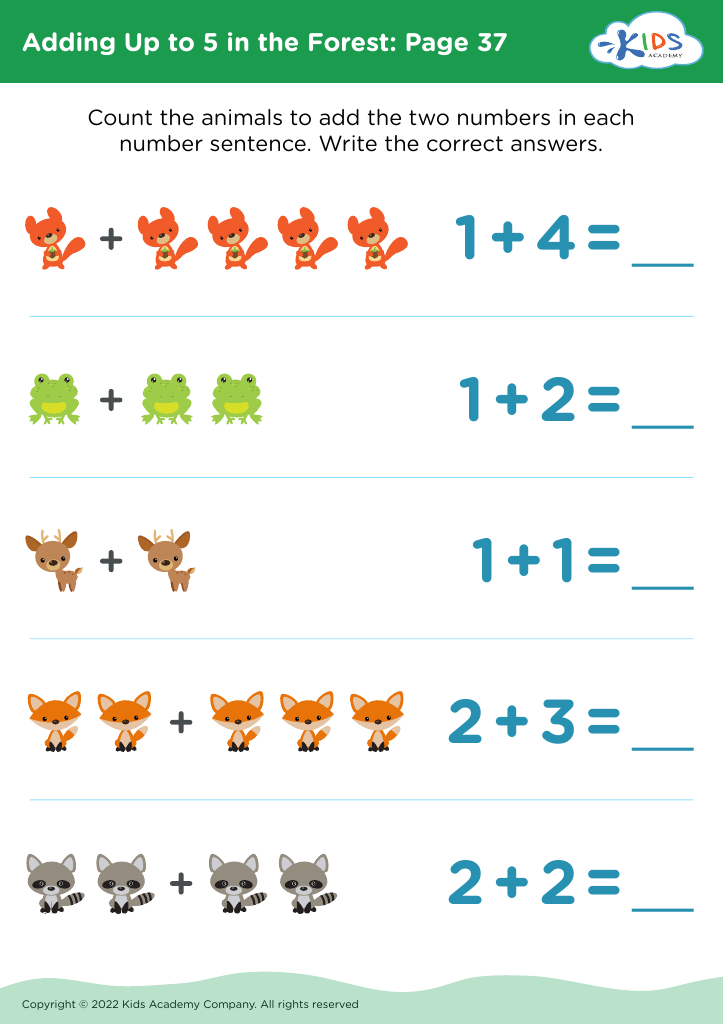
Introduce your young learners to the wonders of the natural world with our Nature Appreciation Math Worksheets for Ages 5-8. These engaging and educational worksheets blend math skills with nature themes, allowing children to practice counting, addition, subtraction, and more as they explore vibrant scenes from the great outdoors. Perfect for classroom use or homeschool activities, each worksheet inspires an appreciation for nature while reinforcing foundational math concepts. Engaging illustrations and relatable scenarios make learning fun and relevant. Foster both math proficiency and a love for nature in your young students with our thoughtfully designed worksheets.


.jpg)




Nature appreciation math for ages 5-8 is an invaluable educational approach that combines outdoor exploration with foundational mathematics skills. Parents and teachers should care about this method because it engages young learners in a hands-on and intuitive environment, making abstract concepts more relatable and easier to grasp.
When children explore nature, they encounter mathematical concepts such as counting, patterns, shapes, and measurements in real-world settings. For instance, they can count the number of petals on a flower, identify shapes in leaves, or compare the sizes of different rocks. These tangible experiences promote a deeper understanding and retention of mathematical principles than traditional worksheet exercises.
Moreover, nature-based learning fosters a sense of curiosity and wonder, creating positive attitudes toward both math and the natural world. This dual focus helps to nurture holistic development: cognitive skills through mathematical reasoning and emotional well-being through interaction with nature.
Nature also offers endless opportunities for problem-solving and critical thinking. Observing how shadows move, measuring the growth of plants, or estimating distances between trees strengthens analytical skills and encourages scientific inquiry.
In essence, integrating nature appreciation with math enriches early childhood education, laying a robust foundation for academic success while cultivating a lifelong love and respect for the environment.








