Practice writing numbers Math Worksheets for Ages 5-8
6 filtered results
-
From - To
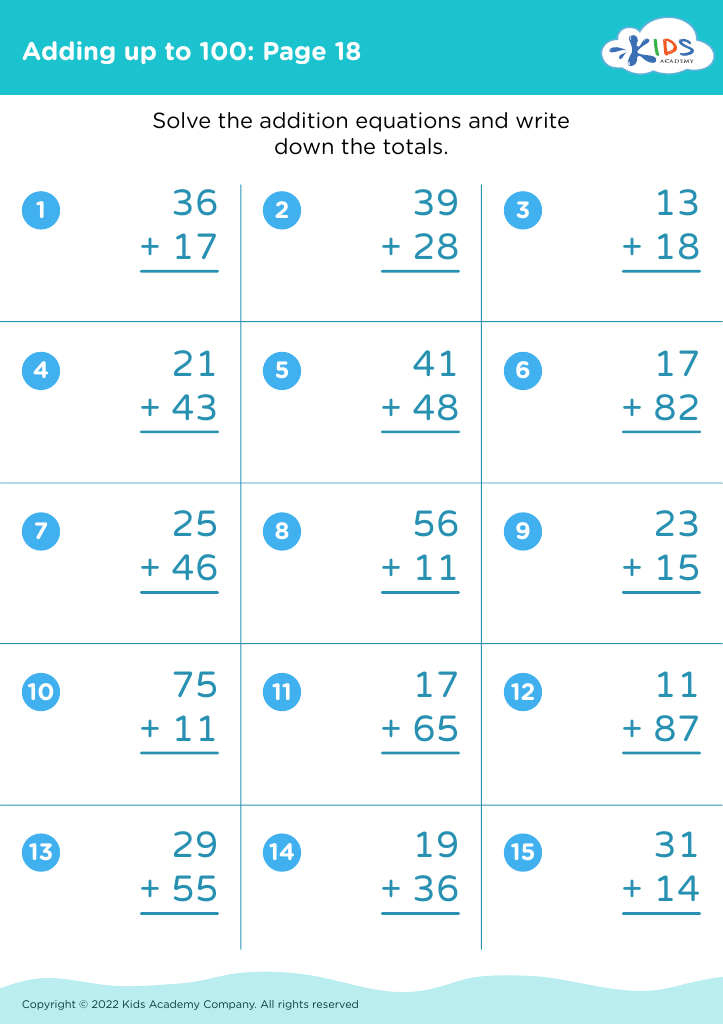
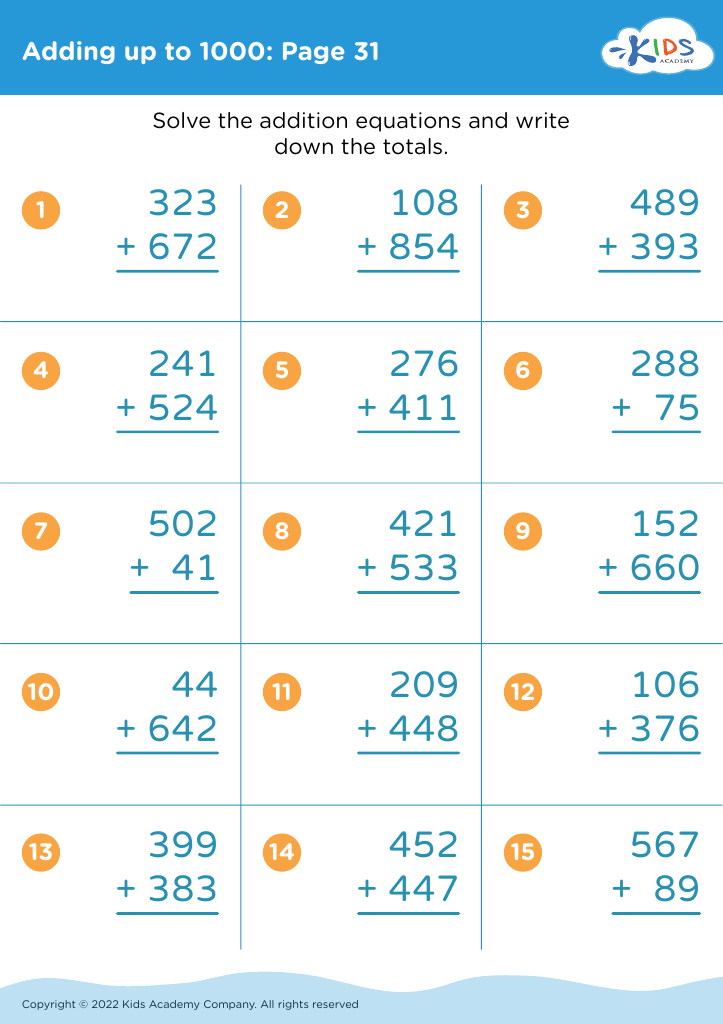
Welcome to our engaging "Practice Writing Numbers Math Worksheets" for children aged 5-8! These carefully designed worksheets provide a fun and interactive way for young learners to develop their number writing skills. Featuring colorful visuals and playful exercises, each worksheet encourages creativity while reinforcing essential math concepts. From tracing to free writing, your child will gain confidence in handling numbers, enhancing their overall numeracy skills. Perfect for classroom settings or at-home learning, our resources cater to diverse learning styles. Unlock your child's mathematical potential today with these effective practice sheets! Explore now to create a solid foundation for future math success!
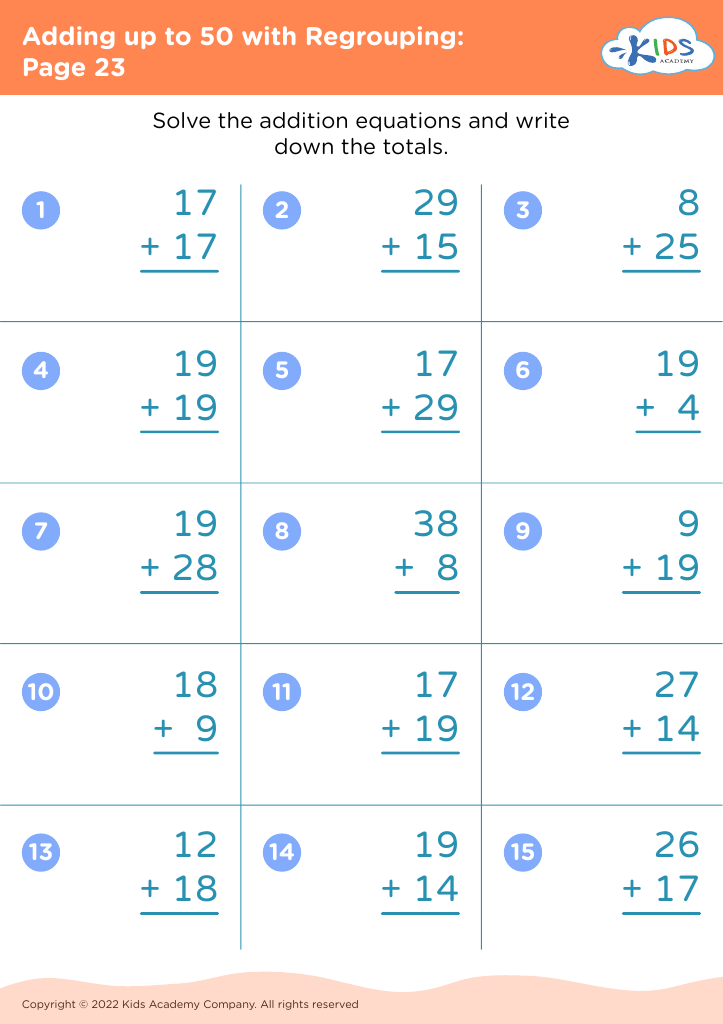
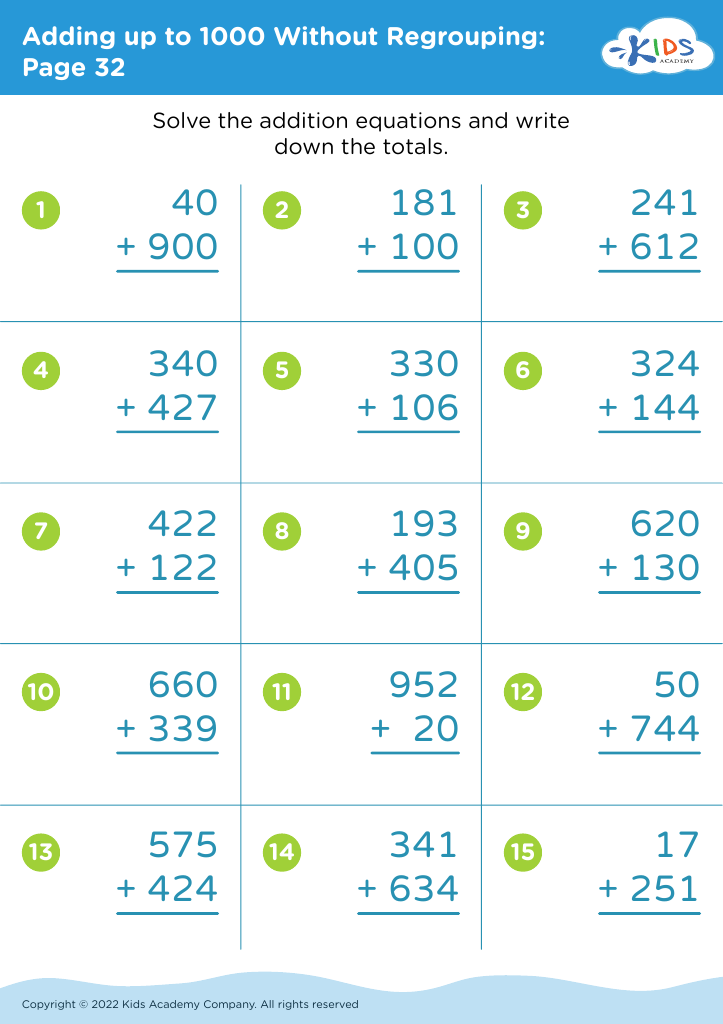
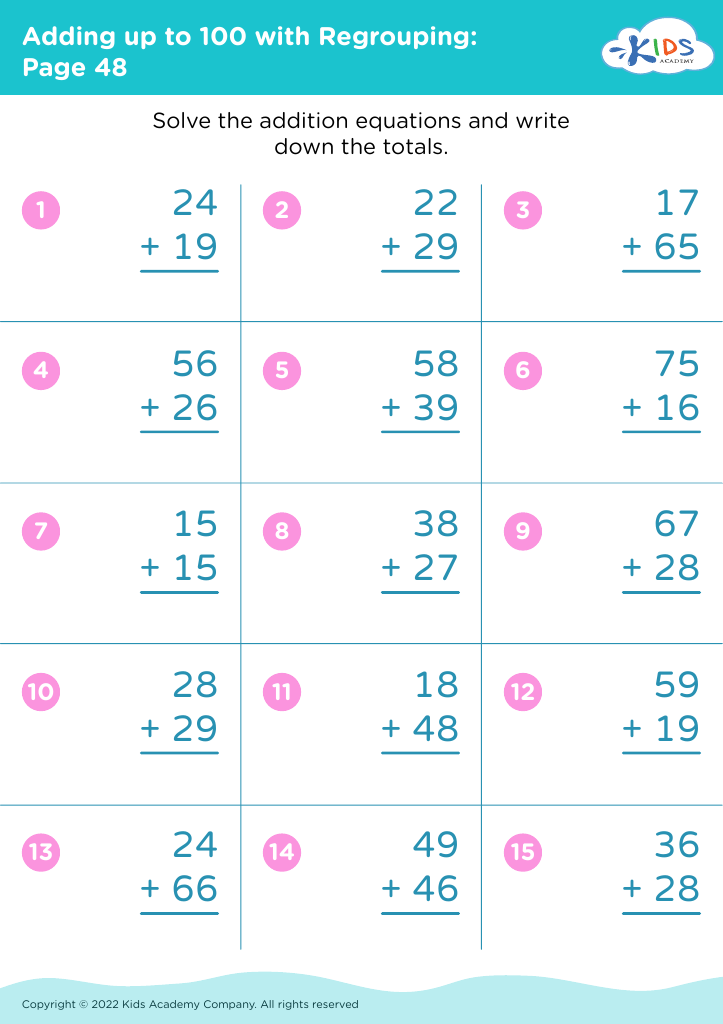
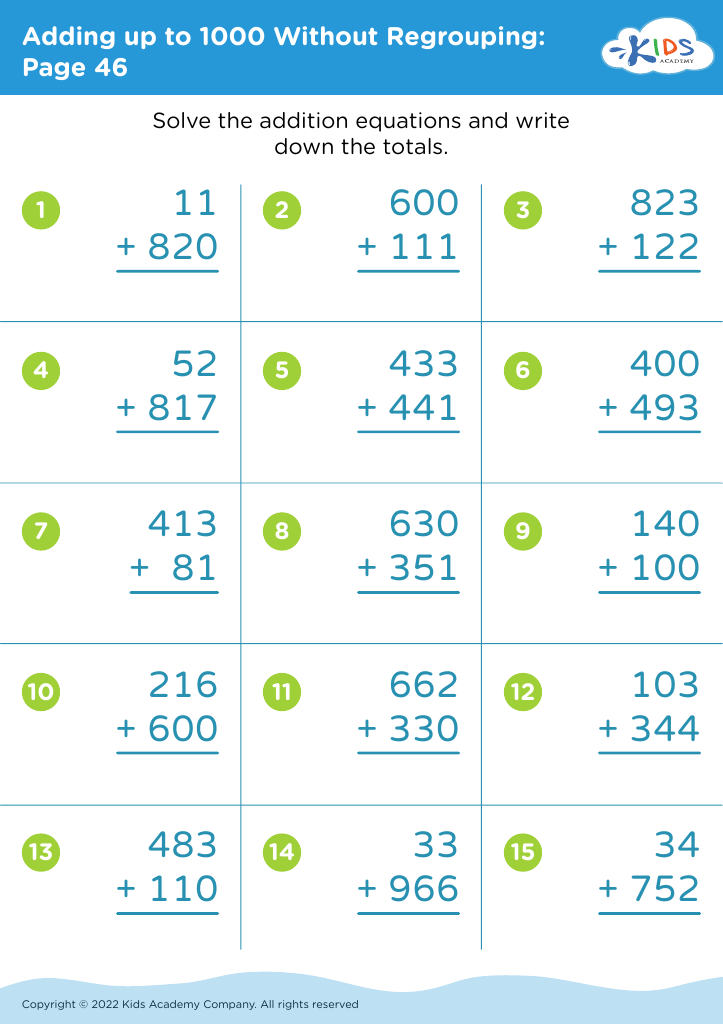



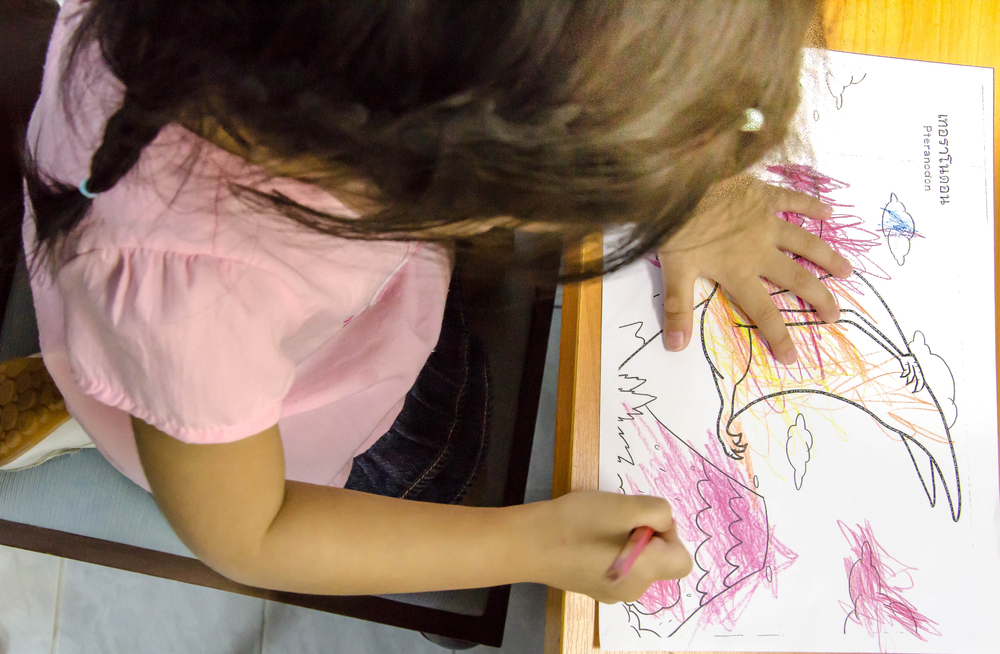




Practice writing numbers is crucial for children ages 5-8 as it lays the foundation for their numerical understanding and math abilities. This developmental stage is pivotal; children are introduced to basic concepts of numeracy, such as recognition, sequencing, and simple arithmetic. Writing numbers helps strengthen fine motor skills, which are essential for overall writing development.
When parents and teachers encourage number writing, they not only support literacy and numeracy skills but also enhance a child's ability to represent mathematical ideas visually. This process deepens comprehension, as children engage with numbers actively. By practicing writing numbers, children learn to recognize patterns and relationships between them, paving the way for future mathematical concepts like addition and subtraction.
Moreover, opportunities for writing numbers foster a sense of accomplishment. When children see their own progress, their confidence in mathematics can flourish. Involving parents in this practice further reinforces learning, making it a collaborative process. It creates opportunities for positive reinforcement and can be a fun bonding activity. Ultimately, prioritizing number writing at this age ensures children develop the critical skills necessary for more complex mathematical challenges in later years, ensuring a solid foundation for lifelong learning.








