Problem-solving abilities Math Worksheets for Ages 5-8 - Page 3
59 filtered results
-
From - To
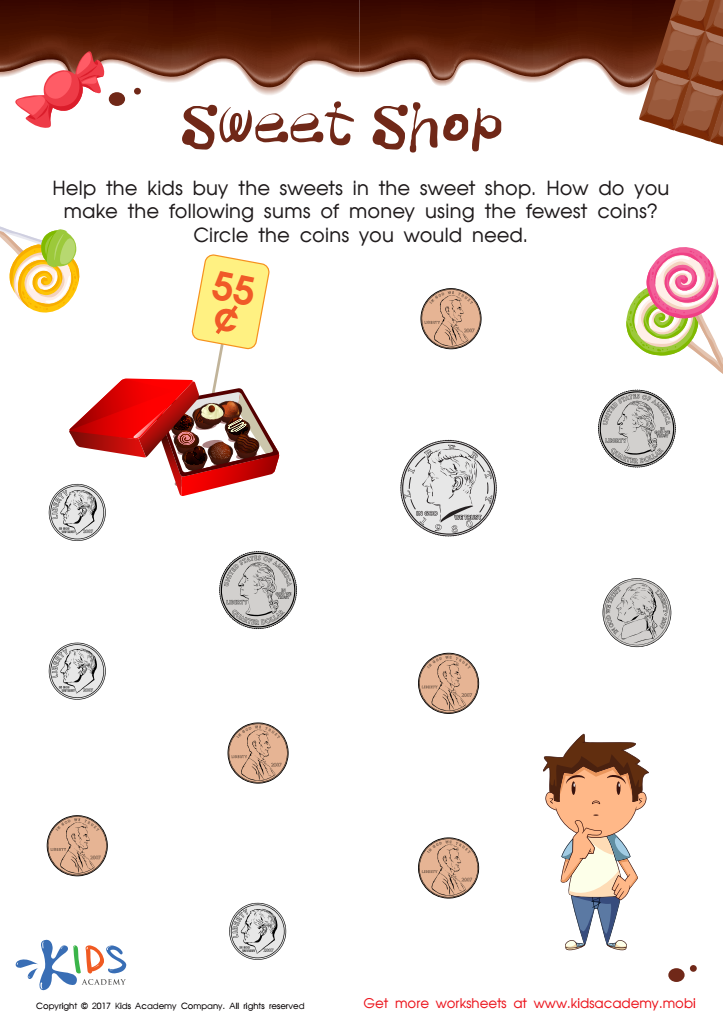
Sweet Shop – Counting Coins Worksheet
 Assign to My Students
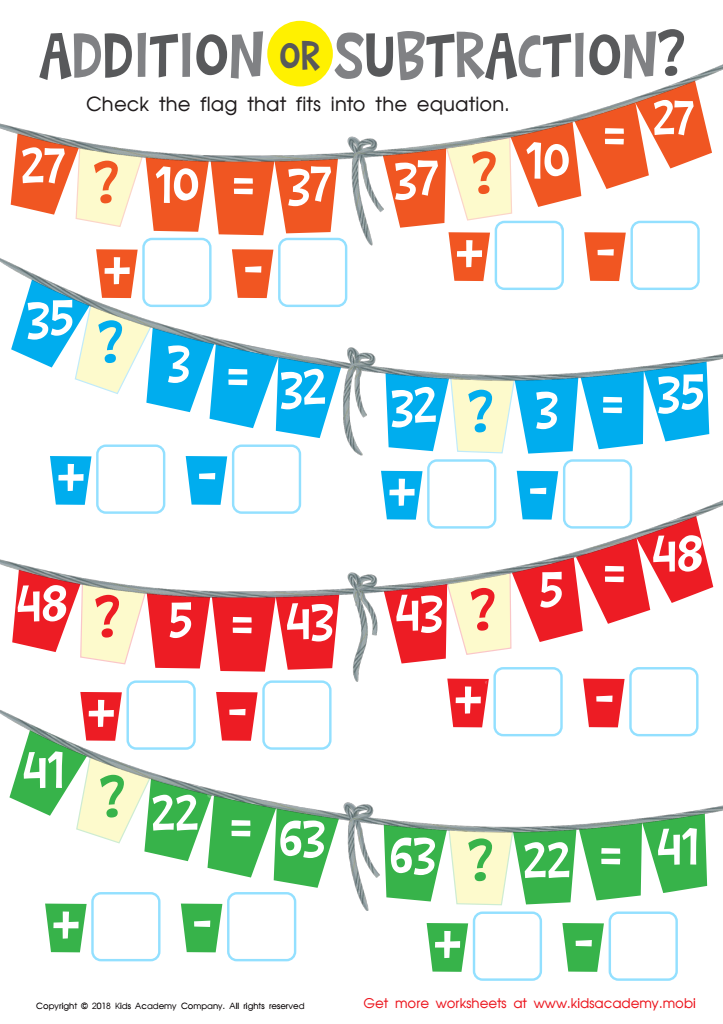
Addition or Subtraction? Worksheet
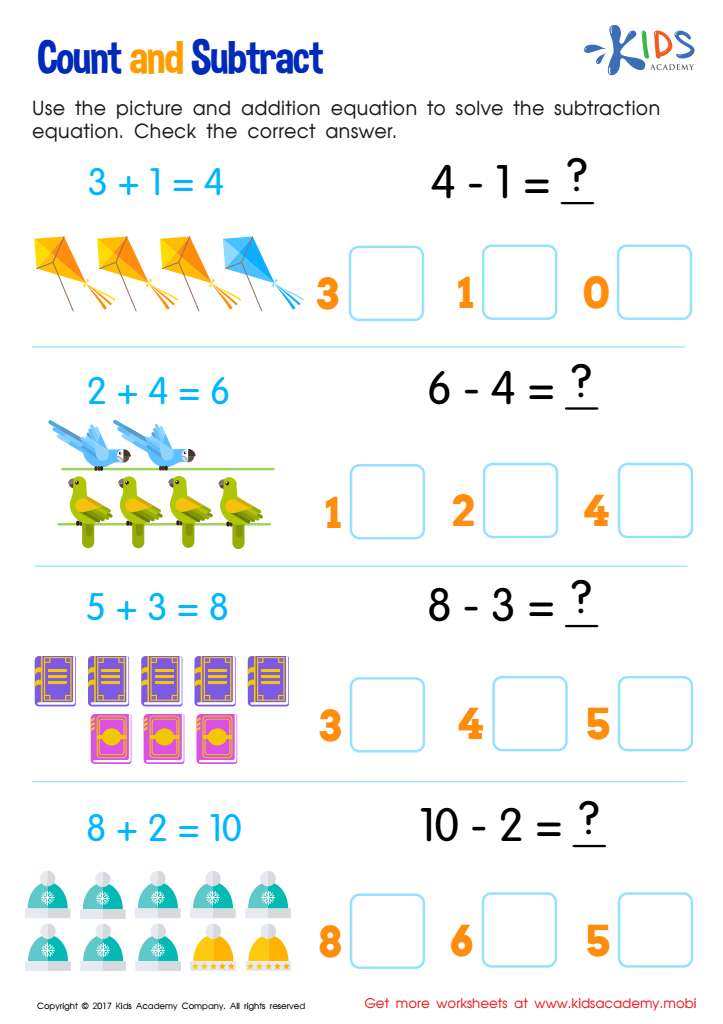
Count and Subtract Worksheet
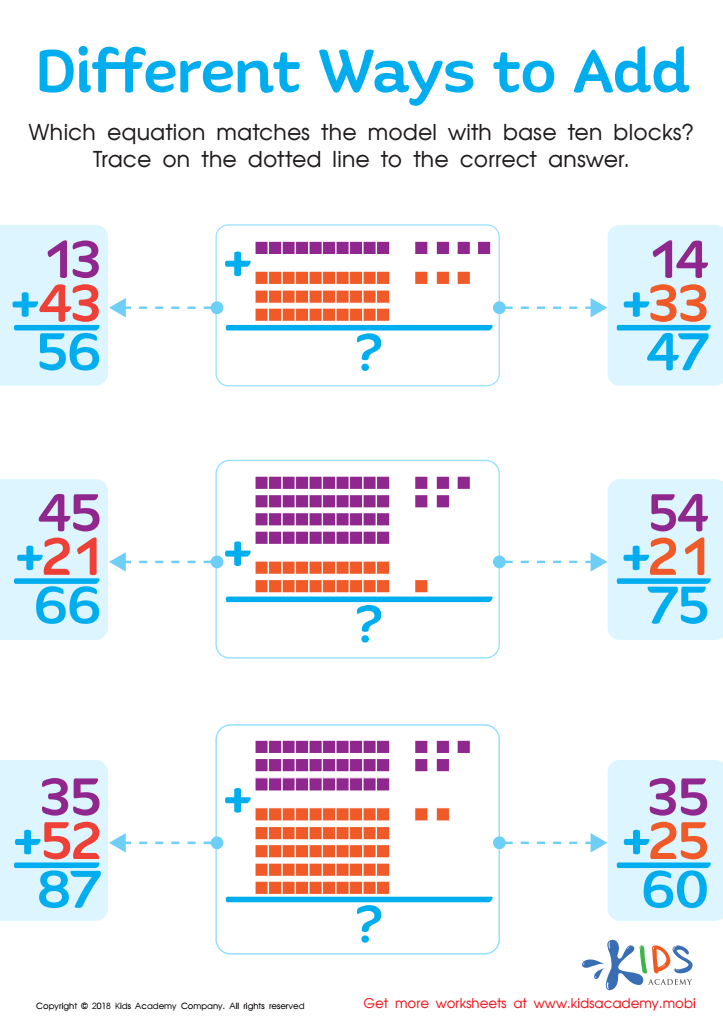
Different Ways to Add Worksheet

Sudoku Worksheet
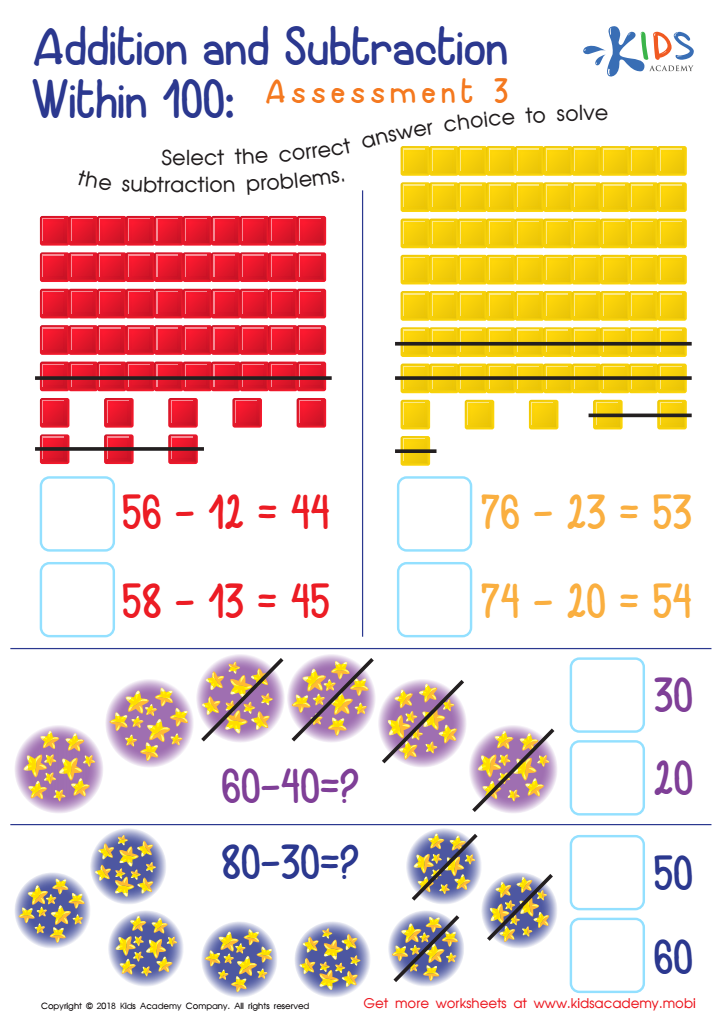
Addition and Subtraction Within 1: Assessment 3 Worksheet
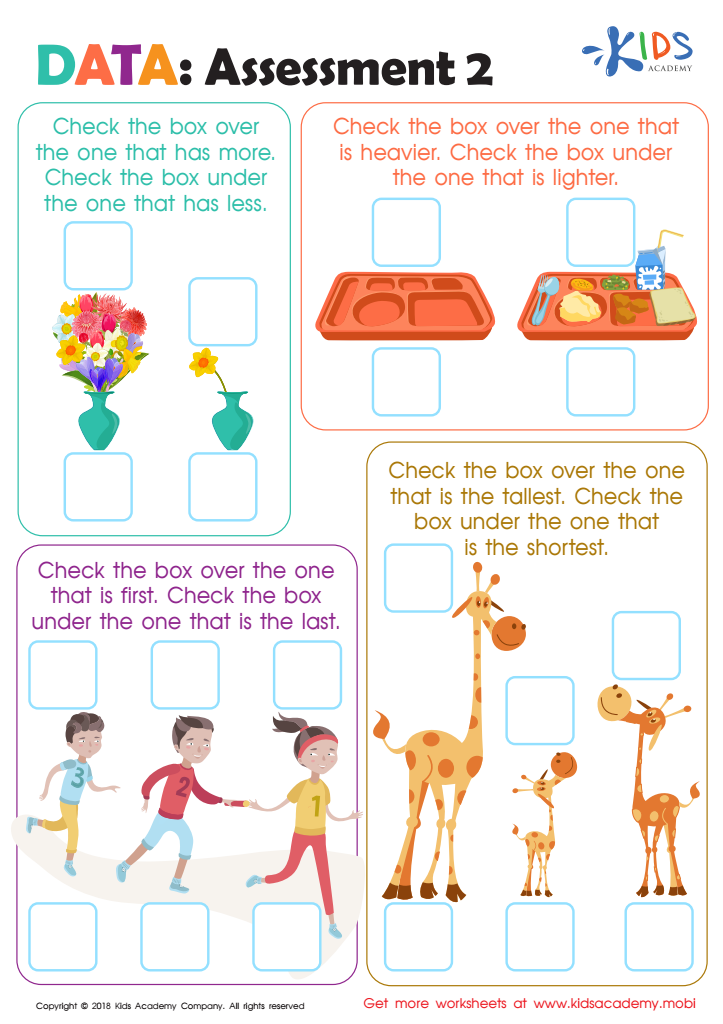
Data: Assessment 2 Worksheet
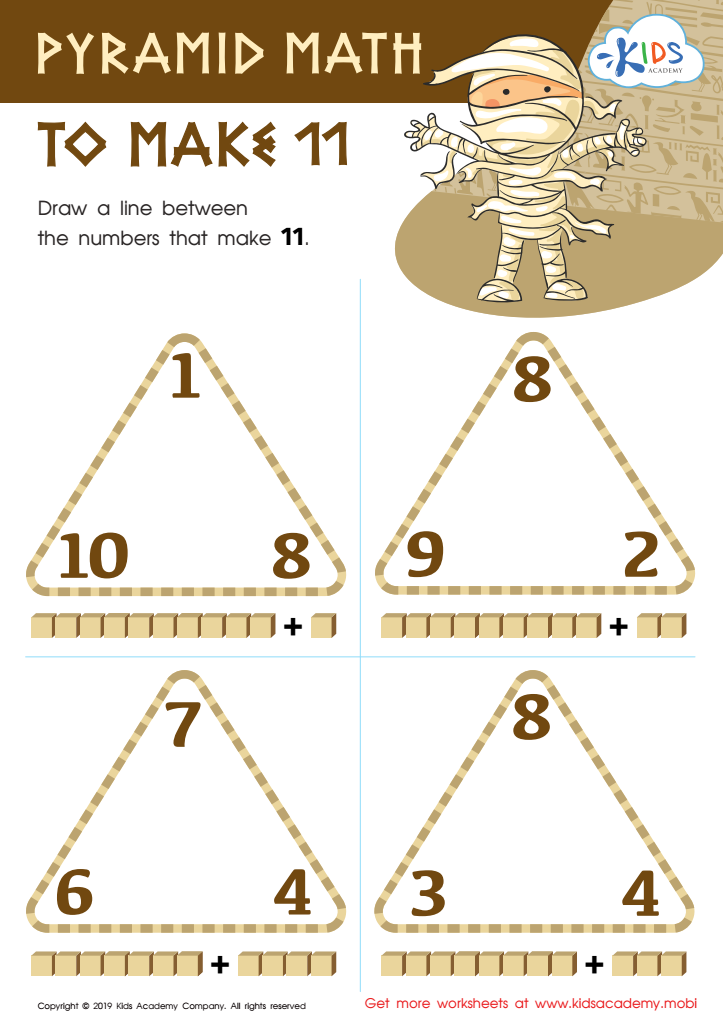
Pyramid Math to Make 11 Worksheet
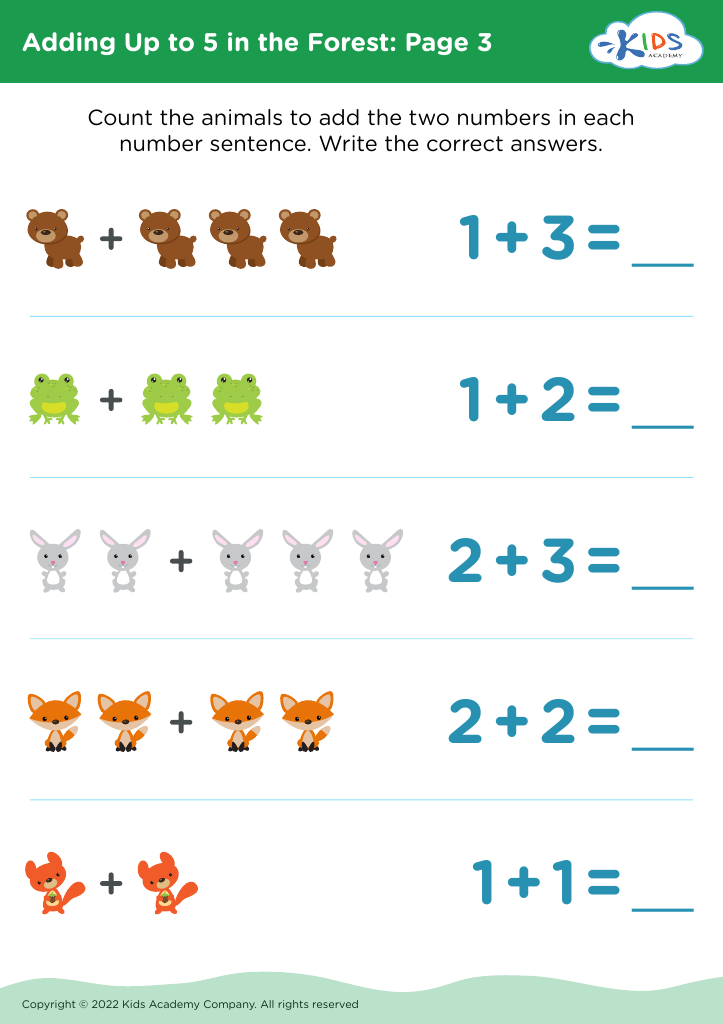








Parents and teachers should care about the development of problem-solving abilities in math for children ages 5-8 because these skills form the foundational blocks for future learning and everyday life. At this young age, kids are not yet adept at abstract thinking, but introducing them to problem-solving in math with tangible, hands-on activities helps them develop critical thinking, reasoning, and logical analysis.
When children encounter and solve math problems, they learn how to break down complex situations into manageable parts, approach challenges with an open mind, and devise strategies to reach conclusions. This doesn't just aid in understanding math concepts like addition, subtraction, and sorting but also translates into real-life skills. For example, deciding how to share toys fairly involves understanding basic division and equality.
Cultivating these abilities early reduces math anxiety, boosting confidence and academic performance as children advance in school. Moreover, problem-solving enhances patience and persistence, traits valuable for tackling challenges in all areas of life. Recognizing patterns, spatial awareness, and critical assessment are crucial life skills derived from problem-solving that support lifelong learning and adaptability. Therefore, integrating robust problem-solving exercises in math education for young children sets a strong foundation for intellectual growth and practical wisdom.








