Problem Solving Math Worksheets for Ages 5-8 - Page 2
34 filtered results
-
From - To
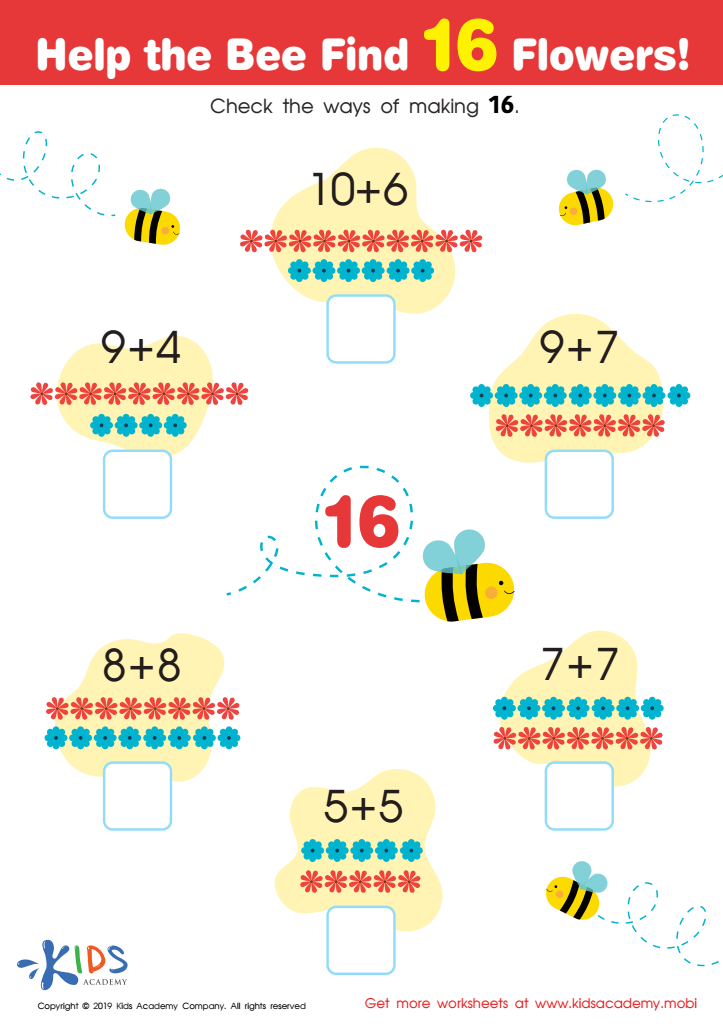
Help the Bee Find 16 Flowers Worksheet
 Assign to My Students
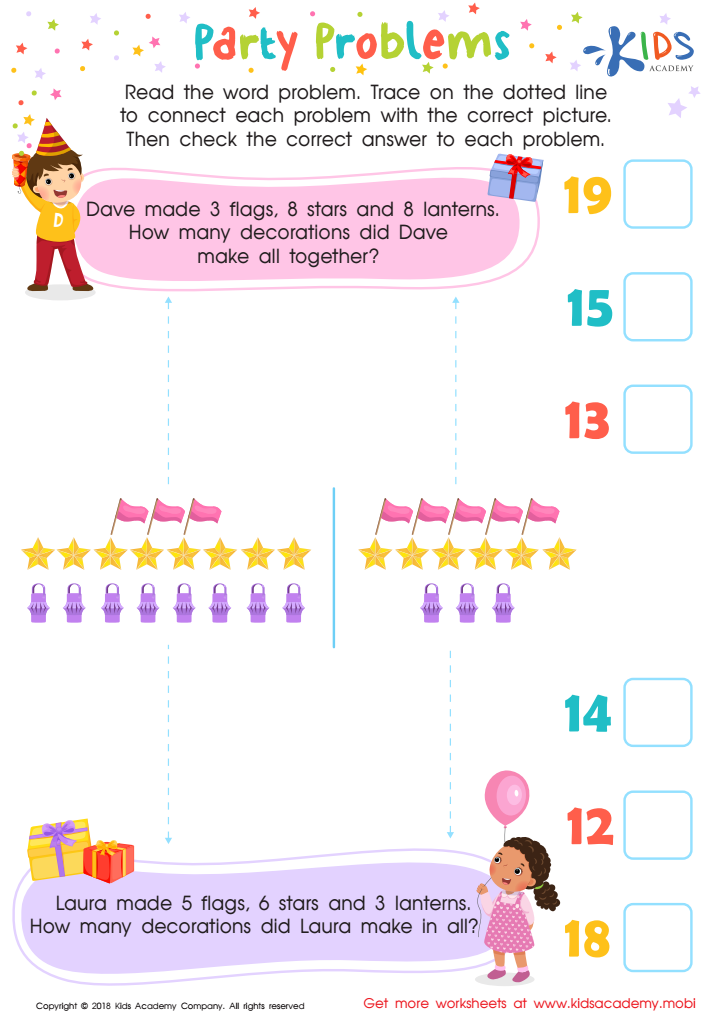
Party Problems Worksheet
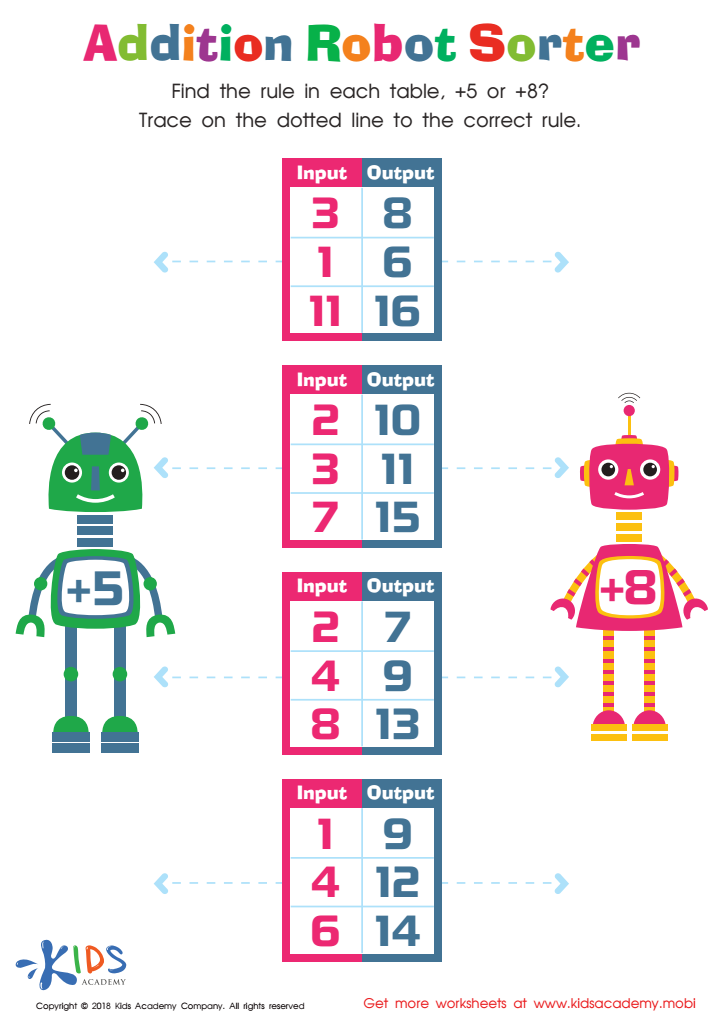
Addition Robot Sorter Worksheet
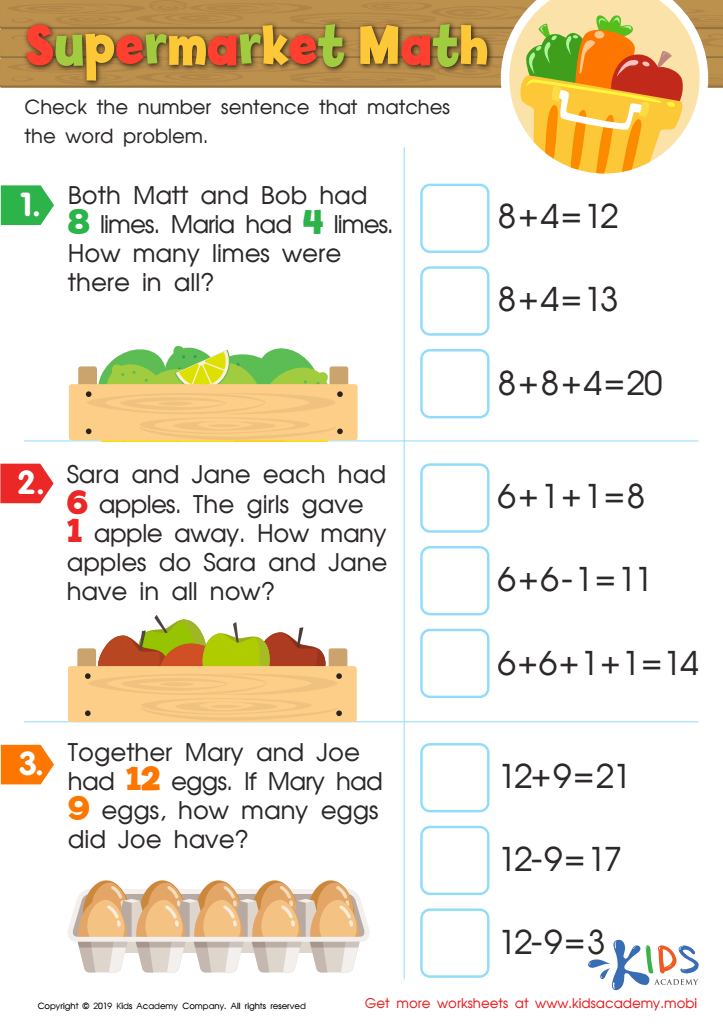
Supermarket Math Worksheet
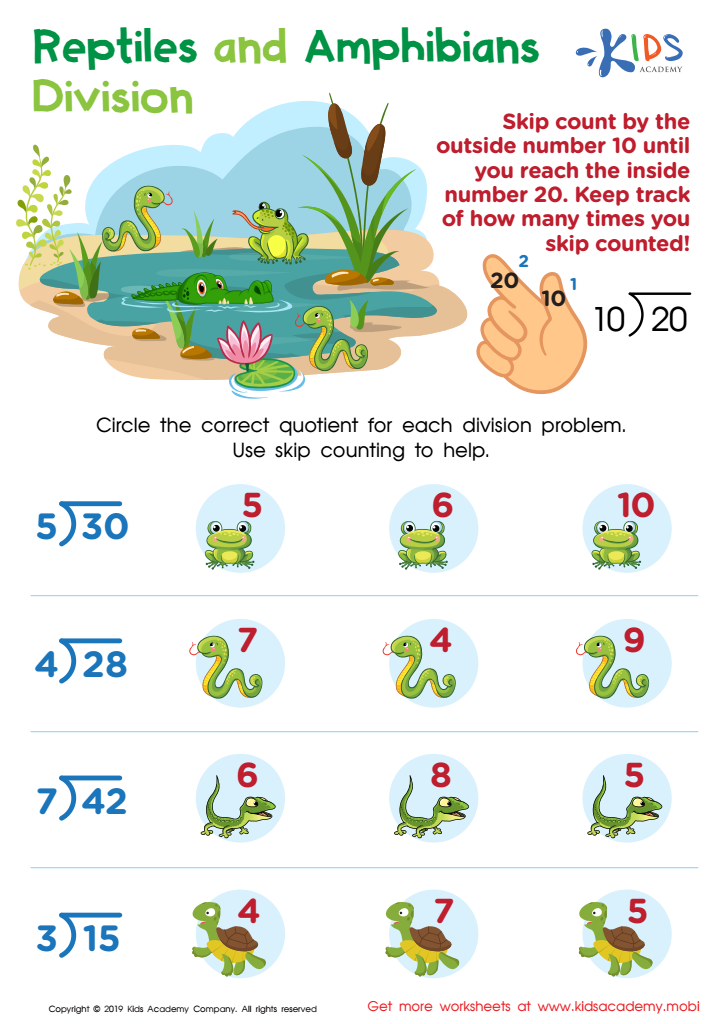
Reptile and Amphibians Division Worksheet
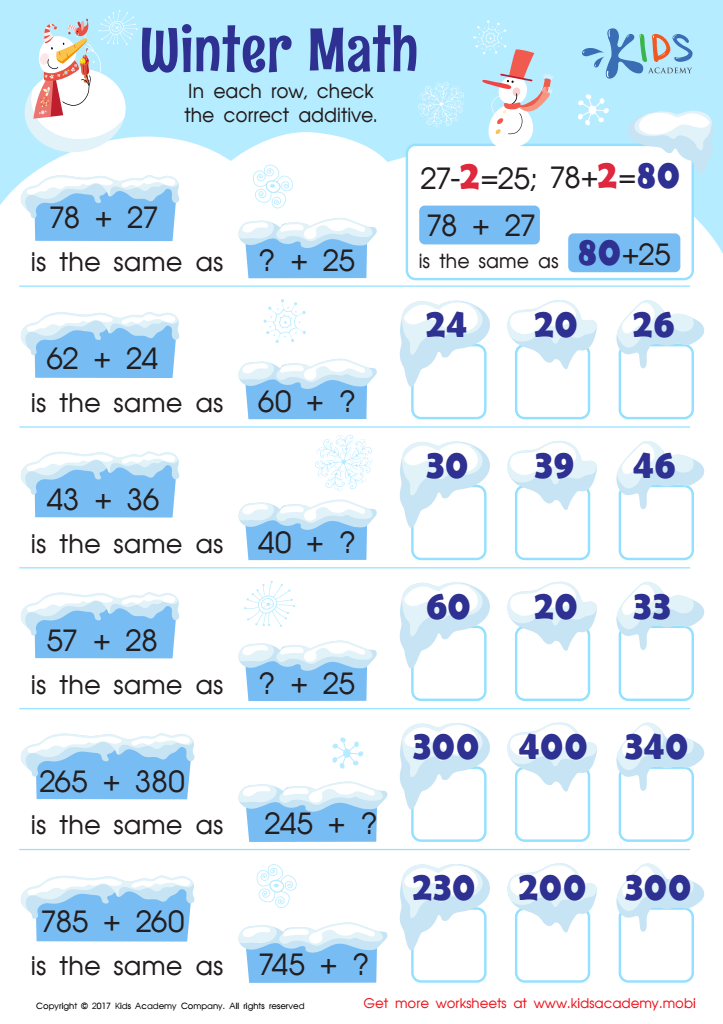
Free Addition Worksheet
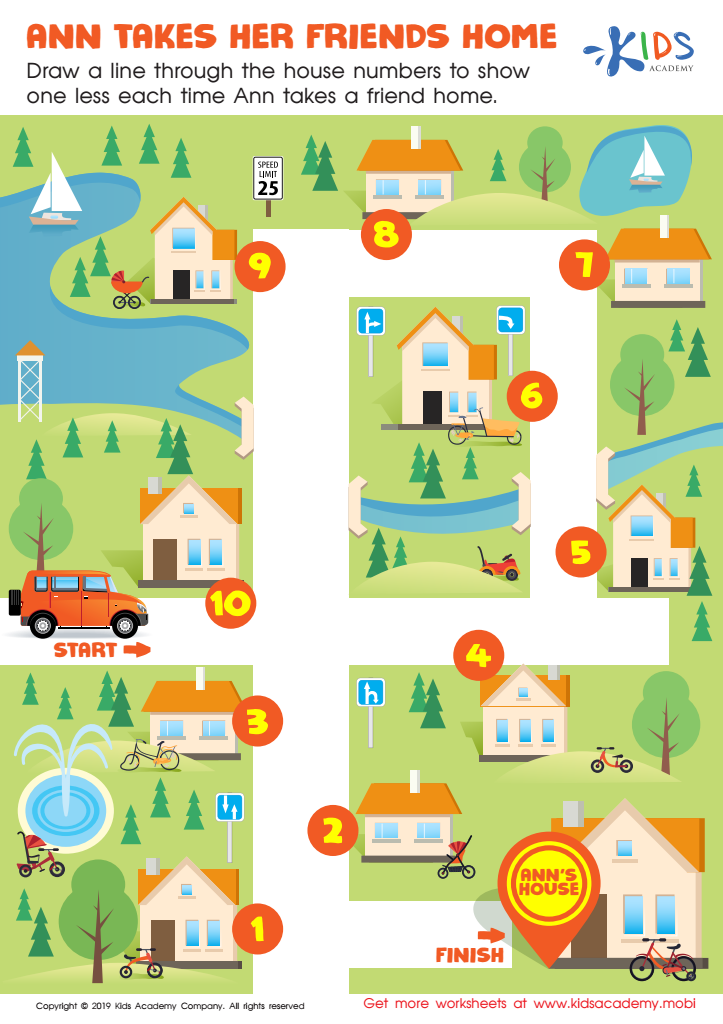
Ann Takes her Friends Home Worksheet







.jpg)
Developing problem-solving skills in math for children aged 5-8 is crucial for several reasons that parents and teachers should care about. Firstly, this early focus helps to build a strong mathematical foundation. When children learn to approach problems analytically, they not only improve their math skills but also become more adept at understanding complex concepts as they grow older.
Problem-solving in math encourages critical thinking skills. It teaches children to look at problems from multiple angles, weigh different options, and decide the best course of action. These are life-long skills beneficial far beyond the math classroom, crucial for academic success and real-life decision-making.
Moreover, solving math problems can boost confidence. As children work through challenges and find solutions, their sense of accomplishment grows. This confidence spills over into other subjects and aspects of life, making them more eager to learn and tackle new challenges.
Finally, problem-solving activities often require collaborative effort, fostering essential social skills. When children work together, discussing approaches and sharing ideas, they learn to communicate effectively, listen actively, and appreciate diverse perspectives.
In summary, problem-solving math for young children not only prepares them academically but also develops critical thinking, confidence, and social skills essential for their overall growth and development.








